How Young an Abyssinian Can Lose Its Kidneys
It's absolutely heartbreaking to consider that your energetic, playful Abyssinian, still in the prime of its life, could suddenly be facing a devastating diagnosis like kidney failure. This isn't just something that happens to senior cats; for our beloved Abyssinians, a unique genetic predisposition can unfortunately mean kidney problems can emerge alarmingly early, leaving owners feeling shocked and unprepared. This guide is here to shed light on why and how young Abyssinians can lose their kidneys, and what you can do to protect them.
Understanding Renal Amyloidosis in Abyssinians
When we talk about kidney failure in young Abyssinians, more often than not, we're discussing a condition called renal amyloidosis. This isn't your garden-variety kidney disease that comes with old age; it's a specific and insidious challenge unique to the breed. It’s a bitter pill to swallow when you've chosen a breed known for its vitality, only to find it carries such a serious hidden vulnerability.
What Exactly is Amyloidosis?
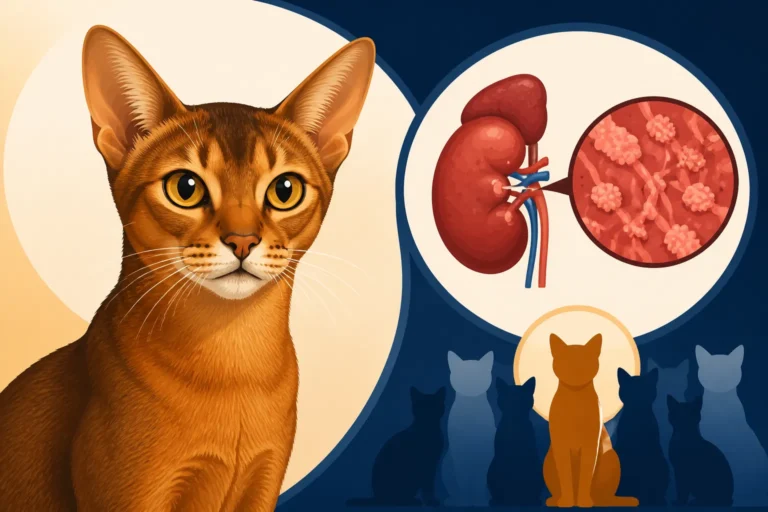
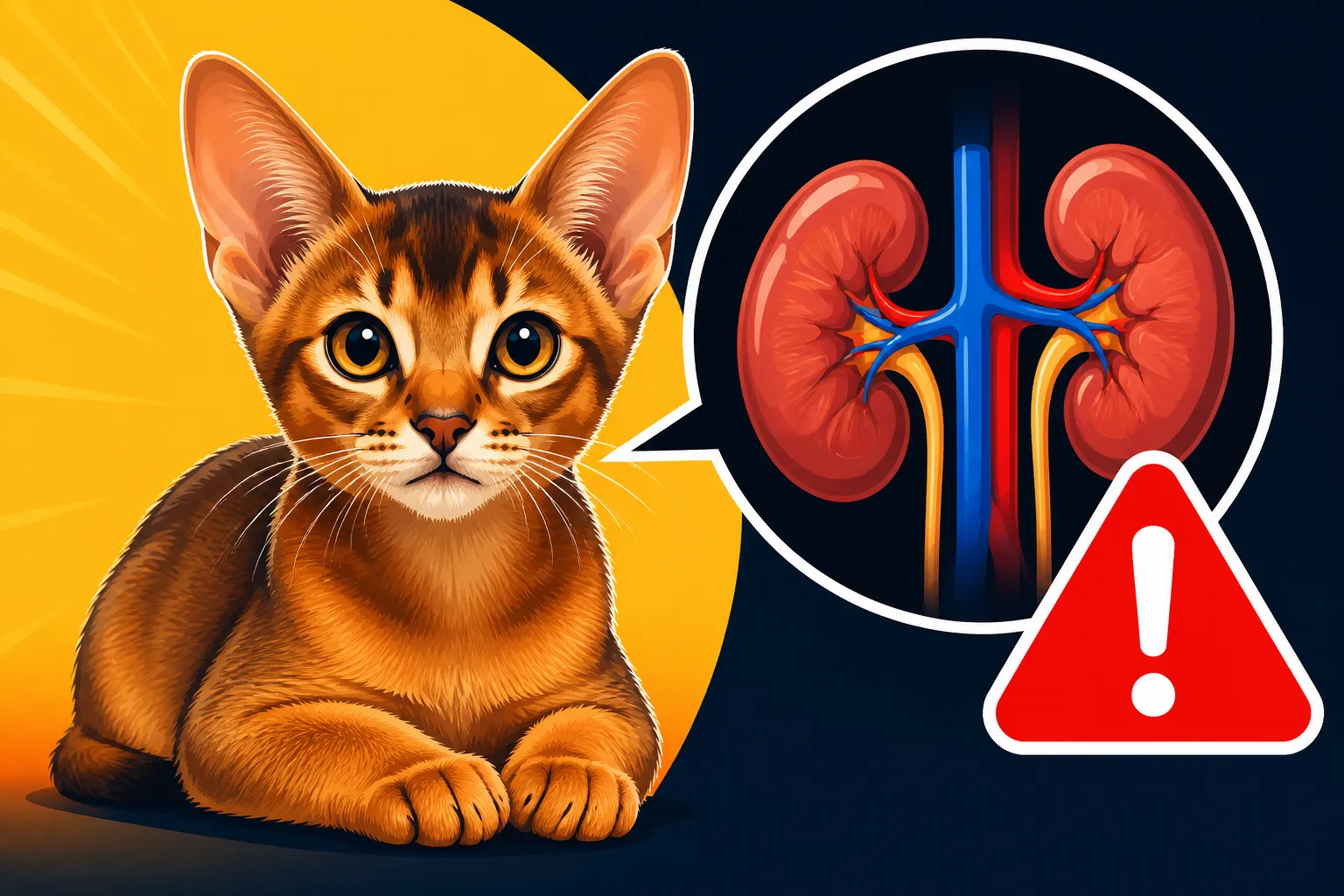
At its core, amyloidosis is a disease characterized by the abnormal accumulation of a specific protein, known as amyloid, in various tissues and organs. In Abyssinians, this amyloid often targets the kidneys, specifically depositing in the glomeruli—the tiny filtering units responsible for cleaning the blood. Imagine these delicate filters slowly getting clogged with sticky, insoluble gunk. Over time, as more and more amyloid builds up, the kidneys become scarred, hardened, and simply can't do their job anymore. This progressive damage ultimately leads to kidney failure. It’s a silent thief, gradually stealing kidney function without showing obvious signs until it’s often too late.
Unlike some kidney conditions that might stem from infections, toxins, or physical trauma, renal amyloidosis in Abyssinians is considered an inherited disorder. It's not something your cat catches; it’s something they are genetically predisposed to. The frustrating part is that this protein isn't inherently bad; it's a normal component of the immune response. However, in cats with this genetic predisposition, this protein misfolds and deposits as amyloid. We explore in more detail What Amyloid Is and Why It Reaches Abyssinian Kidneys, if you're curious about the science behind it.
The Genetic Puzzle and Why It's So Frustrating
One of the most agonizing aspects of renal amyloidosis for Abyssinian owners and breeders alike is the frustrating lack of a straightforward genetic test. While the breed benefits from clear DNA tests for conditions like Pyruvate Kinase Deficiency and PRA-rdAc that allow responsible breeders to eliminate these issues, amyloidosis remains a mystery. There's no simple "positive" or "negative" result you can get from a cheek swab to know if your cat is at risk or a carrier. This means that even the most dedicated breeders, doing everything right by testing for known genetic issues, can still be caught off guard by amyloidosis in their lines. It's a huge source of anxiety because you can't just breed it out with a simple test result.
The scientific community believes renal amyloidosis in Abyssinians is likely a polygenic condition. This means it's not controlled by a single gene, but rather by the complex interaction of multiple genes, possibly combined with environmental factors. This complexity is why developing a definitive DNA test has proven so elusive. It’s not for lack of trying, but it’s an incredibly tough nut to crack. This makes responsible breeding exceptionally challenging, as breeders must rely heavily on pedigree analysis and monitoring the health of their entire lines rather than a quick test. This is also why we discuss Why No Gene Test Exists for Abyssinian Amyloidosis in more detail.
When Kidney Failure Strikes Too Soon
The notion of a young cat developing kidney failure is a particularly cruel twist, especially for a breed as vibrant and active as the Abyssinian. Owners often associate kidney issues with the twilight years of a cat's life, making a diagnosis in a young Abyssinian incredibly shocking and difficult to process.
The Heartbreaking Reality of Young Onset
While kidney disease often manifests in older cats, Abyssinian renal amyloidosis is infamous for striking at alarmingly young ages. It’s not uncommon to see Abyssinians developing clinical signs of kidney failure between two and five years old. Some might even show signs earlier, or sadly, later, but this early-to-middle age range is particularly devastating because these cats are usually at their most active and playful. Imagine bringing home a vibrant Abyssinian kitten, full of boundless energy, only to face a life-limiting diagnosis before they've even reached their fifth birthday. It shatters the expectation of a long, healthy life and leaves owners grappling with immense guilt and sorrow, wondering if they missed something or if there was anything they could have done differently.
For perspective, an Abyssinian's lifespan is typically 12 to 15 years, so losing them in their early years to this disease feels like a terrible injustice. A diagnosis at three years old, when your cat should be scaling cat trees and chasing toys with wild abandon, is a gut punch. It’s a stark reminder that even with the best care, some genetic predispositions can bring unforeseen challenges. We delve into How Young an Abyssinian Can Lose Its Kidneys in more detail elsewhere, offering further insights into this difficult topic.
Subtle Early Signs Often Missed
One of the biggest hurdles in managing renal amyloidosis is the sneaky way it progresses. Abyssinians, like many cats, are masters of disguise when it comes to illness. Their natural instinct is to hide pain and weakness, a survival mechanism from their wild ancestors. This means that by the time you notice overt symptoms of kidney failure, a significant amount of kidney function has already been lost, usually around 70-75%. This is why an Abyssinian Hides Illness Longer Than a Heavy Cat, because their lean, athletic build can make subtle changes even harder to spot.
Initial signs can be incredibly subtle and easily mistaken for normal cat behavior or minor issues. You might notice your cat drinking a bit more water than usual, perhaps making more trips to the water bowl or seeming to empty it faster. This increased thirst, or polydipsia, is a major red flag. They might also be urinating more frequently, or producing larger volumes of urine. Beyond that, there could be slight fluctuations in appetite—maybe they're a little pickier, or skip a meal occasionally, but nothing dramatic enough to cause immediate alarm. A very slight, almost imperceptible loss of weight or a coat that isn't quite as lustrous as usual might also occur. These are the kinds of changes that, individually, don't scream "emergency" but, when combined, can be the early whispers of a serious underlying problem. Remember, Why a Thirsty Young Abyssinian Is a Red Flag, and it warrants a vet visit.
Diagnostic Challenges and Early Detection
Catching kidney disease early in an Abyssinian is absolutely vital for managing the condition and extending their quality of life. However, relying solely on traditional diagnostics can lead to missed opportunities, especially when dealing with such a fast-progressing illness in young cats.
Beyond Standard Bloodwork: What to Look For
The traditional markers for kidney function in routine blood tests, like creatinine and BUN (blood urea nitrogen), are often only elevated once a substantial amount of kidney damage has already occurred. For a young Abyssinian where time is of the essence, waiting for these values to spike means precious kidney function might be irrevocably lost. This is a common frustration for owners who get "normal" results only to find out later that kidney disease was brewing.
Fortunately, veterinary medicine has advanced, and we now have more sensitive markers. The SDMA (Symmetric Dimethylarginine) test is a game-changer. It can detect kidney disease much earlier than creatinine, often when only 25-40% of kidney function has been lost. If your Abyssinian is showing any of those subtle early signs, or even if they're simply due for a routine check-up, ask your vet specifically about including an SDMA test. It’s a simple blood test that can provide invaluable early warning.
Beyond bloodwork, urine tests are equally critical. A urine specific gravity test measures how concentrated your cat's urine is. Cats with kidney disease often have dilute urine because their kidneys can't concentrate it properly. Another important test is the urine protein-to-creatinine ratio (UPC). Increased protein in the urine can indicate kidney damage, especially if it’s persistent. These urine tests, combined with SDMA, provide a much more comprehensive picture of kidney health than traditional bloodwork alone. For a deeper dive into Which Blood Values Catch an Abyssinian's Kidneys Early, check out our dedicated article.
Here's a quick reference table of kidney health markers:
| Test | What it Measures | When it Changes (Kidney Function Loss) | Importance for Abyssinians |
|---|---|---|---|
| Creatinine | Waste product from muscle metabolism | 75% or more | Traditional marker, but often too late for early detection. |
| BUN | Waste product from protein breakdown | 75% or more | Also a traditional marker, affected by diet and hydration. |
| SDMA | Waste product from protein breakdown | 25-40% | Highly recommended for early detection in Abyssinians. |
| Urine Specific Gravity | Urine concentration | Varies, but early dilution is key | Indicates kidneys' ability to concentrate urine. |
| Urine Protein:Creatinine Ratio (UPC) | Protein leakage in urine | Any significant increase | Detects protein loss, a sign of glomerular damage. |
The Role of Regular Vet Checks
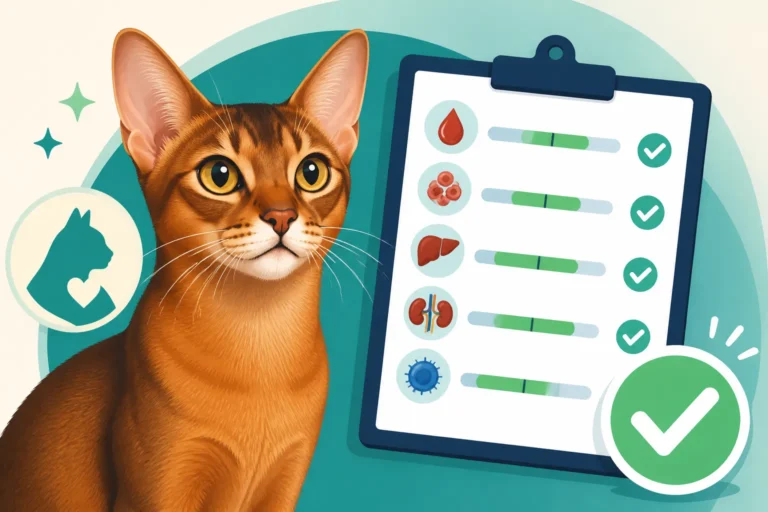
Given the silent nature of early kidney disease and the Abyssinian's predisposition to amyloidosis, regular veterinary check-ups become paramount. This isn't just about annual vaccinations; it's about establishing a baseline for your cat's health and catching any deviations as quickly as possible. For a young Abyssinian, an annual wellness exam should ideally include bloodwork that incorporates SDMA, along with a complete urinalysis. Don't just assume; specifically request these tests, explaining your concerns about the breed's susceptibility to renal amyloidosis. A proactive approach is the best defense.
During these visits, make sure your vet records your Abyssinian's weight accurately. Even a subtle, consistent decline can be a significant indicator over time, especially since Abyssinians are naturally lean and active. Discuss any changes in drinking habits, appetite, or energy levels, no matter how minor they seem. Your vet can perform a thorough physical exam, checking for things like kidney size and tenderness, which might not be obvious to you at home. Building a long-term relationship with a vet who understands the unique health challenges of Abyssinians is invaluable. It also helps to consider pet insurance, like Healthy Paws, early on. Insuring a young, healthy Abyssinian before any pre-existing conditions arise can provide peace of mind and financial support should these unforeseen health issues like amyloidosis develop.
Managing Kidney Disease in Young Abyssinians
Receiving a diagnosis of kidney disease in a young Abyssinian is devastating, but it’s not an immediate death sentence. While there is no cure for renal amyloidosis, especially once it’s advanced, there are many strategies to manage the condition, slow its progression, and significantly improve your cat’s quality of life. The goal is to support the remaining healthy kidney tissue and minimize the workload on compromised kidneys.
Diet and Hydration: Crucial Pillars
One of the most impactful changes you can make for an Abyssinian with kidney disease is adjusting their diet. Prescription kidney diets are specifically formulated to reduce the burden on the kidneys. They typically have restricted protein (but still high-quality and digestible), reduced phosphorus, and controlled sodium levels. The lower phosphorus content is particularly important, as high phosphorus can accelerate kidney damage and make your cat feel unwell. It’s crucial to work with your vet to select the appropriate kidney diet, as there are many options, and what works best can vary for each cat. Trying to force a diet change on an already ill cat can be tricky, so gentle transitions are key.
Hydration is another cornerstone of kidney disease management. Water helps the kidneys flush out toxins. Unfortunately, many cats don't drink enough, especially if they are primarily on a dry kibble diet. Switching to an all-wet food diet is highly recommended for Abyssinians with kidney disease, as it significantly increases their daily water intake. If your cat is reluctant to eat wet food, try adding extra water to it, or consider different flavors and textures. Using ceramic or stainless steel water bowls, placing multiple water bowls around the house, or investing in a cat fountain (many cats prefer moving water) can also encourage more drinking. Adequate hydration can make a remarkable difference in how your Abyssinian feels and functions.
Medical Interventions and Support
Beyond diet, your vet will likely recommend a range of medical interventions to support your Abyssinian and manage specific symptoms. Subcutaneous fluids, or "sub-Q fluids," administered under the skin, are a common and highly effective way to combat dehydration and help flush toxins from the body. Many owners learn to give these fluids at home, which can dramatically improve their cat's comfort and energy levels. It sounds daunting at first, but with a little practice and guidance from your vet, it becomes part of the routine. We also have a resource on Whether Fluids at Home Help an Abyssinian if you'd like to learn more.
Managing blood pressure is another critical aspect. High blood pressure (hypertension) is a common complication of kidney disease and can further damage the kidneys, eyes, and heart. Medications can help keep blood pressure under control. Your vet might also prescribe phosphorus binders, which are given with food to prevent the absorption of excess phosphorus, thereby reducing its harmful effects on the kidneys. Anti-nausea medications or appetite stimulants might also be necessary if your Abyssinian is struggling to eat, ensuring they get the vital nutrition they need. The goal of all these treatments is not to cure, but to support, to minimize symptoms, and to ensure your Abyssinian can enjoy their life to the fullest extent possible for as long as possible. Many pet insurance plans, like those from Healthy Paws, can significantly ease the financial burden of ongoing medical treatments and specialty diets required for managing kidney disease.
The Breeder's Responsibility and Family History
When facing a disease like renal amyloidosis, which is inherited but lacks a direct genetic test, the role of responsible breeding and transparency becomes even more critical. Understanding your cat's lineage and asking the right questions can make a world of difference.
Why Pedigree Research is Paramount
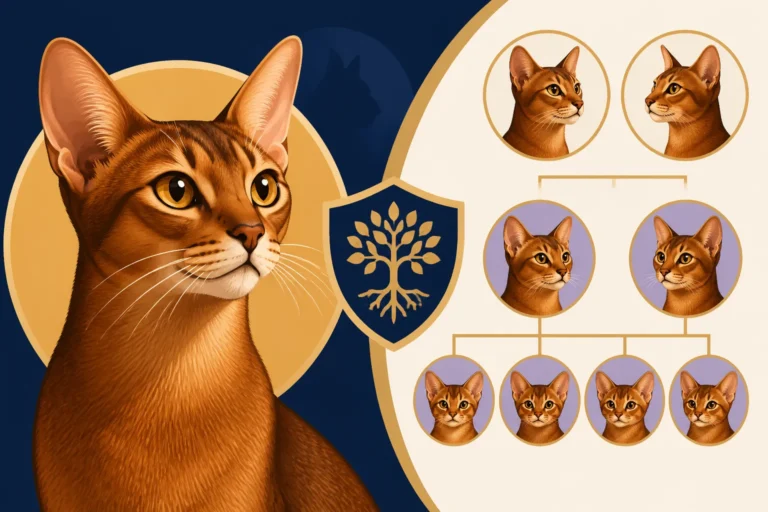
Since there isn't a simple DNA test for Abyssinian renal amyloidosis, responsible breeders have historically relied on meticulously tracking family health histories. This means knowing if kidney disease, particularly amyloidosis, has appeared in a cat's ancestors, siblings, or offspring. A truly dedicated breeder will openly discuss the health of their lines and be transparent about any instances of kidney issues. They understand that even with the best intentions, amyloidosis can crop up, and sharing this information is crucial for the breed's overall health. They won't just tell you the parents are "healthy"; they'll have a detailed understanding of the longevity and causes of death within their cats' pedigrees.
When looking for an Abyssinian kitten, this means doing your homework on the breeder. Don't be afraid to ask direct questions about the incidence of kidney disease in their lines. A good breeder will welcome these questions and provide detailed answers, often showing you records or discussing the lifespans of their cats. They should also be able to tell you about the health of the cat’s grandparents and great-grandparents. This depth of knowledge is more valuable than any single test in the absence of a genetic marker. We discuss Why Abyssinian Lines Are Judged on Family History Instead in another post, highlighting the complexity of this issue.
Making Informed Choices
For prospective Abyssinian owners, making an informed choice means going beyond just falling in love with a cute kitten. It involves a thorough vetting process of the breeder. Ask how long they've been breeding, what health screenings they do (including the known DNA tests for PK deficiency and PRA-rdAc, as well as cardiac screenings), and specifically, what they know about kidney disease in their lines. Ask about the average lifespan of their cats and the common causes of death in their breeding program. A breeder who shies away from these discussions or claims their cats are "perfect" without any health issues is a red flag. Look for a breeder who is honest, knowledgeable, and genuinely invested in the long-term health of the breed, not just making a sale.
While a health guarantee might cover some conditions, it’s important to understand that few, if any, breeder guarantees will cover renal amyloidosis due to its unpredictable nature and the lack of a genetic test. However, a reputable breeder will offer support and guidance should an issue arise. This engagement reflects their commitment. Choosing a reputable breeder who prioritizes health and transparency, even for difficult-to-test conditions, gives you the best possible start with your Abyssinian. It's an investment not just in a pet, but in a long-term companion, and understanding potential health challenges upfront is part of that journey. It’s also wise to research pet insurance providers, like Healthy Paws, which can offer comprehensive coverage for unexpected illnesses and conditions. Enrolling your Abyssinian when they are young and healthy helps ensure that conditions like renal amyloidosis are covered if they emerge later, without being deemed a pre-existing condition. This financial safety net can be incredibly valuable for managing chronic illnesses.
Disclaimer
This article is intended for informational purposes only and does not constitute veterinary advice. Always consult with a qualified veterinarian for any health concerns or before making any decisions about your pet's health or treatment.