Zula and the 1868 Story Everyone Repeats
Abyssinian cat origins and the 1868 legend of Zula are contrasted with historical records and modern genetic science.
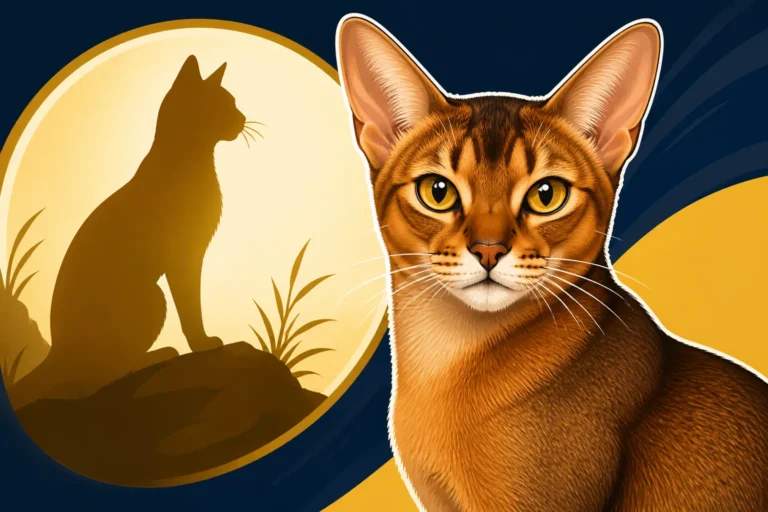
Abyssinian cat origins and the 1868 legend of Zula are contrasted with historical records and modern genetic science.
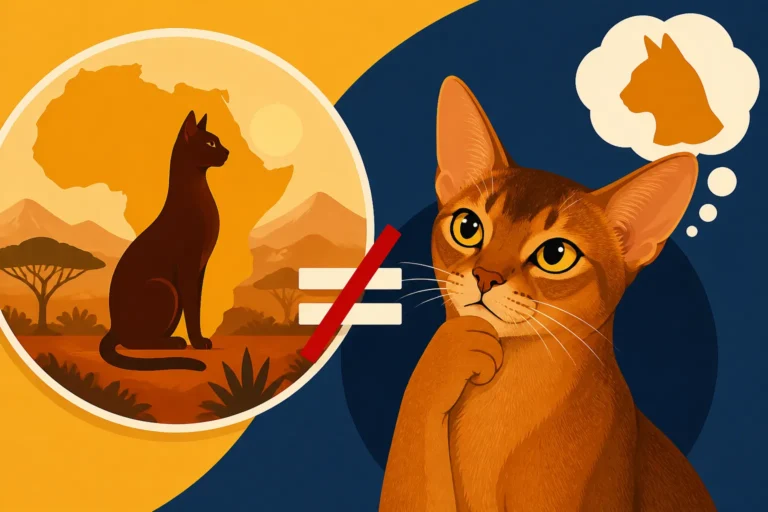
The romantic legend of a cat named Zula links the breed to modern-day Ethiopia, but genetics and historical records are exposing cracks in the story.
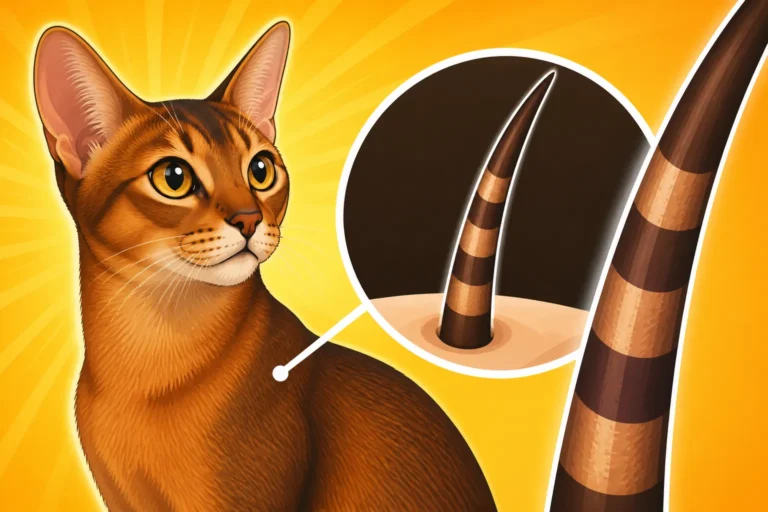
Abyssinian hair features three or four distinct color bands created by the agouti gene controlling eumelanin and pheomelanin pigments.
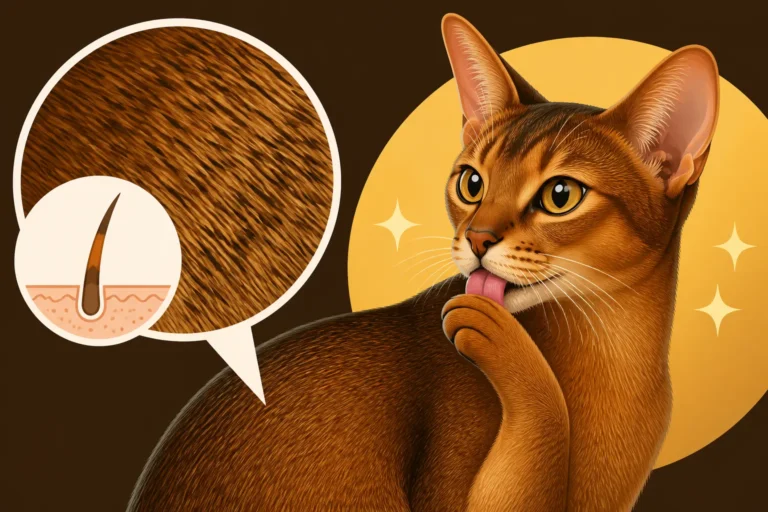
Abyssinian coat maintenance requires a gentle weekly brush and a soft rubber mitt to preserve agouti banding without damage.
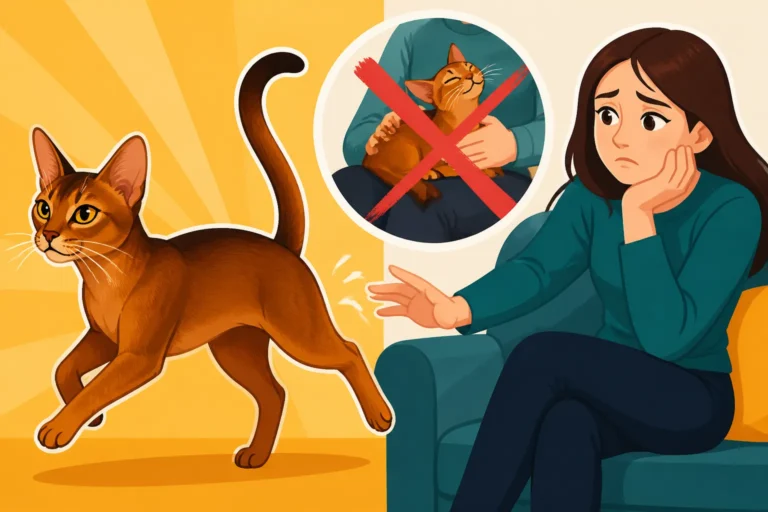
Abyssinian cats show affection through shoulder perches, active play sessions, and following owners rather than traditional lap sitting.
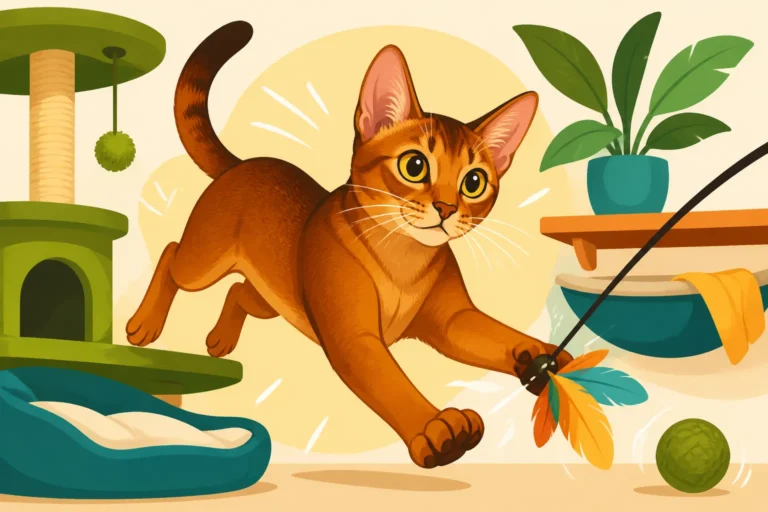
The Abyssinian cat possesses boundless energy, high intelligence, and an instinct for climbing heights, requiring constant mental and physical stimulation.

Abyssinian kitten prices reflect responsible breeding practices, genetic health testing, early socialization, and limited availability compared to shelter cats.
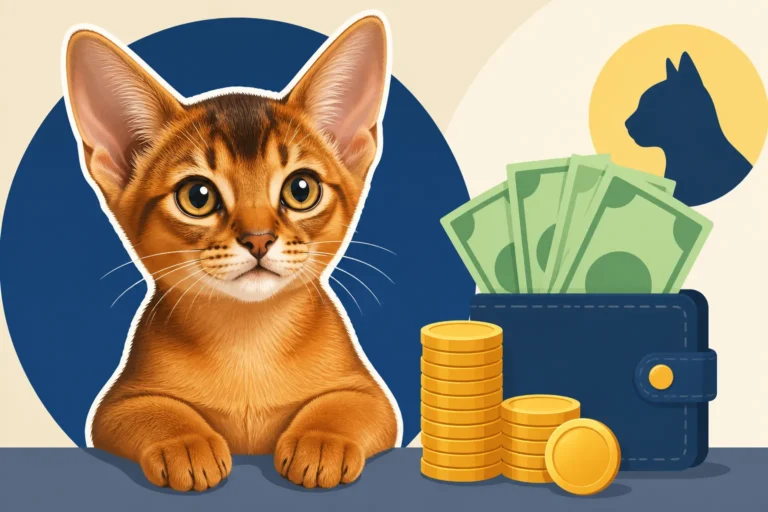
Abyssinian kitten pricing reflects breeder investments in health testing, genetic lines, and early socialization between twelve and sixteen weeks of age.
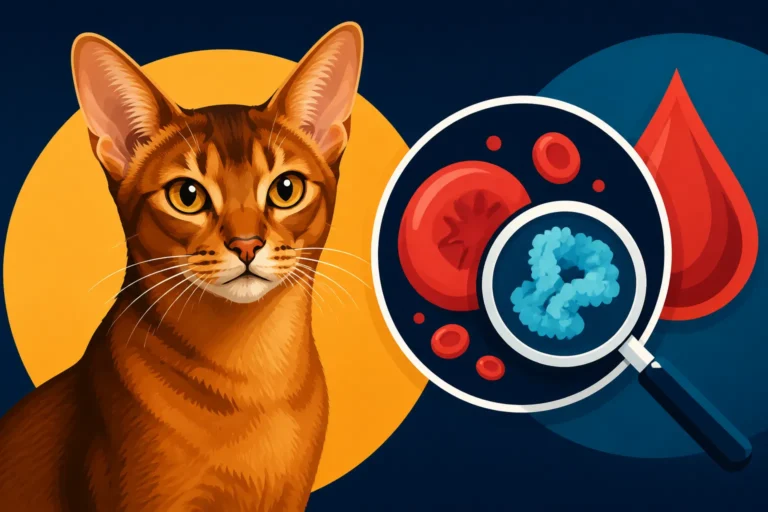
Pyruvate kinase deficiency in Abyssinians causes inherited anemia, and genetic testing helps breeders identify carriers and prevent the disease.
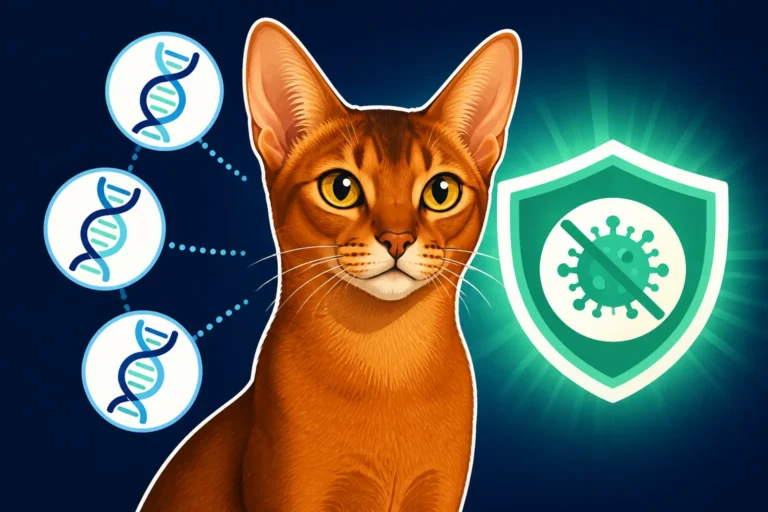
Abyssinian genetic testing covers three conditions, including pyruvate kinase deficiency and PRA-rdAc, while renal amyloidosis still lacks tests.
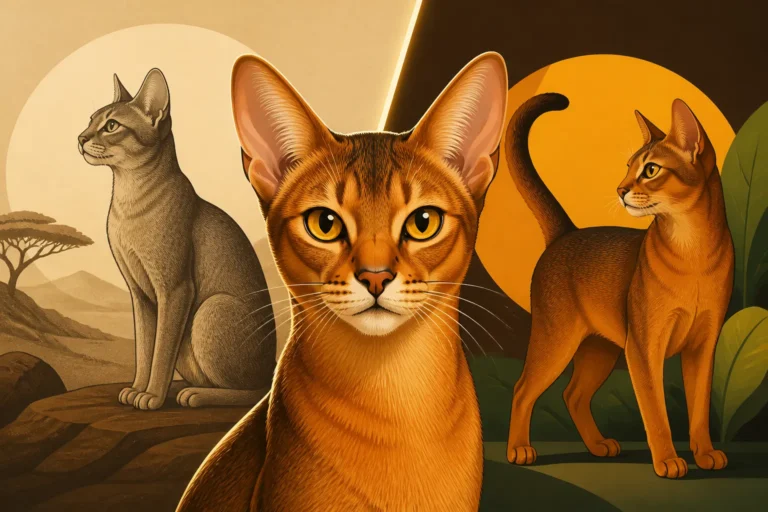
The Abyssinian cat breed retains its signature ticked coat, athletic build, and curious temperament after 150 years.
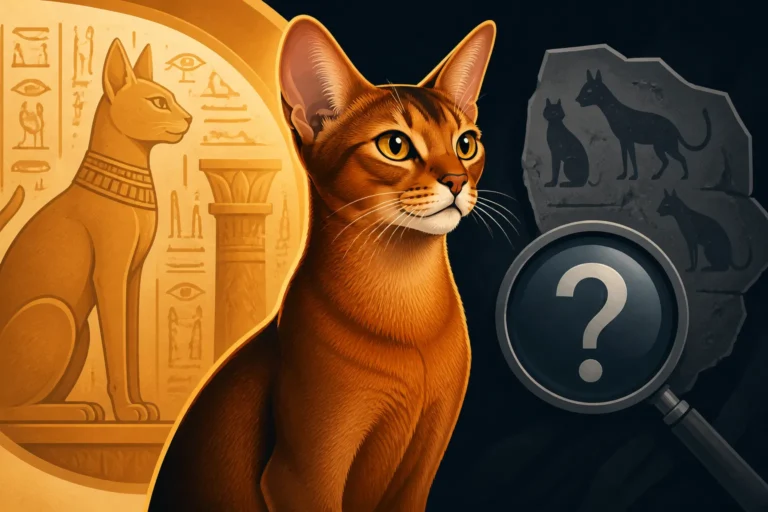
The Abyssinian cat breed history separates appealing origin stories from historical evidence, examining the 1868 Zula account.
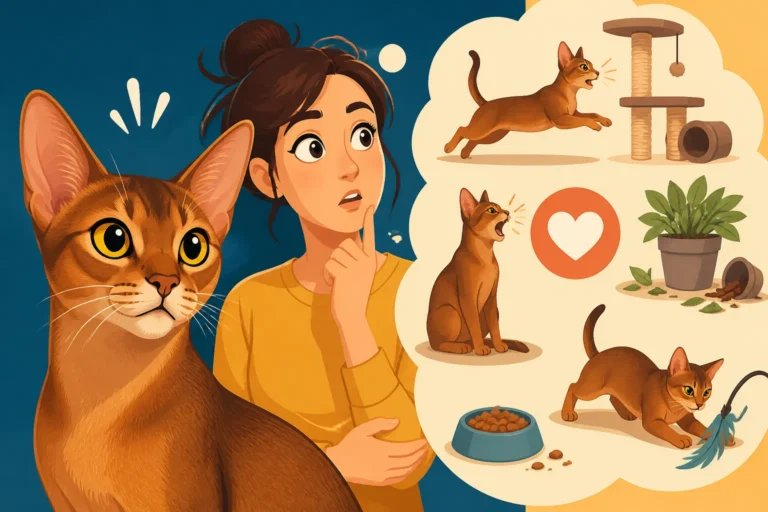
Abyssinian cat care, high energy levels, affectionate behavior, and daily routines help owners prepare for this curious and active breed.
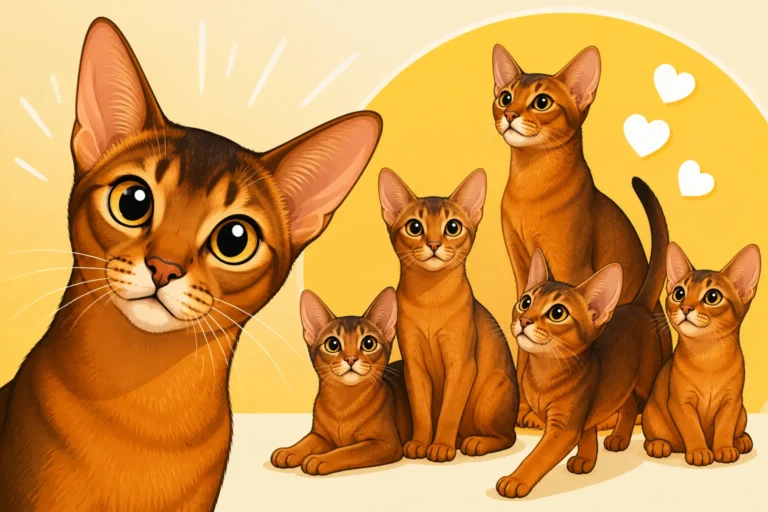
Abyssinian owners considering a second cat learn how a compatible companion affects home life and feline behavior.
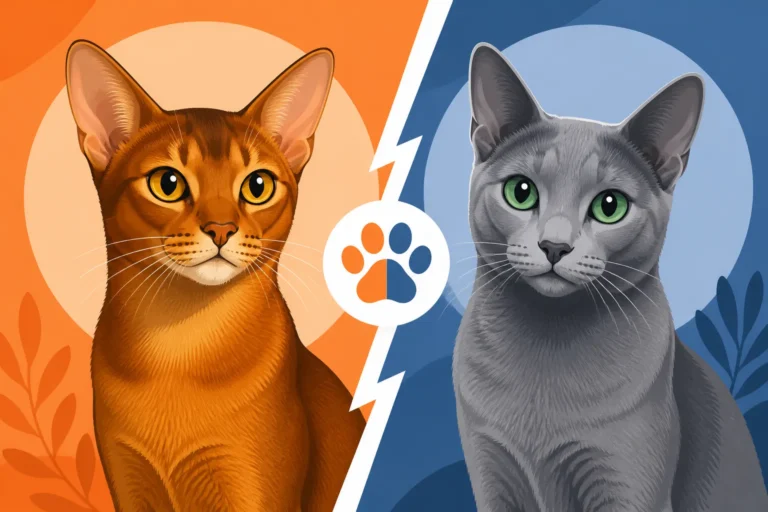
Abyssinian and Russian Blue cats compared by temperament, daily care needs, and household fit to help choose a pet.
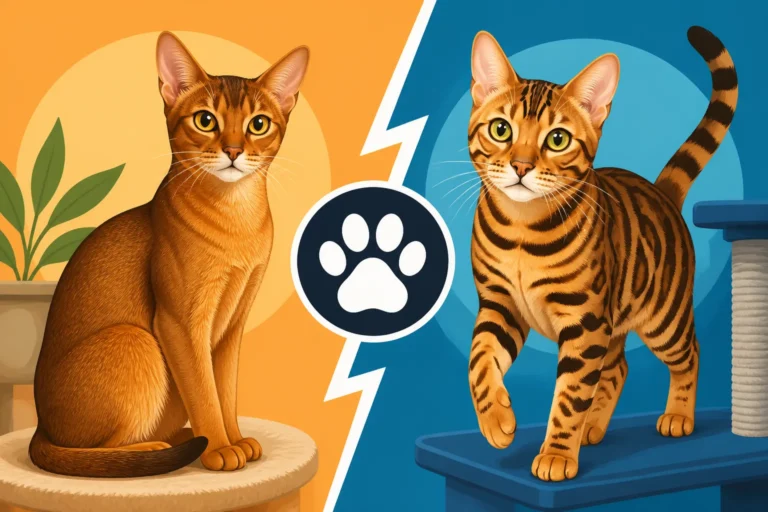
Abyssinian and Bengal pet cats differ in daily energy, physical play styles, and household companionship needs.

Abyssinian and Siamese cats differ in daily energy, vocal styles, and affection patterns, helping owners choose the right breed.
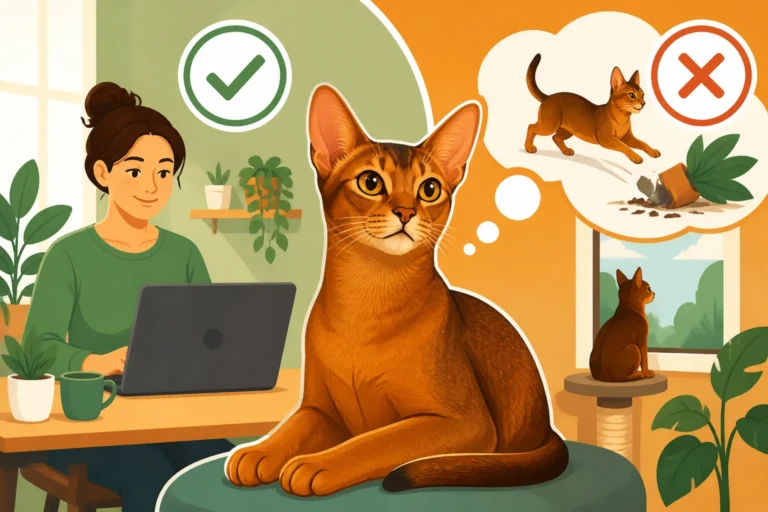
An Abyssinian cat living with a remote worker changes daily routines and requires specific home office adaptations.
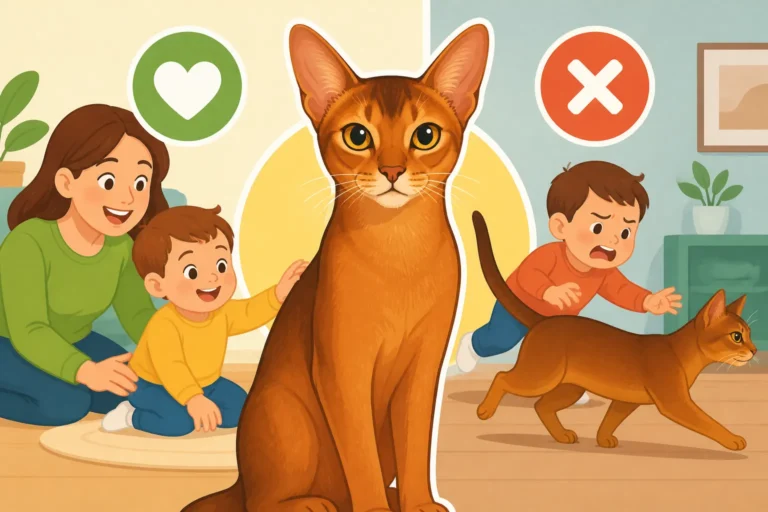
An Abyssinian cat around toddlers requires careful supervision because the active animal may scratch if trapped.
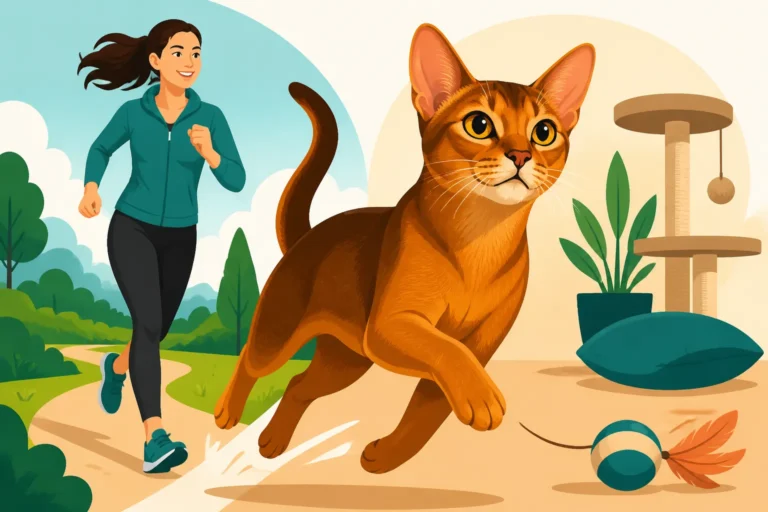
An Abyssinian cat matches active owners through daily play, climbing spaces, and constant involvement in household life.