What Owning an Abyssinian Really Costs a Year
Yearly Abyssinian ownership expenses cover high-quality food, routine veterinary checkups, dental cleanings, pet insurance, and tall cat trees.
The price tag is the smallest number.
Purchase and adoption costs, insurance, routine vet care, food and grooming budgets, and the emergencies that change the total.
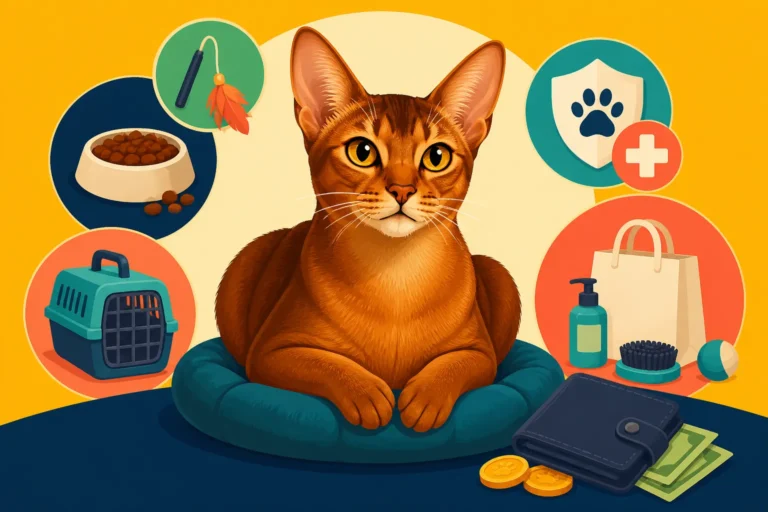
Yearly Abyssinian ownership expenses cover high-quality food, routine veterinary checkups, dental cleanings, pet insurance, and tall cat trees.
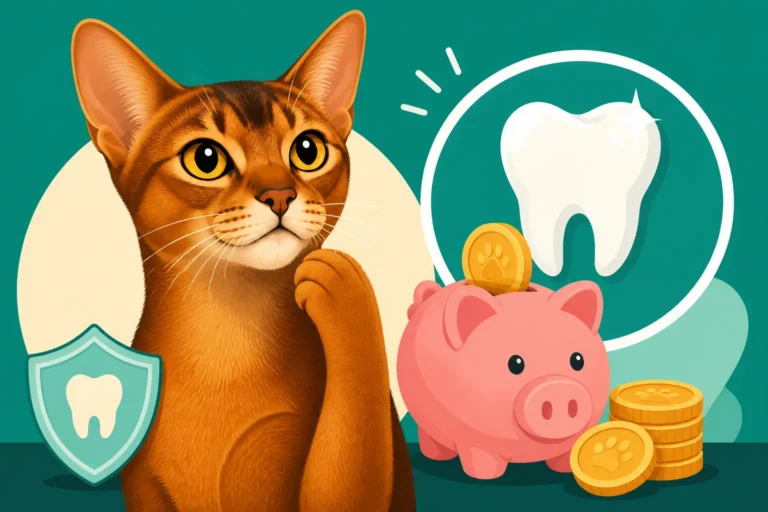
Abyssinian dental care requires a dedicated fund to cover juvenile gingivitis, tooth resorption, and expensive surgical extractions.

Pet cremation and aftercare expenses for an Abyssinian include private options, communal services, urns, and custom memorials.
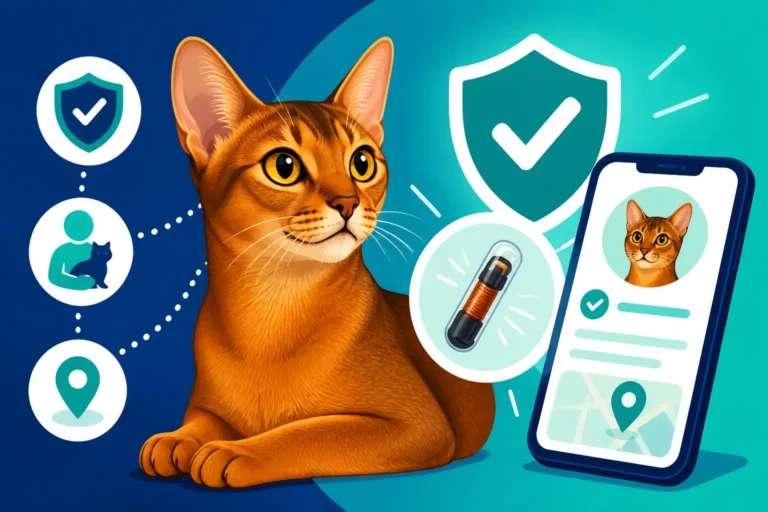
Abyssinian microchip registration ensures lost cats are reunited with owners by linking chip numbers to contact databases.
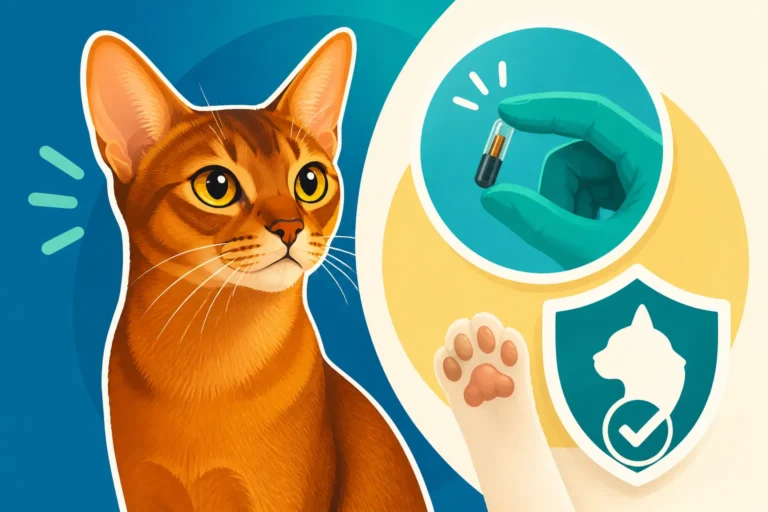
Abyssinian microchipping costs include veterinary insertion procedures, clinic types, and database registration fees for pet owners.

Abyssinian cats are fully domesticated pets, not exotic animals, despite landlord concerns and unique physical appearances.
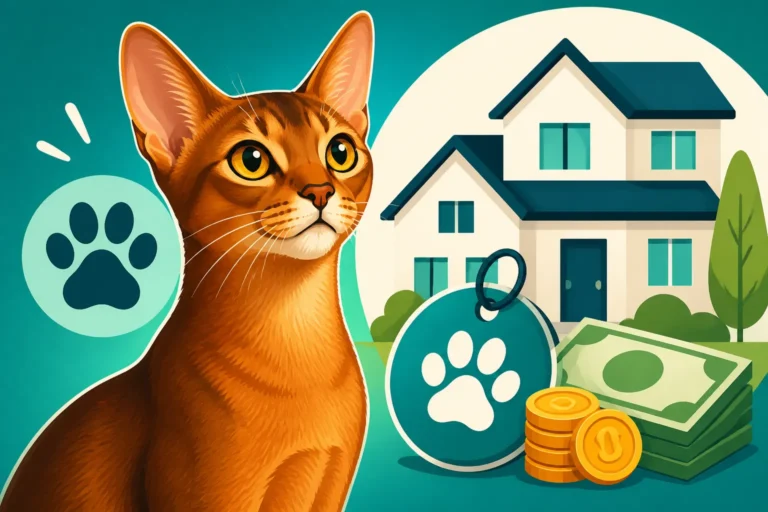
Abyssinian pet rent costs, refundable deposits, and non-refundable fees are detailed for rental agreements and housing negotiations.
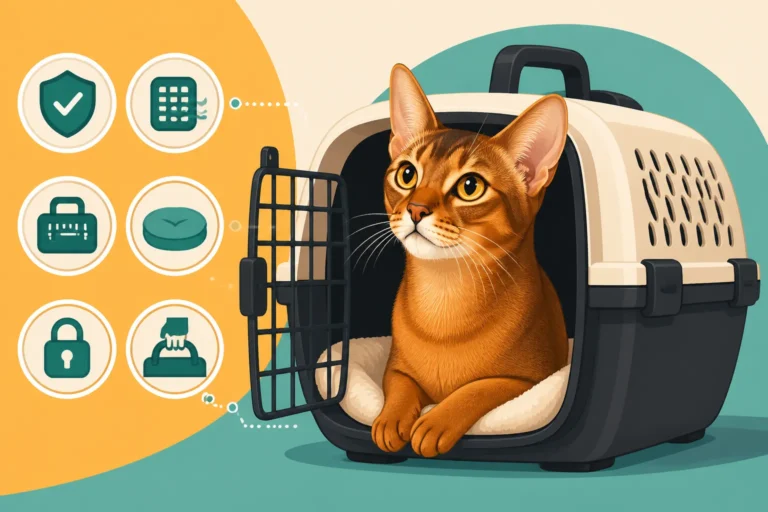
An Abyssinian carrier requires sturdy construction, secure locking mechanisms, and ample ventilation to ensure comfort and safety during travel.
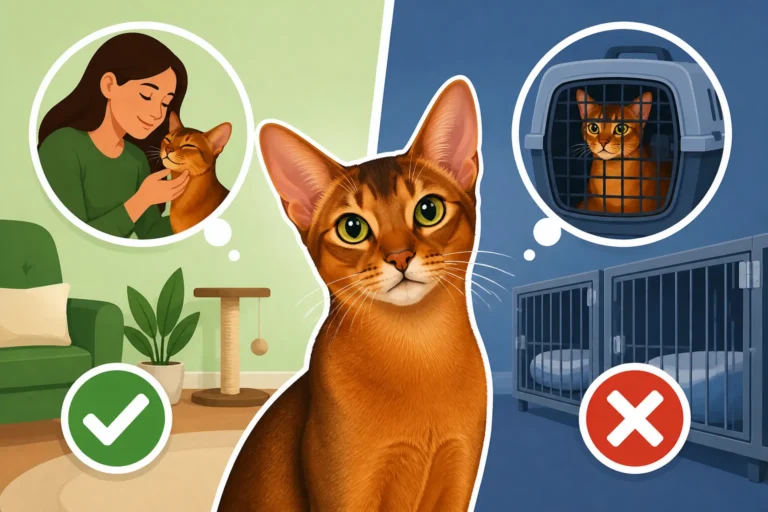
Abyssinian travel care options compared: learn whether a home pet sitter beats a boarding facility for your sensitive cat.
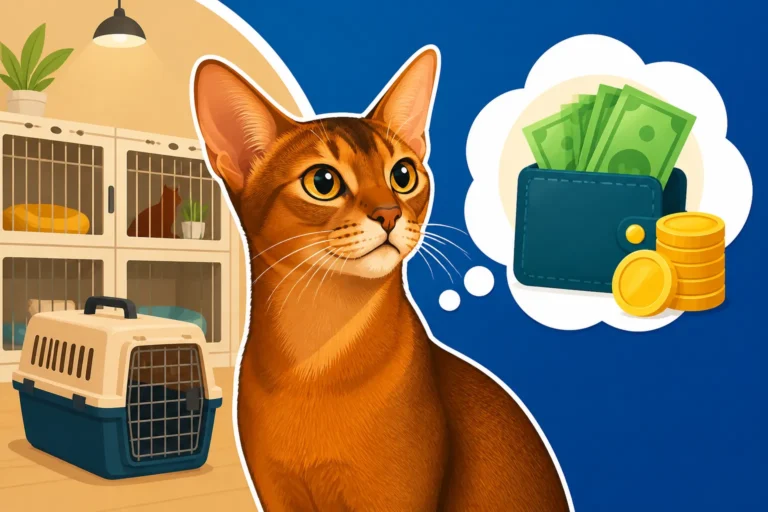
Boarding facility fees, location variables, and extra medical or playtime costs determine weekly expenses for your Abyssinian cat.