What an Abyssinian Carrier Needs to Be
Getting your Abyssinian from point A to point B, whether it's for a routine vet visit or a cross-country move, can feel like a Herculean task if you don't have the right equipment. These clever, energetic, and often opinionated cats don't tolerate confinement lightly, and a flimsy, poorly designed carrier can turn a necessary outing into a stressful ordeal for both of you. This guide is here to help you navigate the myriad options and choose a carrier that genuinely meets the unique needs of your active and intelligent Abyssinian, ensuring their comfort and your peace of mind.
Why a Standard Carrier Just Won't Do for an Abyssinian
If you've ever tried to cram your Abyssinian into a basic plastic carrier meant for a more placid feline, you've likely experienced firsthand the sheer determination and vocal protests they can unleash. Abyssinians aren't your average "sleep-in-a-box" cat; they are constantly observing, moving, and engaging with their environment. Their high energy and boundless curiosity mean they react very differently to enclosed spaces than many other breeds. They need to see what's going on, they need enough space to shift and adjust, and above all, they need to feel secure, not trapped.
The Abyssinian's Unique Temperament and Carrier Challenges
Abyssinians are often described as the "clowns of the cat world" or "miniature cougars" because of their agile, playful, and incredibly intelligent nature. This means they're also notorious escape artists. A standard carrier with flimsy latches or easily bent wire doors is often no match for a determined Abyssinian. They will test every seam, every closure, and every perceived weakness. The frustration of being in an inadequate carrier can quickly escalate into frantic attempts to break free, leading to injury or increased anxiety. It’s not just about getting them into the carrier, it’s about keeping them calmly inside until you reach your destination. Why an Abyssinian Is the Busiest Cat in the House offers more insight into their energetic disposition.
The Importance of Visibility and Ventilation
Imagine being stuck in a small, dark box with minimal airflow, unable to see anything outside. For a cat as observant and socially engaged as an Abyssinian, this can be incredibly distressing. They thrive on knowing what's happening around them. Lack of visibility can trigger panic, leading to excessive meowing or attempts to scratch their way out. Coupled with their naturally higher metabolic rate, especially if they are stressed, good ventilation isn't just a comfort; it's a health necessity. Overheating in a poorly ventilated carrier can be dangerous, especially during warmer weather or longer trips. Their well-being during travel directly correlates to how well their carrier allows them to see and breathe comfortably.
Essential Features for Your Abyssinian's Carrier
Choosing the right carrier is about prioritizing a few key attributes that cater specifically to the Abyssinian's physical and behavioral traits. You want something that offers a balance of security, comfort, and practical functionality for you as the owner. Think of it as a temporary mobile den, not just a box for transport.
Size, Space, and Sturdiness
An Abyssinian, while lean and graceful, is still an active cat. They need a carrier that allows them to stand up fully, turn around without contorting themselves, and ideally, stretch out a bit. A carrier that's too cramped will only exacerbate their feeling of being trapped. However, too large, and they might slide around during movement, which can also cause anxiety or injury. A good rule of thumb is a carrier that's about 1.5 times their body length and height.
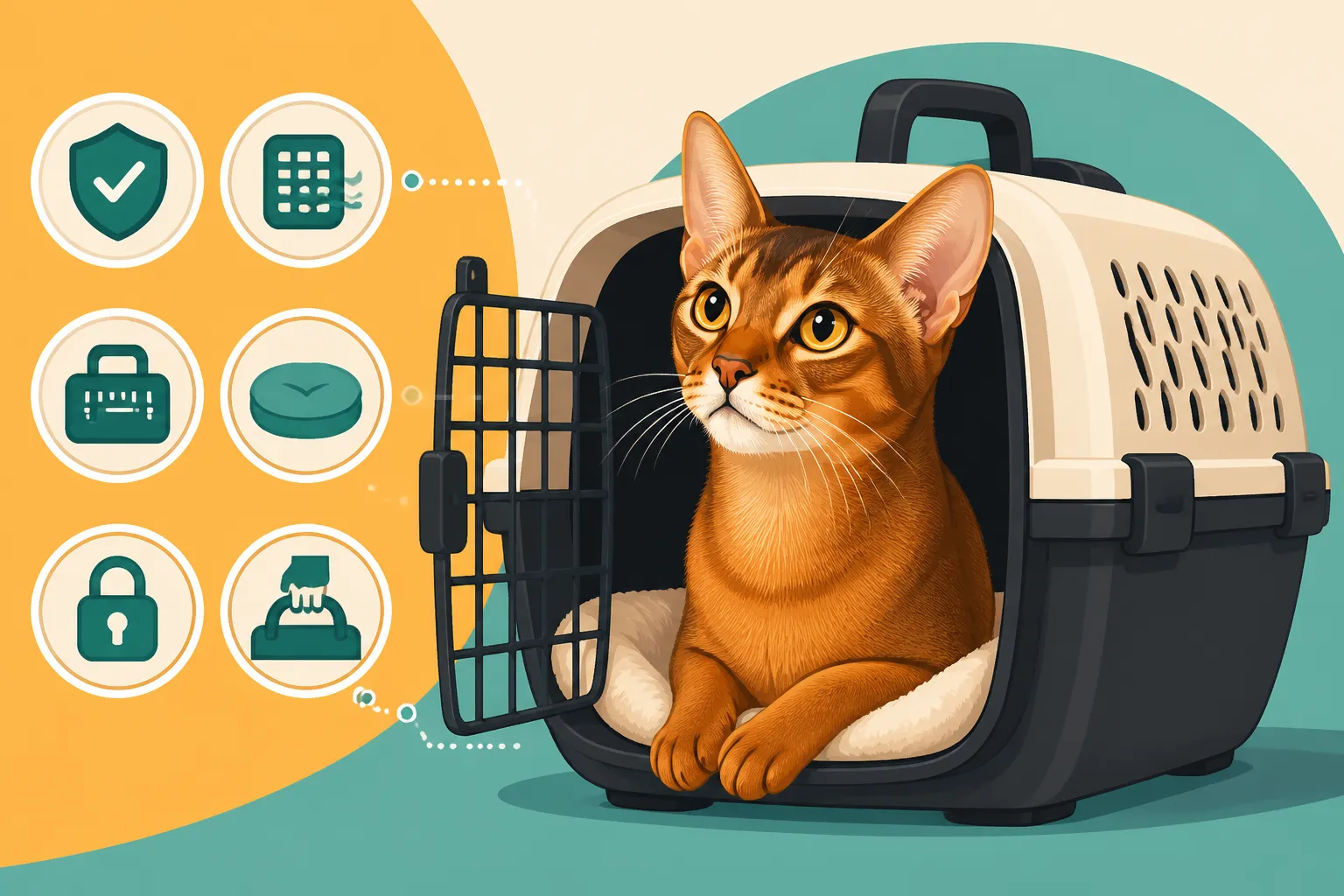
When it comes to sturdiness, this is non-negotiable. Look for carriers made from durable, impact-resistant plastic or high-quality, rip-resistant fabric. For hard-sided carriers, reinforced corners and a solid, non-collapsible construction are vital. Soft-sided carriers should have a strong internal frame and thick, puncture-resistant mesh. The handles should be robust and securely attached, capable of holding your Abyssinian's weight comfortably without straining or snapping. You're investing in peace of mind for potentially many years, as The Twelve to Fifteen Years an Abyssinian Usually Gets means many vet visits and possibly other journeys.
Ventilation and Visibility for the Anxious Traveler
As mentioned, Abyssinians crave sensory input. A carrier with ample mesh windows on multiple sides is crucial. This provides the necessary airflow while allowing your cat to see their surroundings, which can significantly reduce anxiety. Look for carriers with windows on the sides, front, and even the top. However, strike a balance: too many open spaces and they might feel overexposed. Many top-loading carriers offer a good solution, providing a sense of enclosure while still allowing them to peer out.
Beyond just visibility, consider the specific design of the mesh. It should be durable enough to withstand scratching or chewing from a stressed cat. Some carriers feature a combination of solid panels and mesh, which can be ideal for providing a sense of security while still offering crucial sightlines.
Security Features to Thwart the Escape Artist
This is where many standard carriers fall short for an Abyssinian. Their intelligence and agility mean they can often figure out flimsy latches or zippers. Look for carriers with secure, spring-loaded latches or locking mechanisms that require a two-step process to open. If it's a soft-sided carrier, opt for self-locking zippers or ones with carabiner clips that can secure the zipper pulls together. Some carriers even have multiple points of entry, like a front door and a top-loading option, which can be useful for getting a reluctant Abyssinian inside without a wrestling match, but each point needs to be equally secure. A carrier with an escape-proof design is worth its weight in gold when you consider the potential stress and danger of an escaped cat, especially if you're out near traffic. How to Harness Train an Abyssinian Without a Fight demonstrates the need for secure handling even outside the carrier.
Comfort and Cleanliness: Practical Considerations
A carrier isn't just about getting there; it's about the journey itself. Line the carrier with a familiar, soft blanket or towel that carries your Abyssinian's scent. This familiarity can be incredibly soothing. Some carriers come with removable, washable pads, which is a fantastic feature. Accidents happen, especially with stressed cats, so an easily cleanable interior is a must. Look for carriers made of materials that can be wiped down quickly or have components that can be thrown into the washing machine. You might also want to consider a carrier that can accommodate a small, spill-proof water bowl if you're embarking on a longer journey. When considering what your What an Abyssinian Costs Over Fifteen Years will include, remember that replacing a cheap, hard-to-clean carrier repeatedly adds up.
Types of Carriers Best Suited for Abyssinians
The market is flooded with different carrier designs, each with its own pros and cons. Understanding which type best suits your Abyssinian and your specific needs is key to making a wise investment.
Hard-Sided Carriers: The Tried and True Option
Hard-sided carriers, typically made of durable plastic, are often the go-to for many cat owners, and for good reason. They offer superior protection, are incredibly sturdy, and are generally easier to clean if accidents occur. For an Abyssinian, their rigid structure prevents collapse, which is crucial for a cat that might try to push its way out. Many also feature robust, secure latches and excellent ventilation through side and front grates.
Pros:
- Maximum Protection: The hard shell provides excellent safety during car travel, protecting your Abyssinian from bumps or minor impacts.
- Superior Security: Hard plastic doors with strong latches are much harder for a clever Abyssinian to manipulate or break open.
- Easy to Clean: Non-porous plastic can be disinfected and wiped down thoroughly, a huge plus if your cat gets carsick or has an anxiety-induced accident.
- Good for Anxious Cats: The solid sides can offer a sense of security, much like a den, once your Abyssinian is accustomed to it.
- Top-Loading Options: Many hard carriers now come with a top-loading door, which can make it significantly easier to get a squirmy Abyssinian inside without force or stress.
Cons:
- Bulky: They can be cumbersome to carry, especially larger sizes, and take up more storage space.
- Less Comfortable (initially): Without a soft liner, they can feel less inviting. Always add a comfortable blanket or towel.
- Limited Visibility: While they have grates, the solid sides limit peripheral vision, which some Abyssinians might find unsettling initially.
For routine vet visits, especially if your Abyssinian isn't a fan of the car, a sturdy, top-loading hard-sided carrier from a reputable brand available on sites like Chewy is often the best choice. This ensures that the journey to What an Abyssinian's Annual Checkup Costs is as smooth as possible.
Soft-Sided Carriers: Comfort and Portability
Soft-sided carriers are generally made from fabric, often with mesh panels, and feature a more flexible structure. They are lighter and can be more comfortable for short trips, offering a cozier, less intimidating feel.
Pros:
- Lightweight and Portable: Easier to carry and often fold flat for storage.
- Increased Visibility and Airflow: Lots of mesh panels usually mean better views for your curious Abyssinian and ample ventilation.
- Comfortable: The soft interior can be more inviting, especially if lined with a familiar blanket.
- Airline Approved: Many soft-sided carriers are designed to fit under airplane seats, making them ideal for air travel.
Cons:
- Less Protection: They offer less impact protection than hard carriers.
- Potential for Escape: If not well-made, zippers can be forced, and mesh can be chewed through by a determined Abyssinian. Look for strong, self-locking zippers and durable mesh.
- Harder to Clean: Fabric can absorb odors and stains, making deep cleaning more challenging.
- Can Collapse: A flimsy soft-sided carrier might sag, making your cat feel insecure.
When choosing a soft-sided carrier for your Abyssinian, prioritize quality construction. Look for strong, thick mesh, durable zippers (perhaps with a locking mechanism or a spot for a carabiner clip), and a firm, non-collapsible bottom. Brands that specialize in pet travel gear often offer models that meet these higher standards.
Backpack and Wheeled Carriers: Niche Solutions
These types of carriers offer specialized functionality for specific situations.
Backpack Carriers:
These are worn on your back, freeing up your hands. They're great for situations where you might be walking longer distances or need both hands free. For an Abyssinian, look for one that's spacious, offers excellent ventilation, and has a sturdy, non-collapsing interior. Some even have a bubble window, which your naturally curious Abyssinian might enjoy for external viewing.
Pros: Hands-free, often good ventilation and visibility, novel experience for adventurous Abyssinians.
Cons: Can be less stable for the cat inside, potential for motion sickness if not used to it, might not be suitable for larger Abyssinians.
Wheeled Carriers:
Essentially a carrier on wheels, these are fantastic for moving heavy cats through airports or train stations.
Pros: Reduces strain on your back, can often accommodate larger cats, good for long walks on flat surfaces.
Cons: Can be bumpy for the cat, not suitable for stairs or rough terrain, can be quite bulky.
For most Abyssinian owners, a high-quality hard-sided carrier for car travel and vet visits, supplemented by a robust soft-sided carrier for shorter, more casual outings or potential airline travel, provides the most versatile solution.
| Feature / Carrier Type | Hard-Sided | Soft-Sided | Backpack / Wheeled |
|---|---|---|---|
| Protection | Excellent | Moderate | Moderate |
| Security | High | Medium-High | Medium-High |
| Visibility | Moderate | High | High (often) |
| Ventilation | Good | Excellent | Excellent (often) |
| Ease of Cleaning | Very Easy | Moderate | Moderate |
| Portability | Low | High | Very High |
| Ideal Use | Car, Vet | Short trips, Air travel | Long walks, Airports |
| Abyssinian Suitability | Excellent | Good (if sturdy) | Situational (if sturdy and well-ventilated) |
Making the Carrier a Positive Place for Your Abyssinian
Even the best carrier won't be effective if your Abyssinian associates it with fear or stress. A proactive approach to carrier training is vital for these sensitive and intelligent cats. You want them to view their carrier as a safe, comfortable den, not a terrifying trap.
Desensitization and Positive Reinforcement
Start early, ideally when your Abyssinian is a kitten. Place the carrier in a prominent, accessible area of your home, not tucked away in a closet. Leave the door open, allowing your cat to explore it at their own pace. Make it inviting by placing soft bedding, favorite toys, or treats inside. Let them sleep in it, play in it, and discover that it's just another piece of furniture. What an Abyssinian Kitten's First Year Looks Like is the perfect time to start this training.
Once they're comfortable going in and out, begin short training sessions. Lure them into the carrier with a treat, close the door for a few seconds, give them another treat, and immediately open it. Gradually increase the time the door is closed. Associate the carrier with positive experiences, such as feeding them a special treat or giving them a puzzle feeder only when they are inside the carrier. This helps build a positive association and reduces anxiety when the time comes for an actual trip.
Familiarity, Routine, and Comfort Items
Abyssinians thrive on routine and familiarity. Before any trip, make sure the carrier is clean and smells of home. Place their favorite blanket, a worn t-shirt with your scent, or a beloved toy inside. Some owners even use feline pheromone sprays in the carrier about 15-20 minutes before travel to help calm their cats.
If your Abyssinian is particularly anxious, practice short "dummy runs." Place them in the carrier, take them to the car, sit for a few minutes, maybe even start the engine, and then bring them back inside. Keep these experiences brief and positive, always ending with a treat and praise. This helps them get used to the sounds and motions associated with travel without the stress of an actual destination.
Remember, Abyssinians are smart. They pick up on your cues. If you're stressed and frantic, they will be too. Stay calm, speak in soothing tones, and make the carrier experience as seamless as possible. Considering pet insurance options like Healthy Paws, which can cover unexpected vet visits, can also alleviate some owner stress, allowing you to focus on your cat's comfort during travel.
Long-Term Carrier Preparedness
Even if your Abyssinian only travels for annual vet check-ups, maintaining a positive relationship with their carrier is an ongoing effort. Don't let the carrier gather dust between uses. Occasionally leave it out, pop a new toy or treat inside, and allow them to explore it. This constant reinforcement helps prevent regression and ensures that when an unexpected trip arises, your Abyssinian will be more prepared. The goal is for the carrier to be a familiar, safe haven rather than a source of dread. This proactive approach will benefit both you and your Abyssinian throughout their long and active life. What an Old Abyssinian Needs Once It Stops Jumping or Caring for an Abyssinian Past Ten might involve more frequent vet trips, making this training even more invaluable later in life.
Disclaimer
This article is for general informational purposes only and does not constitute professional advice. Laws, prices and regulations vary by location and change over time. Consult a qualified professional for guidance on your specific situation.