What a Month of Fluids Costs an Abyssinian Owner
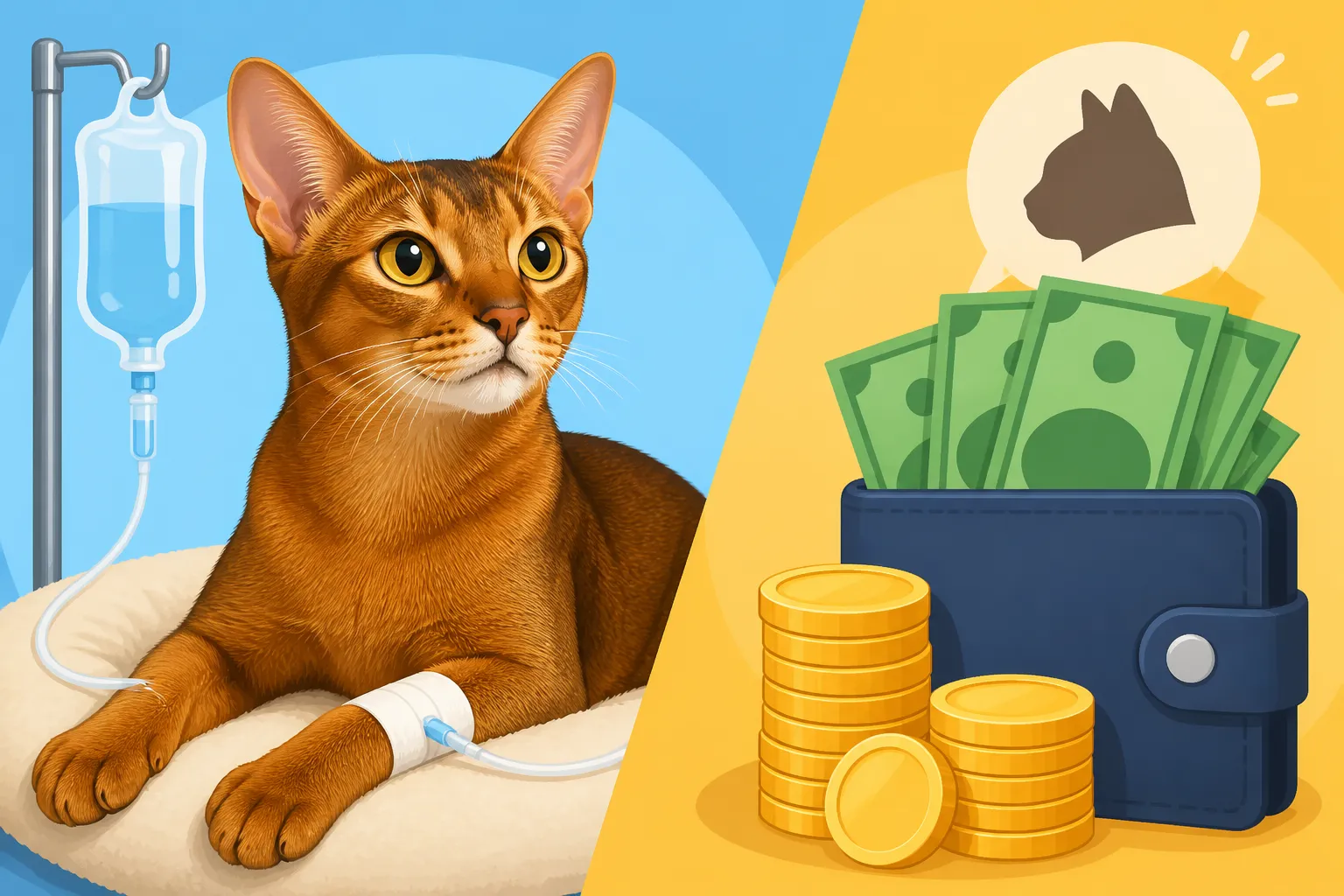
Facing the news that your vibrant Abyssinian needs ongoing fluid therapy can be incredibly overwhelming. Beyond the emotional weight of a serious diagnosis, the practicalities of daily care, especially the financial commitment, can feel like a mountain to climb. This guide is here to walk you through what a month of at-home subcutaneous fluids might actually cost an Abyssinian owner, offering a realistic look at the expenses and how to navigate them, so you can focus on giving your beloved cat the best possible quality of life.
Understanding Why Your Abyssinian Needs Subcutaneous Fluids
When a vet recommends subcutaneous fluids for your Abyssinian, it's a clear sign that their body isn't able to maintain proper hydration on its own. This isn't just about a thirsty cat; it's about supporting vital organ function, most commonly the kidneys. Abyssinians are known for their athleticism and zest for life, which can sometimes mask underlying health issues until they become quite advanced. The need for fluid therapy often comes hand-in-hand with chronic conditions that slowly diminish their body's ability to self-regulate.
The Underlying Conditions Driving Fluid Therapy
The most common reason an Abyssinian, or any cat, needs regular subcutaneous fluids is chronic kidney disease (CKD). This is a progressive condition where the kidneys gradually lose their ability to filter waste products from the blood and conserve water. For Abyssinians, there's a particular concern with Renal Amyloidosis Is the Abyssinian Problem Nobody Can Test For, a hereditary condition where abnormal proteins deposit in the kidneys, leading to premature kidney failure. If your Abyssinian is diagnosed with this, fluids become a cornerstone of their long-term management, aiming to flush out toxins and keep them hydrated.
Beyond chronic kidney disease, fluids might be prescribed for acute dehydration stemming from other illnesses, such as severe gastroenteritis, pancreatitis, or even diabetic ketoacidosis. In these cases, the fluids are a temporary but critical intervention to stabilize your cat. However, for chronic conditions like CKD, fluid therapy becomes a regular, often daily, part of your cat's routine, helping to mitigate the symptoms and slow the disease's progression. It can be heartbreaking to see your energetic companion slowing down, and understanding What Kidney Failure Looks Like in a Young Abyssinian can help you recognize the signs and seek intervention early.
The Importance of Early Intervention and Regular Treatment
Once kidney disease or another chronic condition advances to the point where fluid therapy is needed, consistency is absolutely key. Missing fluid treatments can lead to a rapid decline in your Abyssinian's health, making them feel lethargic, nauseated, and even more dehydrated. Regular administration helps maintain electrolyte balance, supports kidney function by increasing urine output, and generally makes your cat feel much better. Think of it as a life-sustaining measure that truly impacts their day-to-day comfort and energy levels. It's a commitment, no doubt, but one that directly translates to more good days with your beloved pet. Your vet will work with you to establish a routine for How a Vet Manages an Abyssinian in Kidney Failure that fits both your Abyssinian's needs and your schedule.
Breaking Down the Cost Components of At-Home Fluid Therapy
So, what exactly goes into the monthly bill for keeping your Abyssinian hydrated at home? It's more than just the bags of fluid themselves. You'll need equipment, professional guidance, and ongoing veterinary oversight to ensure the treatment is effective and safe. These costs can fluctuate based on where you live, your veterinary clinic's pricing, and how often your Abyssinian needs fluids.
Initial Setup Costs: Supplies and Training
Before you even start, there’s an initial investment in getting set up. Your veterinarian will typically provide the first batch of supplies and, crucially, teach you how to administer the fluids safely and effectively. This training session is invaluable; it covers everything from proper needle insertion to ensuring the fluid flows correctly. This initial consultation will have a fee, similar to a regular office visit, but possibly longer.
The supplies you'll need include:
- Fluid Bags: These usually come in 1000ml (1-liter) or 500ml sizes. The most common types are Lactated Ringer's Solution (LRS) or 0.9% Sodium Chloride (saline). Your vet will prescribe the specific type and amount.
- Administration Sets (IV Lines): These are the tubes that connect the fluid bag to the needle. They usually include a drip chamber and a roller clamp to control the flow rate.
- Needles: These are typically sterile, disposable needles. Your vet will recommend a gauge (size) that is appropriate for your Abyssinian – often a smaller gauge for comfort.
- Other Supplies: Alcohol wipes for sanitizing, potentially cotton balls, and a comfortable setup for your cat.
Some clinics might sell you a starter kit. Others will write a prescription, allowing you to purchase fluids and supplies from a veterinary pharmacy or online retailers. Large pet supply sites like Chewy and specialty vet pharmacies often stock these items, and comparing prices can sometimes yield savings once you have a prescription.
Ongoing Monthly Expenses for Fluids and Consumables
After the initial setup, the recurring costs primarily revolve around replenishing your fluid bags and administration sets. The frequency of fluid administration directly impacts your monthly expenditure. A cat receiving 100ml every other day will go through fluid bags much slower than one receiving 150ml daily.
Let's look at the shape of these costs:
- Fluid Bags: These are the bulk of your ongoing cost. A 1000ml bag might last anywhere from a few days to a week or more, depending on the prescribed volume. Prices per bag can vary.
- Administration Sets: These should ideally be replaced weekly or bi-weekly to ensure sterility and prevent clogging, even if they appear clean.
- Needles: A fresh, sterile needle is required for every single fluid administration. You'll be buying these in boxes of 100 or more.
To give you a clearer picture, here’s a simplified breakdown of typical monthly supplies for an Abyssinian needing daily fluids (e.g., 100-150ml/day), though actual costs will vary:
| Item | Quantity Needed (Approx. per Month) | General Cost Shape (per unit) |
|---|---|---|
| 1000ml Fluid Bags | 3-5 | Moderate |
| Administration Sets | 2-4 | Low to Moderate |
| Needles (18-20 gauge) | 30-31 | Very Low |
| Alcohol Wipes | 1 box | Very Low |
Remember, these are consumable items. Brands like Healthy Paws, while an insurer, highlight the importance of regular veterinary care which might include these ongoing needs if they're covered under a policy. When you're ready to order, retailers like Chewy often provide subscriptions or bulk discounts, which can ease the burden slightly.
Associated Veterinary Visits and Monitoring
Fluid therapy isn't a "set it and forget it" solution. Your Abyssinian will require regular check-ups to monitor their response to treatment and to adjust the fluid regimen as needed. These visits are critical for assessing kidney function, electrolyte levels, and overall health.
Typical monitoring might include:
- Physical Exams: To check hydration, weight, coat condition, and general well-being.
- Bloodwork: Regular blood tests are essential. Your vet will be looking at values like creatinine, BUN, and phosphorus, but also How the SDMA Value Reads on an Abyssinian. SDMA (Symmetric Dimethylarginine) is a kidney marker that can detect kidney disease earlier than traditional values, making it a crucial tool. Which Blood Values Catch an Abyssinian's Kidneys Early is a fantastic resource for understanding what these numbers mean.
- Urine Tests: To assess urine concentration and look for protein loss.
- Blood Pressure Checks: High blood pressure can be a complication of kidney disease.
These monitoring appointments can range from quarterly to every few months, depending on the severity of your Abyssinian's condition. Each visit will incur a consultation fee, and the diagnostic tests will add to the bill. While these aren't monthly fluid costs, they are an inseparable part of managing the condition that necessitates fluid therapy.
Strategies to Manage the Financial Burden
Let's be realistic: managing a chronic illness like kidney disease in an Abyssinian is a significant financial undertaking. It's completely normal to feel overwhelmed by the projected costs. However, there are strategies you can employ to make it more manageable and ensure your furry family member gets the care they need without breaking the bank.
Exploring Pet Insurance and Wellness Plans
Pet insurance can be a lifesaver for unexpected illnesses and accidents, but its role in chronic conditions like kidney disease depends heavily on when you enrolled your Abyssinian. Most pet insurance policies consider pre-existing conditions ineligible for coverage. This means if your Abyssinian was diagnosed before you got insurance, the fluid therapy and associated kidney care likely won't be covered. This makes understanding Whether Pet Insurance Is Worth It for an Abyssinian a crucial step early in their life.
However, if your Abyssinian was insured before any signs of kidney disease emerged, then the ongoing costs of fluids, veterinary visits, and diagnostic tests could be covered, significantly reducing your out-of-pocket expenses. Companies like Healthy Paws are known for comprehensive coverage, but always read the fine print regarding chronic conditions and waiting periods.
Wellness plans, often offered by veterinary clinics or third-party providers, are different. These plans typically cover routine preventative care like annual exams, vaccinations, and basic bloodwork. While they might include some diagnostic tests that help monitor a chronic condition, they generally won't cover the cost of ongoing medications or fluid supplies. It's important to differentiate between insurance (for unforeseen illness/injury) and wellness plans (for routine care).
Sourcing Supplies Economically
Once you have a prescription from your veterinarian, you have options for where to buy your fluid supplies. Don't be afraid to ask your vet for a written prescription so you can shop around.
- Veterinary Clinic: Your clinic will always have the supplies on hand, which is convenient, especially when you're just starting out or in an emergency. However, their prices might be higher than other sources due to their overhead.
- Online Veterinary Pharmacies: Websites specializing in pet medications and supplies can often offer more competitive pricing for fluid bags, administration sets, and needles. Sometimes they run promotions or offer discounts for larger orders.
- General Online Pet Retailers: Some large online retailers like Chewy might carry specific fluid types and most of the necessary supplies, often with options for subscription services that can save you a percentage on recurring orders.
- Buying in Bulk: If you know your Abyssinian will need fluids long-term, purchasing a larger quantity of fluid bags and needles (with your vet's approval, ensuring expiration dates are suitable) can sometimes reduce the per-unit cost.
Always compare not just the unit price but also shipping costs and delivery times. When considering a different supplier, always verify that the product matches your vet's prescription exactly.
The Value of Home Administration vs. Clinic Visits
One of the biggest cost savings comes from administering fluids at home. If your Abyssinian needed daily fluid injections at the veterinary clinic, the costs would quickly skyrocket. Each clinic visit for fluids would incur a service charge, potentially an examination fee, and then the cost of the fluids themselves. This can quickly add hundreds, if not thousands, to your monthly bill.
By learning to give fluids at home, you're essentially taking on the labor aspect, which significantly reduces the cost to just the supplies. Your vet's initial training fee is a one-time investment that pays for itself many times over in the long run. Most Abyssinians, with patience and positive reinforcement, adapt well to the routine. They might even come to associate it with a treat or special attention, making the process less stressful for both of you. It's a huge time commitment, sure, but the financial relief and the comfort of treating your cat in their familiar environment are invaluable.
Beyond the Financial: The Emotional and Time Investment
While focusing on the monetary cost is necessary, it’s equally important to acknowledge the emotional and time investment involved in caring for an Abyssinian that requires ongoing fluid therapy. These aspects are often overlooked but are just as significant as the financial burden.
The Daily Routine and Time Commitment
Administering fluids isn't a quick task. Each session requires preparation, administration, and comforting your cat. Depending on the volume of fluid prescribed, a session can last anywhere from 10 to 30 minutes, sometimes longer. If your Abyssinian needs fluids daily, that's 10-30 minutes, seven days a week, often for the remainder of their life.
This routine needs to be integrated into your busy schedule. You might find yourself planning your day around "fluid time" – waking up earlier, rushing home from work, or delaying evening plans. It becomes a daily ritual that impacts family members, especially if multiple people share the responsibility. This consistent commitment highlights Why an Abyssinian's Kidneys Make Water Intake Matter so much, as proactive care can delay the need for such intensive interventions.
However, many Abyssinian owners find that this dedicated time fosters an even deeper bond with their cat. The gentle handling, the quiet moments, and the direct care can be incredibly rewarding. It's a testament to the love and commitment we have for our pets.
Maintaining Your Abyssinian's Quality of Life
The ultimate goal of fluid therapy is to maintain or improve your Abyssinian's quality of life. It’s not about merely extending their life, but extending their good life. An Abyssinian thrives on activity, curiosity, and interaction. When they're feeling unwell due to kidney disease or dehydration, their natural sparkle diminishes. Fluids can bring back some of that energy, reduce nausea, and help them feel more like their vibrant selves.
This commitment to daily care can allow your Abyssinian to enjoy more of their typical The Twelve to Fifteen Years an Abyssinian Usually Gets, continuing their playful antics and exploring their environment. As Abyssinians age, especially past ten, their needs often increase, and fluids can be a critical component of Caring for an Abyssinian Past Ten. It allows them to maintain their weight, appetite, and their unique spirited personality for as long as possible. The emotional toll on owners is real; it's okay to feel stressed or tired. But seeing your Abyssinian perk up after a fluid session, watching them chase a toy, or enjoy a meal, often makes every minute and every penny feel worthwhile.
Disclaimer
This article is for general informational purposes only and does not constitute professional advice. Laws, prices and regulations vary by location and change over time. Consult a qualified professional for guidance on your specific situation.