Caring for an Abyssinian Past Ten
The Abyssinian is famous for its boundless energy and playful spirit, often leading us to believe they’ll stay spry kittens forever. However, even these vibrant cats gracefully enter their golden years, typically starting around ten years old. This stage of life brings a unique set of challenges and needs that, as their caretakers, we must be prepared to address to ensure they remain comfortable, happy, and healthy for as long as possible. This comprehensive guide will walk you through everything you need to know about caring for your beloved senior Abyssinian.
Recognizing the Subtle Signs of Aging in Your Abyssinian
One of the trickiest parts of caring for an Abyssinian as they age is that their innate energy often masks the early signs of decline. These are cats who are masters of hiding discomfort, so paying close attention to nuanced shifts in their routine and demeanor is absolutely critical. It’s not about waiting for obvious signs of illness, but noticing those tiny deviations that whisper of change.
Shifting Energy Levels and Activity Patterns
You might start to notice your once-relentless shadow isn't quite so insistent on supervising every single chore. Maybe those high-flying leaps to the top of the bookshelf are now followed by a moment of hesitation, or perhaps they opt for the middle shelf instead of the very pinnacle. This isn't laziness; it’s often the first subtle hint that their joints aren't as springy as they once were, or that their stamina has begun to wane. You might observe them sleeping more deeply and for longer stretches, especially during the day, where they once might have been found surveying their domain from a sunny window perch.
It’s easy to dismiss these changes as simply "calming down," but for an Abyssinian, who is often described as the "clown of cats" and renowned for their activity, even a slight reduction in their usual frenetic pace is significant. Keep a keen eye on their interactions with toys – do they still chase the wand toy with the same gusto, or do they tire more quickly? Do they still initiate play as frequently? These small shifts are your cues. Understanding What an Old Abyssinian Slows Down From can help you interpret these changes accurately and differentiate normal aging from potential underlying health issues.
Changes in Appetite, Thirst, and Elimination Habits
As Abyssinians get older, their metabolism can change, impacting how much they eat and drink. You might find their appetite decreases, or perhaps they become pickier about their food. Conversely, an increase in thirst is a major red flag that should never be ignored. Many age-related conditions, particularly kidney issues or hyperthyroidism, can manifest as increased water consumption. If your Abyssinian is suddenly draining their water bowl faster than usual, it's time for a vet visit, even if they seem otherwise fine. Owners are often surprised to learn that Why a Thirsty Young Abyssinian Is a Red Flag also applies with even greater urgency to their senior companions.
Beyond just thirst, keep an eye on their litter box habits. Are they urinating more frequently or in larger volumes? Are there any changes in stool consistency or frequency? Accidents outside the litter box aren't usually defiance in an older cat; they often signal either joint pain making it difficult to get into the box, or a medical issue like a urinary tract infection or kidney disease. Even minor changes, such as straining to urinate or defecate, warrant immediate veterinary attention. Tracking these subtle indicators can be invaluable in catching problems early.
Tailoring Nutrition for the Senior Abyssinian
Just like humans, as Abyssinians age, their dietary needs evolve. What worked perfectly for a youthful, high-energy cat might not be ideal for a senior who is slowing down, or who might be grappling with emerging health concerns. The goal is to provide balanced nutrition that supports their changing metabolism, maintains muscle mass, and helps mitigate age-related diseases.
Adjusting Caloric Intake and Protein Needs
A common misconception is that older cats need less protein. In reality, senior cats, especially Abyssinians who have always been lean and muscular, often require higher quality, easily digestible protein to maintain muscle mass and prevent sarcopenia (age-related muscle wasting). However, their caloric needs often decrease because they're typically less active. It's a delicate balance. Giving them too many calories can lead to unhealthy weight gain, which puts extra strain on aging joints.
You might notice Why an Old Abyssinian Needs Fewer Calories After Twelve is a recurring theme among senior cat advice. The key is to provide nutrient-dense food that supports their body without overfeeding. Look for senior-specific cat foods that are formulated with higher protein-to-calorie ratios and are highly digestible. Frequent, smaller meals throughout the day can also help keep their metabolism steady and prevent overeating at one sitting. For senior Abyssinians, maintaining their ideal body weight is crucial, as Why a Lean Abyssinian Hides Illness Longer Than a Heavy Cat can make it harder to spot issues, but conversely, excess weight compounds issues like arthritis.
Prioritizing Hydration and Kidney Support
Kidney disease is a widespread concern in aging felines, including Abyssinians, and proper hydration is one of the most impactful ways we can support kidney health. Many older cats simply don't drink enough water, especially if they are primarily on a dry kibble diet. This makes it crucial to actively encourage water intake. Consider switching to a wet food diet entirely, or at least incorporating a significant amount of wet food into their meals. The added moisture can make a tremendous difference in supporting kidney function.
Beyond wet food, try offering multiple water sources. Many Abyssinians love running water, so a pet fountain can be a fantastic investment. Place water bowls in various locations around the house, ensuring they are easily accessible and don't require your cat to jump or climb. Adding a splash of tuna juice or low-sodium chicken broth to their water can also entice them to drink more. Regular monitoring of kidney values through blood tests is vital, and understanding How an Old Abyssinian's Kidneys Are Monitored will guide your conversations with your vet about proactive care. Brands like Healthy Paws, which offers comprehensive pet insurance, can provide peace of mind for the diagnostic tests and ongoing treatments often associated with kidney disease.
Proactive Health Management: Common Senior Ailments
Aging brings with it an increased risk of certain health conditions. Being proactive and understanding the common ailments that affect senior Abyssinians allows you to catch them early, manage symptoms effectively, and ensure your cat's quality of life remains high.
Addressing Arthritis and Mobility Challenges
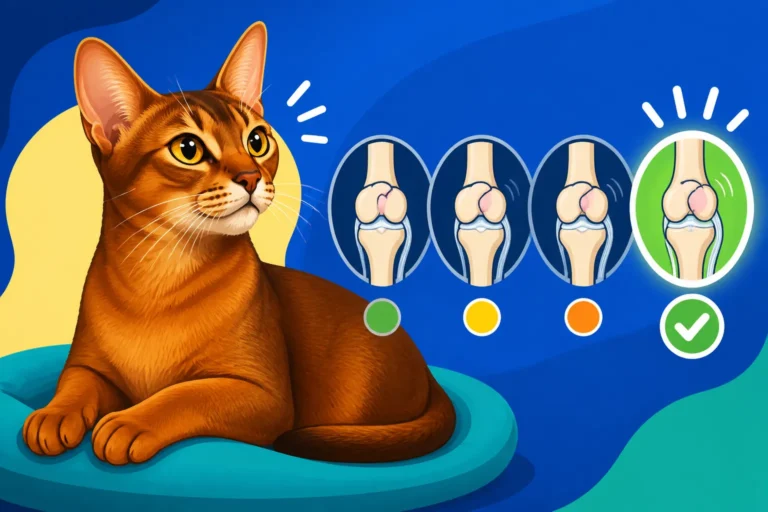
Arthritis is an incredibly common, yet often underdiagnosed, condition in older cats. They are stoic creatures, and rather than limping visibly, they might simply reduce their activity, avoid jumping as high, or become less enthusiastic about play. If you notice your Abyssinian struggling to get onto their favorite perch, hesitating before jumping down, or becoming a little stiff after naps, arthritis is a strong possibility. How Arthritis Shows in an Abyssinian That Used to Climb often isn't as dramatic as a dog's limp; it's more about subtle reluctance.
Your veterinarian can diagnose arthritis through a physical examination and, sometimes, X-rays. Management often involves a multi-pronged approach. This can include supplements like glucosamine and chondroitin, Omega-3 fatty acids, and in some cases, prescribed pain relief medications. It's important to discuss What Pain Relief an Arthritic Abyssinian Can Take with your vet, as many human pain medications are toxic to cats. Creating an environment that accommodates their reduced mobility, such as providing ramps or lower steps, also plays a crucial role in their comfort.
Understanding and Monitoring Thyroid Function
Hyperthyroidism is another common age-related disease in cats, typically affecting those over the age of eight. It occurs when the thyroid gland produces too much thyroid hormone, speeding up the cat's metabolism. Despite eating more, affected cats often lose weight, become restless, and can develop a dull coat or digestive issues. You might wonder Why Hyperthyroidism Catches an Older Abyssinian, but the exact cause isn't fully understood; however, early detection is key to successful management.
If you notice any combination of increased appetite, weight loss, restlessness, increased vocalization, or a rapid heart rate, consult your vet. A simple blood test can diagnose hyperthyroidism. Treatment options range from medication to radioactive iodine therapy or even surgery, depending on the individual cat and the severity of the condition. Regular monitoring of thyroid levels is essential once a diagnosis is made to ensure the treatment is effective and adjusted as needed.
Maintaining Oral Health as They Age
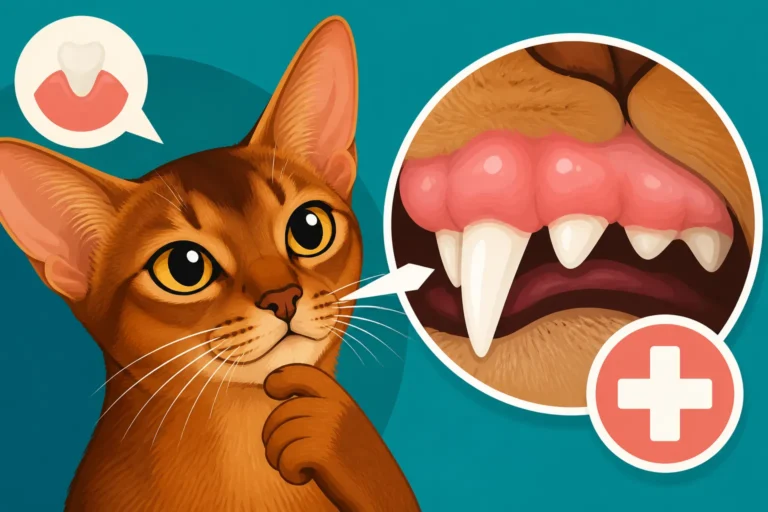
Dental disease is prevalent in nearly all senior cats, and Abyssinians are particularly prone to certain gum issues like juvenile gingivitis and tooth resorption, which can worsen with age. Left untreated, dental disease is incredibly painful and can lead to serious systemic health problems as bacteria from the mouth enter the bloodstream. Bad breath, difficulty eating, drooling, or pawing at the mouth are all signs that your Abyssinian might be experiencing dental pain. Even if your cat seems to be eating normally, they could be suffering silently.
Regular professional dental cleanings under anesthesia are the gold standard for maintaining oral health. Many owners are concerned about anesthesia in older cats, but modern veterinary protocols make it very safe, especially with pre-anesthetic blood work. Discuss with your vet How Often an Abyssinian Needs Its Teeth Cleaned and what home dental care, like brushing, you can realistically maintain. While dental treats can help, they are not a substitute for professional veterinary care. Addressing dental pain significantly improves an older cat's quality of life and overall health.
| Common Senior Abyssinian Health Concerns | Key Signs to Watch For | Typical Veterinary Approach |
|---|---|---|
| Arthritis | Reduced jumping, stiffness, hesitation, less grooming, irritability | Pain medication, joint supplements, environmental modifications, laser therapy |
| Kidney Disease | Increased thirst/urination, weight loss, poor coat, decreased appetite, nausea | Kidney-specific diet, increased hydration, fluid therapy, blood pressure management |
| Hyperthyroidism | Weight loss despite increased appetite, restlessness, increased vocalization, rapid heart rate | Medication, radioactive iodine therapy, surgery, special diet |
| Dental Disease | Bad breath, difficulty eating, drooling, pawing at mouth, swollen gums, weight loss | Professional dental cleaning (scale & polish), extractions, pain relief |
| Cognitive Dysfunction | Disorientation, changes in sleep-wake cycle, increased vocalization, altered interactions | Environmental enrichment, supplements (e.g., Omega-3s), medication |
| Weight Changes | Sudden weight loss (illness) or gain (overfeeding/low activity) | Dietary adjustment, investigation of underlying medical causes |
Adapting the Home Environment for Comfort and Safety
As your Abyssinian moves into their senior years, their world might start to shrink if you don't make conscious adjustments to their environment. What was once an effortless climb or leap can become a painful barrier. Thoughtful modifications can make a huge difference in their daily comfort, independence, and overall happiness.
Creating Accessible Climbing and Resting Spots
Abyssinians are natural climbers. Even in their senior years, many will still attempt to reach their favorite high perches, but the effort might be too much, or a misstep could lead to injury. You might notice Why an Old Abyssinian Stops Using the Top Shelf and starts opting for lower spots. This isn't because they've lost their desire to be high up, but often because their bodies can no longer manage the ascent or descent comfortably.
To help them, consider providing ramps or sets of smaller, sturdy steps leading up to their favorite window sills, cat trees, and human furniture. Ensure these steps are stable and covered with a non-slip material. Lower their preferred resting spots, or add extra beds at accessible heights. A heated cat bed can be a wonderful comfort for aging joints, especially during colder months. Remember, their world should expand, not contract, with age, and Why an Old Abyssinian Needs Lower Steps is a key consideration for maintaining their beloved vertical spaces safely.
Ensuring Easy Access to Essentials
Everything your senior Abyssinian needs should be within easy reach and require minimal effort. Their food and water bowls should be placed on the main floor, away from high-traffic areas where they might be startled, and where they don't need to jump or navigate obstacles. If you have a multi-level home, consider having multiple food and water stations. Raised bowls can also be beneficial for cats with neck or joint pain, making it more comfortable for them to eat and drink.
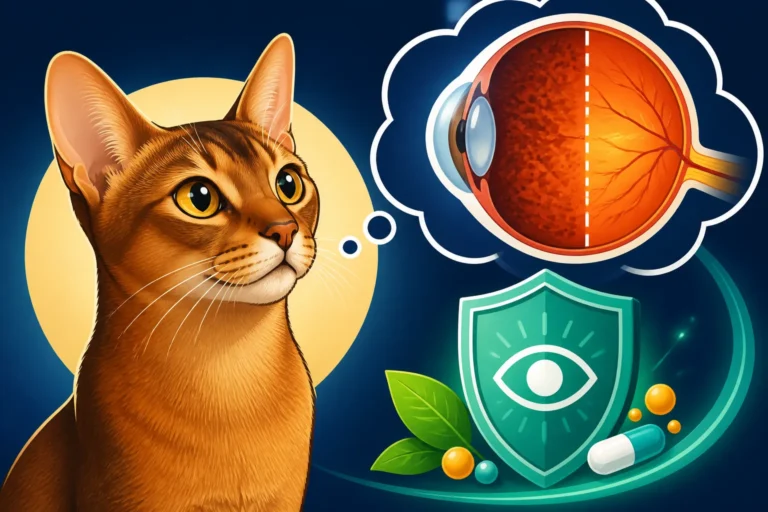
Litter boxes are another critical area. Ensure your senior Abyssinian has multiple litter boxes, at least one on each floor of your home, and that they have low sides for easy entry and exit. Traditional high-sided boxes can become impossible for an arthritic cat to navigate, leading to accidents. If your cat has vision impairment, keep litter boxes, food, and water in consistent locations and avoid moving furniture around excessively. Providing a consistent and comfortable environment is crucial for reducing stress and maintaining their routine.
The Evolving Role of Veterinary Care
Regular veterinary care becomes even more paramount as your Abyssinian enters their senior years. While annual check-ups were sufficient for much of their life, the golden years often call for a more frequent and in-depth approach to monitoring their health.
Comprehensive Senior Wellness Exams
Once your Abyssinian hits ten, consider transitioning to twice-yearly veterinary visits. So much can change in a cat's health within six months, and these more frequent check-ups allow for earlier detection of potential problems. These aren't just routine visits; they should be comprehensive senior wellness exams. Your vet will pay extra attention to their weight, muscle condition, dental health, heart and lung sounds, and palpate their abdomen for any abnormalities. They’ll also carefully assess their mobility and discuss any subtle changes you've observed at home.
These visits are also a prime opportunity for you to ask questions and share detailed observations about your cat's behavior, appetite, and habits. Don't be shy about mentioning even tiny changes; what seems insignificant to you might be a crucial clue for your veterinarian. Remember, you know your cat best, and your insights are invaluable.
Diagnostic Testing and Early Disease Detection
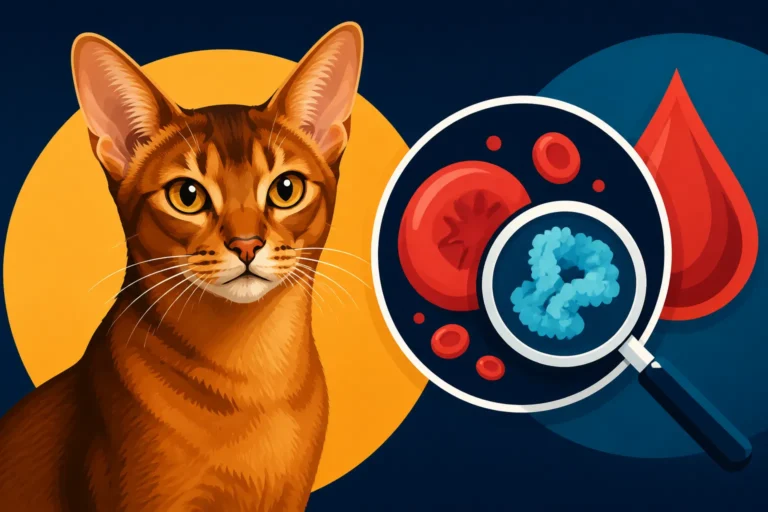
Beyond the physical exam, comprehensive diagnostic testing becomes a cornerstone of senior Abyssinian care. This usually includes a full blood panel (CBC and chemistry profile), a urinalysis, and potentially a thyroid hormone check. These tests provide a snapshot of your cat's internal organ function, helping to detect issues like kidney disease, liver problems, diabetes, or hyperthyroidism long before outward symptoms become obvious. When a Middle Aged Abyssinian Needs Yearly Bloodwork often expands to bi-yearly as they age further.
For instance, kidney values can begin to rise long before your cat shows increased thirst or weight loss. Catching these changes early means you can implement dietary adjustments or other treatments sooner, potentially slowing the progression of disease and extending your cat's comfortable lifespan. Your vet might also recommend a blood pressure check, as hypertension is common in older cats and can contribute to kidney disease, heart problems, or even blindness. Having pet insurance, like a policy from Healthy Paws, can be incredibly helpful for managing the costs of these more frequent diagnostic tests and ongoing treatments, ensuring you can always make the best decisions for your senior Abyssinian without financial strain.
Supporting Mental Acuity and Emotional Well-being
An Abyssinian’s vibrant personality is a huge part of their charm, and it’s important to support their mental and emotional health as they age. While some cognitive decline can be a natural part of aging, there’s a lot you can do to keep their minds sharp and spirits high.
Recognizing and Managing Feline Cognitive Dysfunction
Just like humans, cats can experience cognitive decline, sometimes referred to as Feline Cognitive Dysfunction (FCD) or "feline senility." The signs can be subtle at first but often progress over time. You might notice your Abyssinian seeming disoriented, wandering aimlessly, getting "stuck" in corners, or staring blankly at walls. Changes in their social interaction – either becoming more clingy or more withdrawn – are also common. They might vocalize more, especially at night, or their sleep-wake cycles might become disrupted. Sometimes, changes in litter box habits that aren't related to pain or physical illness can stem from FCD.
While there's no cure for FCD, management focuses on supportive care. Maintaining a consistent routine, avoiding rearranging furniture, and providing accessible resources can reduce their confusion and anxiety. Your vet might also suggest dietary supplements, such as those rich in antioxidants and Omega-3 fatty acids, or even specific medications designed to improve cognitive function. Environmental enrichment, even if adapted, is crucial for keeping their minds stimulated.
Maintaining Engagement Through Adapted Play
Even if your senior Abyssinian can't scale the drapes like they used to, they still need mental and physical stimulation. Play remains vital for their well-being, but you might need to adapt the games to suit their reduced mobility and energy levels. Instead of high-flying aerial acrobatics, focus on ground-level play. Wand toys can still be a hit, but keep the action closer to the floor and allow for more pauses. Interactive puzzle feeders are excellent for engaging their problem-solving skills and predatory instincts without requiring intense physical exertion.
Consider introducing new, simpler toys that they can bat around or carry. Rotate toys regularly to keep things fresh and exciting. Short, frequent play sessions are often more effective than one long session that might overtire them. Gentle petting, brushing, and lap time also contribute significantly to their emotional comfort and bond with you. Knowing Which Games Suit an Old Abyssinian and How to Keep an Old Abyssinian Climbing Safely (even with modifications) ensures they continue to feel engaged and loved, reminding them that they're still very much a part of the household's lively activities.
Embracing the Journey: Love and Legacy
Caring for an Abyssinian past ten years old is a profound journey of love, patience, and adaptation. It's a privilege to witness their graceful aging and to provide them with the best possible quality of life in their golden years.
Cherishing the Bond and Adapting to Changes
As your Abyssinian ages, your relationship with them will deepen. They might become more affectionate, seeking out your presence for comfort and security. Embrace these moments. The bustling, energetic cat of their youth might transform into a calmer, more reflective companion, but their spirit remains. Be patient with their slower movements, their occasional confusion, and their increased need for rest. Your unwavering presence and gentle care are the most precious gifts you can give them.
It's also important for you, as their owner, to acknowledge your own feelings during this time. It can be challenging to see your lively Abyssinian slow down, and it's natural to feel a mix of sadness, concern, and immense love. Lean on your support network, whether it's your veterinarian, friends, or family, and allow yourself to process these emotions. The bond you share is a testament to the years of joy and companionship, and cherishing this final chapter is part of that beautiful journey. Indeed, The Twelve to Fifteen Years an Abyssinian Usually Gets is a precious timeframe to make the most of.
Preparing for End-of-Life Decisions
While it's a difficult topic to consider, preparing for end-of-life decisions is a responsible and compassionate aspect of caring for an aging pet. Having conversations with your veterinarian about your Abyssinian's prognosis, quality of life, and potential future challenges can help you make informed decisions when the time comes. This isn't about rushing things, but about understanding options and ensuring your cat's comfort and dignity are prioritized above all else.
Consider having a "quality of life" discussion with your vet regularly. They can help you assess your cat's pain levels, appetite, enjoyment of life, and overall well-being. Knowing what to expect and having a plan in place can alleviate some of the emotional burden during an incredibly sensitive time. Services like in-home euthanasia are becoming more common, offering a peaceful and familiar setting for your beloved companion's final moments. Organizations such as Healthy Paws, and other pet insurance providers, sometimes offer support for end-of-life care, including euthanasia and cremation, which can help ease the practical burden during such a profound emotional experience. The goal is always to prevent suffering and ensure your Abyssinian’s journey concludes with peace and surrounded by love.
Disclaimer
This article is intended for informational purposes only and does not constitute veterinary advice. Always consult with a qualified veterinarian for any health concerns or before making any decisions about your pet's care. Individual needs may vary.