Why Hyperthyroidism Catches an Older Abyssinian
It’s truly disheartening when your once tirelessly active Abyssinian, who used to scale bookshelves and chase toys with boundless energy, suddenly starts dropping weight despite eating like a horse. This confusing scenario, where an older cat seems to have more energy but less substance, is a common and distressing red flag for a condition called hyperthyroidism. This guide will walk you through why this sneaky disease often targets our older Abyssinians, how to spot its nuanced signs, and what you can do to support your beloved companion through it.
Understanding Hyperthyroidism's Sneaky Onset in Older Abyssinians
Hyperthyroidism is a fairly common endocrine disorder in older cats, and our beloved Abyssinians, with their already famously high metabolism, can sometimes make early detection a real challenge. It's not just a simple age-related slowdown; it's a profound shift in their body's internal thermostat.
What Happens When the Thyroid Gland Goes Haywire
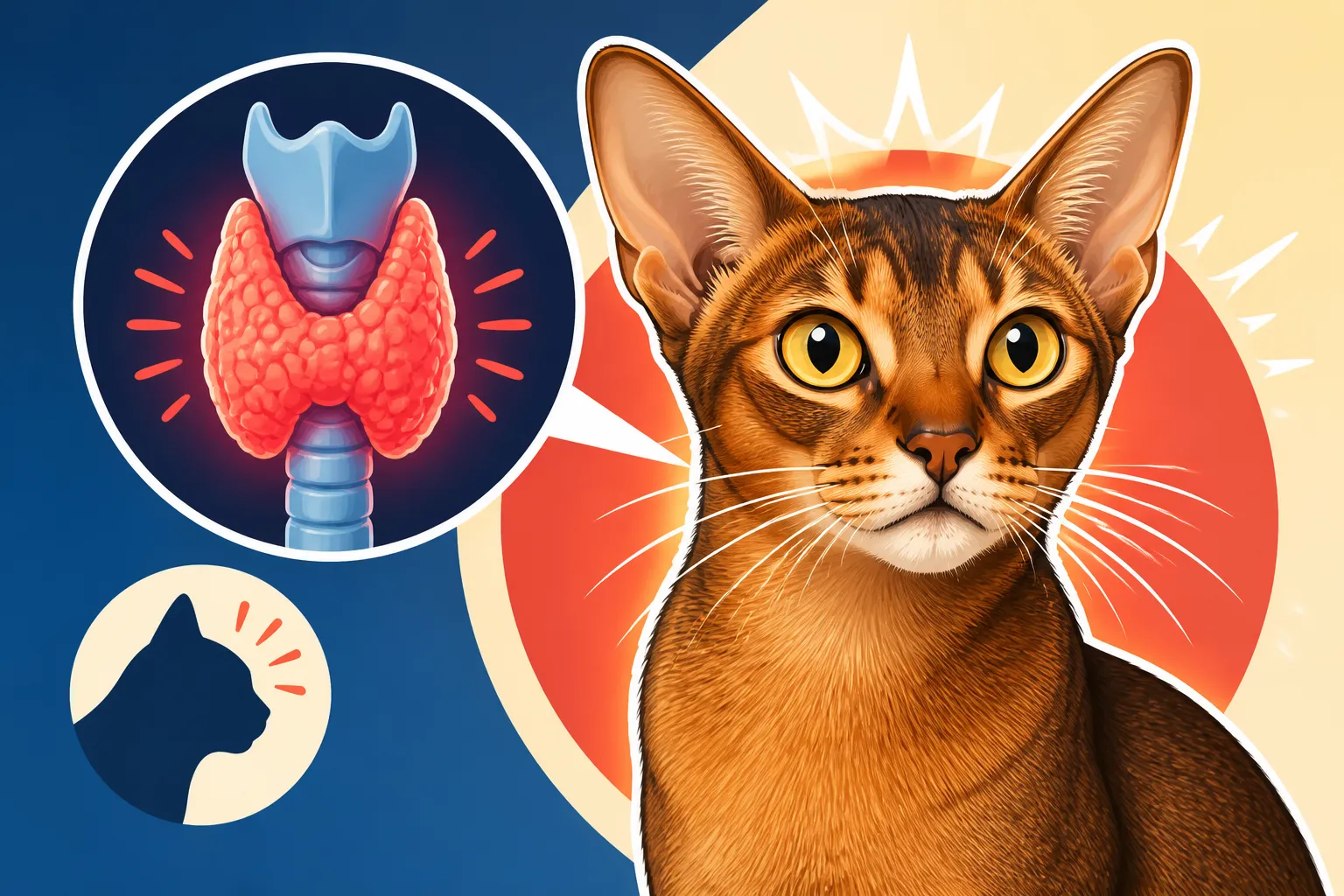
Deep in your Abyssinian's neck, there are two small glands called the thyroid. These glands produce hormones, primarily thyroxine (T4), which regulate metabolism – essentially, how fast every cell in the body works. Think of it like a car's accelerator. In hyperthyroidism, these glands (most often due to a benign tumor, called an adenoma) start overproducing these hormones. This floods the body with too much metabolic fuel, revving up every system. Suddenly, their heart beats faster, their digestion speeds up, and they're burning through calories at an alarming rate, even at rest. This constant overdrive is incredibly taxing on their little bodies, leading to a cascade of health issues if left untreated.
Why Older Abyssinians Are Particularly Vulnerable
While hyperthyroidism can affect any older cat, there's a certain irony when it comes to Abyssinians. They are renowned for their vivacious, "always-on" personality and lean, athletic build. This natural energy and high metabolism, which we adore, can inadvertently mask the initial signs of hyperthyroidism. A cat that's already a whirlwind might just seem "even more energetic" or "really enjoying their food" when their metabolism is actually going into overdrive. This can delay owners from noticing the subtle shifts until the weight loss becomes undeniable or other symptoms are more pronounced. As our Abyssinian companions age, their bodies naturally undergo changes, and endocrine systems can become less efficient, making them statistically more prone to developing conditions like this. Understanding that When a Middle Aged Abyssinian Needs Yearly Bloodwork is crucial for catching these issues early, especially for a breed known for its resilience.
Recognizing the Subtle Signs in Your Spirited Abyssinian
Spotting hyperthyroidism in an Abyssinian can be tricky because some of the hallmark symptoms can mimic or exaggerate their natural lively disposition. You're looking for changes in their normal energetic baseline, not just the energy itself.
The Classic Symptoms vs. the Abyssinian Twist
The most classic signs of hyperthyroidism include a ravenous appetite coupled with significant weight loss. You might find your Abyssinian begging for food constantly, eating every morsel, perhaps even stealing food, yet looking thinner and thinner. For an Abyssinian, who's usually quite lean, this weight loss can be alarming. Why an Abyssinian's Weight Loss Is Never Minor is a critical read, as any unexplained drop in weight should prompt immediate veterinary attention. Beyond appetite and weight, increased thirst (polydipsia) and urination (polyuria) are also common. You might notice the litter box needs scooping more often, or their water bowl emptying much faster. While a healthy Abyssinian is usually quite active, a hyperthyroid one might display a hyperactivity that seems a little frantic or restless, rather than simply playful. They might pace more, seem unable to settle, or have difficulty sleeping soundly through the night.
Beyond the Obvious: Behavioral and Physical Changes
Beyond the appetite and weight changes, there are other tell-tale signs to watch for in your Abyssinian. Their coat, usually so sleek and lustrous, might start to look unkempt, greasy, or matted, as they might neglect self-grooming or their skin health declines. You might observe increased vocalization, perhaps incessant meowing or a change in the tone of their chirps and trills. This isn't just them being chatty; it can be a sign of their internal agitation. Some Abyssinians may develop digestive upset, including vomiting or diarrhea, due to the rapid transit of food through their system. You might also notice a subtle change in their temperament; they might become more irritable, nervous, or even aggressive, which is entirely out of character for this generally sweet-natured breed. Even subtle shifts in their normal activity, such as becoming a bit withdrawn or hiding more, can be a symptom, as some cats react to internal distress by seeking solitude.
Diagnosing and Managing Hyperthyroidism in Your Beloved Companion
Catching hyperthyroidism early is key to managing it effectively and preserving your Abyssinian's quality of life. It starts with a comprehensive veterinary check-up.
Getting a Diagnosis: The Vet Visit and Bloodwork
When you suspect hyperthyroidism, your vet will perform a thorough physical examination. They might feel your cat's neck for an enlarged thyroid gland, though this isn't always palpable. They'll also listen to their heart for a rapid rate or murmurs, which are common due to the increased metabolic demands. The definitive diagnosis, however, comes from a simple blood test measuring the levels of thyroid hormones, specifically T4. Your vet will likely also recommend a broader blood panel, including a chemistry profile and a complete blood count. This is vital because hyperthyroidism can sometimes mask underlying kidney disease, or even reveal concurrent issues like elevated liver enzymes. Which Blood Panel an Abyssinian Should Have Yearly is an essential question for older cats, as these regular checks are often how hyperthyroidism and other age-related conditions are first detected. Paying attention to values like SDMA, even if creatinine is normal, can give a crucial early insight into kidney function, as How the SDMA Value Reads on an Abyssinian can be affected by the increased blood flow associated with hyperthyroidism.
Treatment Paths: Medications, Diet, and I-131
Once diagnosed, there are several effective treatment options for hyperthyroidism, each with its own benefits and considerations.
- Oral Medication (Methimazole): This is often the first line of treatment. Methimazole works by inhibiting the production of thyroid hormones. It's typically given as a pill, often twice a day, and requires regular blood tests to monitor thyroid levels and adjust the dosage. While effective, it's a lifelong commitment and some cats can experience side effects like vomiting, lethargy, or facial itching, especially in the initial stages. The cost is ongoing, but manageable for many.
- Prescription Diet (Iodine-Restricted Food): Specific prescription diets are designed to limit iodine intake, which the thyroid needs to produce hormones. For some cats, especially those with mild hyperthyroidism or who can't tolerate medication, this can be a viable option. The catch is that only the prescription food can be fed – no treats, no other cat's food, nothing else. This can be challenging in multi-cat households or with a particularly picky Abyssinian.
- Radioactive Iodine Therapy (I-131): This is considered the "gold standard" treatment because it offers a cure in most cases. A single injection of radioactive iodine targets and destroys the overactive thyroid tissue while sparing healthy tissue. The cat needs to stay at a specialized facility for several days until their radiation levels drop to a safe limit. It's a significant upfront cost, but eliminates the need for daily medication and ongoing blood tests, often saving money in the long run. Many pet owners find that investing in pet insurance, like a policy from Healthy Paws, can make this often expensive but highly effective treatment option much more accessible.
- Surgery (Thyroidectomy): Surgical removal of the thyroid gland is another option, though less common now due to the success of I-131. It carries anesthetic risks, and there's a possibility of damaging the parathyroid glands, which regulate calcium, leading to other complications.
Here’s a quick overview of the main treatment choices:
| Treatment Option | Pros | Cons | Typical Duration |
|---|---|---|---|
| Oral Medication (Methimazole) | Widely available, non-invasive, adjustable dosage | Lifelong commitment, potential side effects, need for regular blood tests | Ongoing |
| Iodine-Restricted Diet | Non-invasive, no pills required | Strict diet adherence (no other food/treats), challenging in multi-cat homes, not always a cure | Ongoing |
| Radioactive Iodine (I-131) | Often curative, single treatment | High upfront cost, limited availability, cat hospital stay, radiation precautions | One-time (most cases) |
| Surgery (Thyroidectomy) | Can be curative | Anesthetic risk, potential for parathyroid damage, possibility of recurrence | One-time (if successful) |
When discussing costs with your vet, remember to factor in not just the initial treatment but also long-term care, like regular bloodwork, especially if your Abyssinian is also dealing with other age-related issues. Pet insurance from providers like Healthy Paws can really help alleviate the financial stress that comes with these medical decisions, especially for a condition that requires ongoing management or a specialized procedure.
Living with a Hyperthyroid Abyssinian: Ongoing Care and Support
Managing hyperthyroidism is a marathon, not a sprint, and your active Abyssinian will need consistent support to thrive.
The Importance of Regular Monitoring
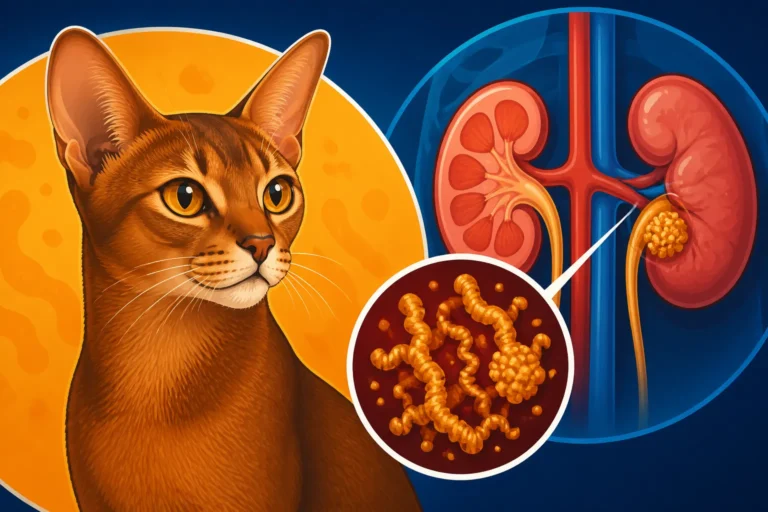
Regardless of the treatment path you choose, regular monitoring is absolutely paramount. If your Abyssinian is on medication or a prescription diet, they'll need periodic blood tests to ensure their thyroid hormone levels are within the normal range. These appointments also allow your vet to check for any potential side effects of medication or to adjust dosages as needed. It's not uncommon for the initial dosage to require fine-tuning to find the perfect balance. These check-ups also monitor kidney function, as bringing thyroid levels down too quickly can sometimes unmask or worsen pre-existing kidney disease. This is why What an Old Abyssinian's Kidneys Are Monitored alongside thyroid health is a common veterinary practice. Consistency in medication administration and follow-up visits are the cornerstones of successful management.
Creating a Comfortable Environment
Beyond medical treatment, creating a comfortable and stable environment is crucial for your hyperthyroid Abyssinian. Ensure they always have access to fresh water, as increased thirst can be a persistent symptom. Multiple water bowls or a pet fountain can encourage hydration, which is vital for kidney health as well. For an Abyssinian with a heightened appetite, managing their food intake without overfeeding can be a delicate balance; discuss a precise feeding plan with your vet. Consider feeding smaller, more frequent meals if appropriate to help manage their metabolism.
Make sure their environment remains stimulating but not overly stressful. While Abyssinians are naturally high-energy, an overactive hyperthyroid cat might benefit from structured play sessions rather than constant free-for-all access to toys, especially if they are restless. Provide plenty of vertical space for climbing, as they love to perch, but also ensure comfortable, quiet resting spots away from household hustle. As they age, an Abyssinian, even with hyperthyroidism, might start to slow down in other ways. Caring for an Abyssinian Past Ten involves considering their overall well-being, including any arthritis that might develop, for which What Pain Relief an Arthyn Abyssinian Can Take could become relevant. Remember, maintaining a healthy weight as they age is also important, so while Why an Abyssinian Needs Fewer Calories After Twelve might generally be true for healthy seniors, a hyperthyroid cat's calorie needs can be unique and require careful adjustment by your vet. If you’re considering pet insurance like Healthy Paws, it’s a good idea to enroll your Abyssinian before any chronic conditions manifest, as pre-existing conditions are typically not covered. This foresight can save a lot of worry and expense down the line, as outlined in Whether Pet Insurance Is Worth It for an Abyssinian.
Disclaimer
This article is for general informational purposes only and does not constitute professional advice. Laws, prices and regulations vary by location and change over time. Consult a qualified professional for guidance on your specific situation.