What Renal Amyloidosis Deposits in an Abyssinian’s Kidney
It’s a heartbreaking reality for many Abyssinian owners: you think you’re doing everything right, providing the best care, and suddenly your vibrant, energetic companion starts to slow down, sometimes with little warning. Renal amyloidosis is a particularly insidious disease in Abyssinians, striking often without obvious early signs and leaving families scrambling to understand what’s happening to their beloved cats. This guide will meticulously break down what exactly renal amyloidosis deposits in your Abyssinian’s kidneys, how it causes damage, what to watch for, and the current approaches to managing this challenging condition.
Understanding Renal Amyloidosis in Abyssinians
When we talk about renal amyloidosis in our beautiful Abyssinians, we’re addressing a silent, progressive disease that targets the very organs responsible for filtering waste from their blood: the kidneys. It's a complex condition, but understanding the core mechanism — the deposition of abnormal proteins — is key to grasping its severity and impact.
What is Amyloid and How Does It Form?
At its most basic, amyloid isn't a single substance but rather a generic term for a group of abnormal, insoluble protein deposits that can accumulate in various tissues and organs throughout the body. Think of it like a sticky, fibrous junk protein that the body can't properly break down or get rid of. In Abyssinians, the most common form linked to renal amyloidosis is Amyloid A (AA amyloid), which derives from a protein called Serum Amyloid A (SAA).
SAA is an acute phase protein, meaning its levels in the blood rise dramatically in response to inflammation, infection, or stress. It's a normal part of the body's immune response, kind of like a first responder to trouble. However, if there’s chronic or repeated inflammation – even low-grade, persistent inflammation that you might not even notice – the body keeps producing SAA. In genetically predisposed Abyssinians, this SAA protein can misfold, aggregate, and form those insoluble amyloid fibrils. It's not entirely clear why some Abyssinians are more prone to this misfolding than others, but it's strongly believed to have a hereditary component, making certain lines particularly susceptible to this frustrating condition.
The Specific Impact on Abyssinian Kidneys
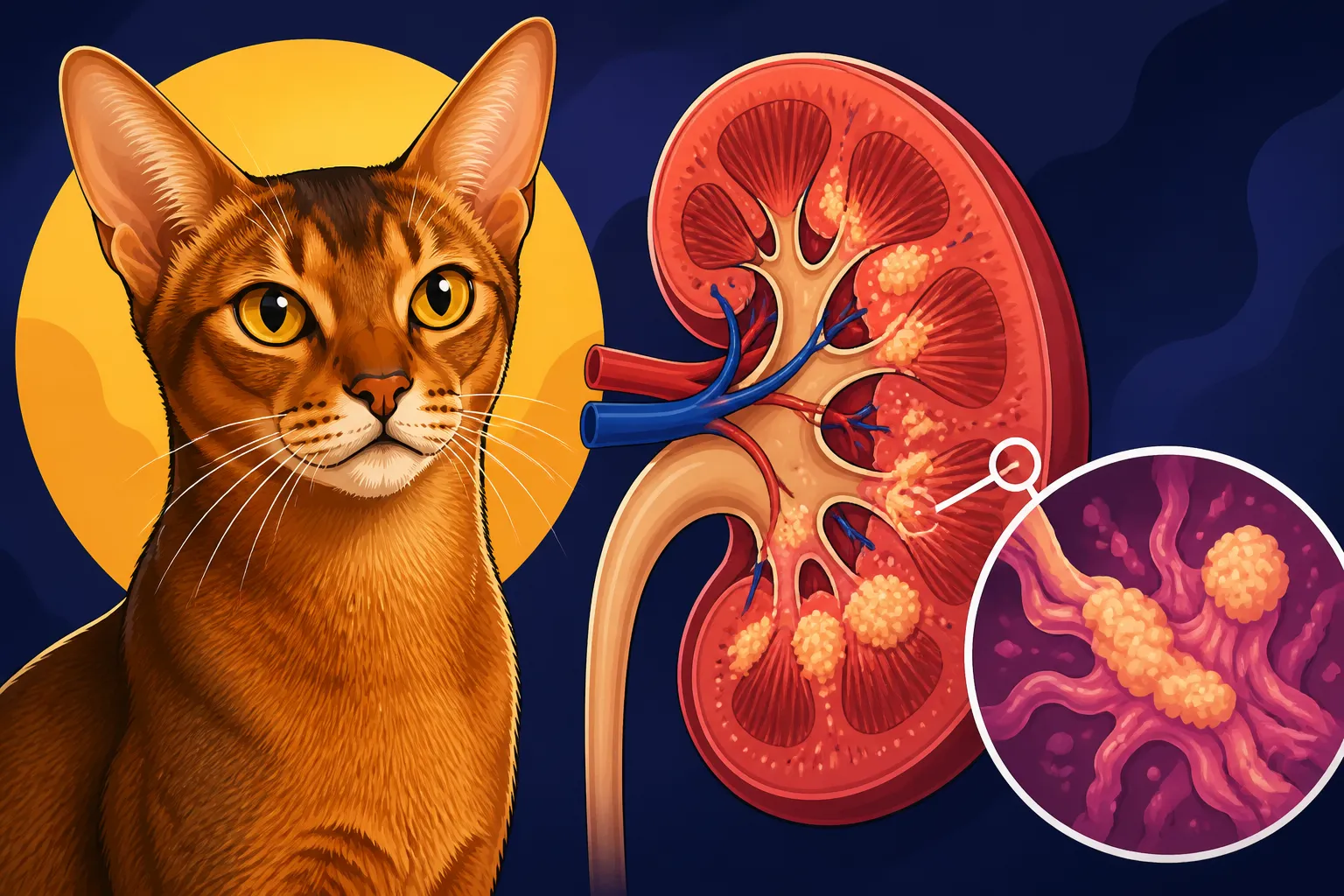
Once these amyloid fibrils form, they tend to deposit themselves in crucial areas of the kidneys, effectively clogging up the works. The kidneys are intricate organs, filled with millions of tiny filtering units called nephrons, each containing a structure called a glomerulus. The glomeruli are like miniature sieves, allowing waste products to pass through into the urine while retaining essential proteins and cells in the blood.
In Abyssinians with renal amyloidosis, these amyloid deposits primarily target the glomeruli and the surrounding interstitial tissue. Imagine those delicate sieves getting progressively coated and blocked by sticky, unusable protein. This physical obstruction and disruption severely impair the kidneys’ ability to filter blood efficiently. Initially, it might only affect a small percentage of nephrons, but as more and more amyloid builds up, the damage becomes widespread and irreversible. The presence of these foreign deposits also triggers an inflammatory response within the kidney itself, further contributing to damage and scarring, setting the stage for eventual kidney failure.
The Mechanism of Kidney Damage from Amyloid Deposits
The kidneys are powerhouse organs, performing vital functions that keep an Abyssinian healthy and vibrant. When amyloid deposits begin their unwelcome accumulation, they don't just sit there; they actively sabotage these essential processes, leading to a cascade of problems.
How Amyloid Disrupts Normal Kidney Function
Healthy kidneys are incredible, filtering around 120-150 liters of blood every single day, removing waste products like urea, creatinine, and phosphorus, while meticulously reabsorbing water, salts, and nutrients back into the bloodstream. They also play a crucial role in regulating blood pressure, producing red blood cells, and maintaining mineral balance. It's a delicate, finely tuned system.
When amyloid infiltrates the glomeruli, it directly interferes with this filtration process. The abnormal proteins literally get in the way, making the glomeruli leaky and less efficient. Instead of just letting waste through, they start allowing valuable proteins, particularly albumin, to escape into the urine. This loss of protein is a hallmark sign of early kidney damage in Abyssinians with amyloidosis, often detected through a urine protein-to-creatinine (UPC) ratio test. As the amyloid burden increases, the normal architecture of the kidney is destroyed. The delicate tubules, which are responsible for reabsorbing water and nutrients, become damaged, further compromising the kidney's ability to concentrate urine. This is why increased thirst and urination – what vets call polydipsia and polyuria – are often among the first subtle signs an owner might notice. It’s the kidney’s desperate attempt to flush out waste products that it can no longer efficiently filter and concentrate.
Progressive Damage and Its Consequences
The damage caused by amyloid deposition is, unfortunately, progressive. It’s not a static condition; it steadily worsens over time. The constant presence of amyloid, coupled with the body's attempts to wall it off or remove it, leads to chronic inflammation and fibrosis – the formation of scar tissue. Scar tissue, unlike healthy kidney tissue, cannot filter blood or perform any of the kidney's other vital functions. As more functional kidney tissue is replaced by non-functional scar tissue, the overall capacity of the kidneys diminishes.
This leads to a build-up of toxins in the blood, a condition known as uremia. Your Abyssinian might start showing symptoms like nausea, vomiting, loss of appetite, and a general malaise. The loss of protein through the urine can also lead to dangerously low protein levels in the blood, causing fluid to leak out of the blood vessels and accumulate in the abdomen (ascites) or chest (pleural effusion), or even cause swelling in the limbs. Furthermore, the kidneys' role in blood pressure regulation can be compromised, leading to hypertension, which in turn can further damage the kidneys, creating a vicious cycle. The progression from early amyloid deposition to full-blown kidney failure can sometimes be quite rapid in Abyssinians, especially compared to other forms of chronic kidney disease, making early detection incredibly challenging and treatment windows narrow.
Identifying the Silent Killer: Symptoms and Diagnosis
Renal amyloidosis is often dubbed a "silent killer" because its early symptoms are incredibly vague and easily dismissed, especially in a breed as energetic and stoic as the Abyssinian. Catching this disease before it reaches an advanced stage is a race against time.
Early, Vague Signs That Are Easy to Miss
One of the most frustrating aspects of renal amyloidosis is that Abyssinians are masters at hiding illness. Their naturally lean, muscular build and high energy levels can mask significant underlying health problems for quite some time. Often, by the time an owner notices something is definitively wrong, the disease has already progressed considerably.
Initial signs are usually subtle and non-specific:
- Increased Thirst and Urination: Your Abyssinian might be drinking more water than usual or making more frequent trips to the litter box. You might notice larger clumps in the litter, or even accidents outside the box if they can't hold it. This is the kidneys struggling to concentrate urine.
- Subtle Weight Loss: Given their active nature, a slight decrease in weight might be attributed to burning calories. However, a persistent, unexplained drop in weight can be a red flag. For more on this, you might find our guide on Why a Lean Abyssinian Hides Illness Longer Than a Heavy Cat particularly insightful.
- Decreased Appetite: They might be a bit pickier than usual, turn their nose up at their favorite food, or just eat less overall.
- Lethargy or Reduced Playfulness: An Abyssinian who is normally zooming around the house might spend more time sleeping, or decline an invitation to play with a wand toy. This isn't usually a sudden crash but a gradual decline in their characteristic zest.
It's precisely these vague symptoms that make early diagnosis so difficult. As a responsible owner, knowing your Abyssinian's baseline behavior, water intake, and litter box habits is paramount. Even small changes warrant a call to your vet. For instance, if you notice your otherwise healthy young Abyssinian suddenly seems unusually thirsty, this could be a significant indicator. Learn more about Why a Thirsty Young Abyssinian Is a Red Flag.
Diagnostic Challenges and Definitive Testing
Diagnosing renal amyloidosis in an Abyssinian presents unique challenges. Standard blood tests, such as creatinine and BUN (blood urea nitrogen), only begin to show abnormalities when a significant portion of kidney function (often 60-75%) has already been lost. This means by the time these values are elevated, the disease is already quite advanced. However, a newer blood test, SDMA (symmetric dimethylarginine), can detect kidney disease much earlier, sometimes when only 25-40% of function is compromised. This has been a game-changer for early detection. Our article Which Blood Values Catch an Abyssinian's Kidneys Early delves deeper into these important markers.
Urine tests are also crucial. A urine protein-to-creatinine (UPC) ratio is particularly important as it quantifies the amount of protein being lost through the kidneys, which is a key indicator of glomerular damage from amyloid. High UPC ratios are a strong suspicion for amyloidosis in Abyssinians.
The definitive diagnosis of renal amyloidosis, however, requires a kidney biopsy. This involves taking a small tissue sample from the kidney and having a veterinary pathologist examine it under a microscope for the presence of amyloid deposits. The amyloid can be specifically stained to confirm its presence. While a biopsy provides a definitive answer, it is an invasive procedure that carries risks, and often, vets will manage suspected cases based on clinical signs, bloodwork, and urine protein levels, especially if the cat is already fragile.
Managing and Living with Renal Amyloidosis
While there's no cure for renal amyloidosis, managing the disease effectively can significantly improve an Abyssinian's quality of life and potentially slow its progression. The focus is on supportive care, minimizing symptoms, and addressing complications.
Supportive Care and Dietary Management
The cornerstone of managing renal amyloidosis, much like other forms of chronic kidney disease, revolves around supportive care tailored to the individual cat's needs.
- Kidney-Specific Diets: These diets are designed to be lower in protein, phosphorus, and sodium, while being enriched with omega-3 fatty acids and B vitamins. The reduced protein content helps lessen the workload on the kidneys and minimizes the production of nitrogenous waste products, which can build up and cause uremia. Low phosphorus is critical because diseased kidneys struggle to excrete phosphorus, leading to mineral imbalances that can further harm the cat. Many commercial prescription kidney diets are available through your veterinarian. Our guide How a Kidney Diet Buys an Abyssinian Time offers more detailed insights into nutritional strategies.
- Fluid Therapy: Dehydration is a constant concern for cats with kidney disease due to their inability to concentrate urine. Administering subcutaneous (under the skin) fluids at home can be incredibly beneficial. Your vet can show you how to do this safely and comfortably for your Abyssinian, replenishing fluids and helping to flush out some of the accumulating toxins.
- Blood Pressure Management: High blood pressure (hypertension) is a common complication of kidney disease and can accelerate kidney damage. Regular blood pressure monitoring and, if necessary, medication like amlodipine, are vital to protect the kidneys, eyes, and brain.
- Medications for Symptom Control: Cats with renal amyloidosis often experience nausea, vomiting, and appetite loss. Anti-nausea medications (e.g., maropitant citrate/Cerenia), appetite stimulants (e.g., mirtazapine), and phosphorus binders (to reduce phosphorus absorption from food) are frequently prescribed to keep them comfortable and encourage eating.
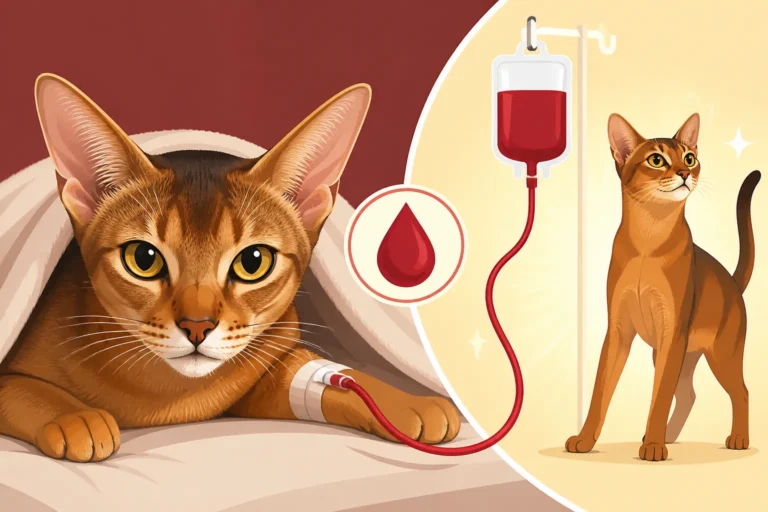
- Anemia Management: Kidney disease can also lead to anemia because the kidneys produce a hormone (erythropoietin) that stimulates red blood cell production. If anemia is severe, injectable erythropoietin or even blood transfusions might be considered.
The Role of Early Detection and Family History
Given the elusive nature of early symptoms and the rapid progression of amyloidosis in Abyssinians, early detection is absolutely paramount. Owners should become keenly aware of their cat's normal habits, especially regarding water intake and urination. Weighing your Abyssinian regularly at home can also help catch subtle weight loss before it becomes obvious. Regular veterinary check-ups, even for seemingly healthy middle-aged Abyssinians, should include a full blood panel (including SDMA) and a urinalysis with a UPC ratio.
Perhaps even more crucial than individual testing is the role of comprehensive family history. Unlike other inherited conditions with clear genetic tests, renal amyloidosis in Abyssinians doesn't have a direct DNA test. This means breeders must be incredibly diligent and transparent about the health history of their breeding lines. Understanding Why an Abyssinian Line's History Matters More Than Any Test becomes clearer in this context. Reputable breeders will track incidences of amyloidosis not just in the parents, but in grandparents, siblings, and offspring, to identify patterns and make informed breeding decisions. They should be willing to discuss the longevity and causes of death in their cats' ancestors and collateral relatives. Our article What an Abyssinian's Grandparents Reveal About Its Kidneys provides a deeper look into the importance of this lineage information. This commitment from breeders, combined with vigilant owner care and regular vet screenings, offers the best chance to identify and manage this challenging disease in our beloved Abyssinians. Pet insurance providers, such as Healthy Paws, are excellent resources for discussing coverage options for such chronic conditions, highlighting the financial preparedness needed for these potential long-term health challenges.
| Symptom Category | Early/Subtle Signs | Advanced Signs | Why it's Tricky in Abyssinians |
|---|---|---|---|
| Thirst/Urination | Increased water intake, larger urine clumps in litter | Urinating outside box, frequent small urinations, dehydration | Their active nature means they drink a lot anyway; hard to spot subtle increases. |
| Appetite | Pickiness, slightly less food eaten | Refusal to eat, nausea, vomiting | Abyssinians can be particular eaters; changes might be dismissed as fussiness. |
| Weight | Gradual, unexplained weight loss | Marked muscle wasting, prominent bones | Naturally lean cats; weight loss might be less obvious initially under dense ticking. |
| Energy/Behavior | More sleeping, less enthusiastic play, quietness | Severe lethargy, hiding, weakness, disorientation | Known for high energy; small declines can be attributed to aging or mood. |
| Coat/Skin | Dull coat, poor grooming | Very dull, unkempt coat, dry skin | Their short, dense coat is usually low maintenance, so changes are subtle. |
Why No Genetic Test Exists (Yet) for Abyssinian Amyloidosis
It's truly a source of frustration for Abyssinian enthusiasts and breeders alike that, despite the significant impact of renal amyloidosis on the breed, there isn't a simple DNA test to identify carriers or at-risk cats. This contrasts sharply with other inherited conditions like Pyruvate Kinase Deficiency and PRA-rdAc, for which reliable genetic tests are readily available.
The Complex Genetic Picture
The primary reason for the absence of a genetic test for Abyssinian renal amyloidosis lies in its complex genetic architecture. Unlike conditions caused by a single, identifiable gene mutation (monogenic diseases), amyloidosis is believed to be polygenic. This means that multiple genes, possibly interacting with environmental factors, contribute to an individual's susceptibility. Imagine it like a recipe with many ingredients; you can't just change one and expect a completely different dish.
Scientists have identified the protein (SAA) that forms the amyloid deposits, but the genetic variations that cause some Abyssinians to chronically produce excessive SAA or to misfold it more readily are still being pieced together. It’s not a simple case of a dominant or recessive gene that can be easily screened for. The specific combination of genetic predispositions and potential environmental triggers (like chronic low-grade inflammation from unnoticed allergies, infections, or even stress) makes finding a single, predictive marker incredibly challenging. This complexity is why, frustratingly, there is currently no simple "yes/no" DNA test like those available for other diseases. We explain more about this specific challenge in our article Why No Gene Test Exists for Abyssinian Amyloidosis. In comparison, understanding a condition like Pyruvate Kinase Deficiency Is the Abyssinian's Best Known Test because it's linked to a single, clear genetic mutation, allowing for straightforward screening. Similarly, PRA-rdAc Takes an Abyssinian's Sight by Five, but its genetic marker makes it easily preventable through testing.
Breeder Responsibility and Ongoing Research
Given the current limitations in genetic testing, the ethical responsibility of Abyssinian breeders becomes even more critical. Since the disease appears to run in families, meticulous record-keeping of pedigrees, longevity, and causes of death within their lines is the most powerful tool breeders have to combat amyloidosis. Reputable breeders will actively select against breeding lines known to have a history of amyloidosis, even if it means retiring beloved cats from their breeding program. This commitment to the long-term health of the breed, rather than simply pursuing show wins or specific appearances, is what defines a responsible breeder. Our comprehensive guide on What an Abyssinian Breeder Should Have Tested Before You Buy provides essential questions to ask any prospective breeder, emphasizing the importance of health over all else. In fact, The Abyssinian Has Three DNA Tests and One Disease With None, highlighting this very predicament.
The scientific community is not standing still, however. Research into the genetics of renal amyloidosis in Abyssinians is ongoing, with scientists continually looking for genetic markers or panels of markers that could predict susceptibility. Advances in genomic sequencing and understanding complex diseases hold promise for the future. The hope is that one day, researchers will unlock enough of the genetic puzzle to develop a reliable screening tool, offering breeders and owners a better way to prevent this devastating disease. Until then, careful breeding practices based on documented health history and vigilant health monitoring remain our best defenses.
Long-Term Outlook and Quality of Life
Facing a diagnosis of renal amyloidosis in your Abyssinian can feel like a punch to the gut. It's an incredibly difficult journey, but understanding the long-term outlook and focusing on maintaining your cat's quality of life are crucial.
Understanding the Prognosis
Let's be realistic: renal amyloidosis is a progressive and ultimately fatal disease. The amyloid deposits continue to accumulate, and the kidney damage is irreversible. However, "fatal" doesn't mean immediate. Many Abyssinians, especially with early detection and diligent management, can live for months, and sometimes even a year or two, with a good quality of life after diagnosis. The timeline varies greatly depending on when the disease is caught, how rapidly it progresses, and how well the individual cat responds to supportive therapies.
The key is often the stage at which the disease is identified. If caught in the earlier stages, when only minor kidney function is lost (e.g., detected by an elevated SDMA but normal creatinine), interventions like a kidney-specific diet, fluid therapy, and blood pressure control can significantly slow the progression. If the disease is only discovered when the cat is already in advanced kidney failure, the prognosis is often much shorter, and the focus shifts almost entirely to palliative care and comfort. Our guide on How Long an Abyssinian Lives After Amyloidosis Shows offers further details on what to expect regarding longevity. Honest conversations with your veterinarian about prognosis and treatment goals are essential as you navigate this challenging period.
Ensuring Comfort and Happiness
Beyond the medical interventions, ensuring your Abyssinian's comfort and happiness remains paramount. Their mental and emotional well-being plays a huge role in their overall quality of life.
- Palliative Care: This means managing pain, nausea, and any other symptoms that reduce their comfort. This might include regular anti-nausea medication, appetite stimulants, and gentle pain relief if they develop other age-related issues.
- Creating a Stress-Free Environment: Abyssinians thrive on routine and a stable environment. Minimize sudden changes, ensure easy access to food, water, and litter boxes (perhaps lower sides for easier access if they're weaker). Keep their favorite perches accessible, even if you need to add ramps or steps. A calm, predictable home reduces stress, which can indirectly help manage inflammatory responses.
- Monitoring Quality of Life: This is a deeply personal assessment. It involves observing your Abyssinian daily for signs of joy, engagement, and comfort. Are they still interacting with you? Do they purr? Are they eating enough? Are they comfortable when they rest? Tools like a "quality of life scale" can help you objectively assess their well-being and make difficult decisions when the time comes.
- Financial Preparedness: Long-term management of chronic kidney disease can be costly, involving prescription diets, medications, and frequent vet visits for blood work and fluid administration. This is where pet insurance, such as a policy from Healthy Paws, can be incredibly valuable, helping to cover a significant portion of these ongoing expenses and allowing you to prioritize your Abyssinian's health without added financial strain. Having a plan for these costs allows you to focus on providing the best possible care for your cherished companion.
Ultimately, living with an Abyssinian diagnosed with renal amyloidosis is about cherishing every moment, providing them with the best possible comfort and care, and knowing when to prioritize their peace and dignity above all else.
Disclaimer
The information provided in this article is for general informational purposes only and is not a substitute for professional veterinary advice. Always consult with a qualified veterinarian for any health concerns or before making any decisions related to your pet's medical care.