What 150 Years Have Not Changed About the Abyssinian
The Abyssinian cat breed retains its signature ticked coat, athletic build, and curious temperament after 150 years.
Is this the right one for you?
Origins and temperament, size and coat, what living with one is actually like, and how it compares to the breeds people weigh against it.
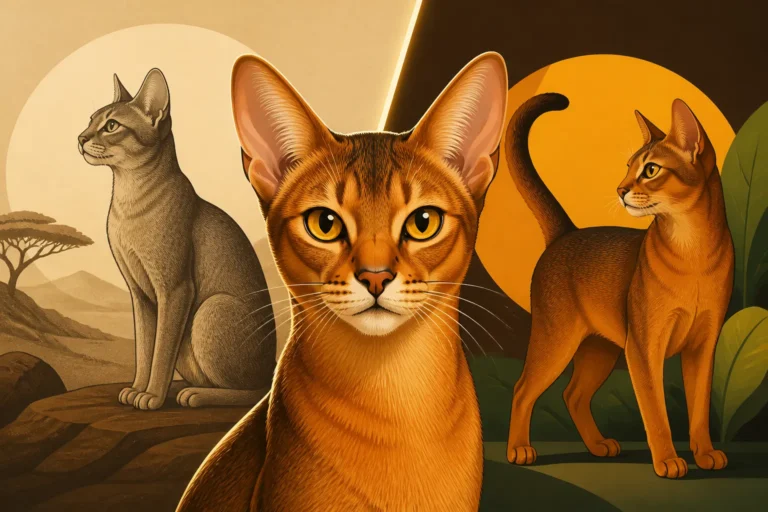
The Abyssinian cat breed retains its signature ticked coat, athletic build, and curious temperament after 150 years.
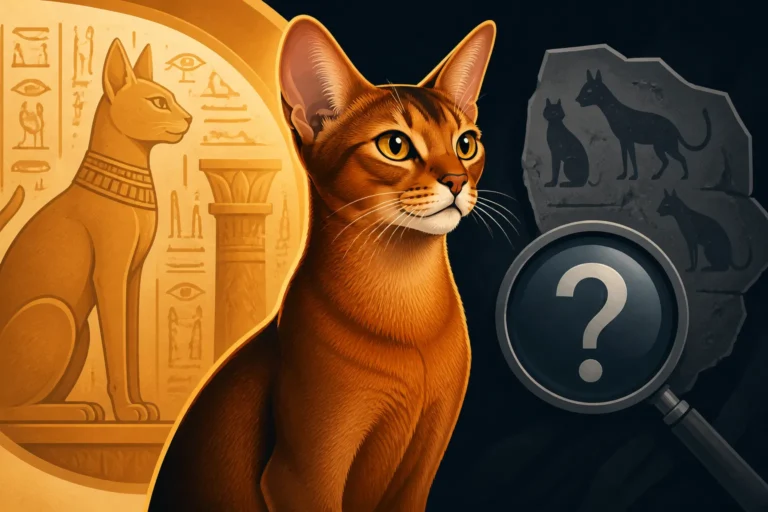
The Abyssinian cat breed history separates appealing origin stories from historical evidence, examining the 1868 Zula account.
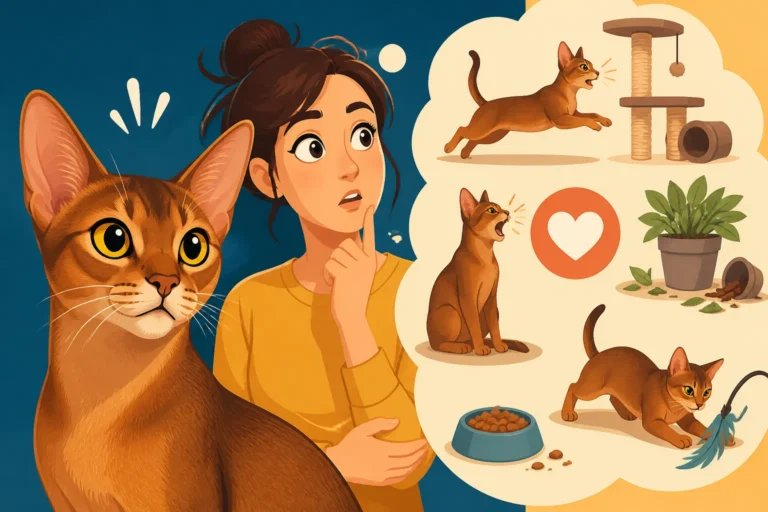
Abyssinian cat care, high energy levels, affectionate behavior, and daily routines help owners prepare for this curious and active breed.
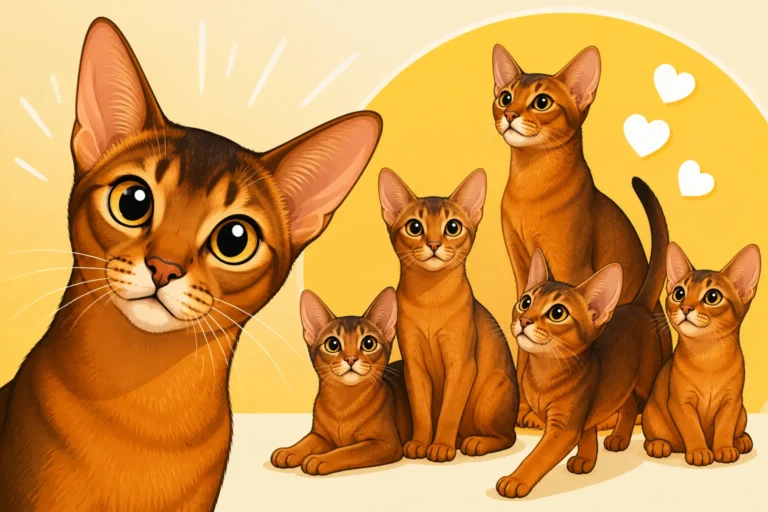
Abyssinian owners considering a second cat learn how a compatible companion affects home life and feline behavior.
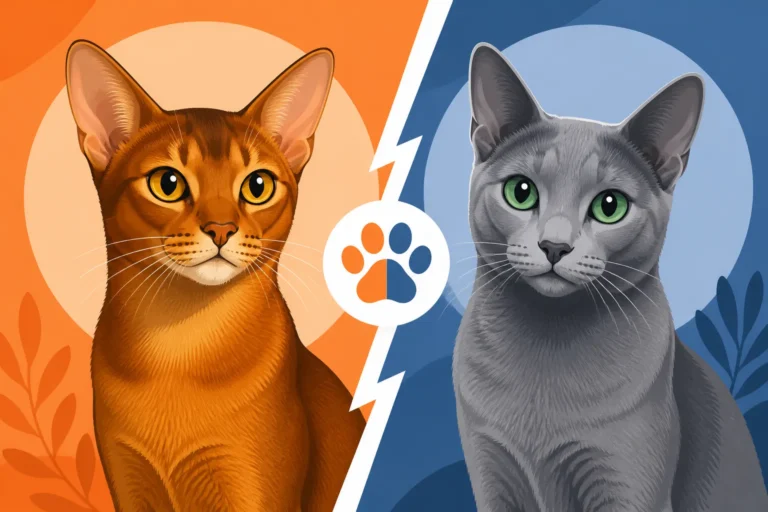
Abyssinian and Russian Blue cats compared by temperament, daily care needs, and household fit to help choose a pet.
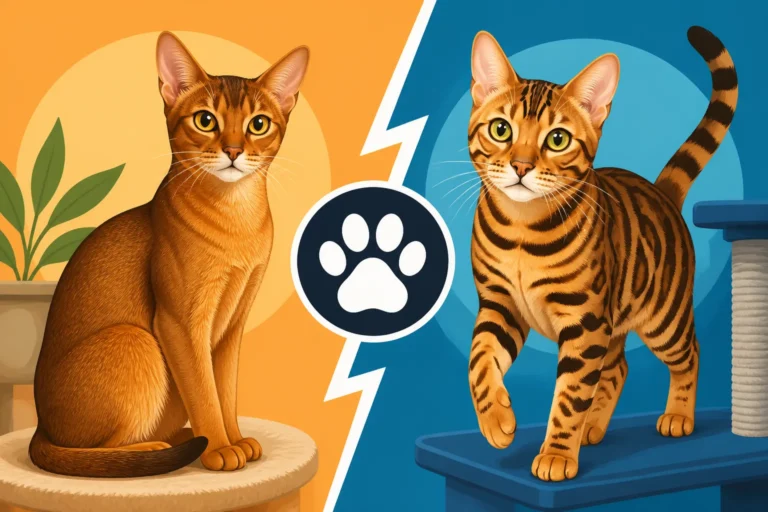
Abyssinian and Bengal pet cats differ in daily energy, physical play styles, and household companionship needs.

Abyssinian and Siamese cats differ in daily energy, vocal styles, and affection patterns, helping owners choose the right breed.

An Abyssinian cat living with a remote worker changes daily routines and requires specific home office adaptations.

An Abyssinian cat around toddlers requires careful supervision because the active animal may scratch if trapped.
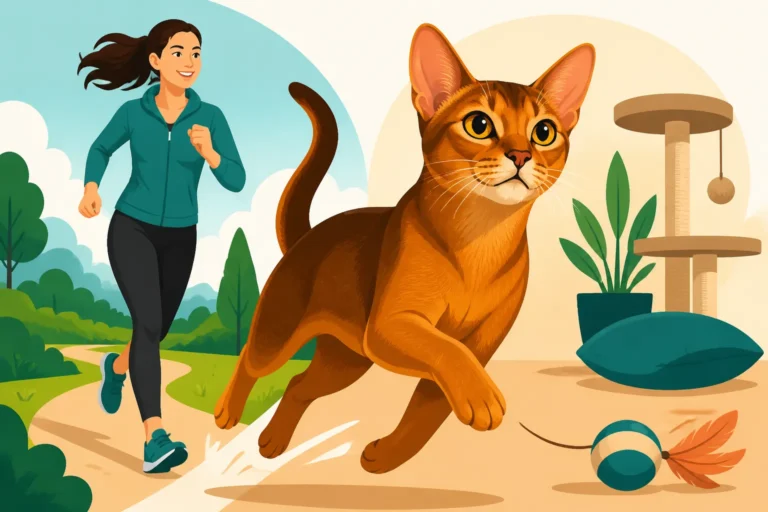
An Abyssinian cat matches active owners through daily play, climbing spaces, and constant involvement in household life.