Why Abyssinian Litters Are Small
Abyssinian litter sizes vary based on age, health, and history, but a small group can still be completely normal and healthy.
Is this the right one for you?
Origins and temperament, size and coat, what living with one is actually like, and how it compares to the breeds people weigh against it.
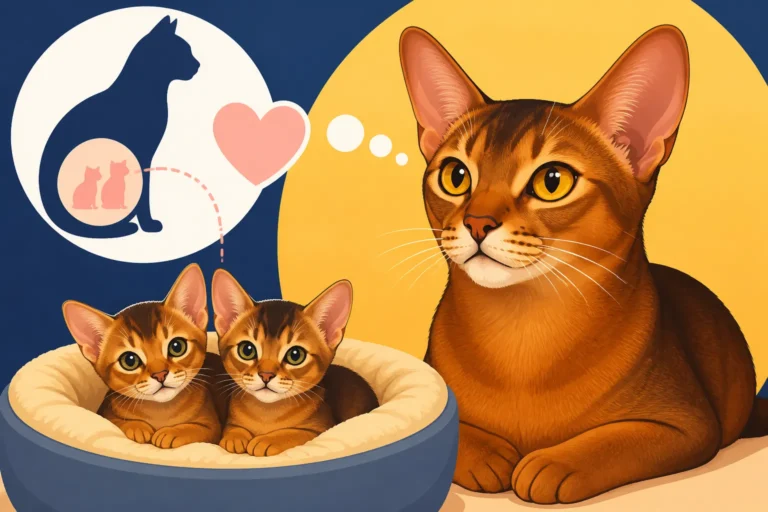
Abyssinian litter sizes vary based on age, health, and history, but a small group can still be completely normal and healthy.
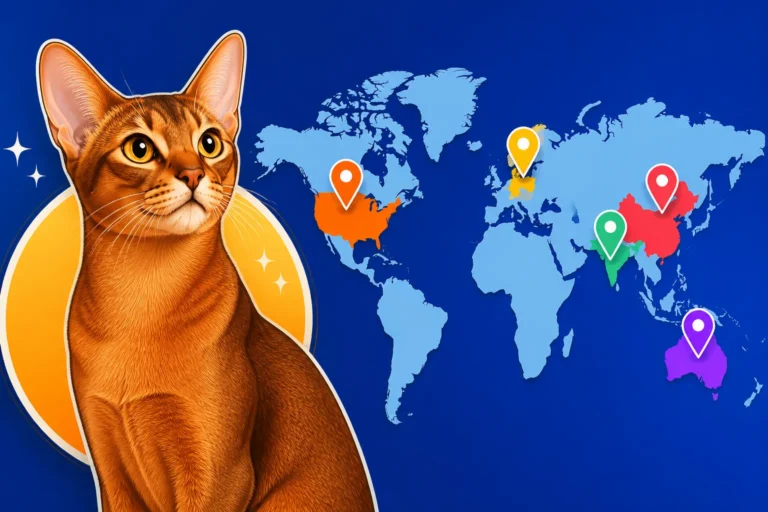
Abyssinian breeder locations in the United States, United Kingdom, Europe, Australia, Canada, and Asia help buyers find active catteries.
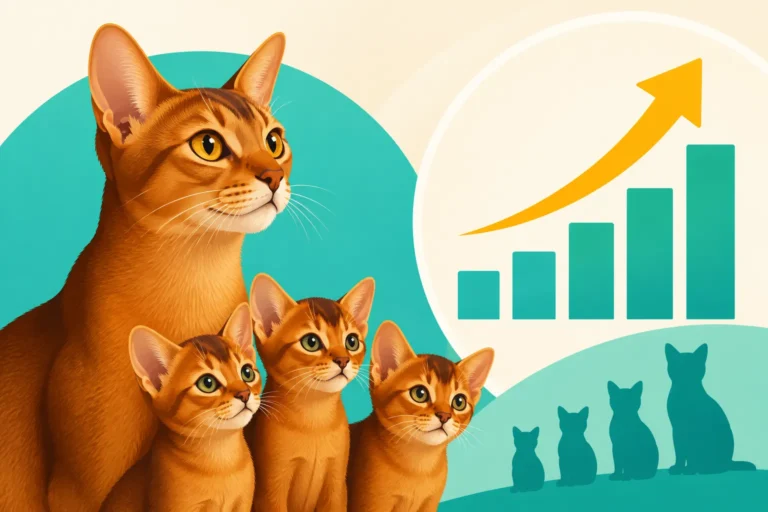
Abyssinian kitten registration numbers show entries in one organization, not total births, sales, or living cats.
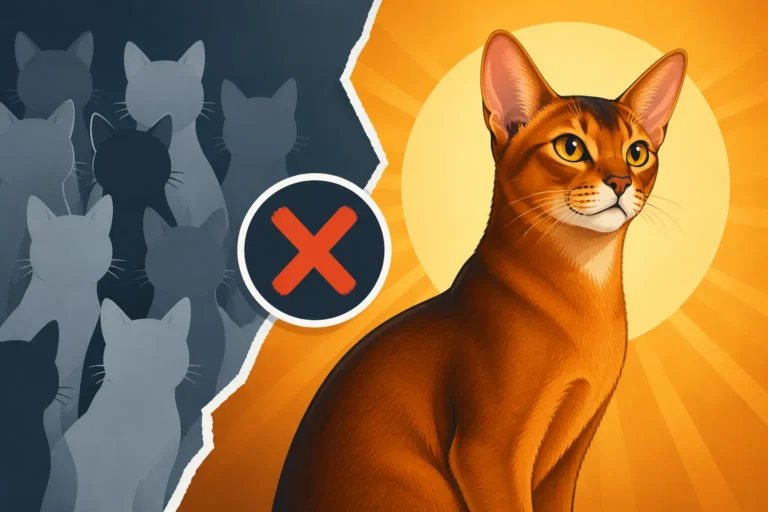
Abyssinian cats remain a specialized choice because of limited supply, modest litter sizes, and energetic, specific temperaments.
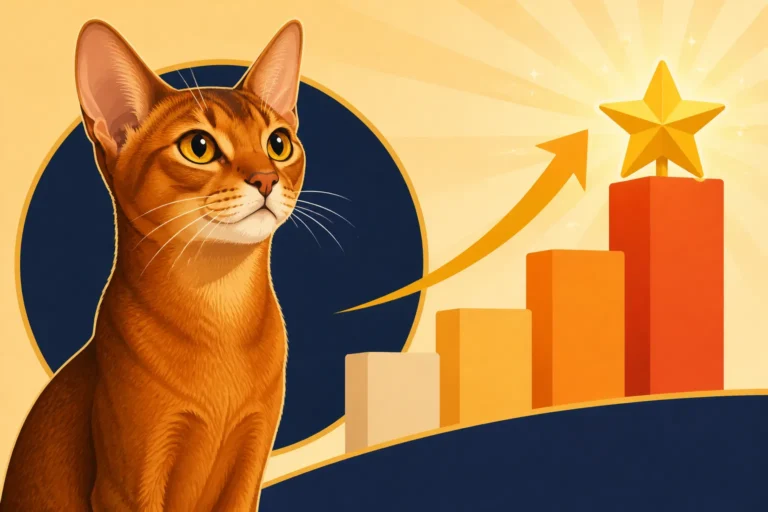
Abyssinian popularity in Cat Fanciers Association registration rankings reflects specific organization data rather than total household numbers.
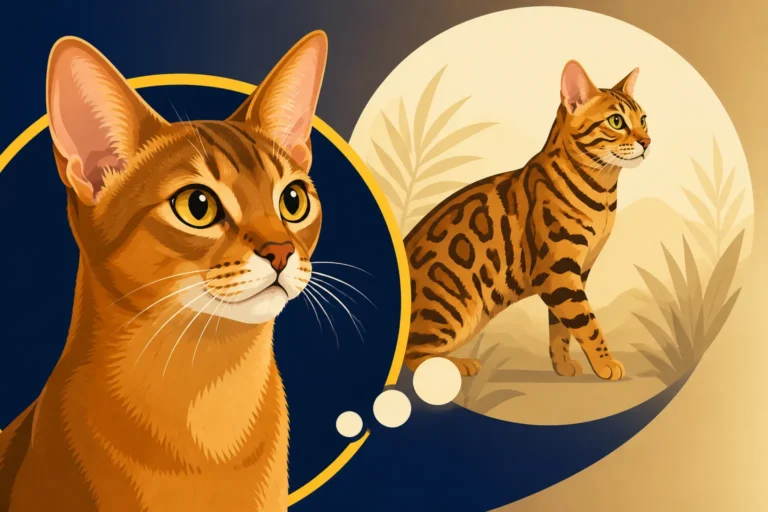
Bengal cat history and possible Abyssinian ancestry, explaining early domestic foundation breeding and how to check pedigrees.
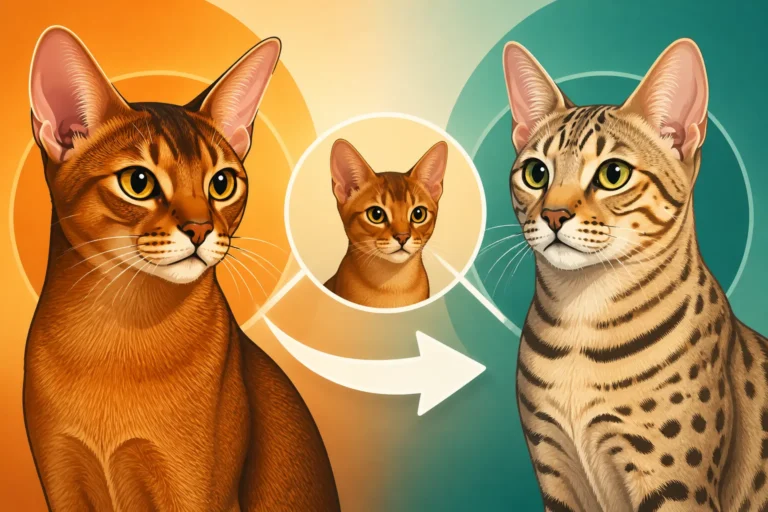
Virginia Daly developed the spotted Ocicat in the 1960s using Abyssinian, Siamese, and American Shorthair cats.
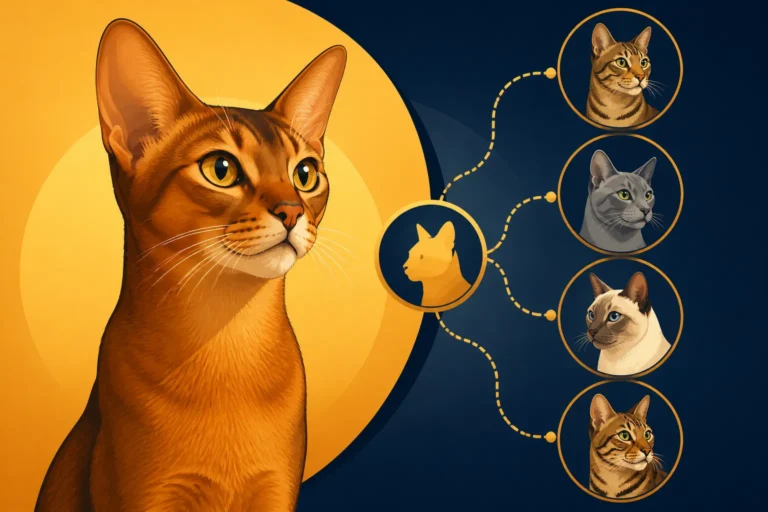
Abyssinian ancestry helped establish the Ocicat and Australian Mist, while the Somali developed from longhaired Abyssinians.
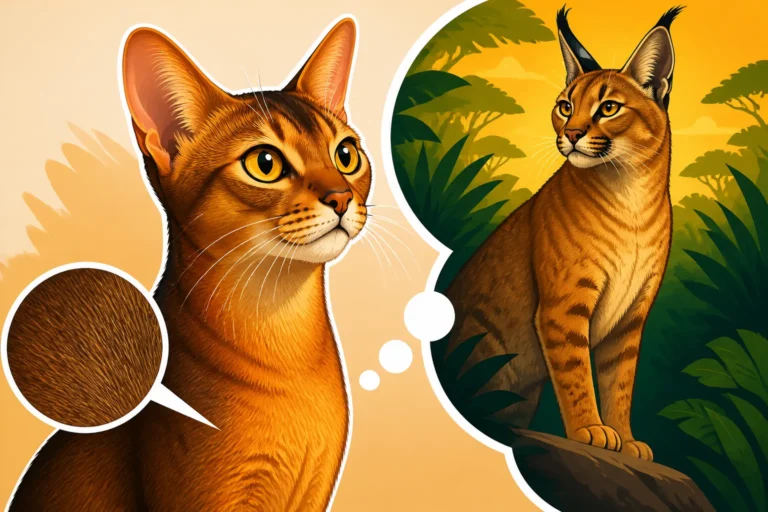
An Abyssinian cat looks like a wild animal due to its ticked coat, lean athletic build, and alert facial features.
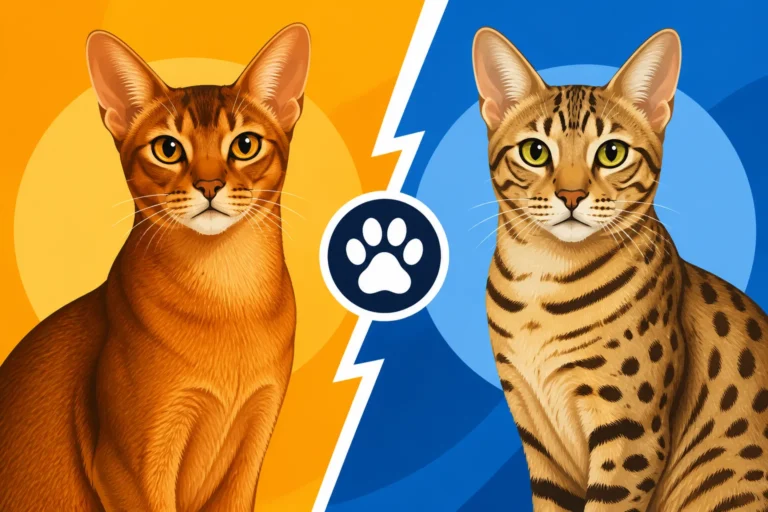
Abyssinian and Ocicat cats differ mainly in their ticked and spotted coats, athletic builds, and distinct histories.