Whether an Abyssinian Is the Right Cat for You
Abyssinian cat care and temperament requirements help owners assess breed compatibility for active households.
Is this the right one for you?
Origins and temperament, size and coat, what living with one is actually like, and how it compares to the breeds people weigh against it.
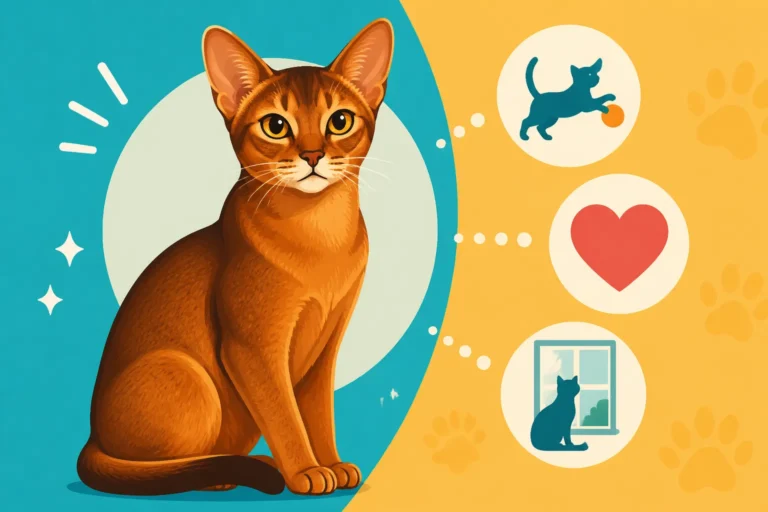
Abyssinian cat care and temperament requirements help owners assess breed compatibility for active households.
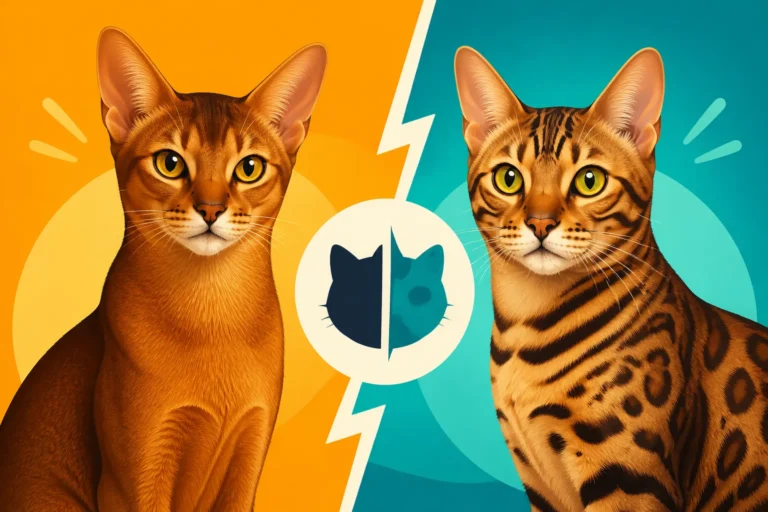
Abyssinian and Bengal cats differ in coat patterns and body types, comparing ticked agouti coats with rosettes and muscular builds.
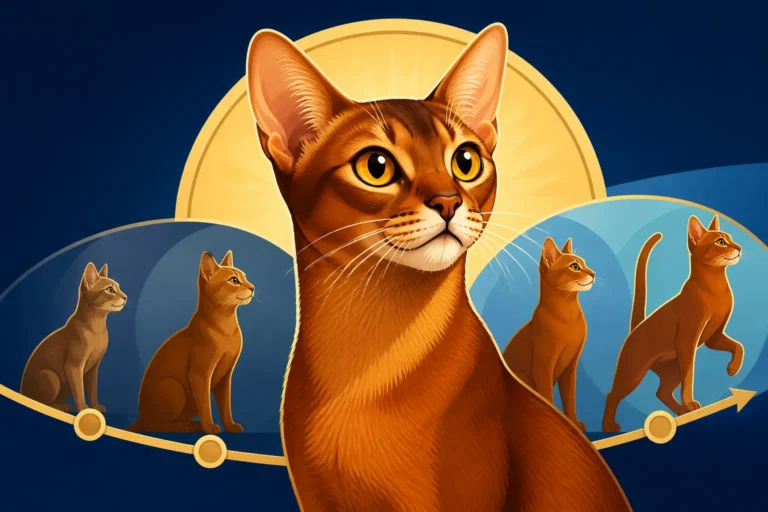
The Abyssinian cat maintains popularity for one hundred fifty years through intelligence, curiosity, and active companionship.
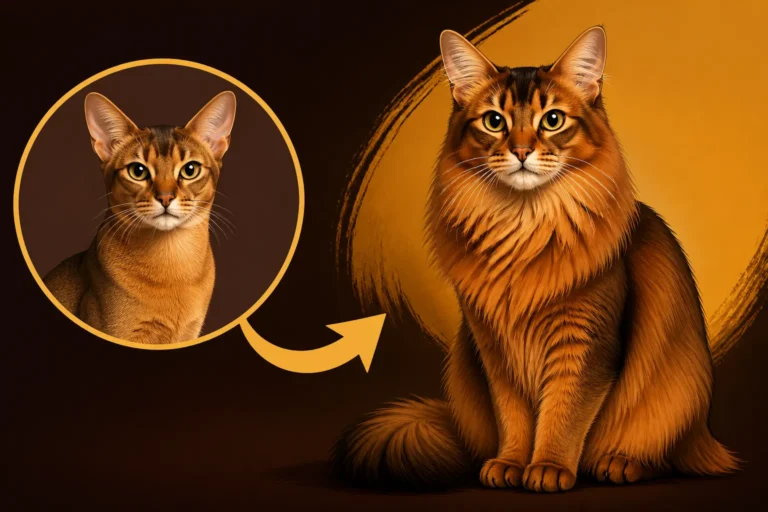
The Somali cat shares a genetic link with the Abyssinian breed, featuring distinctive ticked hair bands and minimal shedding.
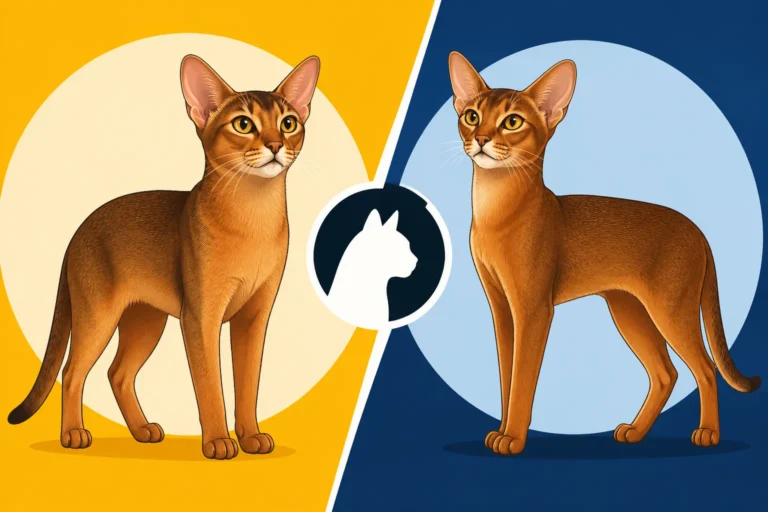
Abyssinian breed standards explain the physical traits, athletic build, and ticked coat evaluated by cat show judges.
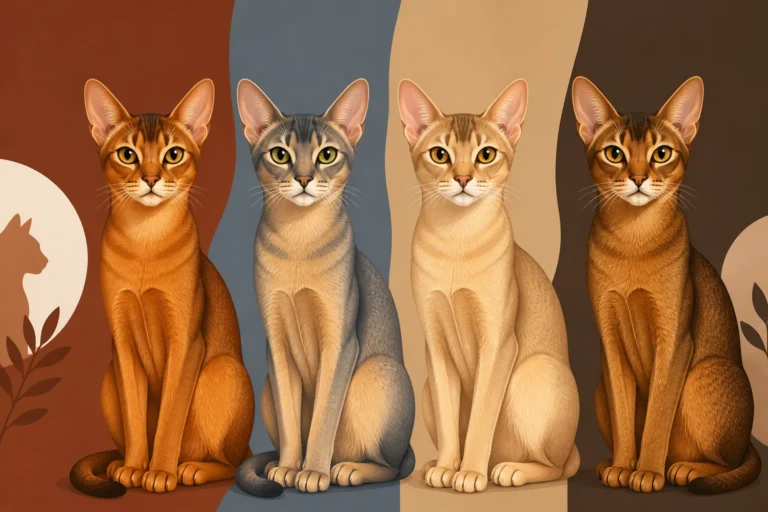
Abyssinian cats and their unique ticked coats featuring alternating light and dark bands across each individual hair strand.
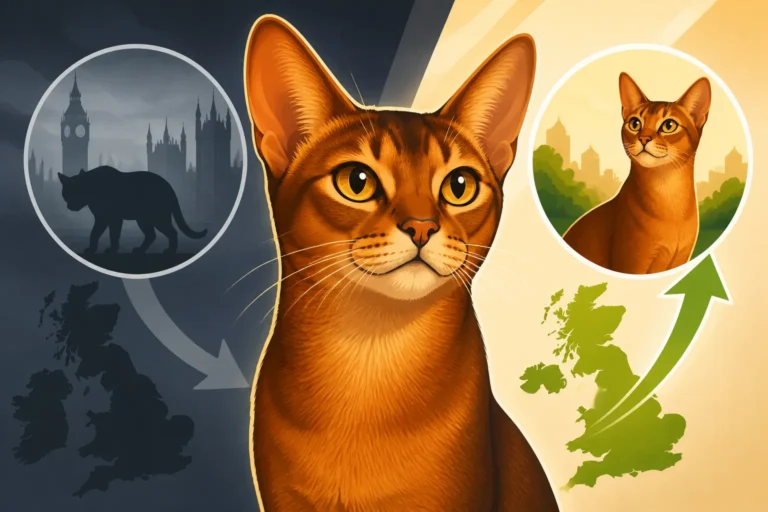
The Abyssinian cat breed faced near extinction twice in Britain due to small population numbers and limited genetic diversity.
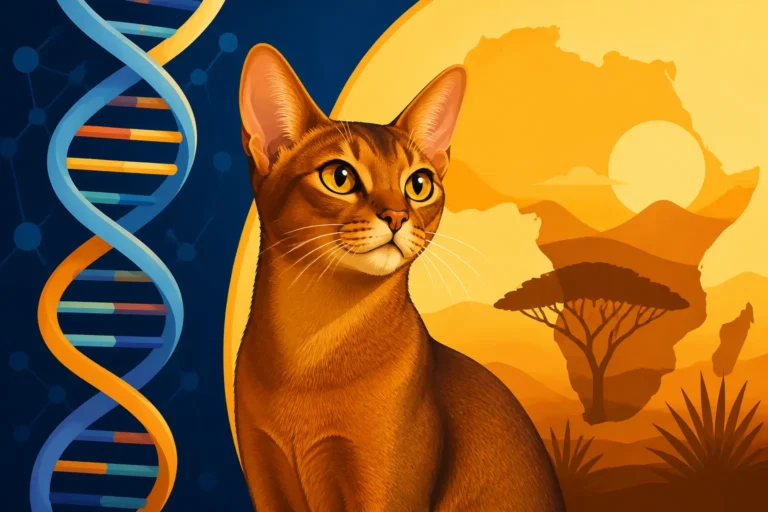
Genetic studies examine the 1868 Abyssinian War and sparse records to reveal the true origin of the Abyssinian cat.
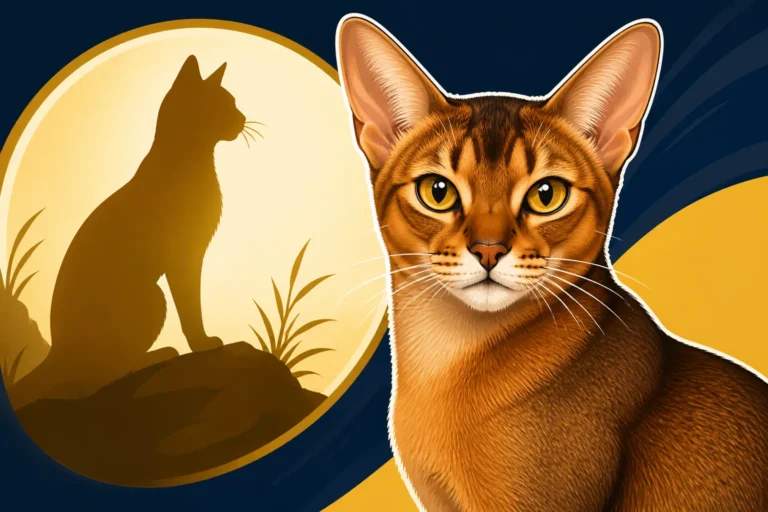
Abyssinian cat origins and the 1868 legend of Zula are contrasted with historical records and modern genetic science.
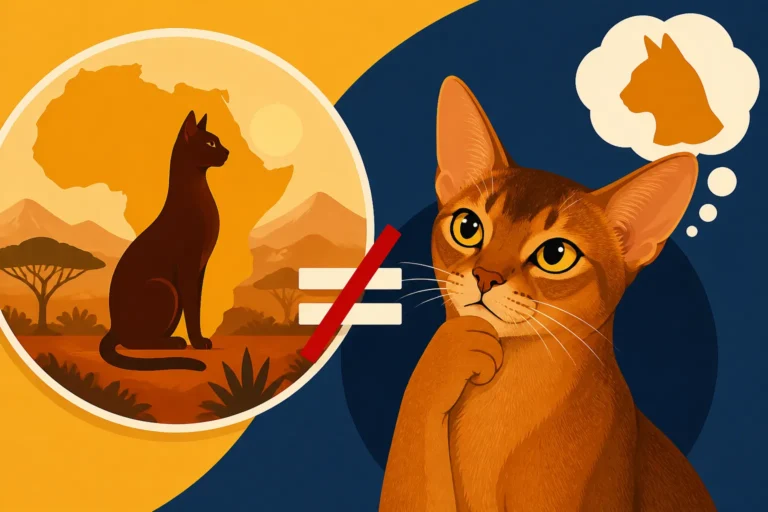
The romantic legend of a cat named Zula links the breed to modern-day Ethiopia, but genetics and historical records are exposing cracks in the story.