What an Abyssinian Looks Like Against the Show Standard
When you welcome an Abyssinian into your home, you’re bringing in a truly unique and active feline companion. But have you ever wondered what makes an Abyssinian look like an Abyssinian, especially in the eyes of judges at cat shows? It's more than just a beautiful ticked coat; there’s a whole set of characteristics that define this breed, and understanding them helps you appreciate your own Aby even more, whether they're a showstopper or your cherished family pet. This guide will walk you through the precise features that constitute the Abyssinian breed standard, exploring everything from their athletic build to their expressive eyes and that iconic coat.
The Abyssinian's Overall Impression: Grace and Agility
The moment you see an Abyssinian, you’re struck by an impression of lively intelligence and inherent grace. They carry themselves with an air of regal confidence, always ready for action. The breed standard really emphasizes this overall athletic, well-proportioned look – it’s not just about individual features, but how they all come together to create a harmonious and active cat. Think of it as a finely tuned athlete, where every part serves a purpose in supporting its incredible agility and endless curiosity.
A Study in Motion: The Abyssinian's Athletic Build
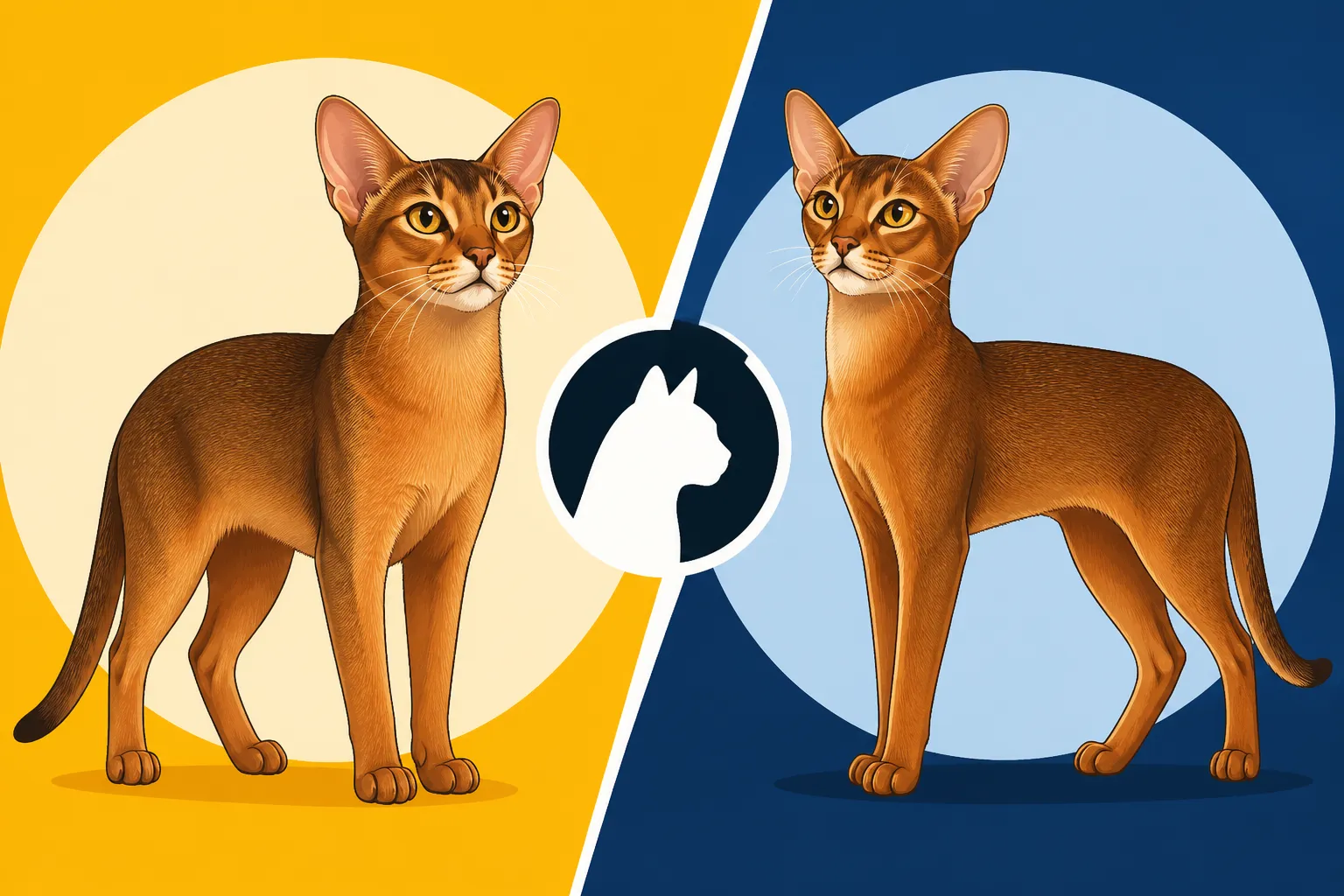
An Abyssinian isn't built for lounging around all day, even if they do enjoy a good nap in a sunbeam. Their body is a testament to their heritage as an active, "busy" cat. The standard calls for a body that is medium in size, muscular, and lithe, with a graceful, long, and flexible arch to the back when standing. This allows for the impressive leaps and bounds they are so famous for. They possess a remarkable blend of power and elegance, making them seem almost spring-loaded and constantly ready to pounce on a toy or explore a new height.
Their athletic build isn't just for show; it's deeply ingrained in their behavior. An Aby’s body is designed for climbing, jumping, and exploring every nook and cranny of your home. They utilize every muscle, from their strong hindquarters that launch them onto high shelves to their agile paws that navigate narrow ledges with ease. This active conformation is what makes them such engaging and entertaining companions, always on the go and rarely sitting still for long. The Abyssinian Is the Busiest Cat in the House is not just a saying; it's reflected in their very physique.
The Ticked Coat: Defining Feature of the Abyssinian
While we’ll delve deeper into the coat specifics later, it’s impossible to talk about the overall Abyssinian impression without mentioning their signature ticked coat. This isn't just any short hair; it's a coat that glows with a unique warmth and depth of color, making them appear almost iridescent as they move. Each individual hair carries bands of color, creating a shimmering effect that utterly defines the breed. This ticking means they don’t have obvious stripes or spots on their body, lending them a sleek, uniform appearance that accentuates their lean musculature.
The ticked coat is truly what sets them apart visually from most other shorthaired breeds. It’s often compared to the coat of a wild rabbit or puma, which contributes to their slightly wild, exotic look. This absence of barring or blotches on the torso is a hallmark of the breed and something judges scrutinize closely. It’s part of the magic that makes an Abyssinian’s movement so captivating, with the light playing off the different color bands as they gracefully navigate their environment. The Ticked Coat Is the Whole Abyssinian Grooming Job and it's because it's such a crucial and distinctive feature.
The Importance of Balance and Proportion
In the world of cat shows, an Abyssinian isn't just a collection of attractive parts; it’s the harmony of those parts that truly counts. The breed standard places a huge emphasis on balance and proportion. Every feature, from the size of their ears to the length of their tail, should complement the rest of their body, contributing to an overall picture of symmetrical elegance. No one feature should be overly dominant or appear out of place. This ensures that the cat is not only beautiful but also functionally sound, allowing for its characteristic energetic movements without impediment.
Imagine a finely sculpted statue where every curve and angle is deliberate and contributes to the overall aesthetic. That’s the ideal an Abyssinian breeder strives for. A cat with disproportionately large ears, for example, or a tail that's too short, would break this crucial balance. This focus on proportion also ties into their health; a well-proportioned cat is typically one that moves fluidly and comfortably. It's a holistic view that ensures the Abyssinian remains true to its athletic and elegant form.
The Head: Expressive Eyes and Distinctive Ears
The Abyssinian’s head is one of its most striking features, often described as having an alert, intelligent, and slightly exotic expression. It’s where you truly see the "wild" heritage many associate with the breed, albeit softened by generations of careful breeding. The eyes and ears, in particular, play a significant role in creating this captivating look, pulling you in with their intensity and framing a face that is constantly engaged with its surroundings.
The Modified Wedge: Abyssinian Head Shape
The Abyssinian’s head is described as a "modified wedge" shape. This isn't a sharp, angular wedge, but rather a gentle contour with soft planes. It should be slightly rounded without any flat spots, and the muzzle should flow smoothly into the cheekbones, avoiding any "pinched" appearance. From the front, you can see a gentle curve from the brow, over the skull, and down to the neck, giving a sense of fluid lines. This elegant head shape provides the perfect canvas for their large, expressive eyes and ears.
A common fault in the show ring might be a head that is too long or too short, or one with a pronounced stop (a sudden break) in the profile. The ideal Abyssinian head should have a gentle, unbroken curve when viewed from the side, from the top of the head down to the tip of the nose. This smooth, elegant profile contributes significantly to the breed's refined appearance and intellectual gaze. How an Abyssinian's Head and Ears Are Judged goes into even more detail on the nuances here, but the key is that flowing, gentle wedge.
Large, Alert Ears: Framing the Abyssinian Face
The ears of an Abyssinian are another hallmark of the breed. They are notably large and wide-set, giving the cat a perpetually alert and curious expression. The standard specifies that the ears should be broad at the base, moderately pointed, and tilted forward as if constantly listening. Tufting (small lynx tips) may be present, but it’s not a requirement, nor is it a fault. These large ears amplify their already keen senses and add to their "wild cat" aesthetic, perfectly framing their face.
The placement of the ears is just as important as their size. They should be set wide apart, continuing the lines of the wedge-shaped head, rather than being placed too high or too close together. This wide placement contributes to the open, intelligent expression that Abyssinian owners adore. When your Aby swivels its large ears to catch every whisper, it’s not just a sign of their attentiveness, but also a beautiful example of their adherence to the breed standard.
Eyes That Captivate: Green, Gold, or Copper
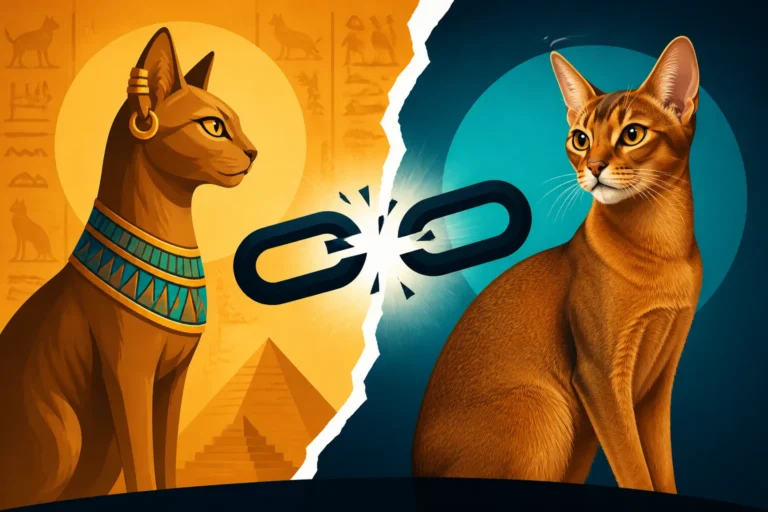
Perhaps the most captivating feature of the Abyssinian's face is their eyes. They are large, almond-shaped, and incredibly expressive, conveying deep intelligence and an insatiable curiosity. The standard allows for intense gold, green, or copper colors, with a preference for richness and depth of hue. What truly makes them stand out, however, is the fine dark line that encircles each eye, often likened to the ancient Egyptian "kohl" eyeliner. This dark rim accentuates their eye color and gives them an almost mystical gaze.
The shape and setting of the eyes are critical. They should be wide-set and neither round nor oriental (slanted upwards) in shape. The almond shape gives them that distinct, slightly exotic look. The combination of the dark rim and the striking eye color is what makes an Abyssinian's glance so memorable and adds immensely to their overall appeal. Whether they have piercing emerald eyes or warm, molten gold, the intensity is always there, reflecting their vibrant inner life.
The Body: Lean, Muscular, and Elegant
An Abyssinian’s body is truly a masterpiece of feline architecture, designed for explosive energy and graceful movement. It's a blend of strength and refinement, showcasing muscles without bulk and length without awkwardness. This is why when you feel an Abyssinian, you don't feel much fat, but rather a firm, athletic form beneath their silky coat.
Medium Size with a Powerful Core
The Abyssinian is considered a medium-sized cat, but don't let that fool you into thinking they're dainty. The standard describes them as having a firm, muscular body that is lithe and well-developed. There should be a powerful, almost coil-like feel to their core, hinting at the strength ready to be unleashed in a playful chase or a gravity-defying leap. This core strength is vital for their acrobatic lifestyle. What an Abyssinian's Body Type Is Called often refers to this as a "foreign" body type, characterized by its svelteness and muscle.
Unlike some heavier-boned breeds, the Abyssinian maintains a sleek, elegant profile. There’s no excessive substance or heavy boning, which would hinder their agility. They are typically longer than they are tall, giving them a streamlined appearance that helps them navigate tight spaces and achieve impressive speeds during their zoomies. This balance between medium size and powerful musculature is a key component of their athletic appeal, ensuring they remain the energetic, active companions we know and love.
Legs and Paws: Built for Leaping
Complementing their muscular body are their fine, graceful legs. The standard dictates that the legs should be long and slender, yet well-muscled and in proportion to the body. The hind legs are slightly longer than the front legs, contributing to that distinctive "on tiptoe" stance that Abyssinians often adopt. This leg structure is perfectly engineered for their incredible jumping ability, allowing them to launch themselves upwards with remarkable ease, whether it's onto your shoulder or the highest shelf.
Their paws are described as small, oval, and compact, again in proportion to their elegant legs. They often have a slightly arched appearance when standing, giving them that almost dainty, "hare-footed" look. These agile paws are not only good for graceful landings but also for their curious explorations; an Aby’s paws are adept at manipulating objects, batting toys, and even opening cabinets. Ensuring they have appropriate scratching posts, perhaps found at a place like Chewy, is crucial to maintaining their healthy paws and claws. Why an Abyssinian Needs More Vertical Furniture Than Most Cats is directly linked to these powerful legs and agile paws.
The Tail: A Balancing Act
The Abyssinian’s tail is an essential part of its athletic toolkit, acting as a natural counterweight for balance during their energetic exploits. The standard calls for a tail that is long, thick at the base, and tapering to a point. It should be in proportion to the rest of the body, neither too short nor excessively bushy. A good, long tail is what helps them maintain their equilibrium when making those incredible leaps and tight turns.
Just like their coat, the tail should also exhibit the ticking pattern, though it often appears slightly darker at the tip. A tail that is too thin, too short, or kinked would be considered a fault in the show ring, as it affects both the aesthetics and the functional balance of the cat. Observing your Abyssinian’s tail during play, you’ll see it switch and swish with purpose, a clear indicator of its importance in their active life.
The Coat: A Symphony of Color and Texture
The Abyssinian coat is undoubtedly its crowning glory, a defining characteristic that captivates with its unique blend of texture and vibrant color. It’s not just a coat; it’s a dynamic, shimmering canvas that reacts to light and movement, making each Abyssinian a living piece of art. The standard for the coat is incredibly specific, reflecting centuries of careful breeding to achieve this distinctive appearance.
Agouti Ticking: The Heart of the Abyssinian Coat
The most crucial feature of the Abyssinian coat is its agouti ticking. This means that each individual hair has multiple bands of color along its length, typically with darker bands at the tip and lighter bands closer to the skin. This alternating pigmentation gives the coat its characteristic shimmering, iridescent quality, preventing any distinct stripes or blotches from forming on the body. It’s this ticking that makes the Abyssinian appear to glow from within as it moves. How Many Bands an Abyssinian Hair Carries usually refers to three or four bands of color per hair shaft.
The depth and evenness of this ticking are paramount in the show standard. Judges look for uniform ticking across the body, with a clear absence of tabby markings, such as mackerel stripes or spots, which would be considered a serious fault. The undercoat should be a richer, warmer shade of the base color, providing depth to the overall appearance. This lack of an insulating undercoat is also why Abyssinians can feel quite warm to the touch.
Accepted Colors: Ruddy, Sorrel, Blue, and Fawn
While the ticking pattern is consistent across the breed, Abyssinians come in four recognized primary colors, each with its own unique beauty:
- Ruddy: This is the most traditional and commonly seen Abyssinian color, often referred to as "Usual" in some regions. It features a rich, warm reddish-brown base color, ticked with black. The undercoat is a deep apricot or orange-brown, giving the overall impression of a sun-drenched, wild cat. The nose leather is brick red, and the paw pads are black or brown.
- Sorrel: Sorrel Abyssinians are often described as cinnamon or red. Their base color is a rich, coppery red, ticked with chocolate brown. This color offers a warmer, brighter overall appearance than the ruddy. The nose leather is pinkish-red, and the paw pads are pink.
- Blue: The Blue Abyssinian is a dilute version of the ruddy. Their coat is a soft, warm blue-grey, ticked with a darker slate blue. The undercoat is a dusty beige or cream. This creates a softer, more muted look compared to the ruddies and sorrels. The nose leather is old rose, and the paw pads are blue-grey.
- Fawn: The Fawn Abyssinian is the dilute of the sorrel, making it the palest of the four recognized colors. Their coat is a delicate warm rose-beige, ticked with a deeper cocoa-brown or mushroom color. The undercoat is a light cream. This is a truly exquisite and subtle color. The nose leather is pink, and the paw pads are pink.
[Accepted Colors: Ruddy, Sorrel, Blue, and Fawn] covers these beautiful variations in more detail. Each color offers a distinct aesthetic, but all share the common thread of the iconic ticking pattern.
What Judges Look for in Coat Quality
Beyond color, the quality and condition of the coat are critically important for the show standard. Judges are looking for a coat that is short, fine, and lies close to the body, giving it a sleek, polished appearance. It should be soft and silky to the touch, without any coarseness or woolliness. The shimmer and glow created by the ticking are also assessed, particularly as the cat moves, revealing the depth and warmth of its color.
A healthy coat is a vibrant coat, and this speaks volumes about the cat's overall well-being. A dull, sparse, or matted coat would be a severe fault, as it detracts from the Abyssinian’s natural elegance. While Abyssinians don't require extensive grooming, a weekly brush with a soft mitt can help maintain this pristine condition, removing loose hairs and enhancing the natural shine. You can find many suitable grooming tools for this specific coat type on sites like Chewy. What an Abyssinian's Coat Should Feel Like in the Ring emphasizes the importance of a smooth, close-lying texture.
Disqualifications and Faults: What to Watch For
While the breed standard describes the ideal Abyssinian, it also explicitly lists characteristics that are considered faults or even outright disqualifications in the show ring. These are not merely aesthetic preferences; they often relate to the genetic purity of the breed, its health, or its characteristic temperament. Understanding these helps pet owners appreciate why careful breeding is so important and what to avoid if they're considering a show-quality cat.
Unacceptable Markings: The Tabby Curse
One of the most significant disqualifications for an Abyssinian in the show ring is the presence of tabby markings or barring on the body, legs, or tail. The very essence of the Abyssinian coat is its agouti ticking, which should appear uniform without any distinct stripes, spots, or "ghost" markings. While some very subtle barring might be seen on the legs of a very young kitten, it should completely disappear as the cat matures. Persistent striping, especially a "necklace" marking on the chest or rings on the tail, would be severely penalized.
This strict rule reinforces the unique identity of the Abyssinian coat. Any sign of overt tabby patterns suggests an outcross to other breeds or a genetic throwback that deviates from the established standard. For a pet owner, these markings don't affect the cat's health or personality, but for a breeder aiming for show quality, it's a critical genetic consideration that must be carefully managed through selective breeding and adherence to Why Two Clear Abyssinian Parents End the Problem of passing on undesirable traits.
Physical Imperfections: More Than Just Aesthetics
Beyond coat markings, several physical imperfections can be considered faults or disqualifications. These often impact the cat's overall balance, health, or adherence to the breed's distinct structure. For instance, an incorrect number of toes (polydactyly), a kinked or abnormally short tail, or any signs of physical lameness would be disqualifying. Extreme deviations from the head or body shape, such as a flat skull or a cobby (heavy-boned) body type, would also lead to serious deductions.
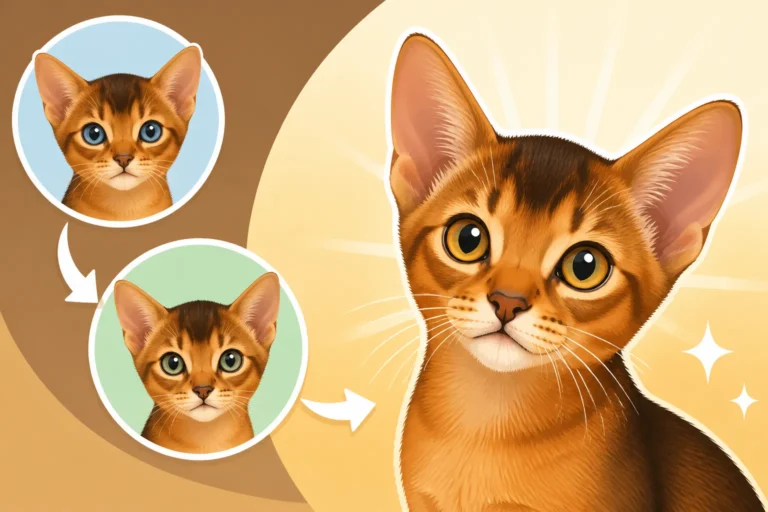
Eye color is also important; while green, gold, and copper are accepted, any other color, such as blue eyes, would be a disqualification. The eyes should also be free of obvious discharge or signs of chronic irritation. These standards exist not just for appearance, but often as indicators of overall health and genetic soundness. Reputable breeders work diligently to avoid these physical traits, emphasizing the well-being and structural integrity of their lines.
The Importance of a Sound Temperament
While not a physical feature, temperament is an unspoken part of the show standard and overall breed expectation. An Abyssinian is known for its outgoing, confident, and inquisitive nature. A cat that is overly shy, aggressive, or fearful in the show ring, or one that cannot be handled by a judge, would be heavily penalized or even excused. Abyssinians are typically friendly, engaging cats that enjoy interacting with people and exploring their surroundings.
A sound temperament speaks to the breed’s health and socialization. A well-bred Abyssinian should be curious rather than timid, and resilient rather than prone to stress. This isn't just for show success; it's what makes them such wonderful companions in a home environment. A good breeder prioritizes both physical health and a stable, characteristic Abyssinian personality.
Why the Standard Matters: Beyond the Show Ring
While breed standards are primarily used for judging cats in competition, their importance extends far beyond the show ring. They serve as a blueprint for the breed, guiding breeders, informing potential owners, and ultimately safeguarding the health and integrity of the Abyssinian cat. It's about more than just pretty looks; it's about preserving what makes an Abyssinian an Abyssinian.
Preserving Breed Integrity and Health
The breed standard acts as a critical document for maintaining the unique characteristics that define the Abyssinian. Without a clear standard, breeders might make choices that inadvertently dilute the breed's distinctive traits or introduce undesirable features. It ensures that an Abyssinian today still closely resembles the Abyssinian of generations past, preserving its iconic look and temperament.
Furthermore, a well-thought-out standard often indirectly promotes health. By emphasizing traits like a proportionate body, clear eyes, and a sound temperament, it encourages breeders to select for robust, healthy animals. While no standard can prevent all health issues, a focus on structural soundness and vitality contributes to a generally healthier gene pool. Which Four Diseases the Abyssinian Actually Carries are known issues that diligent breeders also screen for, alongside adherence to the physical standard.
Guiding Ethical Breeding Practices
For ethical breeders, the standard is their bible. It provides clear guidelines on which traits to select for and which to avoid, helping them make responsible breeding decisions. It discourages the pursuit of exaggerated features that might compromise a cat’s health or well-being, instead promoting a balanced, functional physique. A breeder striving to produce show-quality Abyssinians will constantly refer back to the standard, not just for exhibition, but for every mating decision they make.
This adherence to the standard is also why reputable breeders are so transparent about their cats' pedigrees and health screenings. They are invested in producing cats that embody the best of the breed, both in appearance and in health. When you purchase an Abyssinian from such a breeder, you're not just getting a pet; you're supporting the continuation of careful, ethical breeding practices that uphold the integrity of the entire Abyssinian line.
What it Means for the Pet Owner
For the average pet owner, their Abyssinian might never set foot in a show ring, and that's perfectly fine! However, understanding the breed standard still offers valuable insights. It helps you appreciate the unique beauty of your own Aby, recognizing the specific features that make them part of this distinguished breed. It also gives you a deeper understanding of their inherent athleticism and intelligence, which are reflected in the standard's description of their physical form.
Knowing the standard can also help you identify what constitutes a well-bred Abyssinian. Even if you're looking for a companion animal, a cat that closely adheres to the standard is more likely to be structurally sound, healthy, and possess the characteristic engaging temperament. This knowledge empowers you to ask informed questions of breeders and appreciate the care that goes into producing these magnificent felines.
Practical Implications for Abyssinian Owners
Bringing an Abyssinian into your home means embracing their unique needs, many of which are directly influenced by their physical characteristics described in the breed standard. Their active nature, their specific coat type, and their general physique all have practical implications for how you care for them daily.
Grooming for Coat Health and Appearance
The Abyssinian’s short, fine, ticked coat is relatively low maintenance, but it still benefits from regular care to maintain its show-stopping shimmer. Unlike long-haired breeds, they don't typically get matted, but a weekly brush helps remove loose hairs and distribute natural oils, enhancing the coat's natural luster. A rubber grooming mitt or a fine-toothed comb is usually sufficient. Over-grooming or using harsh brushes can actually damage the delicate ticking.
Remember, An Abyssinian Needs Brushing Once a Week and No More. This simple routine is enough to keep their coat in prime condition, reflecting their vibrant health. While they don't require bathing often, a bath might occasionally be needed for specific situations, but gentle, cat-specific shampoos are essential to preserve the integrity of their unique coat. Products like those found on Chewy are a good starting point for finding suitable grooming tools.
Understanding Your Abyssinian's Natural Physique
Your Abyssinian's lean, muscular build means they are naturally athletic and agile. They thrive on physical activity and need an environment that allows them to climb, jump, and explore. This isn't just a preference; it's a reflection of their physical design. Providing plenty of vertical space, such as tall cat trees, wall shelves, and perches, is crucial for their well-being. These elements allow them to exercise their powerful legs and maintain their toned physique.
It's also important to remember their tendency towards a lean body type. While Abyssinians are active and burn a lot of calories, monitoring their weight and ensuring they receive a high-quality, protein-rich diet is important. Any significant weight loss in a naturally lean Abyssinian can be a red flag for underlying health issues and should prompt a vet visit. Their body is a finely tuned machine, and changes in its condition are usually significant.
Ensuring an Enriching Environment for an Active Cat
Because their body is built for action, a truly happy Abyssinian needs an environment that caters to its high energy levels. Think about their powerful legs and agile paws – they need outlets for all that athleticism. Beyond vertical spaces, interactive play sessions are a must. Wand toys, laser pointers, and puzzle feeders can help keep their intelligent minds and active bodies engaged.
A bored Abyssinian, deprived of stimulation, might resort to less desirable behaviors, such as scaling your curtains or systematically exploring (and potentially rearranging) your cabinets. Their intelligence, combined with their physical prowess, means they need a constant challenge. Providing them with opportunities to express their natural behaviors, from climbing to "hunting" toys, is key to their physical and mental health. This active lifestyle is part and parcel of the Abyssinian package, beautifully reflected in every line of their breed standard.
Abyssinian Show Standard Overview
To give you a clearer picture, here's a summary of the key characteristics of the Abyssinian breed standard:
| Feature | Ideal Show Standard Description | Common Faults/Disqualifications |
|---|---|---|
| Overall Impression | Medium size, graceful, lithe, hard, muscular, alert, active, intelligent. | Cobby or coarse body; lethargic temperament. |
| Head | Modified wedge, slightly rounded contours, no flat planes, gentle curve from forehead to nose. | Flat skull, pinched muzzle, prominent nose break, too long/short. |
| Ears | Large, broad at base, moderately pointed, wide-set, tilted forward. | Small, low-set, too close together, or too high. |
| Eyes | Large, almond-shaped, wide-set, expressive; gold, green, or copper with dark rims. | Round or oriental, small, close-set; any other color (e.g., blue). |
| Body | Medium length, firm, muscular, graceful arch to back; proportionate, balanced. | Cobby, too long/short, lack of muscle definition. |
| Legs & Paws | Long, slender, well-muscled legs (hind slightly longer); small, oval, compact paws. | Short or heavy legs, splayed or clumsy paws, incorrect number of toes. |
| Tail | Long, thick at base, tapering to tip; proportionate to body; no kinks. | Short, blunt, kinked, or unusually bushy. |
| Coat | Short, fine, soft, silky, lying close to body; rich, warm color with agouti ticking. | Coarse, woolly, too long; any tabby barring (stripes, spots), dull color. |
| Colors | Ruddy, Sorrel, Blue, Fawn; clear, even ticking. | Any other color (e.g., silver, chocolate, tortie), uneven ticking. |
| Temperament | Intelligent, alert, active, curious, adaptable, friendly. | Shy, aggressive, fearful, unhandleable. |
Disclaimer
This article is for general informational purposes only and does not constitute professional advice. Laws, prices and regulations vary by location and change over time. Consult a qualified professional for guidance on your specific situation.