Which Four Diseases the Abyssinian Actually Carries
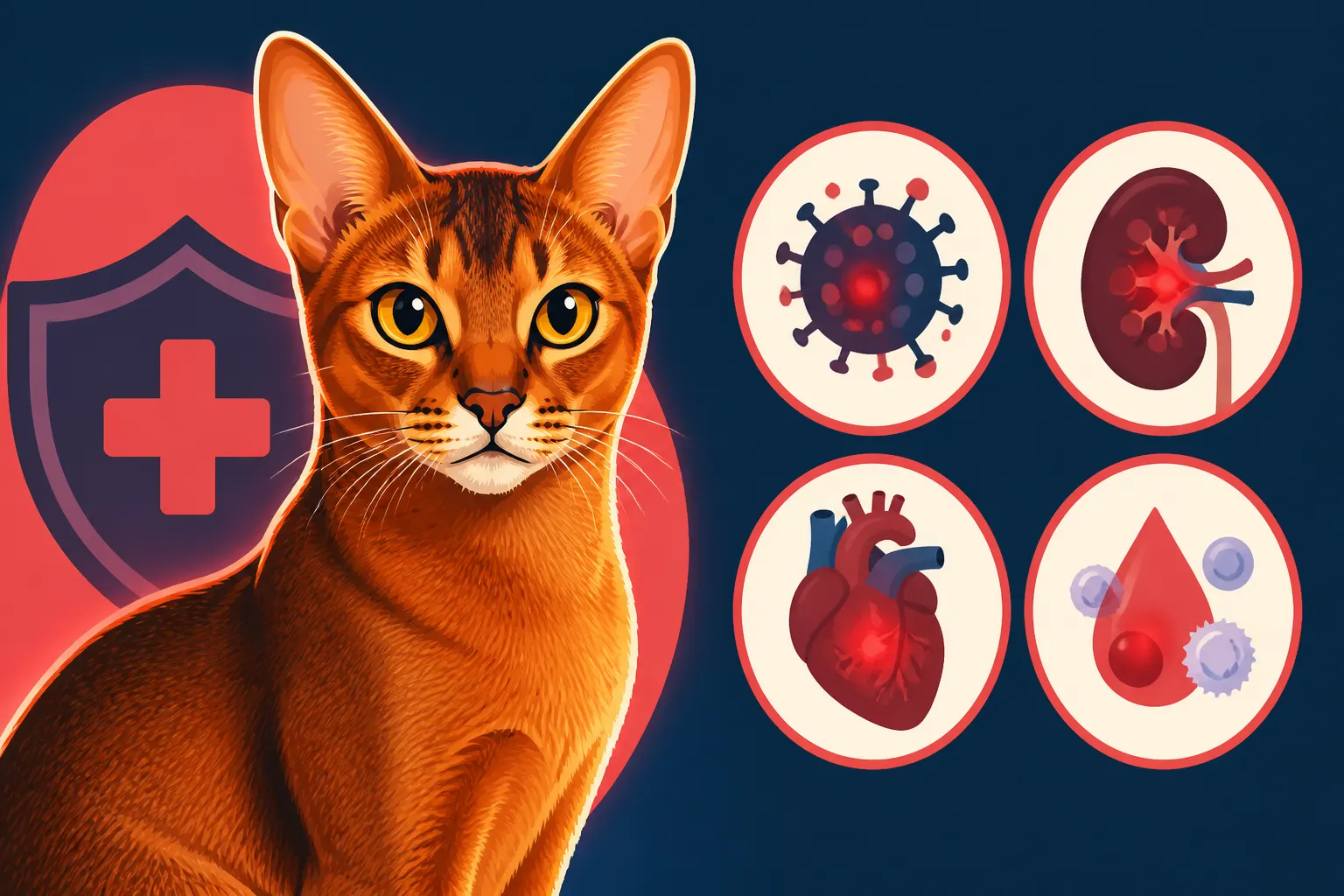
Bringing an Abyssinian into your home is an incredible adventure, full of energetic leaps and endless curiosity. But it's also a serious commitment, and that means being aware of the specific health challenges this wonderful breed can face. Many potential owners feel overwhelmed trying to decipher complex medical jargon and wonder what truly lies ahead. This guide aims to clear up the confusion by exploring the four key health issues Abyssinians are known to carry, helping you understand what to look for and how to prepare.
Unraveling the Abyssinian's Genetic Blueprint
Understanding the health predispositions of any purebred cat, especially one as active and unique as the Abyssinian, is absolutely essential. While we adore their spirited personalities and stunning ticked coats, responsible ownership means diving deep into their genetic background. It’s not about fear-mongering, but about empowering you with knowledge so you can provide the best possible care throughout their vibrant lives.
The Importance of Genetic Testing
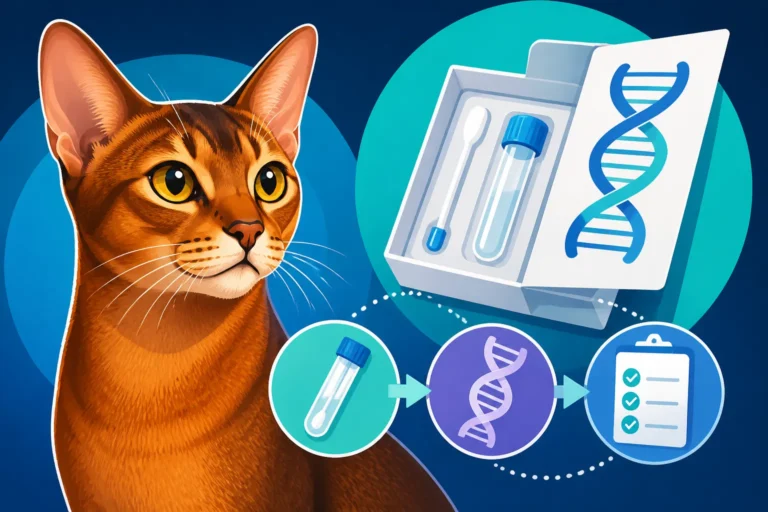
Genetic testing has revolutionized how breeders and owners approach cat health. For Abyssinians, specifically, it means we no longer have to guess about certain inheritable conditions. Breeders committed to the health of the breed will meticulously test their breeding cats for known mutations, ensuring they don't unknowingly pass on serious diseases to future generations. This transparency is a cornerstone of ethical breeding and is your first line of defense in bringing home a healthy kitten. Learning How the Abyssinian's DNA Panel Is Ordered is a crucial step for any prospective owner.
When you're looking for an Abyssinian kitten, always ask to see the genetic test results for both parents. Don't just take their word for it; reputable breeders will be proud to share certificates from labs like Optimal Selection or UC Davis. These tests verify whether a cat is "clear," a "carrier," or "affected" by specific genetic mutations. While carriers might not show symptoms themselves, they can pass the gene to their offspring, so understanding How a Carrier Abyssinian Differs From an Affected One is paramount for breeding decisions.
Why Lineage Matters Beyond DNA
Even with comprehensive genetic testing, there are some health concerns that aren't tied to a single, identifiable gene mutation that we can test for yet. This is where understanding a cat's lineage and family health history becomes incredibly important. A good breeder tracks the health outcomes of their cats for generations, looking for patterns of illness that might indicate a predisposition within a specific line. This historical data provides invaluable insights that no DNA test can offer.
For example, a breeder might be able to tell you if certain health issues, like early-onset kidney disease, have appeared in a cat’s grandparents or great-grandparents, even if there's no genetic test to screen for it. This information allows them to make informed breeding decisions, avoiding pairings that might increase the risk of these complex, multi-gene conditions. Always ask about the health history of the entire line, not just the immediate parents, when you are selecting your kitten. This is part of what What an Abyssinian Breeder Should Have Tested Before You Buy really means.
Pyruvate Kinase Deficiency (PKD): A Breakdown of Red Blood Cell Health
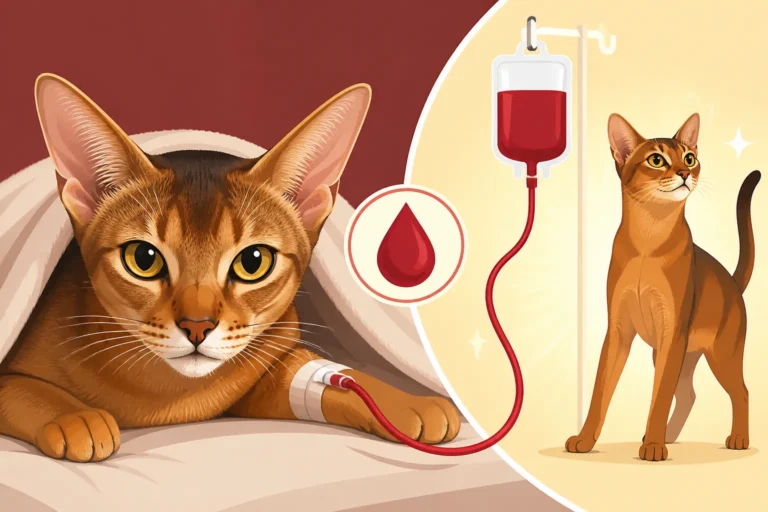
Pyruvate Kinase Deficiency, often simply called PKD, is a well-known genetic disorder in Abyssinians and Somalis. It's an inherited condition that affects an enzyme crucial for the survival of red blood cells. When this enzyme, pyruvate kinase, is deficient, red blood cells become fragile and break down prematurely, leading to a form of anemia. This can manifest in varying degrees of severity, and it's something every Abyssinian owner should be aware of.
Understanding the PKLR Mutation
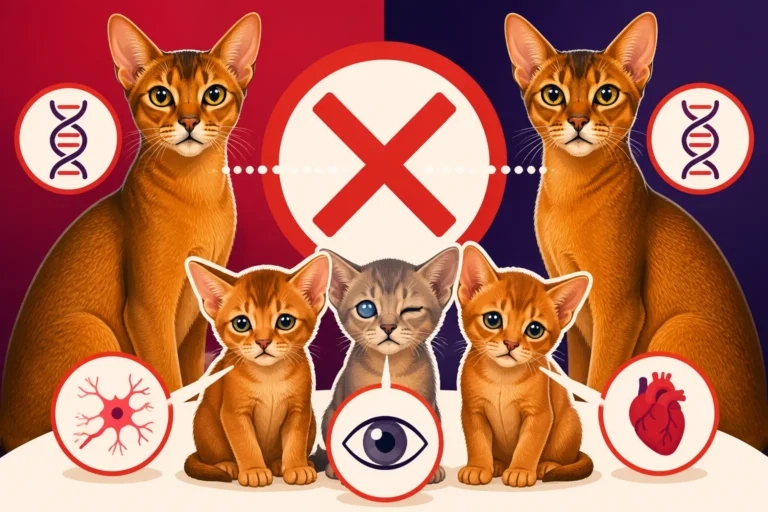
PKD is caused by a specific mutation in the PKLR gene. It's an autosomal recessive trait, which means a cat must inherit two copies of the mutated gene (one from each parent) to actually be affected by the disease. Cats that inherit only one copy of the mutated gene are considered carriers; they typically show no symptoms themselves but can pass the gene on to their kittens. This is why What PK Deficiency Does to an Abyssinian's Red Cells is so vital to understand for both breeders and owners.
The good news is that we have a highly reliable DNA test for PKD. This simple buccal swab test allows breeders to determine the genetic status of their cats (clear, carrier, or affected) before breeding. Responsible breeders will never breed two carriers together, as this pairing carries a 25% chance of producing affected kittens. This proactive testing has dramatically reduced the incidence of PKD in well-bred Abyssinian lines, highlighting why Pyruvate Kinase Deficiency Is the Abyssinian's Best Known Test and why it's so important for the breed's future.
Recognizing the Signs of Anemia
The symptoms of PKD can vary wildly, even among affected cats, and may appear intermittently. Some cats might experience severe, life-threatening anemia in early kittenhood, while others might live for years with mild, undetectable symptoms before experiencing a crisis in adulthood. Common signs to watch for include lethargy, weakness, pale gums, a reduced appetite, and a general lack of energy that is unusual for an Abyssinian's typically vibrant personality. In more severe cases, you might notice jaundice (a yellowing of the skin or eyes) due to the breakdown of red blood cells.
Because Abyssinians are so naturally energetic, they can often mask early signs of illness, making it even more important to be observant. If your Abyssinian seems quieter than usual, or if you notice any changes in their typical behavior or energy levels, a prompt veterinary check-up is in order. Your vet can perform blood tests to check for anemia and, if suspected, further investigate with specific enzyme tests or by sending a sample to a genetic lab if the cat's PKD status isn't known.
Managing Life with PK Deficiency
While there's no cure for PKD, management focuses on supportive care during anemic episodes. This can involve blood transfusions in severe cases, medications to stimulate red blood cell production, and dietary adjustments. Some affected cats may benefit from a splenectomy (removal of the spleen), as the spleen is where many of the fragile red blood cells are prematurely destroyed. This surgery can significantly improve the lifespan and quality of life for some individuals.
It's a long-term commitment to care for an Abyssinian with PKD, but with dedicated veterinary support, many affected cats can live fulfilling lives. Regular check-ups and open communication with your veterinarian are key to monitoring their condition and intervening promptly if an anemic crisis arises. Understanding this potential challenge allows owners to make informed decisions and ensure their beloved companion receives the best possible care.
Progressive Retinal Atrophy (PRA-rdAc): Protecting Their Precious Sight
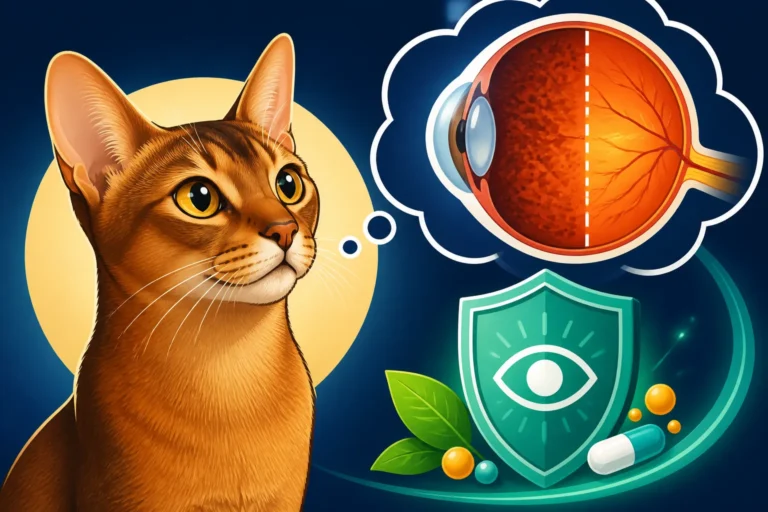
Progressive Retinal Atrophy (PRA-rdAc) is another inherited genetic condition common in Abyssinians that leads to the gradual deterioration of the retina. This devastating disease ultimately results in irreversible blindness. For a cat as agile and adventurous as an Abyssinian, losing their sight can be a profound challenge, making early awareness and prevention through genetic testing incredibly important.
How Sight Fades Over Time
The "rdAc" in PRA-rdAc stands for "rod-cone dysplasia, type Ac," referring to the specific cells in the retina (rods for low-light vision, cones for bright light and color) that are affected. In affected Abyssinians, these cells develop abnormally and then degenerate over time. Typically, the rods are affected first, meaning the cat will experience night blindness as one of the earliest symptoms. You might notice your Abyssinian becoming hesitant in dim lighting or bumping into furniture in the dark. This subtle change often starts when they are quite young, sometimes before the age of two.
As the disease progresses, the cone cells also degenerate, leading to a complete loss of vision, usually by the time the cat is three to five years old. It's a slow, insidious process, which can sometimes make it difficult for owners to recognize in its earliest stages, as cats are incredibly adaptable. This is why How PRA-rdAc Blinds an Abyssinian Slowly highlights the importance of vigilance. Their other senses become heightened, allowing them to navigate their familiar environment with surprising grace even as their sight deteriorates.
Early Detection and Veterinary Insight
Thankfully, like PKD, PRA-rdAc is caused by a known genetic mutation (in the CEP290 gene) and can be reliably detected with a DNA test. This test is crucial for breeders to ensure they are not inadvertently producing affected kittens. Again, it’s an autosomal recessive trait, meaning a cat needs two copies of the mutated gene to develop the condition. Clear cats won't develop it or pass it on, while carriers won't develop it but can pass one copy of the gene to their offspring. This is why many reputable breeders include this test in their standard health panel.
If you suspect your Abyssinian might be experiencing vision issues, a veterinary ophthalmologist can perform specialized tests, such as an electroretinogram (ERG), to assess retinal function. These tests can confirm a diagnosis of PRA-rdAc even before overt signs of blindness are obvious. While there is currently no cure or treatment to stop or reverse the progression of PRA-rdAc, early diagnosis allows you to prepare and make adjustments to your home environment to support your cat as their vision declines.
Adapting to a World Without Vision
Caring for a blind Abyssinian might sound daunting, but these cats are incredibly resilient and can lead happy, full lives with a few considerations. The most important thing is to keep their environment consistent. Avoid moving furniture, food and water bowls, or litter boxes. Cats, especially Abyssinians, create detailed "maps" of their homes in their minds, and consistency allows them to navigate safely and confidently.
Vertical space, which Abyssinians adore, remains important. You can help by adding ramps or steps to their favorite perches, making them easier to access without relying on sight. Always speak to your cat as you approach to avoid startling them, and consider using scents or different textures to help them identify key areas. A blind Abyssinian must always be an indoor-only cat for their safety. Companies like Healthy Paws pet insurance often help cover diagnostic tests and management for such conditions, easing the financial burden on owners who are committed to their cat's welfare.
Renal Amyloidosis: The Silent Threat to Kidney Function
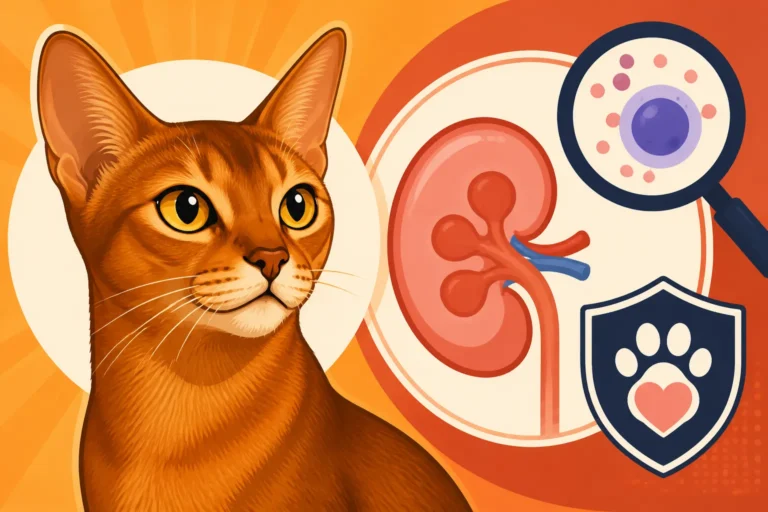
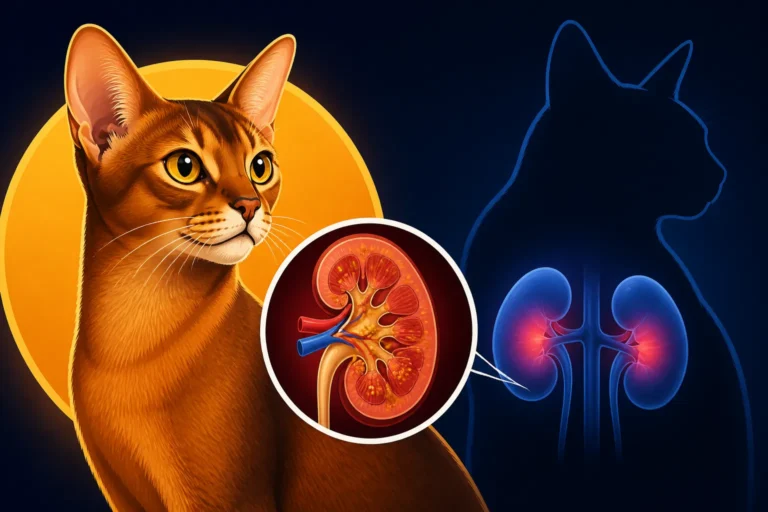
Renal Amyloidosis is a particularly heartbreaking condition that Abyssinians are unfortunately predisposed to. Unlike PKD or PRA-rdAc, there isn't a single, identifiable genetic marker that can be tested for in a standard DNA panel, making it a frustrating challenge for both breeders and owners. This disease involves the abnormal deposition of a protein called amyloid in the kidneys, which eventually leads to kidney failure. Renal Amyloidosis Is the Abyssinian Problem Nobody Can Test For highlights the profound challenge this presents.
What Amyloid Deposits Mean for Abyssinians
Amyloid is an abnormal, insoluble protein that forms fibrils and accumulates in various tissues and organs, disrupting their normal function. In Abyssinians, this accumulation predominantly occurs in the kidneys, specifically in the glomeruli (the filtering units) and interstitial tissue. As more and more amyloid builds up, it damages the delicate kidney structures, impairing their ability to filter waste products from the blood and regulate fluid balance. This slow, progressive damage leads to chronic kidney disease.
The exact cause of amyloidosis in Abyssinians isn't fully understood, but it's believed to be genetic, likely involving multiple genes, and possibly triggered or exacerbated by inflammatory conditions. It's a complex inheritance pattern, which is why a simple gene test has eluded researchers so far. This makes breeding decisions incredibly difficult, emphasizing the need for breeders to meticulously track the incidence of kidney disease within their lines.
The Challenge of Early Diagnosis
One of the most insidious aspects of renal amyloidosis is its silent progression. Cats are masters at hiding illness, and kidney disease often doesn't show obvious clinical signs until a significant portion of kidney function has already been lost. Early symptoms can be subtle and non-specific: increased thirst (polydipsia) and increased urination (polyuria), a slight decrease in appetite, or mild weight loss. These can easily be missed or attributed to other causes. You might notice your young Abyssinian seems unusually thirsty, which can be a red flag.
Traditional blood tests for kidney function, like BUN and creatinine, only become elevated when about 75% of kidney function is lost. More sensitive markers, such as SDMA (Symmetric Dimethylarginine), can detect kidney disease earlier, sometimes when only 25-40% of function is compromised. Regular screening, especially for Abyssinians, should include these advanced tests, along with a urine protein-to-creatinine ratio, to catch subtle changes. A kidney biopsy is the definitive diagnostic tool but is invasive and often not performed until later stages. This is why Why No Gene Test Exists for Abyssinian Amyloidosis makes pedigree research so vital.
Supporting Kidney Health in Affected Cats
Once diagnosed, management of renal amyloidosis focuses on slowing the progression of kidney disease and supporting the cat's quality of life. This typically involves a kidney-specific diet, which is usually lower in protein, phosphorus, and sodium, and supplemented with omega-3 fatty acids. These diets help reduce the workload on the kidneys and manage secondary complications. Access to fresh water at all times is paramount, and some cats may benefit from a water fountain to encourage drinking.
Other treatments may include medications to control blood pressure, reduce protein loss in the urine, manage anemia, and address nausea. For cats in later stages, subcutaneous fluids administered at home can help maintain hydration and flush toxins. While there is no cure, aggressive supportive care can often extend a cat's life and maintain their comfort for a significant period. This is why your vet will need to carefully consider How a Vet Manages an Abyssinian in Kidney Failure. The emotional and financial toll can be significant, reinforcing the value of planning for veterinary costs, perhaps through pet insurance like Healthy Paws, which can offer peace of mind.
Juvenile Gingivitis: Battling Early Dental Challenges
While not a classic "disease" in the same genetic sense as PKD or PRA-rdAc, juvenile gingivitis and subsequent periodontal disease are significant and frustrating health issues frequently seen in Abyssinian kittens and young adults. This breed has a predisposition to severe, early-onset gum inflammation that, if not addressed, can lead to painful tooth loss and other systemic health problems.
The Onset of Gum Inflammation in Kittens
It often comes as a shock to new Abyssinian owners when their energetic kitten, barely six months old, starts showing signs of significant gum inflammation. Unlike many other breeds where dental issues typically arise in middle age, Abyssinians can present with inflamed, red, and sometimes overgrown gums around the time their adult teeth are fully erupting. This early onset is often dubbed "juvenile gingivitis." The gums become swollen, sometimes even covering part of the tooth surface, creating pockets where bacteria thrive.
This condition is thought to have a genetic component in Abyssinians, possibly linked to an overactive immune response to plaque bacteria, or perhaps a structural predisposition in their mouth. Left untreated, this inflammation quickly progresses to periodontitis, which can damage the tooth's supporting structures and lead to painful tooth resorption and premature tooth loss. This common issue is why Why an Abyssinian Kitten's Gums Fail at Six Months needs careful attention.
Proactive Dental Care and Intervention
The key to managing juvenile gingivitis in Abyssinians is aggressive, proactive dental care starting at a very young age. This means daily tooth brushing at home, ideally introduced when they are tiny kittens, to help prevent plaque buildup. However, for many Abyssinians, home care alone isn't enough once the inflammation has set in. Professional veterinary dental cleanings, often under anesthesia, become necessary far earlier and more frequently than for other breeds.
In cases where the gum tissue is severely overgrown, a procedure called a gingivectomy may be recommended. This involves surgically trimming back the excess gum tissue to expose the tooth surface, making it easier to clean and reducing pockets where bacteria can hide. This can significantly improve the long-term dental health of the cat. Understanding How Juvenile Gingivitis Starts in an Abyssinian Kitten can help owners prepare for these interventions.
Long-Term Management for Healthy Mouths
Living with an Abyssinian means embracing a lifelong commitment to their oral health. This often involves a multi-pronged approach: consistent daily brushing, regular professional dental cleanings (sometimes yearly or even more frequently), and potentially dietary adjustments. Some vets might recommend dental-specific diets or water additives, though these are typically seen as adjuncts to brushing, not replacements.
It's crucial to partner with your veterinarian to develop a comprehensive dental care plan tailored to your Abyssinian. They can advise on the best brushing techniques, suitable toothpastes, and the frequency of professional cleanings. While the prospect of frequent dental procedures might seem daunting, especially financially, addressing these issues early and consistently can prevent severe pain, infection, and expensive extractions down the line. A dedicated dental fund or pet insurance that covers dental illness (like Healthy Paws, for example, which often covers non-routine dental care) can make a huge difference in managing these ongoing costs.
Navigating the Future: Responsible Ownership and Breeding
Understanding the specific health predispositions of Abyssinians isn't meant to deter you from this fantastic breed, but rather to equip you with the knowledge to be the most responsible and prepared owner you can be. These cats bring so much joy and vibrancy into our homes, and their well-being is our top priority. By making informed choices, we can help ensure a long, healthy, and happy life for our Abyssinian companions.
Choosing a Reputable Abyssinian Breeder
The single most impactful decision you can make for the future health of your Abyssinian is choosing a reputable breeder. A good breeder doesn't just produce pretty kittens; they are dedicated stewards of the breed's health and genetic diversity. They will be transparent about the health history of their breeding lines, not just the immediate parents, but also grandparents and beyond. They will readily provide documented proof of genetic testing for PKD and PRA-rdAc on all breeding cats.
Beyond genetic tests, they should be able to discuss the incidence of other breed-specific issues like juvenile gingivitis and renal amyloidosis in their lines, even though there's no single gene test for the latter. They will also screen for other common feline health issues and provide appropriate vaccinations and parasite control. When you ask tough questions, a responsible breeder will appreciate your due diligence, seeing it as a sign of a committed potential owner. This proactive approach by breeders is crucial for the health of the entire breed, helping to reduce the prevalence of these conditions over time.
The Role of Pet Insurance
Let's be realistic: high-quality veterinary care, especially for chronic or breed-specific conditions, can be expensive. From regular dental cleanings and potential gingivectomies for juvenile gingivitis to ongoing management for kidney disease or anemic episodes, the costs can add up quickly. This is where pet insurance can play a significant role in making comprehensive care accessible without draining your savings.
Companies like Healthy Paws offer various plans that can cover a substantial portion of unexpected veterinary bills, including diagnostics, treatments, and even emergency care for conditions like PKD or renal amyloidosis. While most plans have deductibles and reimbursement limits, having that safety net allows you to make medical decisions based on what's best for your cat, rather than solely on your budget. It's an investment in your Abyssinian's future well-being, providing peace of mind knowing that you're prepared for whatever health challenges may arise. Considering Whether Pet Insurance Is Worth It for an Abyssinian early in their life is a very smart move.
| Disease | Type of Condition | Primary Affected System | Inherited? | Genetic Test Available? | Common Onset Age | Key Symptoms | Management |
|---|---|---|---|---|---|---|---|
| Pyruvate Kinase Deficiency (PKD) | Genetic Disorder | Red Blood Cells (Hematologic) | Yes (Autosomal Recessive) | Yes | Variable (early to adult) | Lethargy, pale gums, weakness, reduced appetite, jaundice | Supportive care for anemia, blood transfusions, splenectomy, diet adjustments |
| Progressive Retinal Atrophy (PRA-rdAc) | Genetic Disorder | Eyes (Ocular) | Yes (Autosomal Recessive) | Yes | 1-5 years | Night blindness, reduced vision, eventual complete blindness | No cure; environmental adaptation, consistent home setup |
| Renal Amyloidosis | Complex Genetic/Inflammatory Predisposition | Kidneys (Renal) | Yes (Complex/Polygenic) | No | Variable (often young to middle-aged adult) | Increased thirst/urination, weight loss, decreased appetite | Kidney-specific diet, medications for symptoms, subcutaneous fluids, monitoring |
| Juvenile Gingivitis | Breed Predisposition (Dental) | Gums/Teeth (Oral) | Likely (Complex/Polygenic) | No | 4-12 months | Red, swollen, overgrown gums, bad breath, difficulty eating | Daily brushing, professional dental cleanings, gingivectomy (surgical gum trimming) |
Disclaimer
This article is intended for informational purposes only and does not constitute veterinary advice. Always consult with a qualified veterinarian for any health concerns or before making any decisions about your pet's care.