What an Abyssinian Breeder Should Have Tested Before You Buy
Bringing a new Abyssinian into your home should be an exciting journey, but the joy can quickly turn to heartbreak if your beloved kitten falls ill due to preventable genetic conditions. Many prospective owners feel overwhelmed by the sheer number of potential health issues and wonder how to ensure they’re choosing a healthy companion. This comprehensive guide will walk you through the essential health tests and screenings a responsible Abyssinian breeder must have completed before you ever consider bringing a kitten home, empowering you to make an informed decision and safeguard your future furry family member.
Why Pre-Purchase Health Testing is Non-Negotiable
Choosing an Abyssinian kitten is about so much more than just picking the cutest face or the most playful personality. It’s an investment in a living, breathing creature that will become a cherished member of your family for potentially The Twelve to Fifteen Years an Abyssinian Usually Gets to come. Without proper health screening, you're essentially rolling the dice on your cat's future, and that's a gamble no responsible pet owner should be willing to take.
The Long-Term Impact of Untested Lines
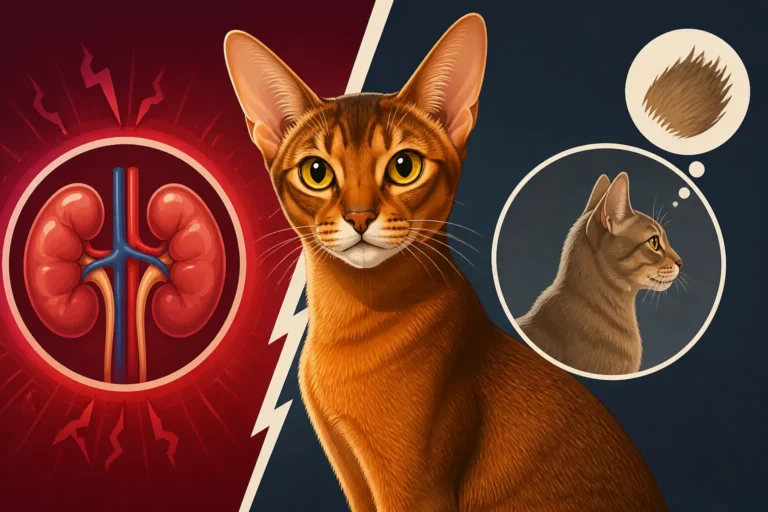
When breeders cut corners by not testing their breeding stock, they perpetuate genetic diseases that can cause immense suffering for the cats and significant emotional and financial strain for their owners. Think of it this way: a seemingly healthy kitten from untested parents could be a ticking time bomb, carrying genes for debilitating conditions that won't show symptoms until later in life. Imagine falling head over heels for a sweet Abyssinian, only for it to start showing signs of blindness or a painful blood disorder at a young age. These are not rare occurrences; they are direct consequences of irresponsible breeding practices.
A reputable breeder understands the profound responsibility they have to the breed and to the future owners of their kittens. They invest time, money, and effort into health screening precisely to minimize these risks. This foresight isn't just about avoiding a sad outcome; it's about building a foundation for a long, vibrant life for every kitten they bring into the world. It means fewer visits to the veterinary emergency room for sudden, unexplained illnesses and more years of joyful companionship.
The ripple effect of untested lines extends beyond individual cats. When genetic diseases are allowed to spread unchecked, they weaken the entire breed's health pool, making future generations more susceptible. This is why organizations like the Cat Fanciers' Association (CFA) and The International Cat Association (TICA) advocate so strongly for ethical breeding, which always includes comprehensive health testing.
Understanding Breeder Responsibilities and Ethical Practices
An ethical Abyssinian breeder is much more than someone who simply produces kittens. They are stewards of the breed, dedicated to preserving its health, temperament, and unique characteristics. Part of this stewardship involves a rigorous commitment to health testing. This isn't just a suggestion; it's a fundamental obligation. They understand that every kitten they sell represents their cattery and their dedication to the welfare of the Abyssinian.
This responsibility means that before any two Abyssinians are bred, both parents should undergo a battery of tests to identify potential genetic predispositions. A responsible breeder will be transparent about these tests, readily providing documentation and even discussing the health history of the wider pedigree. They should be able to explain what each test screens for, why it's important, and how the results influence their breeding decisions. You might hear them talk about specific DNA tests and why they are so vital.
Furthermore, an ethical breeder will not just breed any two "clear" cats. They will also consider temperament, conformation to breed standards, and genetic diversity to ensure the continued health and vitality of the Abyssinian breed. Their practices are rooted in a deep love for the cats, not just a desire for profit, and this dedication will be evident in the meticulous care they take with their breeding program.
The Financial and Emotional Toll of Preventable Illnesses
Bringing home an untested Abyssinian kitten can quickly lead to unforeseen and significant expenses. Treatments for genetic conditions like Pyruvate Kinase Deficiency or advanced Progressive Retinal Atrophy can involve ongoing medication, specialized veterinary care, and even emergency procedures. These costs can easily run into thousands of dollars, far exceeding any initial savings you might have made on a cheaper, untested kitten. This is where pet insurance, like plans offered by Healthy Paws, can be a lifesaver, but even with insurance, the emotional toll of watching your beloved cat suffer is immeasurable.
Beyond the financial burden, there's the profound emotional impact. Dealing with a chronically ill pet is heartbreaking. You form deep bonds with your Abyssinian, and seeing them struggle with a condition that could have been prevented through responsible breeding is incredibly distressing. The time spent at vet appointments, administering medication, and worrying about their quality of life can overshadow the joy they were meant to bring.
By insisting on kittens from health-tested parents, you significantly reduce the risk of these scenarios. While no breeder can guarantee a cat will never get sick, they can eliminate the known genetic predispositions. This proactive approach ensures a greater likelihood of a healthy, happy cat, allowing you to focus on the joys of companionship rather than the anxieties of illness.
Deciphering the Pyruvate Kinase Deficiency (PK-Deficiency) Test
One of the most critical genetic tests an Abyssinian breeder should have performed is for Pyruvate Kinase Deficiency, often simply called PK-Deficiency. This is a big one, and understanding it is crucial for any potential Abyssinian owner. This disease can be devastating, but thankfully, we have a clear genetic test for it. Pyruvate Kinase Deficiency Is the Abyssinian's Best Known Test and it's essential for breeders to utilize it.
What Pyruvate Kinase Deficiency Means for an Abyssinian
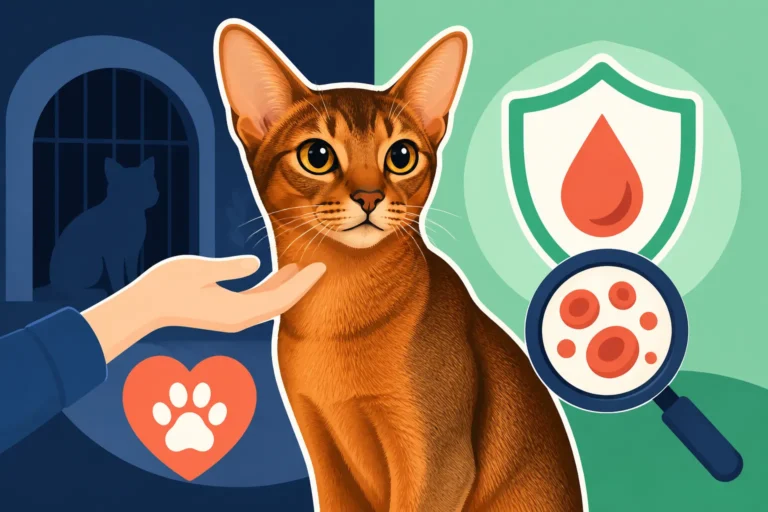
Pyruvate Kinase Deficiency is an inherited metabolic disorder that affects a cat's red blood cells. In simple terms, the red blood cells don't function correctly and break down too quickly, leading to anemia. This isn't just any anemia; it's often intermittent, meaning your cat might seem fine one day and then suddenly become very ill. What PK Deficiency Does to an Abyssinian's Red Cells is essentially making them fragile and short-lived.
Symptoms can vary widely. Some cats might show mild signs, like slight lethargy or pale gums, while others can experience severe, life-threatening anemic crises requiring emergency veterinary intervention and even blood transfusions. Imagine your vibrant, playful Abyssinian suddenly becoming listless, losing appetite, and having no energy to climb or play. This is the reality for affected cats. The disease can manifest at any age, from kittenhood to adulthood, making it particularly insidious if untested.
Living with an affected cat requires constant vigilance and often a specialized diet or medication to manage symptoms. While some affected cats can live relatively normal lives with careful management, others face a much harder battle. This is precisely why preventing the birth of affected kittens through responsible testing is so paramount.
How the PKLR Gene Mutation is Identified
The good news is that PK-Deficiency in Abyssinians is caused by a specific mutation in the PKLR gene, and a DNA test exists to identify this mutation. This test is highly accurate and can be performed with a simple cheek swab or blood sample from the cat. Breeders send these samples to specialized veterinary genetics laboratories, such as those at the University of California, Davis (UC Davis) or OptiGen. How the Abyssinian's DNA Panel Is Ordered usually involves sending off samples for several genetic tests at once.
The DNA test doesn't just tell you if a cat has the disease; it tells you their genetic status: Clear, Carrier, or Affected.
- Clear: The cat has two normal copies of the gene and cannot develop the disease or pass it on.
- Carrier: The cat has one normal copy and one mutated copy. Carriers do not typically show symptoms of PK-Deficiency, but they can pass the mutated gene on to their offspring. How a Carrier Abyssinian Differs From an Affected One is a crucial distinction for breeding.
- Affected: The cat has two copies of the mutated gene. These cats will develop PK-Deficiency.
This clear-cut genetic information allows breeders to make informed decisions about which cats to breed. They can ensure that no "Affected" kittens are ever produced, directly preventing suffering.
Interpreting Test Results: Clear, Carrier, or Affected
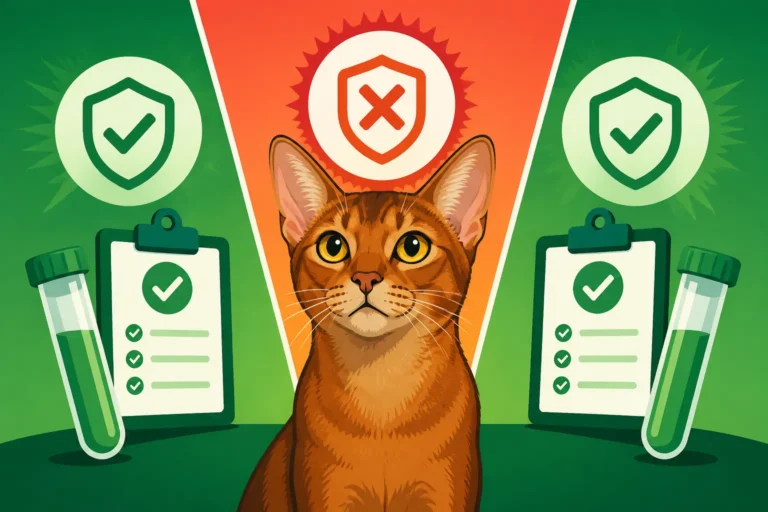
When you're looking at an Abyssinian kitten, your breeder should be able to show you the PK-Deficiency test results for both parents. This is non-negotiable. Ideally, both parents will be "Clear." If one parent is a "Carrier," the other parent must be "Clear" to ensure no "Affected" kittens are born. Why Two Carrier Abyssinians Should Never Be Bred is a fundamental rule because breeding two carriers guarantees that some of their kittens will be affected.
Here's a quick guide to understanding the results your breeder might show you:
| Parent 1 Status | Parent 2 Status | Offspring Possibilities (PK-Deficiency) |
|---|---|---|
| Clear | Clear | 100% Clear |
| Clear | Carrier | 50% Clear, 50% Carrier |
| Carrier | Carrier | 25% Clear, 50% Carrier, 25% Affected |
| Clear | Affected | 100% Carrier |
| Carrier | Affected | 50% Carrier, 50% Affected |
| Affected | Affected | 100% Affected |
As you can see, the only way to guarantee kittens that are not affected by PK-Deficiency is to ensure at least one parent is "Clear." A truly responsible breeder will aim for "Clear" to "Clear" pairings whenever possible to reduce the number of carriers in the population over time, or at least a "Clear" to "Carrier" pairing if they have a specific reason to use a carrier in their program, such as exceptional conformation or temperament, but never two carriers. Always ask to see the official lab reports, not just a verbal assurance. You want to see the certificate with the cat's name, microchip number, and the clear results. How to Verify an Abyssinian's Test Certificate will provide more details on this.
Navigating Progressive Retinal Atrophy (PRA-rdAc) Screening
Another crucial genetic condition that reputable Abyssinian breeders screen for is Progressive Retinal Atrophy, specifically the rdAc form. While not immediately life-threatening, it's a condition that robs a cat of its sight, profoundly impacting its quality of life. As owners, we want our cats to live full, happy lives, and that includes preserving their vision for as long as possible.
The Gradual Loss of Sight from PRA-rdAc
PRA-rdAc is an inherited eye disease that causes the photoreceptor cells in the retina (rods and cones) to degenerate over time. This degeneration leads to progressive vision loss, eventually resulting in complete blindness. The "rdAc" stands for "rod-cone degeneration, Abyssinian type," which tells you it's a specific form prevalent in this breed. How PRA-rdAc Blinds an Abyssinian Slowly explains that this process is typically gradual, often starting with night blindness before progressing to full vision loss.
The onset of symptoms can vary, but many affected Abyssinians start showing signs of vision impairment by the age of two to five years. Initially, you might notice your cat hesitating in dimly lit rooms, bumping into furniture in the dark, or becoming more cautious when jumping. As the disease progresses, even bright light won't help, and they will become completely blind. Imagine the frustration and fear for a cat as their world slowly fades to black.
While blind cats can adapt incredibly well to their familiar home environment, especially if the changes are gradual, it undeniably alters their quality of life. They become more reliant on sound and scent, and their adventurous spirit might be curtailed, especially if their home environment isn't carefully curated for a blind cat.
The CEP290 DNA Test for Retinal Atrophy
Just like PK-Deficiency, PRA-rdAc is caused by a specific genetic mutation, this time in the CEP290 gene. Thankfully, a reliable DNA test is available to identify cats that are Clear, Carriers, or Affected. This test works similarly to the PK-Deficiency test, using a cheek swab or blood sample.
Again, the results provide clear genetic status:
- Clear: The cat has two normal copies of the gene and will not develop PRA-rdAc or pass the mutation to its offspring.
- Carrier: The cat has one normal copy and one mutated copy. Carriers will not develop PRA-rdAc but can pass the mutated gene to their kittens.
- Affected: The cat has two copies of the mutated gene. These cats will develop PRA-rdAc and eventually go blind. PRA-rdAc Takes an Abyssinian's Sight by Five in many cases.
Responsible breeders use this test to ensure they are not producing affected kittens. By only breeding "Clear" cats, or "Clear" to "Carrier" cats (with careful consideration), they can systematically reduce the prevalence of this heartbreaking condition within the Abyssinian population.
Ensuring a Clear Genetic Heritage for Vision
When discussing PRA-rdAc with a breeder, you should expect to see documentation proving that both parent cats have been tested. The ideal scenario is that both parents are "Clear," meaning 100% of their kittens will also be "Clear" and will not be at risk for PRA-rdAc due to this specific genetic mutation.
If a breeder uses a "Carrier" cat in their breeding program, the other parent must be "Clear." This pairing ensures that while some kittens might be carriers, none will be affected by the disease themselves. Breeding two "Carrier" cats together, or any "Affected" cat, is considered highly irresponsible as it directly leads to the birth of kittens destined for blindness.
The goal of health testing is always to produce kittens that are "Clear" and will never suffer from these preventable genetic diseases. A reputable breeder will prioritize the long-term health of the breed and individual kittens over any other factor. Don't be shy about asking to see the genetic test certificates for PRA-rdAc, just as you would for PK-Deficiency. These documents are your assurance of a breeder's commitment to healthy lineage.
The Complexities of Renal Amyloidosis in Abyssinians
While Pyruvate Kinase Deficiency and Progressive Retinal Atrophy have clear genetic tests, there's another significant health concern in the Abyssinian breed that presents a much greater challenge: Renal Amyloidosis. This condition is particularly frustrating for breeders and owners alike because, despite its prevalence and severe impact, there isn't a direct genetic test available to screen for it. Renal Amyloidosis Is the Abyssinian Problem Nobody Can Test For is a hard reality.
How Amyloidosis Silently Damages the Kidneys
Renal Amyloidosis is a devastating disease where abnormal protein deposits, called amyloid, accumulate in the kidneys. These amyloid proteins are insoluble and eventually replace healthy kidney tissue, impairing kidney function. Over time, this leads to chronic kidney disease and, ultimately, kidney failure. The insidious nature of amyloidosis is that it often progresses silently, with very few noticeable symptoms in its early stages.
By the time clinical signs become apparent, significant and irreversible kidney damage has usually occurred. Symptoms can include increased thirst and urination, weight loss, lethargy, decreased appetite, and vomiting. These are common signs of kidney disease in general, but in Abyssinians, especially younger ones, amyloidosis should be a prime suspect. What Kidney Failure Looks Like in a Young Abyssinian can be particularly acute and rapid in onset due to amyloidosis.
This disease is particularly tragic because it often affects Abyssinians in their prime, sometimes as young as one to five years old, though it can occur at any age. It’s a progressive and ultimately fatal condition, and managing it can be incredibly challenging and heartbreaking for owners.
The Absence of a Direct Genetic Test
This is where the frustration truly sets in for breeders and owners. Unlike PK-Deficiency and PRA-rdAc, there is currently no DNA test to definitively identify Abyssinians predisposed to Renal Amyloidosis or to determine if a cat is a carrier. Why No Gene Test Exists for Abyssinian Amyloidosis is due to its complex genetic nature, likely involving multiple genes rather than a single mutation. This means breeders cannot simply run a test and get a "Clear" result to confidently rule out the disease in their breeding stock.
The lack of a genetic test places an even greater burden on responsible breeders. They cannot rely on a simple cheek swab; instead, they must implement stringent breeding practices and rely heavily on comprehensive health screening and pedigree analysis to mitigate the risk. This requires a much deeper understanding of their lines and a commitment that goes beyond standard genetic testing.
This also means that prospective owners cannot expect to see a "Renal Amyloidosis Clear" certificate. Instead, your focus shifts to other indicators of a breeder's diligence, which we will discuss next.
Why Deep Pedigree Analysis is Your Best Defense
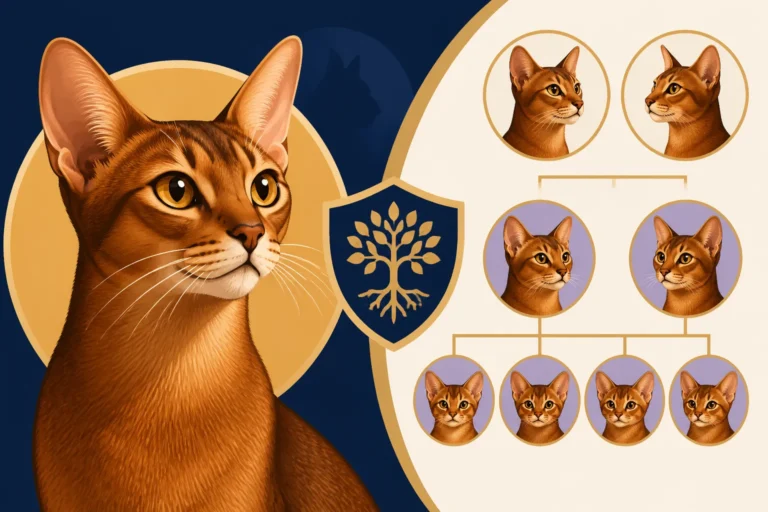
Given the absence of a direct genetic test for Renal Amyloidosis, a reputable Abyssinian breeder's most powerful tool is meticulous pedigree analysis and transparent record-keeping. They should be tracking the health and longevity of every cat in their breeding program, especially when it comes to kidney health. This means knowing the health outcomes of not just the parents, but also grandparents, great-grandparents, and siblings. Why Abyssinian Lines Are Judged on Family History Instead of a simple test.
When speaking with a breeder, ask very specific questions about the incidence of kidney disease in their lines.
- Have any cats in their breeding lines died young from kidney failure?
- What ages did the parents and grandparents live to?
- Have they lost any cats to amyloidosis specifically?
- Do they perform routine blood and urine tests on their breeding cats to monitor kidney function, even if not a direct amyloidosis test?
A good breeder will be open and honest about any known instances of kidney disease in their pedigrees. They should be actively trying to breed away from lines with a history of early-onset renal amyloidosis. They might even share anecdotal evidence or historical data that they've collected over years of breeding. While this isn't a guarantee, it's the strongest indicator you have of a breeder's commitment to minimizing this particular risk in their kittens. It’s a testament to their long-term dedication to the breed's health.
Beyond Genetic Panels: Other Critical Health Checks
While genetic tests for PK-Deficiency and PRA-rdAc are paramount, and careful pedigree analysis is essential for conditions like Renal Amyloidosis, a comprehensive health screening program for an Abyssinian breeder extends even further. Other conditions, while not always genetic, can significantly impact a kitten's health and future well-being. A truly responsible breeder pays attention to these too, ensuring a holistic approach to their cats' health.
Addressing Juvenile Gingivitis and Dental Health
Abyssinians are unfortunately prone to a condition called juvenile gingivitis, a severe form of gum inflammation that often starts surprisingly early in life—sometimes as young as six months. Why an Abyssinian Kitten's Gums Fail at Six Months explains that this isn't just "bad breath" territory; it can be incredibly painful and, if left untreated, can lead to severe dental disease, tooth loss, and even systemic health issues.
A diligent breeder will be aware of this predisposition and will have checked their kittens' mouths regularly. They should also be monitoring their breeding lines for any history of severe or recurrent juvenile gingivitis, as there's a strong belief it has a genetic component, although it's not a single-gene test. When you visit a kitten, ask the breeder if you can gently check the kitten's gums. They should be a healthy pink, not bright red or inflamed.
Beyond checking for early signs, a responsible breeder will also educate you on proper dental care from day one. They might even have started acclimatizing kittens to having their mouths handled, making future tooth brushing easier. Knowing that Abyssinians often need Why an Abyssinian Loses Teeth Younger Than Most Cats due to gum issues, a breeder's emphasis on dental health is a sign of their thoroughness.
Checking for Patellar Luxation and Joint Integrity
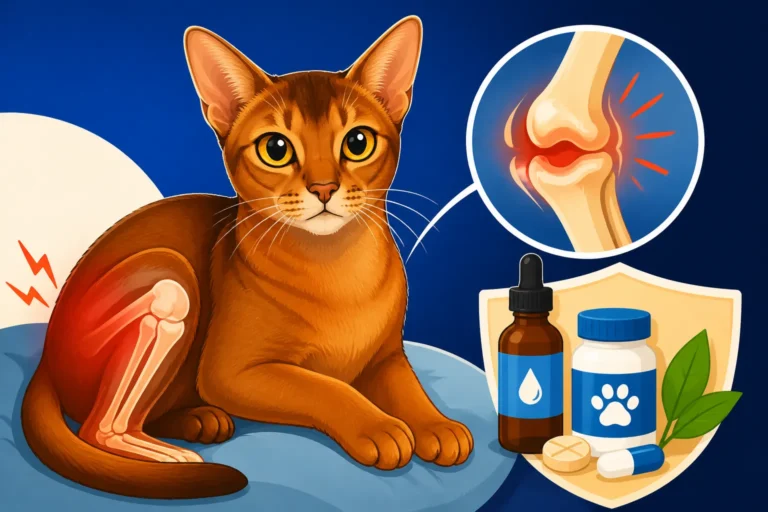
Patellar luxation, or a "slipping kneecap," is a condition where the kneecap (patella) dislocates from its normal groove in the thigh bone. While not as common in Abyssinians as in some other breeds, it can still occur and should be assessed. This condition can cause lameness, pain, and eventually lead to arthritis if severe. For an active, jumping breed like the Abyssinian, healthy joints are absolutely essential for their quality of life.
A breeder should have their breeding cats examined by a veterinarian for patellar luxation. This examination involves a physical manipulation of the knee joint to assess its stability and to grade any luxation present. While there isn't a DNA test for patellar luxation, breeding away from affected individuals and prioritizing good joint health in parent cats is the ethical standard.
When observing kittens, watch how they move. Do they have a smooth, fluid gait? Do they seem reluctant to jump or run? While these might not be definitive signs, they can prompt further questions. A breeder who includes a patellar check as part of their routine veterinary care for breeding animals demonstrates a commitment to overall structural health. How Patellar Luxation Shows in a Jumping Abyssinian provides more details on what to look for.
General Health Screening and Veterinary Records
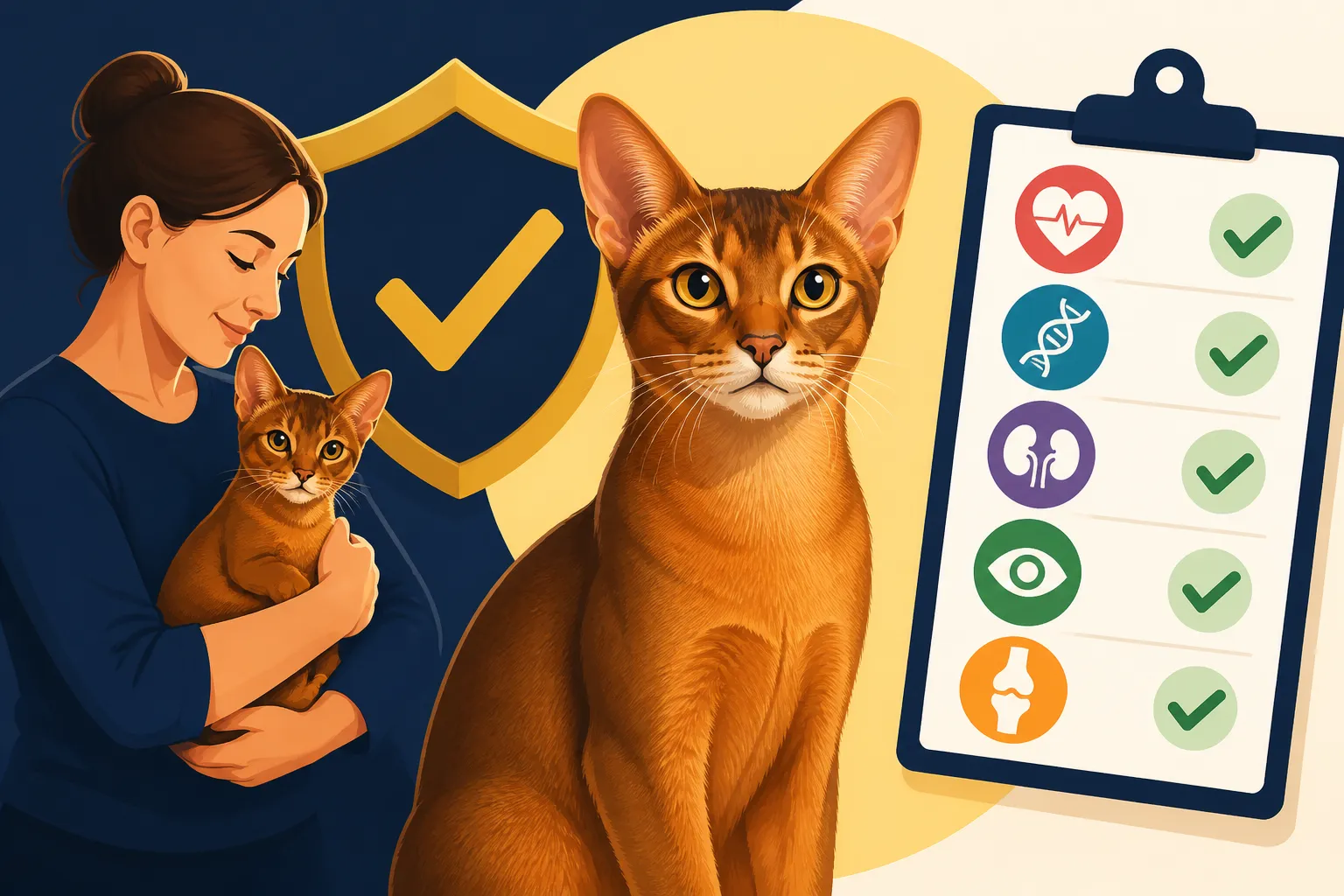
Beyond specific genetic tests, a responsible Abyssinian breeder maintains impeccable general health records for their breeding cats and kittens. This includes:
- Regular Veterinary Check-ups: Proof of annual vet visits, vaccinations, and deworming for parent cats.
- Feline Leukemia Virus (FeLV) and Feline Immunodeficiency Virus (FIV) Testing: All breeding cats should be negative for these contagious and serious viral diseases. Kittens should also be tested or born from proven negative parents.
- Kitten Health Exams: Each kitten should have a thorough veterinary check-up, often several, before they go to their new homes. This includes checking heart, lungs, eyes, ears, teeth, and general physical condition.
- Vaccination and Deworming History: Kittens should come with age-appropriate vaccinations and a clear deworming schedule.
A reputable breeder will freely share these records and be able to answer any questions you have about them. They’ll have a clear schedule for when kittens receive their initial vaccinations and deworming treatments, and they'll advise you on the next steps for your kitten's healthcare. This meticulous record-keeping is a cornerstone of responsible breeding and ensures you're bringing home a kitten that has received the best possible start in life. Even with the best care, sometimes things go wrong, and this is where having pet insurance like Healthy Paws becomes so valuable.
Empowering Yourself: Verifying Breeder Claims and Documentation
It’s one thing for a breeder to say they perform health tests; it’s another entirely for them to provide concrete proof. As a prospective Abyssinian owner, you have every right—and indeed, a responsibility—to verify these claims. Don't be afraid to ask tough questions and demand to see documentation. A truly reputable breeder will welcome your diligence.
Essential Questions to Ask Every Abyssinian Breeder
When you're speaking with a breeder, arm yourself with a list of questions. Their answers, and their willingness to answer them, will tell you a lot. Beyond the specific test results, consider these points:
- "Can I see the official genetic test results for both parents for PK-Deficiency and PRA-rdAc?" Look for certificates from recognized labs like UC Davis or OptiGen, with the cats' registered names and microchip numbers.
- "What is the health history of your breeding lines, particularly concerning kidney disease and juvenile gingivitis?" A good breeder tracks this information meticulously. They might discuss specific lines or ancestors.
- "At what age do your kittens go to their new homes, and what vaccinations/deworming will they have received?" Kittens should generally not leave before 12-14 weeks, having had at least their first two sets of core vaccines.
- "What is your health guarantee, and can I see a copy of your contract?" This leads us to the next point.
- "How do you socialize your kittens, and what is their daily routine like?" Healthy kittens are also well-adjusted kittens.
- "Can I visit your cattery to see the kittens and their parents in person?" This is crucial for assessing their living conditions and the temperament of the adult cats. Be wary if a breeder refuses a visit or insists on meeting in a neutral location.
A reputable breeder will have ready answers and supporting documentation for all these questions. They'll also likely have questions for you, wanting to ensure their kitten is going to a good, prepared home. This reciprocal interview is a sign of a responsible breeder.
The Ins and Outs of Health Guarantees and Contracts
A good breeder will provide a written contract that outlines the terms of sale, including a comprehensive health guarantee. This guarantee typically covers genetic diseases like PK-Deficiency and PRA-rdAc for a certain period, often up to one or two years. It might specify what recourse you have if your kitten develops one of these conditions, such as a replacement kitten or a refund.
- Read the contract thoroughly. Understand what it covers and, perhaps more importantly, what it doesn't cover. Some guarantees might exclude conditions like amyloidosis due to the lack of a test, which is reasonable. However, they should always cover the testable genetic diseases.
- Be wary of vague guarantees. A reputable breeder's guarantee will be specific, actionable, and fair.
- Understand the "spay/neuter" clause. Most breeders sell kittens on a strict spay/neuter contract, meaning you agree to have your kitten altered by a certain age. This is to protect the integrity of their lines and prevent indiscriminate breeding.
A health guarantee provides you with peace of mind and demonstrates the breeder's confidence in the health of their kittens. It's a legal document that protects both you and the breeder. Many breeders also require you to take the kitten to your own vet for a check-up within a few days of purchase, making the guarantee contingent on this initial examination.
Public Databases and Cross-Referencing Test Certificates
Many reputable breeders register their cats and their health test results with public databases, making it easier for prospective owners to verify information. For genetic tests, two prominent registries are:
- Orthopedic Foundation for Animals (OFA): While primarily known for orthopedic screenings in dogs, OFA also maintains a database for cat health tests, including genetic diseases like PK-Deficiency and PRA-rdAc.
- Paw Print Genetics / UC Davis Veterinary Genetics Laboratory: These labs often provide unique certificate numbers that can be verified online through their respective portals.
When presented with a test certificate, don't just glance at it.
- Check the Cat's Name and Registration Number: Ensure it matches the parent cat you are being shown or the pedigree provided.
- Verify the Microchip Number: This ensures the certificate belongs to that specific cat.
- Confirm the Test Type and Result: Make sure it's for the correct disease (PK-Deficiency, PRA-rdAc) and clearly states "Clear," "Carrier," or "Affected."
- Look for the Lab's Seal or Official Stamp: This confirms authenticity.
- Cross-reference if possible: Ask the breeder if their results are publicly listed on OFA or a lab's verification portal.
Taking these steps helps ensure that you are dealing with a transparent and ethical breeder who has genuinely invested in the health of their breeding stock. It’s an extra layer of protection for you and your future Abyssinian.
Recognizing Red Flags and Choosing a Reputable Breeder
Unfortunately, not all Abyssinian breeders operate with the same high standards. Identifying red flags early on can save you immense heartache and expense down the road. It's about being an educated consumer and advocate for the cats.
Warning Signs of an Unscrupulous or "Backyard" Breeder
Spotting a questionable breeder is crucial. Here are some common red flags:
- No Health Testing Documentation: This is the biggest red flag. If a breeder cannot or will not provide verifiable proof of genetic testing for PK-Deficiency and PRA-rdAc for their breeding cats, walk away. Period.
- Lack of Transparency: Refusal to answer questions, evasiveness, or insisting on meeting in a public place instead of their home/cattery.
- Multiple Breeds or "Designer" Cats: A reputable Abyssinian breeder typically specializes in one or two breeds they are passionate about and knowledgeable in. Someone selling multiple "rare" or "designer" breeds is often more interested in profit than health.
- "Rare" Colors at Inflated Prices: While some Abyssinian colors are less common, a breeder heavily marketing a "rare" color for an exorbitant price without proper health testing is a warning sign.
- Kittens Available Too Young: Kittens should not leave their mother and littermates before 12 weeks of age, and many reputable breeders prefer 14-16 weeks. This time is vital for socialization and immune development.
- Poor Living Conditions: If you do get to visit, look for dirty or crowded environments, sickly-looking cats, or cats that seem fearful or poorly socialized.
- No Contract or Guarantee: A breeder without a written contract and health guarantee is a significant risk.
- Pushy Sales Tactics: Pressuring you to make a quick decision or take a kitten without proper consideration.
These warning signs are often indicators that a breeder is not prioritizing the health and welfare of their cats. Remember the adage: "If it seems too good to be true, it probably is."
The Value of Transparency and On-Site Visits
A truly reputable Abyssinian breeder operates with complete transparency. They understand that you want to be sure you're getting a healthy, well-adjusted kitten, and they'll be proud to show you how they achieve that.
- Inviting You to Their Home: Being able to visit the cattery where the kittens are raised is invaluable. It allows you to see the parents' temperament, assess the cleanliness and safety of the environment, and observe how the kittens interact with their surroundings and the breeder. A good cattery will be clean, odor-free, and full of enrichment for the cats.
- Openly Discussing Challenges: No breeding program is perfect, and sometimes genetic issues can pop up even with testing. A transparent breeder will openly discuss any health challenges they've faced in their lines and what steps they've taken to address them. This honesty is a mark of integrity.
- Providing Extensive Support: A reputable breeder will be a resource for you throughout your cat's life, offering advice and support. They don't just sell you a kitten and disappear.
This level of openness fosters trust and allows you to make a fully informed decision. It's a relationship, not just a transaction.
Investing in a Healthy Future, Not Just a Kitten
Ultimately, the money you spend on an Abyssinian kitten from a reputable, health-testing breeder is an investment in health and longevity. While the initial purchase price for a well-bred Abyssinian might seem higher than a "bargain" kitten found online, it pales in comparison to the potential veterinary bills and emotional distress associated with an untested animal. Why an Untested Abyssinian Is Cheaper for a Reason is a harsh truth.
Think of it this way: the cost of comprehensive health testing, quality food, excellent veterinary care, and proper socialization for a litter adds up for a breeder. These costs are reflected in the purchase price of a well-bred kitten. Cutting these corners allows a breeder to sell kittens cheaper, but it offloads the future health risks and costs onto you. Investing in a properly screened kitten means you’re choosing to minimize risks and maximize the chances of a long, happy, and healthy life for your new family member. It’s an investment that pays dividends in joy and peace of mind for years to come. This also makes the value of comprehensive pet insurance, such as from Healthy Paws, even clearer, as it helps cover unexpected illnesses or accidents even in well-bred cats.
Disclaimer
As a lifestyle blogger, I aim to provide general information and personal perspectives. This content is for informational purposes only and does not constitute professional veterinary advice. Always consult with a qualified veterinarian for any health concerns or before making any decisions about your pet's care.