Why a Rescue Abyssinian Should Still Be PK Tested
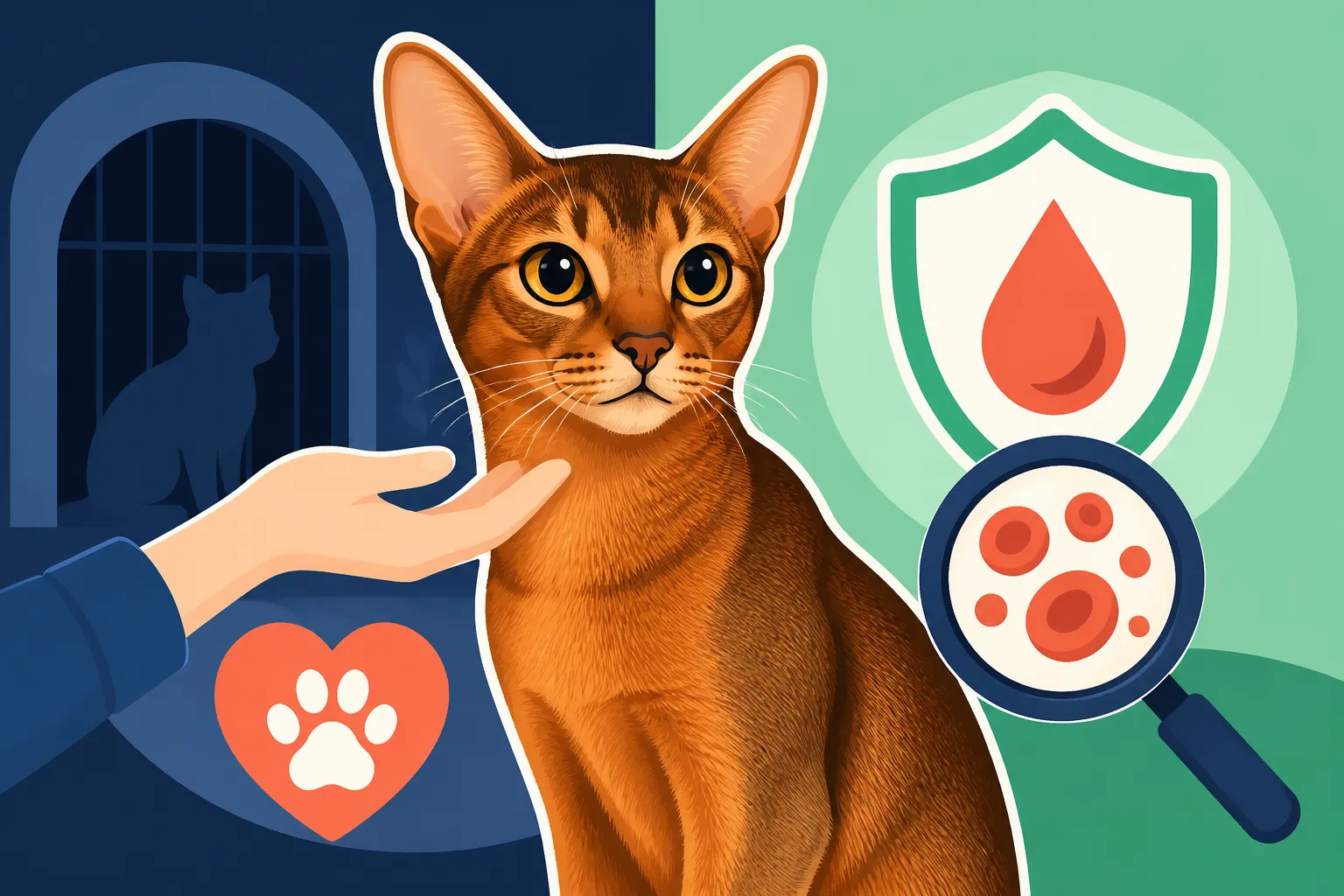
Many people believe that adopting a rescue Abyssinian means you're sidestepping the genetic health concerns sometimes associated with pedigree cats, or that any serious issues would have already surfaced. However, the truth is that a rescue cat’s history isn’t always fully known, and inherited conditions like Pyruvate Kinase Deficiency (PKD) can lie dormant or manifest subtly. This guide will thoroughly explain why every Abyssinian, especially those from rescue situations, absolutely needs to be tested for PK Deficiency, ensuring you're prepared for whatever their unique genetic makeup holds.
Understanding Pyruvate Kinase Deficiency in Abyssinians
It’s truly disheartening to think that the vibrant, energetic Abyssinian you've brought home might be carrying a hidden health challenge. Pyruvate Kinase Deficiency (PKD) is one of those conditions that can cast a shadow, and understanding it is the first step toward proactive care. This inherited metabolic disorder primarily affects the red blood cells, and it's something every prospective Abyssinian owner, especially of a rescue, needs to be aware of.
The Mechanism of PK Deficiency
At its core, Pyruvate Kinase Deficiency is a genetic glitch that messes with an enzyme called pyruvate kinase. This enzyme is absolutely vital for red blood cells to produce energy. Without enough functional pyruvate kinase, these crucial red blood cells become fragile and break down too quickly, a process called hemolysis. This leads to a type of anemia that can range from mild to severe.
Imagine your cat's red blood cells as tiny, hardworking fuel trucks delivering oxygen all over their body. If these trucks are poorly built and constantly falling apart, the deliveries become erratic, and the whole system suffers. This is what happens with PKD. When the red blood cells are destroyed faster than the body can replace them, your cat becomes anemic, leading to a host of debilitating symptoms. It's truly eye-opening when you learn about What PK Deficiency Does to an Abyssinian's Red Cells.
How PK Deficiency is Inherited
PKD follows an autosomal recessive inheritance pattern. This means a cat needs to inherit two copies of the faulty gene—one from each parent—to actually have the disease. This is where it gets tricky with rescue cats, as you often don't know the genetic status of their parents.
Here's a quick breakdown:
- Clear: A cat with two normal genes. They won't develop PKD and can't pass the faulty gene to their offspring.
- Carrier: A cat with one normal gene and one faulty gene. They are completely healthy themselves; they will never show symptoms of PKD. However, they can pass the faulty gene on to their kittens. This is a crucial point when considering any untested Abyssinian, even a rescue. Many people don't realize How a Carrier Abyssinian Differs From an Affected One.
- Affected: A cat with two copies of the faulty gene. These are the cats that will develop PKD. The severity and onset of symptoms can vary widely, which makes it even harder to diagnose without testing.
Recognizing the Symptoms
The clinical signs of PKD can be incredibly frustrating because they're often intermittent and non-specific, meaning they could be mistaken for many other ailments. Affected cats might experience episodes of lethargy, weakness, pale gums (a classic sign of anemia), weight loss despite a good appetite, and sometimes even jaundice (yellowing of the skin or eyes) if red blood cell destruction is severe.
What makes it even more challenging is that symptoms can wax and wane. A cat might seem perfectly fine one day, full of energy, and then suddenly become very sick the next. This intermittent nature can make diagnosis difficult for veterinarians who aren't familiar with PKD specifically in Abyssinians. You might notice your energetic Abyssinian suddenly seems unusually quiet, less interested in play, or simply 'off'. It’s a truly frightening experience to see your lively companion suddenly struggle. Learning What Intermittent Anemia Looks Like in an Abyssinian can help you spot these subtle changes.
Why Rescue Abyssinians Are Not Immune to Genetic Conditions
It’s completely understandable to assume that a rescue cat, particularly one a bit older, has either already shown any major health issues or is somehow "clear" of genetic diseases because they're not from a dedicated breeding program. This hopeful thinking is unfortunately a common misconception, and it can lead to painful surprises down the line. The truth is, a rescue Abyssinian carries the same genetic blueprint as any other Abyssinian, and that includes the potential for inherited conditions like PKD.
Unknown Histories and Backgrounds
The biggest challenge with rescue Abyssinians, and honestly, many rescue pets in general, is the often incomplete or entirely unknown history. When a cat is surrendered, found as a stray, or comes from a chaotic environment, their lineage is usually a complete mystery. You might not know who their parents were, if they came from a registered breeder, or if any health screenings were ever performed. This lack of information is not a protective shield; it's a void that needs to be filled.
A cat could have been bred by an inexperienced backyard breeder who didn't understand genetic testing, or even a reputable one whose carrier cat was rehomed without proper disclosure and then ended up in rescue. Without documented proof, you’re essentially starting from scratch. Relying on "they look healthy" simply isn't enough when it comes to recessive genetic disorders that can show up later in life, or be carried silently.
The "Pet Quality" Misconception
Sometimes, even responsible breeders will place carrier Abyssinians into pet homes with a strict spay/neuter contract. These cats are perfectly healthy and make wonderful companions, but they still carry one copy of the PK gene. If, for whatever reason, that contract isn't honored or the cat ends up in rescue unspayed or unneutered, it can inadvertently contribute to the spread of the gene if bred.
Furthermore, some less scrupulous breeders might not test at all, or might cut corners. They might label kittens as "pet quality" to avoid having to provide comprehensive health documentation, or to explain a known carrier status. These cats often end up in rescue systems, completely innocent of their genetic burden, and then adopted by loving families who are none the wiser. It’s a heartbreaking scenario, but it happens. Knowing Which Diseases an Abyssinian Breeder Must Declare gives you an idea of the minimum standards to expect from a good breeder.
The Silent Carrier Problem
This is perhaps the most insidious aspect of genetic diseases like PKD. A "carrier" Abyssinian shows no symptoms whatsoever. They are lively, playful, and appear to be in perfect health. They can live a full, normal lifespan without ever experiencing a single health issue related to PKD. This makes it impossible to identify them through observation alone.
If a carrier Abyssinian is unknowingly bred with another carrier Abyssinian, there's a 25% chance with each kitten that they will be affected by PKD. There's a 50% chance they'll be carriers, and a 25% chance they'll be clear. This is why testing is so vital, even if your rescue Abyssinian is already spayed or neutered. While it might prevent them from passing on the gene, it doesn't tell you if they could be affected themselves. It also won't tell you if your cat is an asymptomatic carrier, which could be important for broader breed health data if they came from an unknown line. How Many Abyssinians Carry the PK Mutation is a statistic that underscores why this concern is so significant for the breed.
The Critical Importance of PK Testing for Your Rescue Abyssinian
Bringing a rescue Abyssinian into your home is a truly wonderful act of compassion. You're giving a cat a second chance, and that feeling is incredibly rewarding. However, being a responsible owner means doing everything you can to ensure their long-term health and happiness. PK testing for your rescue Abyssinian isn't about being pessimistic; it's about being prepared, proactive, and truly providing the best life possible for your beloved companion.
Ensuring Your Cat's Long-Term Health
Knowing your Abyssinian's PK status offers invaluable insight into their health roadmap. If your rescue tests as affected, you're armed with crucial information that can literally save their life or significantly improve its quality. Early diagnosis means you and your vet can monitor them closely, catch any signs of anemia promptly, and intervene with appropriate treatments like dietary adjustments, supplements, or even medications during a crisis.
Without this knowledge, symptoms that emerge could be misdiagnosed or attributed to other issues, leading to delayed or incorrect treatment. Imagine the stress of seeing your cat suddenly lethargic and not knowing why, only to find out later it was a preventable crisis. Testing gives you peace of mind and empowers you to be an advocate for your cat’s specific health needs. This proactive approach is key to helping them live The Twelve to Fifteen Years an Abyssinian Usually Gets.
Preventing Unnecessary Suffering and Financial Strain
The intermittent nature of PKD means that an affected cat can experience sudden, severe anemic crises. These episodes often require emergency veterinary care, including blood transfusions, IV fluids, and hospitalization. Such emergency interventions are not only terrifying for you and your cat but also incredibly expensive. A single emergency vet visit can easily run into thousands of dollars.
By testing your rescue Abyssinian, you can avoid or minimize these emergencies. If you know your cat is affected, you can work with your vet to create a management plan. This might involve regular blood work to catch anemia early, ensuring they have a low-stress environment, and being vigilant about symptoms. Being prepared mitigates suffering for your cat and potentially saves you from unexpected, exorbitant vet bills. This is where investing in pet insurance from a provider like Healthy Paws can truly make a difference, helping you cover unexpected health costs and providing peace of mind. Without a test, you might not know what to tell an insurer about pre-existing conditions. Understanding What an Abyssinian Costs to Keep Every Year includes these potential medical expenses.
Informing Responsible Future Decisions
Even if your rescue Abyssinian is already spayed or neutered, knowing their PK status is still important. It helps you understand their individual health risks and tailor their care. For example, if they are a carrier, while they won't get sick themselves, it's an important piece of information to have, especially if you have other Abyssinians or are part of a broader rescue network tracking genetic health.
However, if you've adopted an intact rescue Abyssinian (which sometimes happens, especially with younger cats or those coming from less regulated situations), testing becomes paramount. An intact carrier or, worse, an affected Abyssinian should absolutely not be bred. Breeding an affected cat is unethical and will guarantee affected kittens. Breeding two carriers can lead to affected kittens. Responsible ownership, even in rescue, extends to preventing the spread of genetic diseases within the breed. This test, along with The Abyssinian Has Three DNA Tests and One Disease With None, forms part of the responsible approach to breeding if they were ever intended for it.
Navigating the PK Testing Process and Interpreting Results
So, you're convinced that PK testing your rescue Abyssinian is the right move – fantastic! Now you might be wondering, "How do I even go about this?" The good news is that testing for Pyruvate Kinase Deficiency is relatively straightforward and non-invasive, a huge relief for both you and your cat.
How to Get Your Abyssinian Tested
The process for getting your Abyssinian tested for PKD is quite simple:
- Consult Your Veterinarian: Start by discussing your concerns with your vet. They can confirm that a PK test is appropriate and advise on the best testing methods and labs. While some vets might not specialize in breed-specific genetic testing, they can certainly facilitate the process.
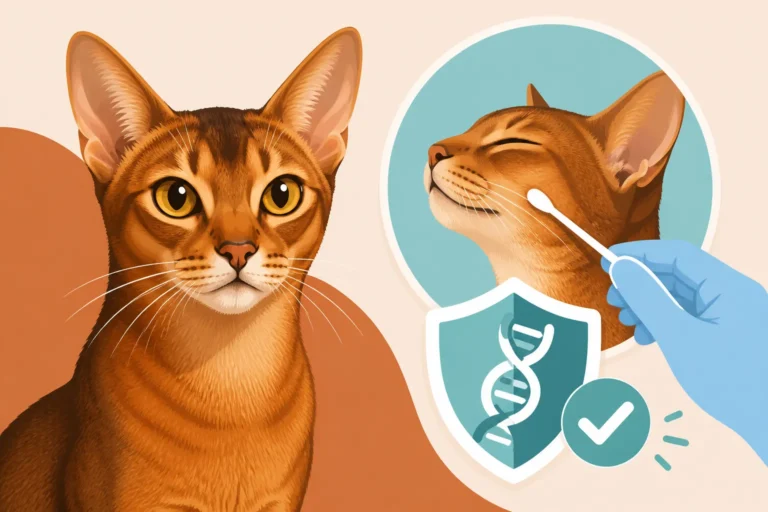
- Sample Collection: The most common and easiest method for collecting a sample for PK testing is a buccal swab, which is a fancy term for a cheek swab. Your vet, or even you at home with a kit, will gently rub a sterile swab inside your cat's cheek to collect cells. It's painless and quick, much less stressful than a blood draw for your Abyssinian. For a quick guide, see Why an Abyssinian Cheek Swab Is Enough.
- Choosing a Lab: Several reputable veterinary genetic testing laboratories offer the Abyssinian PK Deficiency test. Companies like Optimal Selection (powered by Wisdom Panel) and UC Davis Veterinary Genetics Laboratory are well-known and trusted. Your vet might have a preferred lab, or you can research them yourself. These labs specialize in feline genetic health, and their results are highly reliable. Which Lab Runs the Abyssinian Genetic Panel is a great resource if you're looking for specific recommendations.
- Submission and Results: Once the sample is collected, you or your vet will mail it to the chosen laboratory. Turnaround times can vary, but typically you can expect results within a few weeks. The lab will usually email the results to both you and your veterinarian.
Deciphering the Test Results
When those results come back, it's natural to feel a mix of anticipation and anxiety. Understanding what "Clear," "Carrier," and "Affected" truly mean is crucial.
| Result Status | Genetic Makeup | Implications for Health | Implications for Breeding (if applicable) |
|---|---|---|---|
| Clear | N/N (two normal genes) | Will not develop PK Deficiency and is not a carrier. No health issues related to PKD. | Can be bred to any cat (clear, carrier, or affected) without producing affected kittens, though breeding to an affected cat is not recommended. |
| Carrier | N/K (one normal, one faulty gene) | Will not develop PK Deficiency themselves. Remains healthy. | Should only be bred to a "Clear" cat. Never breed two carriers together, as this risks producing affected kittens. |
| Affected | K/K (two faulty genes) | Will develop PK Deficiency. Symptoms can vary in severity and onset. Requires monitoring and potential medical management. | Should never be bred. |
Living with an Affected Abyssinian
If your rescue Abyssinian tests as affected, it's not the end of the world, but it does mean you'll need to be more vigilant about their health. Many affected cats can live long, relatively normal lives with proper management.
- Veterinary Monitoring: Regular check-ups and blood tests are essential. Your vet will want to monitor their red blood cell count and overall health closely. Catching signs of anemia early allows for timely intervention. This is part of What an Abyssinian's Annual Checkup Costs that you should budget for.
- Supportive Care: During an anemic crisis, supportive care might include medications to stimulate red blood cell production, fluid therapy, or even blood transfusions in severe cases. Understanding How an Anemic Abyssinian Is Treated can help you prepare.
- Lifestyle Adjustments: Providing a calm, low-stress environment is important. Avoid anything that might overexert them. Ensure they have access to fresh water and a high-quality diet to support their overall health.
- Emergency Preparedness: Have an emergency plan in place with your vet, especially if you live far from an emergency clinic. Knowing the signs of an acute crisis and what steps to take can make a critical difference. This is another area where pet insurance like Healthy Paws can be a lifesaver, covering a significant portion of those expensive emergency treatments. Consider Whether Pet Insurance Is Worth It for an Abyssinian to protect your budget and your cat's health.
Ultimately, testing your rescue Abyssinian for PK Deficiency is an act of love. It allows you to understand their unique needs, plan for their future, and ensure they receive the best possible care, regardless of what their past might hold.
Disclaimer
This article is intended for informational purposes only and is not a substitute for professional veterinary advice. Always consult with a qualified veterinarian regarding your Abyssinian's health and medical conditions.