What an Abyssinian’s Annual Checkup Costs
It’s a common worry for any Abyssinian owner: you want to provide the absolute best care for your vibrant, energetic companion, but the thought of vet bills can feel like a shadow over their otherwise sunny disposition. You see them leaping, playing, and being their usual mischievous selves, and you know regular checkups are vital to keep them that way. But what exactly does an annual vet visit for an Abyssinian entail, and what kind of financial commitment are we really looking at? This guide is here to demystify the costs associated with your Abyssinian’s yearly health check, helping you understand where your money goes and how to budget effectively for their long, healthy life.
Understanding the Baseline: What's Included in a Standard Annual Checkup?
When you bring your Abyssinian in for their annual checkup, it's not just a quick pat and a glance. It's a thorough examination designed to catch any potential health issues early, keep their vaccinations current, and address any preventative care needs. Think of it as their annual physical, tailored specifically for their feline physiology and breed-specific considerations.
The Core Vet Exam: Nose to Tail
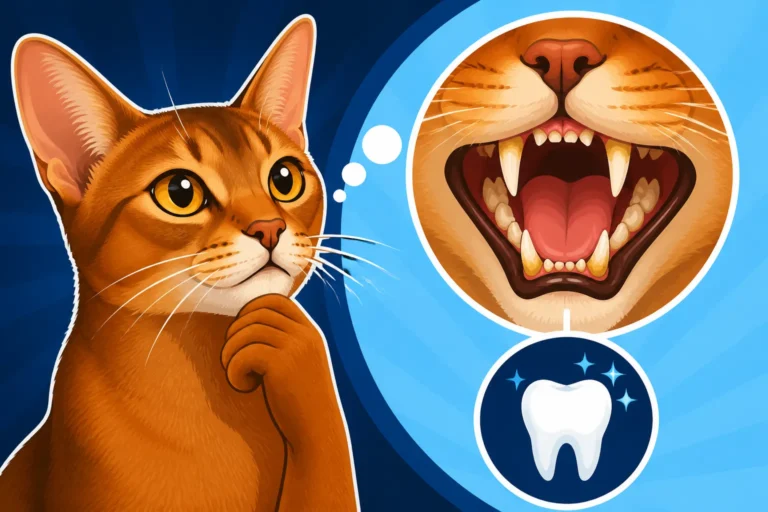
Every annual checkup begins with a comprehensive physical examination. Your vet will literally go from nose to tail, meticulously checking every part of your Abyssinian. This includes inspecting their teeth and gums, which is particularly crucial for Abyssinians given their propensity for dental issues like Why an Abyssinian's Gums Overgrow Its Teeth. They’ll check their ears for mites or infections, examine their bright, intelligent eyes for any signs of discomfort or discharge, and palpate their abdomen to feel for any abnormalities in their internal organs.
Beyond the obvious, the vet will listen carefully to your Abyssinian's heart and lungs, noting any unusual rhythms or sounds. They'll assess their coat and skin for fleas, ticks, dryness, or lumps, feeling along their spine and limbs for any signs of arthritis or joint discomfort, especially relevant as they age. They'll also review their body condition score, ensuring your lean, muscular Abyssinian isn't carrying too much weight or, equally concerning, losing it unexpectedly, which can be a red flag for underlying illness. This overall assessment is your vet's primary tool for understanding your cat's general well-being.
Your vet will also take the opportunity to discuss your Abyssinian’s behavior and routine with you. Have there been any changes in their eating habits, litter box use, or energy levels? These seemingly small details can be vital clues that, combined with the physical exam, help your vet build a complete picture of your cat's health. It’s also a great time to ask any questions you might have about their diet, behavior, or any new quirks they’ve developed. Remember, Abyssinians are masters of hiding discomfort, so your observations are invaluable.
Essential Vaccinations and Parasite Prevention
A significant component of the annual checkup involves ensuring your Abyssinian is protected against common feline diseases. Core vaccinations, such as the FVRCP (Feline Viral Rhinotracheitis, Calicivirus, Panleukopenia) and rabies, are usually administered during this visit. Even if your Abyssinian is an indoor-only cat, these vaccines are critical, as some viruses can be tracked into the home on clothing or shoes, and rabies is legally mandated in many areas.
Beyond vaccines, your vet will discuss and often provide parasite prevention. This typically includes treatments for fleas, ticks, and internal parasites like roundworms and hookworms. While your Abyssinian might be an indoor cat, fleas can still find their way in, and internal parasites can be contracted in various ways, even from eating an infected flea. Consistent parasite prevention is a cornerstone of good health, protecting both your cat and your household.
The choice of specific preventatives often depends on your region, your Abyssinian's lifestyle, and any pre-existing health conditions. Your vet will help you choose the most effective and safest options. This proactive approach to preventing disease and infestation saves you from the much higher costs and stress of treating a full-blown illness or parasite problem later on. It’s an investment in their ongoing health and your peace of mind.
Routine Bloodwork and Urinalysis
For many adult Abyssinians, especially once they reach middle age, routine bloodwork and a urinalysis become an important part of their annual checkup. These diagnostic tests provide an invaluable internal snapshot, allowing your vet to detect problems long before any outward symptoms appear. For instance, blood tests can reveal early signs of kidney disease, liver issues, diabetes, or thyroid imbalances. Catching these conditions early means a better prognosis and more effective management, often delaying serious complications.
A full blood panel typically includes a Complete Blood Count (CBC) and a Chemistry Panel. The CBC checks red and white blood cell counts, which can indicate anemia, infection, or inflammation. The Chemistry Panel assesses organ function, electrolyte levels, and blood sugar. A urinalysis, on the other hand, provides crucial information about kidney function, hydration status, and can detect urinary tract infections or early signs of crystal formation. Which Blood Values Catch an Abyssinian's Kidneys Early is particularly important information for this breed.
Given that Abyssinians can be prone to certain conditions, like Renal Amyloidosis Is the Abyssinian Problem Nobody Can Test For, these regular screenings are incredibly important. While there isn't a direct genetic test for amyloidosis, monitoring kidney values diligently year after year can help identify subtle changes. This proactive monitoring allows you to intervene with dietary changes or medication at the earliest possible stage, significantly improving your Abyssinian's quality of life and potentially extending their lifespan. When a Middle Aged Abyssinian Needs Yearly Bloodwork is a critical milestone for Abyssinians.
Factors That Influence the Cost of an Abyssinian's Annual Checkup
It’s easy to feel frustrated when you hear vastly different prices for what seems like the same service. However, several factors contribute to the variation in annual checkup costs for your Abyssinian. Understanding these can help you manage your expectations and make informed decisions about your cat's care.
Geographic Location and Clinic Type
Just like human healthcare, veterinary costs can vary significantly based on where you live. Clinics in large metropolitan areas or affluent suburbs tend to have higher overheads – rent, staff salaries, utilities – which naturally get reflected in their service prices. A vet visit in a bustling city center will almost certainly be pricier than one in a rural town. This isn't necessarily about gouging; it's simply the reality of doing business in different economic environments.
Beyond geography, the type of veterinary clinic also plays a role. A small, independent practice might have different pricing structures than a large, multi-doctor hospital with state-of-the-art equipment and specialized services. Emergency veterinary hospitals, for instance, typically have higher fees due to their 24/7 staffing and advanced capabilities. While your annual checkup usually happens at your regular primary care vet, if you ever need specialized diagnostics during that visit, moving to a larger facility could introduce different cost considerations.
It's always a good idea to call around to a few clinics in your area if you're looking for an initial estimate, but remember that the cheapest option isn't always the best. A clinic's reputation, the vet's experience with active breeds like Abyssinians, and the overall quality of care should also weigh heavily in your decision. Building a good relationship with a trusted vet is invaluable, even if it means a slightly higher cost upfront.
Your Abyssinian's Age and Health Profile
The age of your Abyssinian is a significant factor in determining the complexity and cost of their annual checkup. A young, healthy Abyssinian kitten or a spry adult might only require a basic physical exam, core vaccinations, and parasite prevention. Their visit is often straightforward and less expensive, focused purely on maintaining their excellent health and establishing a baseline.
However, as your Abyssinian ages, their healthcare needs typically increase. Senior Abyssinians, generally considered over the age of ten, often require more extensive diagnostics. This might include more frequent blood panels to monitor for age-related conditions like kidney disease, hyperthyroidism, or diabetes. What an Old Abyssinian Slows Down From can sometimes indicate underlying health issues that need investigating. Additional tests such as blood pressure checks or even specific cardiac screenings might be recommended, adding to the overall cost.
Furthermore, if your Abyssinian has any pre-existing health conditions, their annual checkup might involve specific monitoring or additional medication discussions. A cat with chronic allergies, early-stage dental disease, or a history of urinary issues will have a more tailored and potentially more expensive annual visit as the vet addresses these ongoing concerns. It's a natural progression of care as your beloved pet moves through different life stages.
Optional Diagnostics and Preventative Add-ons
While a "standard" annual checkup has a core set of services, there are often optional diagnostics and preventative add-ons that your vet might recommend, especially if they have concerns or if you want to be extra proactive. These are not always included in the base price and can increase the total cost. For example, specific fecal tests for less common parasites, advanced blood screenings beyond the basic panel, or even X-rays if there are concerns about joint health, could be suggested.
Dental care is another common add-on. While your vet will check your Abyssinian’s teeth during the physical exam, a professional dental cleaning under anesthesia is a separate, significant cost that usually isn't part of the annual checkup price itself. However, the annual checkup is the perfect time for your vet to recommend when such a cleaning might be necessary, helping you plan for it. What an Abyssinian Dental Cleaning Costs and Why an Abyssinian Needs Dentals More Often are important considerations for this breed.
Even something as simple as specialized diets (which can be found at retailers like Chewy) or specific supplements for joint health might be discussed and recommended during the annual visit. These recommendations, while not part of the checkup fee, represent ongoing costs that contribute to your Abyssinian’s long-term health budget. It's about personalizing their care to truly meet their individual needs, which means the "annual checkup cost" can be highly variable depending on what you decide to include.
Here’s a general overview of typical annual checkup components and their potential cost categories. Please remember these are broad ranges and actual prices will vary significantly by location and clinic.
| Service/Component | General Cost Category (without specific values) | Description |
|---|---|---|
| Veterinary Exam | Basic to Moderate | Comprehensive physical check of all body systems, health discussion. |
| Core Vaccinations | Moderate | FVRCP, Rabies. |
| Parasite Prevention | Moderate | Flea/tick/heartworm medication (often purchased separately, annual estimate). |
| Fecal Test | Low to Moderate | Checks for internal parasites. |
| Complete Blood Count (CBC) | Moderate | Checks red/white blood cells, indicates infection, anemia. |
| Chemistry Panel | Moderate to High | Checks organ function (kidney, liver), glucose, electrolytes. |
| Urinalysis | Low to Moderate | Checks kidney function, urinary tract health, crystals. |
| Deworming | Low | If needed based on fecal test or risk. |
| FeLV/FIV Test | Moderate | Often done once, or if exposure risk (for outdoor cats). |
| Nail Trim | Low (often included) | Part of basic grooming. |
Strategies for Managing and Budgeting for Your Abyssinian's Vet Costs
The financial aspect of pet ownership is real, and it’s perfectly normal to seek ways to manage these costs without compromising your Abyssinian’s health. Thankfully, there are several proactive steps you can take to make their annual checkups, and indeed their entire healthcare journey, more predictable and affordable. After all, your goal is to ensure The Twelve to Fifteen Years an Abyssinian Usually Gets are as healthy and happy as possible.
Pet Insurance and Wellness Plans
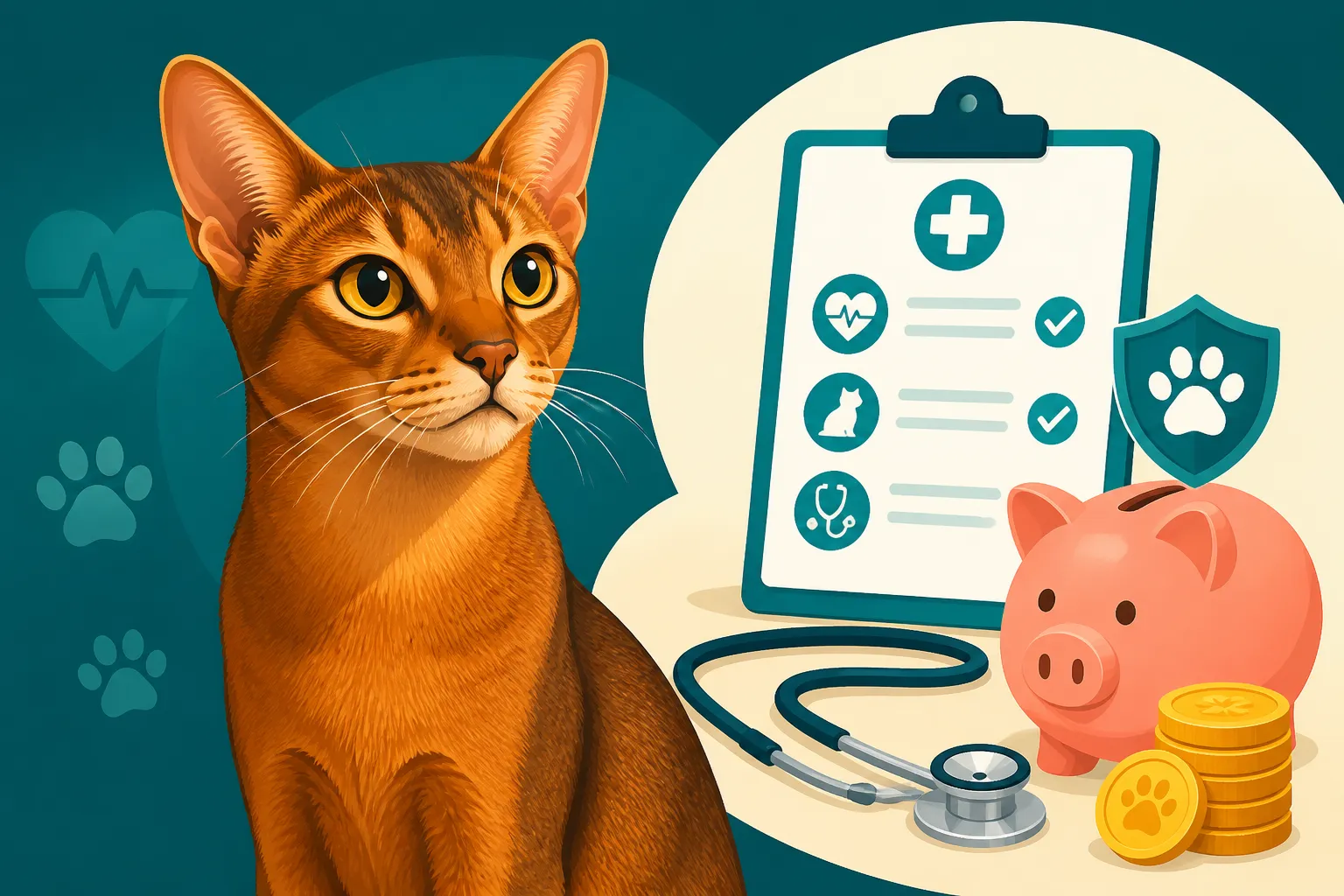
One of the most effective ways to mitigate unexpected vet costs, and even spread out the predictable ones, is through pet insurance or a veterinary wellness plan. Pet insurance, offered by companies like Healthy Paws, is designed to cover unforeseen accidents and illnesses, much like human health insurance. You pay a monthly premium, and if your Abyssinian needs emergency surgery, extensive diagnostics for a sudden illness, or long-term treatment for a chronic condition, the insurance helps cover a significant portion of the bill after your deductible. Whether Pet Insurance Is Worth It for an Abyssinian is a question many owners grapple with, but for a high-energy breed like the Abyssinian, prone to active mishaps and certain breed-specific ailments, it can be a lifesaver.
Wellness plans, often offered directly by veterinary clinics, are a bit different. These are typically subscription-based programs that cover routine preventative care, such as annual exams, vaccinations, and sometimes basic bloodwork. Instead of paying for each service individually, you pay a fixed monthly fee, which can make budgeting for these predictable costs much easier. While they don't cover emergencies, they ensure your Abyssinian receives all their essential preventative care without a large lump sum payment at the time of the visit. It's worth asking your local vet if they offer such a plan.
Deciding between pet insurance and a wellness plan, or even combining them, depends on your budget and risk tolerance. Pet insurance protects against the big, scary bills that can unexpectedly arise, while wellness plans make the routine, albeit smaller, costs more manageable. Either way, they shift healthcare from being a series of reactive, potentially devastating expenses to a more predictable, budgeted line item, allowing you to focus on your Abyssinian’s health rather than the cost. What Abyssinian Insurance Costs Per Month is a good figure to look up if you're exploring this option.
Finding Affordable Care and Preventative Measures
While cost shouldn't be the only factor in choosing a vet, finding affordable, high-quality care is absolutely a priority for many pet owners. One strategy is to explore local non-profit or community veterinary clinics, which often offer services at a reduced rate. These clinics typically operate with a mission to provide accessible care, and while they might not have all the bells and whistles of a large private hospital, they provide excellent basic and preventative services, including annual checkups and vaccinations.
Another key to managing costs is consistent preventative care. It sounds counterintuitive, but investing in regular checkups and maintaining optimal health can prevent more expensive problems down the line. A healthy, high-quality diet formulated for active cats can support their overall well-being and reduce the likelihood of diet-related issues. Ensuring they get enough exercise can prevent obesity-related health problems. Regular home dental care, though challenging with an Abyssinian, can delay the need for costly professional dental cleanings.
The easiest way to keep costs down is to actually go to those annual checkups. Skipping a year to save money often backfires, as small, easily treatable issues can progress into much more serious and expensive conditions. Your vet can catch things like early kidney changes or the onset of dental disease when they are still manageable. Think of it as preventative maintenance for a beloved sports car – regular servicing keeps it running smoothly and prevents catastrophic breakdowns.
What to Prioritize in Your Abyssinian's Healthcare Budget
When you're trying to figure out What an Abyssinian Costs to Keep Every Year, understanding healthcare priorities is key. The absolute cornerstone of your Abyssinian’s annual healthcare budget should be their physical examination and core vaccinations. These are non-negotiables that protect against common, potentially life-threatening diseases and allow your vet to spot issues early. Without these, you're leaving your Aby vulnerable.
Beyond the basics, prioritizing routine diagnostics like bloodwork and urinalysis becomes increasingly important as your Abyssinian matures. For an adult or senior Abyssinian, these tests move from "optional" to "highly recommended" due to the breed's predispositions and the general increase in age-related health issues. Which Blood Panel an Abyssinian Should Have Yearly covers the important elements your vet will be looking for. If funds are tight, discuss with your vet which tests are most critical for your cat's specific age and breed risks. They might suggest a phased approach or specific tests over others.
Finally, always allocate a portion of your budget for potential emergency or unexpected care. Even with the best preventative measures, accidents and sudden illnesses can happen. This is where pet insurance truly shines, but if insurance isn't an option, having a dedicated savings fund for your pet is crucial. What an Abyssinian's First Year Actually Costs often includes initial vet visits and vaccinations, but the long-term commitment includes these ongoing and potentially unpredictable costs. Remember, the true cost of ownership extends far beyond the initial purchase price of your lively Abyssinian. What Owning an Abyssinian Really Costs a Year is a holistic figure that incorporates these vital healthcare considerations.
Disclaimer
This article is for general informational purposes only and does not constitute professional advice. Laws, prices and regulations vary by location and change over time. Consult a qualified professional for guidance on your specific situation.