When a Middle Aged Abyssinian Needs Yearly Bloodwork
It’s a tough truth that our beloved Abyssinian cats, with all their boundless energy and playful antics, are absolute masters at hiding when they’re not feeling their best. One day they’re chasing a laser pointer like a kitten, and the next, a subtle shift in their routine could signal something serious brewing under the surface. This guide is all about navigating that critical middle-aged period, helping you understand why routine bloodwork isn't just a suggestion, but a vital tool to catch potential health issues early, long before they become visible problems.
Defining "Middle-Aged" for Your Abyssinian
When we talk about our Abyssinian companions, the term "middle-aged" might conjure up images of a wise, slightly slower feline, but for Abyssinians, it’s a bit more nuanced. They often maintain a youthful vigor well into their senior years, making it even harder to spot the subtle changes that signify their body is starting to age.
The Abyssinian Age Spectrum and Its Implications
Generally, cats are considered to enter their middle age somewhere between 7 and 10 years old. For an Abyssinian, who boasts an impressive average lifespan, this is roughly equivalent to a human in their late 40s to early 60s. At this stage, while they might still be zipping around, their internal systems are undergoing gradual changes. Their metabolism might start to slow ever so slightly, their immune system might not be as robust, and their organs, particularly the kidneys and liver, have accumulated years of diligent work. This isn't a sudden decline, but rather a gentle shift in their physiological landscape that makes them more susceptible to certain conditions.
It's tempting to think that because an Abyssinian often acts like a kitten even when they're a "tweenager," they don't need the same attention as other breeds. However, their energetic nature can actually mask underlying health concerns for longer. They're not often the type to mope or show obvious signs of pain or discomfort until a condition is quite advanced. This incredible resilience and ability to hide illness is why a proactive approach to their health is so important as they transition into their middle years.
Why This Age Bracket Is So Critical
This middle-aged phase is truly a crossroads. It's when many of the chronic diseases common in older cats begin to develop, often silently. Think of it like a car that’s been running beautifully for years; you wouldn't wait for a warning light on the dashboard to get its major service done. You'd follow the manufacturer's recommendations for oil changes and tune-ups to prevent big problems down the road.
For Abyssinians, this period is particularly vital because conditions like kidney disease, hyperthyroidism, and diabetes can creep up without any outward symptoms until they're quite advanced. Their high energy levels can even make them appear healthier than they are. This is a primary reason why yearly bloodwork becomes less of an option and more of a necessity. It provides a baseline of their health, allowing your veterinarian to detect tiny fluctuations in organ function or hormone levels that would otherwise go completely unnoticed. Catching these early can mean the difference between managing a condition effectively for years and facing an acute crisis that drastically impacts their quality of life. Without this vigilance, you might not even realize Why a Lean Abyssinian Hides Illness Longer Than a Heavy Cat until it's too late.
The Silent Threats: Why Yearly Bloodwork Becomes Crucial
Our Abyssinians are truly magnificent, but their innate ability to mask discomfort is a double-edged sword. While it allows them to maintain their vibrant personalities for longer, it also means that by the time you see visible symptoms of illness, a condition might be well-established and harder to treat. This is precisely where annual bloodwork steps in as your most valuable defense.
Catching Kidney Disease Before Symptoms Appear
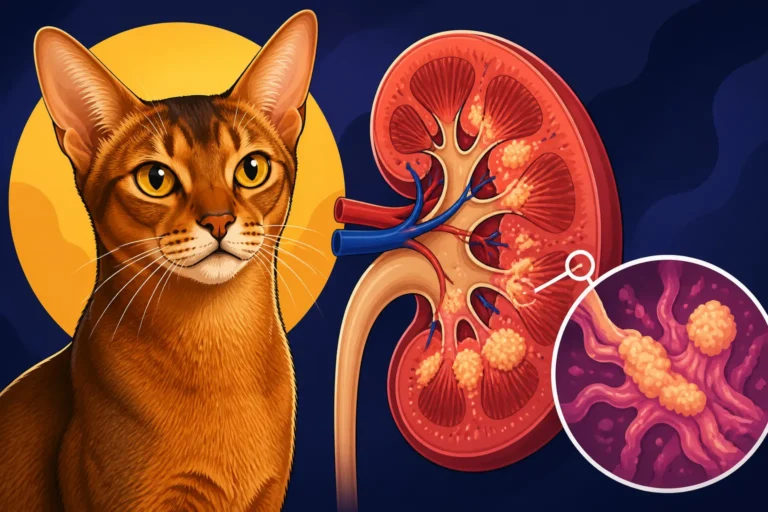
One of the most insidious threats to an aging Abyssinian is kidney disease. These vital organs are responsible for filtering waste products from the blood and maintaining proper fluid balance. The problem is, cats are incredibly efficient at compensating for failing kidneys, only showing signs of illness once about two-thirds of their kidney function is already lost. At that point, you might notice increased thirst, more frequent urination, weight loss, or a dull coat. However, a lot of damage has already been done.
Yearly bloodwork, particularly looking at specific markers, can detect subtle changes long before these symptoms manifest. Traditional markers like BUN (blood urea nitrogen) and creatinine often don't rise above normal until significant kidney damage has occurred. But newer, more sensitive tests like SDMA (symmetric dimethylarginine) can flag kidney issues much earlier, sometimes when only 25% of kidney function is lost. This early detection is a game-changer because it allows you and your vet to implement strategies to slow the progression of the disease, improve quality of life, and potentially extend your cat's healthy years. It’s devastating to see What Kidney Failure Looks Like in a Young Abyssinian, and early bloodwork is key to preventing that scenario.
Unmasking Hyperthyroidism and Diabetes Early On
Beyond kidney concerns, hyperthyroidism and diabetes are two other common age-related conditions that Abyssinians, like other breeds, can develop. Hyperthyroidism, caused by an overactive thyroid gland, often presents with weight loss despite a ravenous appetite, hyperactivity, and an unkempt coat. Diabetes, where the body can't properly regulate blood sugar, can lead to increased thirst and urination, and weight loss. Again, these symptoms can be subtle at first, especially in an already energetic Abyssinian.
Blood tests are the definitive way to diagnose both conditions. A simple thyroid hormone (T4) test can confirm hyperthyroidism, while a blood glucose measurement can reveal diabetes. Catching hyperthyroidism early means less stress on the heart and other organs, and simpler management with medication or other treatments. For diabetes, early intervention can prevent severe complications and, in some cases, even lead to remission, especially if managed aggressively from the start. These conditions, left unchecked, can significantly impact an Abyssinian's vibrant personality and overall health. It's a sad reality that Why Hyperthyroidism Catches an Older Abyssinian often goes unnoticed for too long.
Key Blood Tests and What They Reveal
Stepping into the world of veterinary blood tests might feel a bit like reading a foreign language, but understanding the basics of what each panel screens for can empower you as an Abyssinian owner. These tests provide a detailed snapshot of your cat's internal health, flagging potential issues long before they become evident.
Complete Blood Count (CBC) and Its Insights
The Complete Blood Count, or CBC, is a foundational test that provides a wealth of information about the cells circulating in your Abyssinian's blood. It's like a general health check of their cellular components.
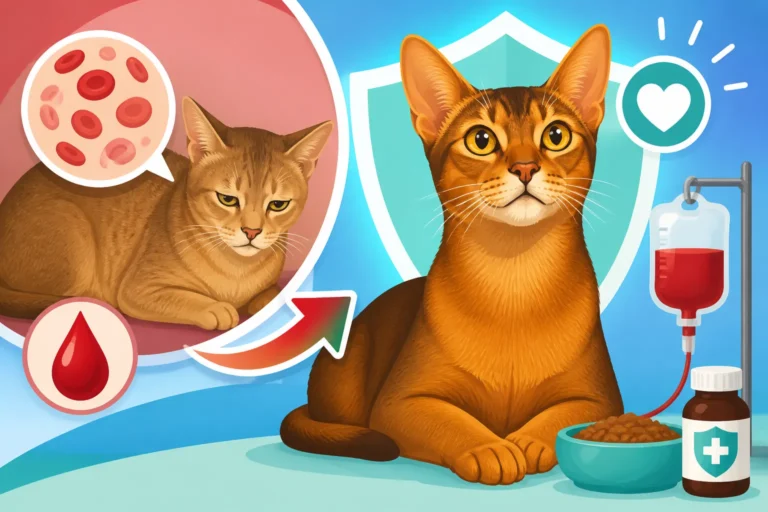
- Red Blood Cells (RBCs): These carry oxygen throughout the body. The CBC measures their number, size, and hemoglobin content. Low levels could indicate anemia, which might be a sign of internal bleeding, nutritional deficiencies, or certain chronic diseases. For instance, some genetic conditions can lead to anemia, and catching it early is paramount. Conversely, very high levels can indicate dehydration.
- White Blood Cells (WBCs): These are the immune system's frontline defenders. The CBC differentiates between various types of white blood cells, such as neutrophils, lymphocytes, monocytes, eosinophils, and basophils. Abnormalities in their numbers can point to infections, inflammation, stress, or even certain cancers. For example, a sudden spike in neutrophils might indicate a bacterial infection, while an increase in eosinophils could suggest allergies or parasites.
- Platelets: These tiny cells are crucial for blood clotting. Low platelet counts can increase the risk of bleeding, while high counts can sometimes indicate inflammation or other issues.
Essentially, the CBC is a broad sweep that can give your vet clues about infection, inflammation, anemia, and even certain types of cancer. It’s a vital first look at your Abyssinian’s internal workings, providing critical context for other blood panels.
Chemistry Panel: A Look at Organ Function
The chemistry panel, sometimes called a biochemistry profile, dives deeper into the function of your Abyssinian's organs and their metabolic processes. This is where your vet can truly assess how efficiently the kidneys, liver, pancreas, and other systems are operating.
- Kidney Values (BUN, Creatinine, SDMA): These are paramount for Abyssinians, especially as they age.
- BUN (Blood Urea Nitrogen) and Creatinine are waste products filtered by the kidneys. Elevated levels can indicate kidney dysfunction. However, as mentioned, these values often don't rise significantly until a large portion of kidney function is lost.
- SDMA (Symmetric Dimethylarginine) is a more sensitive marker for early kidney disease. It often increases before BUN or creatinine, offering a much earlier warning sign. This makes it incredibly valuable for a proactive approach to kidney health, allowing for intervention sooner. Regularly checking How the SDMA Value Reads on an Abyssinian can be a lifesaver.
- Liver Enzymes (ALT, ALP, Bilirubin): These enzymes give insight into liver health. Elevated levels can suggest liver damage, inflammation, or other issues. The liver is a resilient organ, so early detection here is also key.
- Glucose: This is your cat's blood sugar level. Persistently high glucose indicates diabetes. Even slight elevations can prompt further investigation.
- Electrolytes (Sodium, Potassium, Chloride): These are crucial for nerve and muscle function, and overall fluid balance. Imbalances can be indicative of kidney disease, dehydration, or endocrine disorders.
- Total Protein, Albumin, Globulin: These proteins are involved in immune function, clotting, and fluid balance. Abnormal levels can suggest liver disease, kidney disease, or inflammatory conditions.
Knowing Which Blood Values Catch an Abyssinian's Kidneys Early and what they mean can guide discussions with your vet, allowing for a more informed approach to your Abyssinian’s care. It’s worth noting that Why a Normal Creatinine Does Not Clear an Abyssinian is a common misconception, emphasizing the importance of a full panel including SDMA.
Thyroid Hormone Testing (T4)
The T4 test measures the level of thyroid hormone in your Abyssinian's blood. As cats age, particularly past the middle-aged mark, hyperthyroidism becomes a more common concern. This condition can significantly impact their cardiovascular system, leading to heart disease if left untreated.
An elevated T4 level indicates hyperthyroidism. Even if your Abyssinian isn't showing classic signs like weight loss or excessive vocalization, a high T4 can be detected through routine bloodwork. Early diagnosis allows for prompt treatment, often with medication, radioactive iodine therapy, or a specialized diet, which can prevent further complications and improve your cat's overall well-being. This relatively simple test is a crucial component of their annual health screen as they approach and move through their middle years.
Preparing Your Abyssinian for Their Annual Check-up
The thought of taking your active Abyssinian to the vet for bloodwork might seem daunting. They’re usually not the type to sit still for long! However, with a little preparation and understanding, you can make the experience smoother for both you and your cat. Getting them comfortable with handling and understanding the logistical requirements for blood tests can significantly reduce stress.
Fasting and Medication Considerations
One of the most common requirements for bloodwork, especially for a chemistry panel, is a period of fasting. This means no food, usually for 8-12 hours, before the blood draw. The reason for this is that eating can temporarily elevate certain blood values, like glucose (blood sugar) or triglycerides (fats), making the results difficult to interpret accurately. Imagine getting a glucose reading right after your Abyssinian snuck a piece of your toast – it wouldn't be a true reflection of their baseline.
Always confirm the exact fasting requirements with your veterinarian's office, as they can vary slightly based on the specific tests being run. While food is typically restricted, water should almost always be available unless specifically instructed otherwise. Dehydration can also skew blood results, particularly kidney values. If your Abyssinian is on any medications, discuss these with your vet as well. Some medications might need to be withheld before blood tests, while others are critical and should continue as normal. Your vet will advise on the best course of action to ensure accurate results without compromising your cat's health.
Reducing Vet Visit Stress
Abyssinians are intelligent and keenly aware of their surroundings, and a trip to the vet can be a source of significant stress for them. The unfamiliar smells, sounds, and people can be overwhelming. However, there are several steps you can take to make the experience less traumatic.
Start by getting them used to their carrier before the day of the appointment. Leave it out in the house, perhaps with a soft blanket and some treats inside, so it becomes a familiar, safe space rather than a harbinger of dreaded journeys. Use calming pheromone sprays, like Feliway, inside the carrier and in the car about 15-30 minutes before departure. During the car ride, keep the carrier covered with a light blanket to reduce visual stimulation.
At the clinic, ask if you can wait in a quieter area away from barking dogs if possible. Bring some of your Abyssinian's favorite high-value treats to distract and reward them. Talk to them in a calm, soothing voice. Remember, your calm demeanor can significantly influence theirs. Many veterinary clinics now prioritize "fear-free" practices, so don't hesitate to ask about what steps they take to make visits less stressful for feline patients. A good experience makes future visits, especially for routine preventative care like yearly bloodwork, much easier to manage.
Understanding and Acting on Bloodwork Results
Receiving your Abyssinian's bloodwork results can feel like opening a complex report. It's easy to get bogged down in the numbers and acronyms, but your veterinarian is there to translate it all for you. The key is to understand not just what the numbers say, but what they mean for your specific cat and their future care.
Deciphering the Numbers with Your Vet
When your vet presents the results, they'll typically highlight any values that fall outside the normal reference range. It's important to remember that a single slightly elevated or decreased value doesn't always spell disaster. Sometimes, it's just a mild fluctuation, or it could be related to factors like stress during the blood draw (which can temporarily elevate glucose) or even dehydration.
Your vet will interpret these results in the context of your Abyssinian's overall health, age, weight, and any physical exam findings. For instance, a slightly elevated SDMA value, even if other kidney markers like BUN and creatinine are still within normal limits, is a significant finding for a middle-aged Abyssinian and warrants further investigation or proactive measures. They'll also compare current results to previous ones, if available. This trend analysis is incredibly powerful because even if a value is technically "normal," a consistent upward or downward trend can signal a developing problem. This is why having a consistent vet and consistent yearly check-ups is so beneficial.
Proactive Steps Based on Findings
If the bloodwork reveals any abnormalities, this is where the "proactive" aspect truly comes into play. Early detection means you have options, rather than reacting to an emergency.
Here's how different findings might lead to action:
- Early Kidney Disease (elevated SDMA): Your vet might recommend dietary changes to a prescription kidney-friendly food, increasing water intake (perhaps through wet food or a water fountain), or even starting certain supplements or medications to support kidney function. These interventions, started early, can significantly slow disease progression and improve your cat's quality of life. How a Vet Manages an Abyssinian in Kidney Failure is a complex topic, but early intervention reduces the need for aggressive treatment later.
- Hyperthyroidism (elevated T4): Treatment options typically include oral medication, a prescription iodine-restricted diet (like Hill's y/d), radioactive iodine therapy (a curative option), or even surgery. The best choice depends on your cat's specific situation and your vet's recommendations.
- Diabetes (elevated glucose): Management usually involves dietary changes, insulin injections, and careful monitoring of blood sugar levels at home. Early and consistent management can prevent complications and improve your cat’s long-term prognosis.
- Anemia or Inflammation: Further diagnostic tests, such as imaging (ultrasound or X-rays), urine analysis, or specific infectious disease panels, might be recommended to pinpoint the underlying cause.
It's also crucial to discuss the financial implications of any recommended treatments. This is where having pet insurance, such as a plan from Healthy Paws, can provide immense peace of mind, allowing you to focus on the best course of action for your Abyssinian without undue financial stress. They can help cover unexpected veterinary costs, especially for chronic conditions detected through routine bloodwork. Remember, early intervention often leads to less invasive and less costly treatments in the long run.
Beyond Bloodwork: Holistic Care for the Middle-Aged Abyssinian
While yearly bloodwork is an indispensable tool for maintaining your middle-aged Abyssinian's health, it's just one piece of a larger puzzle. A truly holistic approach encompasses every aspect of their well-being, from their diet and environment to their dental health and mental stimulation. These elements work in synergy to ensure your vibrant Abyssinian thrives for years to come.
Diet and Hydration: Fueling Longevity
As your Abyssinian transitions into their middle years, their nutritional needs can subtly shift. Their metabolism might slow, making them prone to weight gain if calorie intake isn't adjusted. However, an Abyssinian is usually Why an Abyssinian Rarely Gets Fat, but monitoring their weight is still important. Conversely, some conditions like hyperthyroidism can cause weight loss despite increased appetite. A balanced diet appropriate for their age and activity level is crucial. Look for high-quality cat foods rich in animal protein, with moderate fat and appropriate carbohydrate levels. Your vet might recommend a specific diet, especially if bloodwork has revealed early signs of kidney disease or other conditions. For example, a diet lower in phosphorus and protein can be beneficial for early renal support.
Hydration is equally, if not more, critical, especially for a breed prone to kidney issues. Encourage water intake by offering fresh water in multiple locations, using ceramic or stainless steel bowls (some cats dislike plastic), and considering a pet water fountain, which many Abyssinians find appealing due to the moving water. Incorporating wet food into their diet is also an excellent way to boost their daily water intake. A cat that is consistently thirsty, especially a young or middle-aged Abyssinian, is a significant red flag, as Why a Thirsty Young Abyssinian Is a Red Flag could indicate underlying kidney issues or diabetes.
Dental Health: Often Overlooked, Always Important
Dental disease is one of the most common health problems in middle-aged and senior cats, and Abyssinians are no exception. Untreated dental issues can lead to pain, difficulty eating, and even systemic infections when bacteria from the mouth enter the bloodstream, potentially impacting organs like the heart, kidneys, and liver.
Regular at-home dental care, such as brushing your Abyssinian's teeth, starting when they are young, is the gold standard. However, many cats won't tolerate it daily. Even if you brush, professional dental cleanings under anesthesia are often necessary to remove tartar buildup below the gum line and address any existing dental disease. Your vet will assess your Abyssinian's teeth during their annual exam and recommend professional cleaning as needed. Given that Abyssinians are prone to certain gum issues and tooth resorption, keeping on top of their oral health is vital. A dental fund or pet insurance from providers like Healthy Paws, which often covers routine dental care or emergencies, can be a huge asset here.
Environmental Enrichment and Exercise
An Abyssinian never truly "retires" from play, even as they age. Maintaining a stimulating environment and encouraging regular exercise is paramount for their physical and mental health. This helps them maintain a healthy weight, strong muscles, and keeps their intelligent minds engaged.
Ensure they have plenty of vertical space to climb, such as tall cat trees or wall-mounted shelves. Interactive toys that mimic prey, like wand toys, laser pointers, or puzzle feeders, can provide hours of entertainment. Schedule regular play sessions to keep them active and prevent boredom, which can sometimes lead to destructive behaviors. While an older Abyssinian might not scale the curtains with the same youthful abandon, they still benefit immensely from appropriate physical activity. This helps them stay limber and strong, potentially delaying the onset of age-related mobility issues like arthritis. Regular activity is also crucial to avoid What an Old Abyssinian Slows Down From becoming a permanent state.
By combining yearly bloodwork with attentive daily care, you're giving your middle-aged Abyssinian the best possible chance at a long, healthy, and happy life, full of their signature inquisitive spirit and playful charm. Remember that pet insurance can really help manage costs as your Abyssinian approaches their golden years and needs more frequent vet visits or specialized care.
Disclaimer
This article is intended for informational purposes only and does not constitute veterinary advice. Always consult with a qualified veterinarian for any health concerns or before making any decisions about your Abyssinian's care. Individual needs may vary.