Why an Abyssinian Rarely Gets Fat
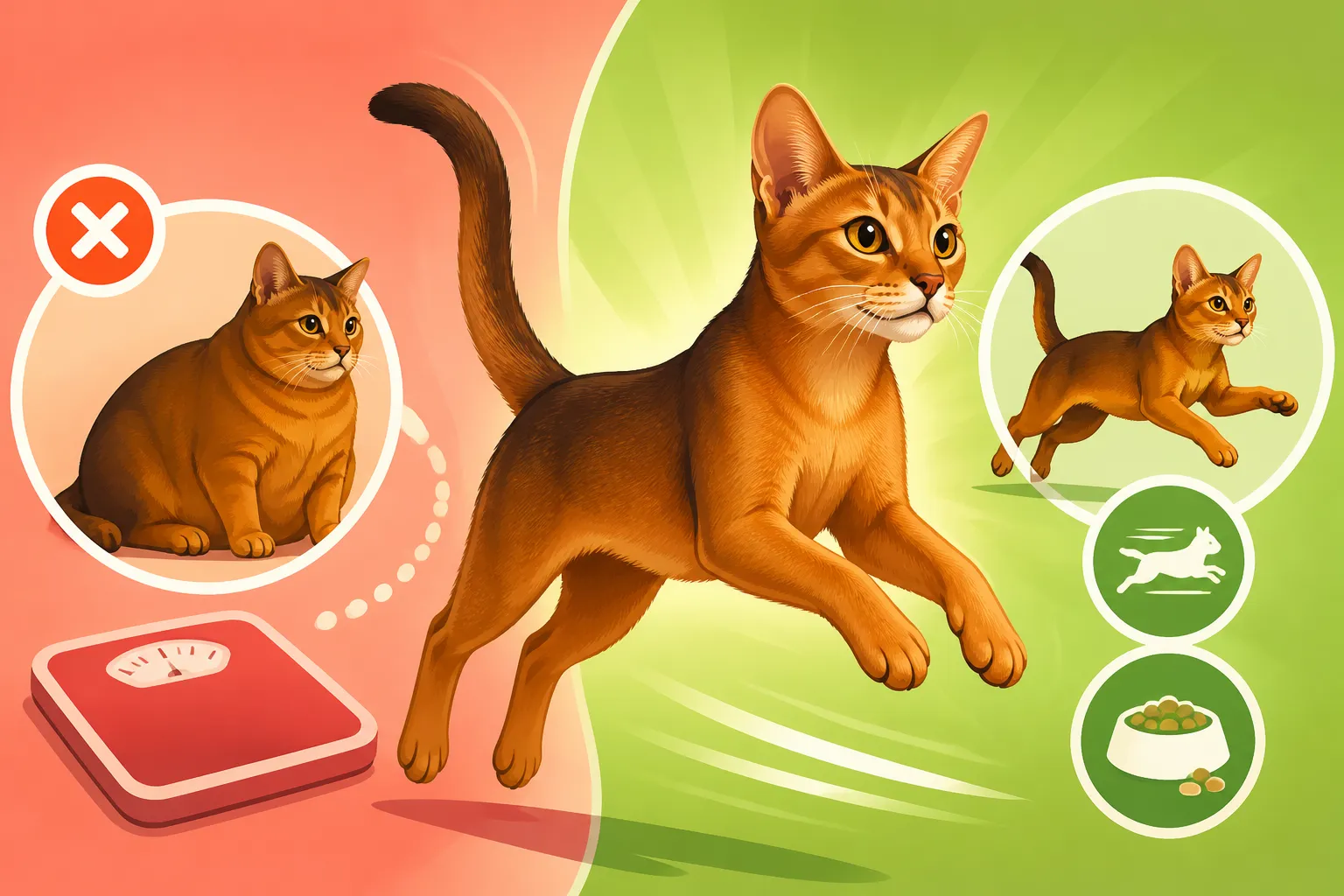
It's incredibly frustrating when you hear people worried about their cats getting chunky, but your Abyssinian seems to defy gravity, staying lean and lithe no matter what. You might even worry if they're eating enough! The truth is, there are several compelling reasons why your Abyssinian rarely seems to pack on the pounds, and understanding them can help you ensure they stay healthy and vibrant for years to come.
The Abyssinian's Built-In Metabolism: A High-Octane Engine
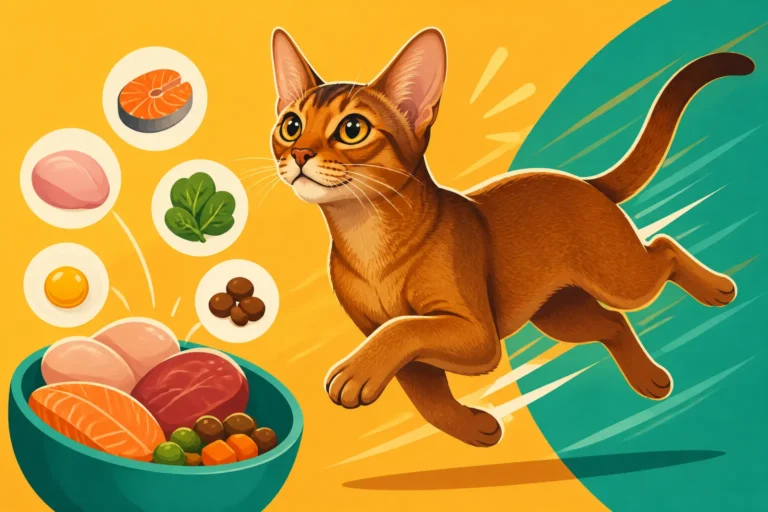
If you live with an Abyssinian, you know they aren't exactly couch potatoes. These cats are perpetual motion machines, constantly exploring, climbing, and engaging with their environment. This inherent energy level plays a monumental role in why they tend to stay so svelte. It’s not just an occasional burst of zoomies; it’s a sustained, low-level hum of activity that burns calories consistently throughout the day.
Think about it: from the moment they wake up, often at an ungodly hour like five in the morning, they’re on the go. They leap onto counters, scale cat trees, race down hallways, and engage in elaborate hunting expeditions with their favorite toys. This isn't just play; it's their natural state of being, and it demands a lot of energy. Unlike some more placid breeds that might spend 18 hours a day napping, an Abyssinian's "nap" often involves twitching ears, a watchful eye, and a readiness to spring into action at a moment's notice. This constant physiological demand means their bodies are naturally efficient at burning off what they consume.
Moreover, their sheer intelligence often drives their activity. A bored Abyssinian is a destructive Abyssinian, and they often seek out mental stimulation that translates into physical activity. They might learn to open cabinets, investigate every new object in the house, or even try to "help" you with your tasks, which often involves a lot of agile maneuvers. This ceaseless engagement means they have a higher basal metabolic rate than many other breeds. Their internal engine is always running a little hotter, consistently processing and burning calories to fuel their next adventure. How Many Hours a Day an Abyssinian Stays Active is a testament to this fact; they truly are always on the move.
Lean Machine: Understanding the Abyssinian Body Type
Beyond their boundless energy, the Abyssinian possesses a unique physical structure that contributes to their naturally lean appearance. They are often described as having a "foreign" or "slinky" body type – elegant, muscular, and athletic, rather than broad or cobby. This build is genetically programmed and is a hallmark of the breed standard.
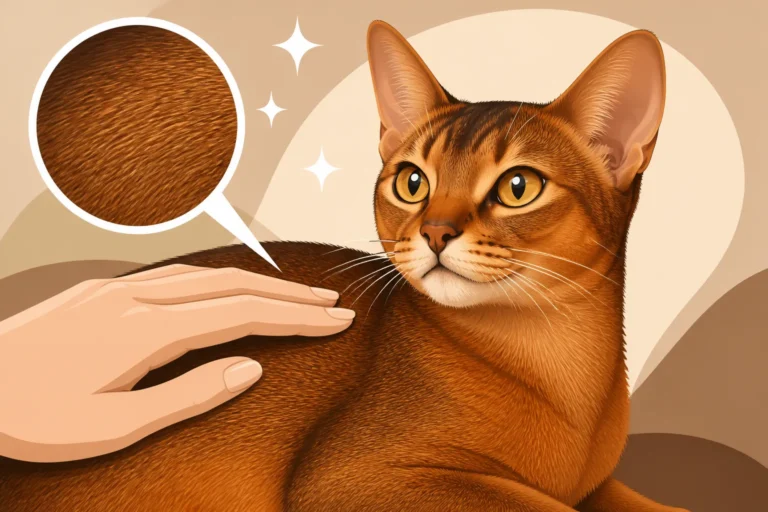
Their bones are fine, but their musculature is incredibly well-defined and dense. When you run your hand along an Abyssinian's side, you can easily feel their ribs, even when they are at a perfectly healthy weight. This isn't a sign of being underweight; it's simply how their body is constructed. They carry very little excess fat. Instead, their bodies are built for agility, speed, and climbing. This lean muscle mass burns more calories even at rest than fat does, further contributing to their inability to gain much weight. How to Feel an Abyssinian's Ribs Under a Ticked Coat is a crucial skill for any owner to master, precisely because their naturally lean build can sometimes make it hard to judge condition.
Another factor is their unique coat. Abyssinians have a short, close-lying coat with very little undercoat. This means there's no fluffy layer to "hide" any extra weight. What you see is essentially what you get – their sleek, muscular form. Other breeds with denser, longer coats can appear heavier or softer than they actually are because of the sheer volume of fur. An Abyssinian’s ticking, where each individual hair has bands of color, also accentuates their body lines rather than obscuring them. Their lack of an insulating undercoat also means they might burn a tiny bit more energy just keeping warm in cooler environments, though this is a minor factor compared to their activity level and muscle mass.
Smart Eaters: How Abyssinians Approach Their Food
While their metabolism and body type are primary drivers, an Abyssinian's typical eating habits also play a significant role in their lean physique. They are often not the type of cat to gorge themselves, preferring instead a more measured approach to mealtime.
Many Abyssinians are grazers rather than gulpers. They'll eat a small amount, then wander off to play or explore, returning later for another bite. This isn't necessarily because they're picky, but often because their high energy levels mean they get distracted easily. A big, full bowl of food left out all day might simply become less appealing over time, or they might just eat what they need to fuel their immediate activities. This "little and often" approach, combined with their high metabolic demands, means they process food steadily rather than accumulating large reserves of fat. You might find that How to Portion an Abyssinian Across Three Sittings or even more small meals throughout the day works best for them, mimicking their natural grazing tendencies.
Their dietary needs are also geared towards a lean, muscular build. Abyssinians, like all cats, are obligate carnivores, requiring a diet rich in animal protein. High-quality wet food is often recommended because it provides essential moisture, which is vital for kidney health, especially given the breed's predisposition to certain kidney issues. A diet high in protein and healthy fats, with minimal unnecessary carbohydrates, supports their muscle mass and provides sustained energy without leading to fat storage. Many owners turn to reputable brands available through retailers like Chewy or Amazon, seeking out foods specifically formulated for active cats or those with high protein content. Some owners even explore fresh food options for a biologically appropriate diet. Which Protein Level Keeps an Abyssinian's Muscle On is a critical consideration for any owner.
Spotting Trouble: When a Lean Abyssinian Isn't Healthy
Given that Abyssinians are naturally lean, it can sometimes be a challenge to discern when "lean" crosses over into "unhealthy weight loss" or when their body condition is actually poor. It's easy to dismiss a subtle change in a cat that is always on the go and rarely looks heavy. However, ignoring these signs can be detrimental, as a lean Abyssinian can mask illness longer than a heavier cat simply because they have less metabolic reserve. This is why Why a Lean Abyssinian Hides Illness Longer Than a Heavy Cat is such an important topic for owners to understand.
One of the most critical indicators is muscle loss, not just fat loss. While you should always be able to feel an Abyssinian's ribs easily, you should also feel a healthy layer of muscle over them and along their spine. If their spine or hip bones start to feel sharply angular, or if you notice a decrease in the muscle mass on their hindquarters, it's a red flag. Muscle wasting can be a sign of underlying health issues, even if their weight on the scale hasn't plummeted dramatically. Regular handling and gentle palpation are essential to monitor their condition. How to Read an Abyssinian's Body Condition Through That Coat provides excellent guidance on this.
Another key sign to watch for is a change in appetite or eating behavior. While grazers, a healthy Abyssinian usually approaches food with enthusiasm. If they suddenly become pickier, eat even less than usual, or take an unusually long time to finish their meals, it warrants attention. Similarly, changes in thirst or urination can be subtle indicators of internal problems, as their kidneys are a particular concern for the breed. Don't assume a subtle change is just "being an Abyssinian." Always err on the side of caution and consult your vet if you notice any persistent changes in their eating habits, activity levels, or overall demeanor. After all, Why an Abyssinian's Weight Loss Is Never Minor and should always be investigated.
Monitoring Body Condition Score
To help owners objectively assess their Abyssinian's physique, veterinarians often use a Body Condition Score (BCS) system. This isn't about the number on a scale but rather a physical assessment. For an Abyssinian, being at the lower end of the healthy range (a BCS of 4 or 5 out of 9) is typical and desirable, reflecting their athletic build. Anything lower could indicate insufficient body fat or muscle mass, signaling a need for veterinary intervention.
Here's a simplified look at what to feel for:
| Body Part | Healthy Abyssinian (BCS 4-5) | Concerning Abyssinian (BCS 1-3) |
|---|---|---|
| Ribs | Easily felt with light pressure, a thin layer of muscle over them. | Very easily felt, visible, no fat or muscle covering. |
| Spine | Palpable but smooth, individual vertebrae discernible. | Prominent and sharp to the touch, visible from a distance. |
| Hip Bones | Covered by a small amount of muscle, slightly felt. | Very prominent, visible, no muscle or fat covering. |
| Waist | Clearly defined hourglass shape when viewed from above. | Severely tucked abdomen, sunken appearance. |
| Muscle Mass | Firm, well-developed musculature, especially hindquarters. | Noticeable reduction in muscle, especially over the back and hind legs. |
Regular checks, perhaps once a week during grooming sessions, can help you become attuned to what your individual Abyssinian feels like when they are healthy. This way, any deviation will be more obvious, allowing for prompt veterinary consultation. It's often subtle changes, not dramatic ones, that indicate a problem.
Keeping Your Abyssinian at Their Ideal Weight
Maintaining an Abyssinian's ideal lean weight is generally less about restricting calories and more about providing high-quality nutrition, ample mental and physical stimulation, and consistent veterinary care.
First and foremost, feed a premium diet. Look for foods with high animal protein content as the first few ingredients. Wet food is excellent for ensuring adequate hydration, which is vital for kidney health. If you feed dry kibble, consider a timed feeder or puzzle feeder to slow down consumption and provide mental engagement. Puzzle feeders, easily found on Amazon or Chewy, can be fantastic for engaging their active minds and making mealtime a fun challenge.
Ensure they get plenty of play and exercise. Daily interactive play sessions with wand toys are a must. These are not cats who will entertain themselves all day with a static toy. Provide plenty of vertical space—cat trees, wall shelves, and even catio access can all contribute to their physical activity. How Much Play an Abyssinian Needs Each Day cannot be overstated; it's a huge part of their overall well-being and metabolism.
Finally, regular veterinary check-ups are non-negotiable. Your vet can perform a professional Body Condition Score assessment, monitor their weight, and recommend any necessary dietary adjustments or diagnostic tests if they notice any concerning changes. Don't assume that because your Abyssinian is lean, they are automatically healthy; their ability to mask illness means vigilance is key.
Disclaimer
This article is for general informational purposes only and does not constitute professional advice. Laws, prices and regulations vary by location and change over time. Consult a qualified professional for guidance on your specific situation.