How to Portion an Abyssinian Across Three Sittings
It’s a common frustration for Abyssinian owners: you’ve got this incredibly energetic, intelligent little dynamo, and it feels like they’re always hungry, or always demanding food, even if their bowl was just full. Trying to figure out how to keep their endless fuel tank topped up without overfeeding or creating a food-obsessed feline can feel like a riddle wrapped in a mystery, all inside a ticking cat. This guide is here to help you solve that riddle by breaking down how to portion your Abyssinian’s daily meals across three distinct sittings, keeping them happy, healthy, and properly energized.
Why Three Meals a Day is Ideal for Your Abyssinian
Abyssinians aren't your average couch potato cats. They're built for speed, agility, and a seemingly boundless curiosity that keeps them on the move, exploring every nook and cranny of your home. This inherent drive means their dietary needs and feeding patterns often differ from less active breeds.
Understanding the Abyssinian's Metabolism and Activity Level
Have you ever watched your Abyssinian bound across the room, leap onto a bookshelf, survey their kingdom, and then spring down to chase a stray dust bunny, all within a matter of seconds? That incredible energy isn't just for show; it's a testament to their high metabolism. These cats are always on the go, whether they're pestering you for play, climbing to the highest vantage point, or just doing their characteristic "Abyssinian zoomies" through the house. Their bodies are constantly burning calories to fuel this activity.
Because of this constant motion, they require a steady supply of energy. Unlike some cats who might be content with one or two large meals a day, an Abyssinian's system benefits from more frequent, smaller intakes. Think of it like a high-performance sports car: it needs premium fuel, and it needs it often, to maintain peak performance. If you've ever noticed your Abyssinian getting a little antsy or overly vocal around mid-afternoon, it might just be their internal clock signaling that their energy reserves are starting to dip.
The Pitfalls of Free Feeding and Single Large Meals
Many cat owners, understandably, fall into the trap of free feeding—leaving a bowl of kibble out all day for their cat to graze on. While this might seem convenient, it presents several problems for an active Abyssinian. For one, some Abyssinians, despite their high metabolism, can become over-eaters when food is constantly available, leading to unhealthy weight gain. Other Abyssinians, however, might gorge themselves initially and then face long stretches of hunger, causing their blood sugar to rollercoaster. This can lead to undesirable behaviors like excessive vocalization, destructive chewing, or even begging.
Then there's the single large meal approach. While it might seem efficient, it rarely sustains an Abyssinian's energy levels throughout their long, active day. They'll eat it all, feel full for a bit, and then as their metabolism kicks into high gear, they'll burn through those calories far too quickly. This can leave them feeling hungry and discontent long before their next scheduled meal. Imagine running a marathon on just one big breakfast—it just doesn't work for sustained effort. How many calories an adult Abyssinian burns is surprisingly high, and they need that consistent replenishment.
Stabilizing Blood Sugar and Energy Levels
The real beauty of a three-meal-a-day schedule for your Abyssinian lies in its ability to stabilize their blood sugar and maintain consistent energy levels. When they receive smaller, more frequent meals, their digestive system isn't overwhelmed, and their body can more efficiently process nutrients and convert them into energy. This prevents those dramatic spikes and crashes in blood sugar that can make a cat irritable, sluggish, or overly demanding.
Consistent energy levels mean a happier, more even-keeled Abyssinian. They'll have the fuel they need for their playful antics, their intense climbing sessions, and their deep-thinking puzzle-solving. This isn't just about preventing hunger; it's about optimizing their overall well-being, keeping their sharp minds engaged and their athletic bodies thriving. It also helps manage their natural tendency to Why an Abyssinian asks for food it does not need by reducing genuine hunger signals.
Crafting Your Abyssinian's Daily Food Plan
Moving to a three-meal schedule requires a bit of planning, but it's entirely manageable and incredibly beneficial for your Abyssinian. The key is to understand their individual needs and choose the right tools and foods to support this new routine.
Calculating the Right Caloric Intake
Before you start dividing food, you need to know how much total food your Abyssinian actually needs in a day. This isn't a one-size-fits-all answer. Factors like age, activity level, current weight, and whether they're spayed or neutered all play a role. A growing kitten needs significantly more calories than a senior cat who's slowed down a bit. How many calories an Abyssinian kitten needs is different from How many calories a neutered Abyssinian needs.
The very best first step is always to consult your veterinarian. They can provide a tailored recommendation based on your cat's specific health profile. As a general guideline, active cats like Abyssinians typically need around 20-35 calories per pound of body weight per day, but this can fluctuate wildly. Once you have that total daily caloric target, you simply divide it by three. For example, if your vet recommends 200 calories a day, each meal would be roughly 66-67 calories. It's not about filling a bowl; it's about providing the precise nutrition they need.
Choosing the Right Food Types for Portioned Meals
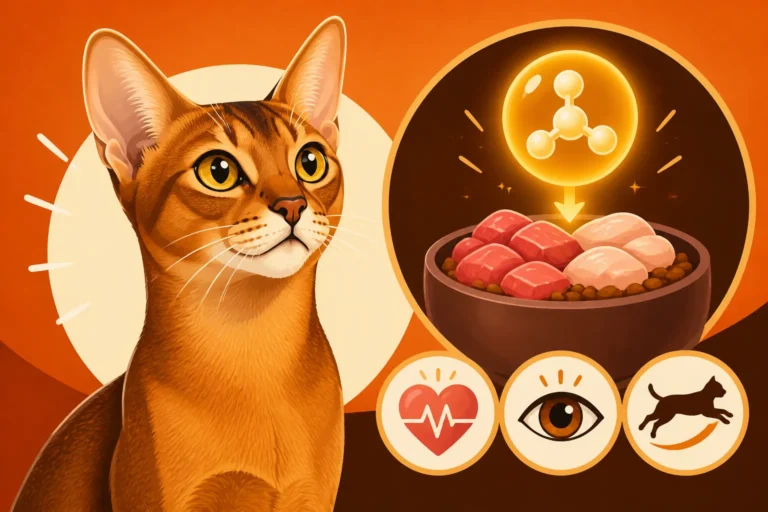
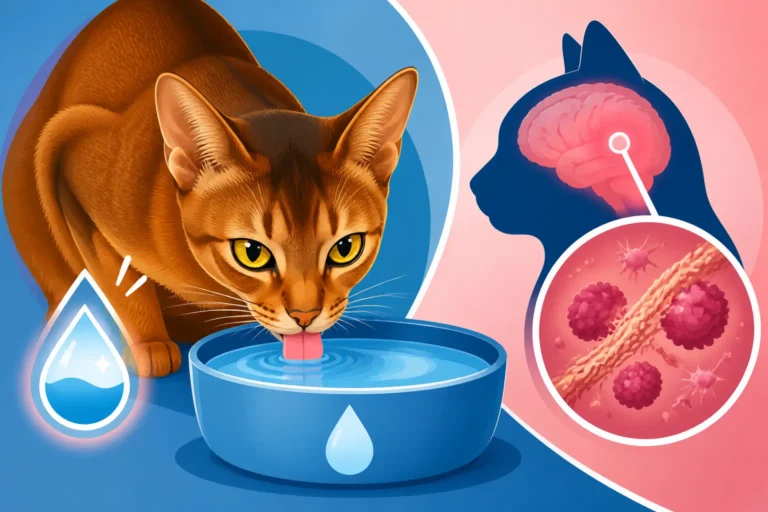
When it comes to the type of food, a mixed diet or primarily wet food often works beautifully for Abyssinians and a portioned schedule. Wet food is fantastic because it's naturally higher in moisture, which is incredibly important for maintaining hydration, especially with Why an Abyssinian's kidneys make water intake matter and their potential predisposition to kidney issues. The higher water content also helps them feel fuller on fewer calories, which can be a huge plus for those constantly "hungry" Abyssinians.
Many owners find a combination works best: a portion of wet food for one or two meals, and a portion of high-quality kibble for another, perhaps in a puzzle feeder. When selecting kibble, look for options that are high in animal protein, as this is crucial for maintaining an Abyssinian's lean muscle mass. Brands available through retailers like Chewy offer a vast selection of both wet and dry foods, making it easier to find suitable options that meet these nutritional criteria. Some owners even explore fresh or gently cooked options, which can offer precise nutritional profiles. Just remember to always transition foods slowly to avoid upsetting their sensitive stomachs. Which wet food suits an Abyssinian usually involves finding a high protein, grain-inclusive option your cat loves.
Tools and Techniques for Accurate Portioning
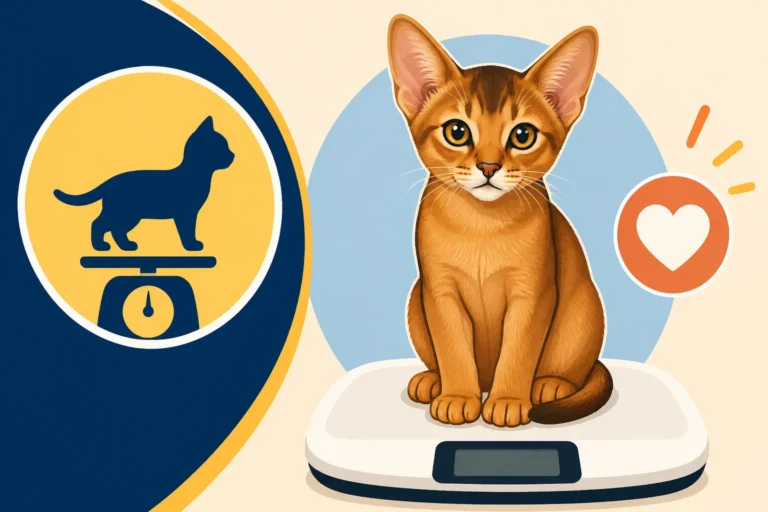
Precision is key when portioning. Eyeballing it with a scoop isn't going to cut it if you're trying to hit specific caloric targets. A small kitchen scale is your best friend here, especially for wet food or kibble, allowing you to measure out exact gram or ounce portions. For dry food, a dedicated measuring cup designed for pet food can also be helpful, but always cross-reference it with weight if you want true accuracy, as kibble density varies.
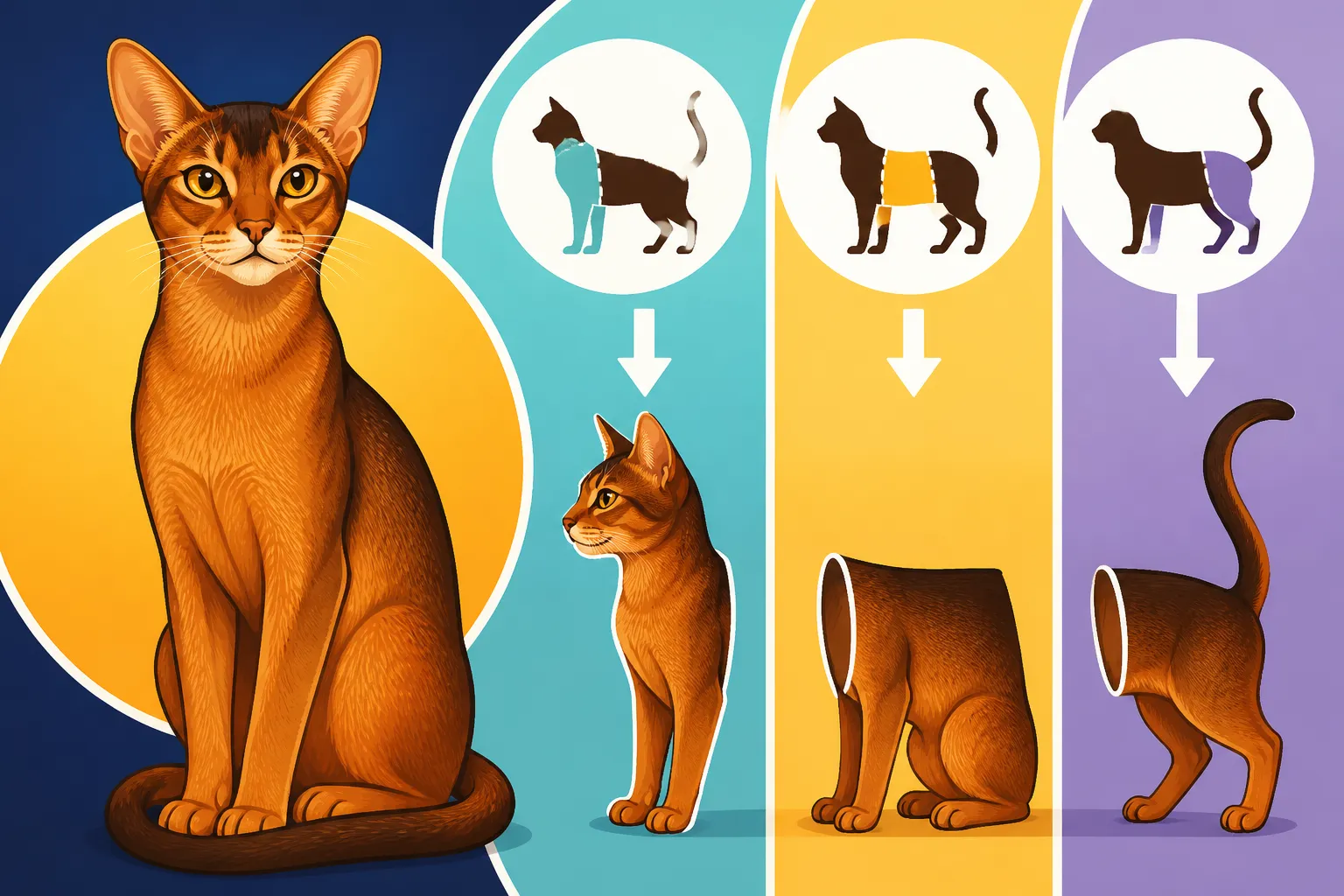
| Meal Time | Type of Food | Recommended Tool | Notes |
|---|---|---|---|
| Morning | Wet or Dry | Kitchen Scale | Fresh start, matches their natural waking activity. |
| Midday/Afternoon | Dry (Puzzle Feeder) | Automatic Feeder / Scale | Great for when you're out, provides mental stimulation. |
| Evening | Wet or Dry | Kitchen Scale | Helps sustain them overnight, calming routine. |
If you work outside the home, the midday meal can be a challenge. This is where a timed automatic feeder truly shines. There are many reliable options available through online retailers like Amazon. You can program it to dispense the exact portion at a set time, ensuring your Abyssinian gets their meal even when you're not there. This helps maintain consistency, which is vital for both their physical health and their behavioral well-being. Whether a timed feeder works for an Abyssinian depends on the specific cat, but it's often a lifesaver for owners.
Implementing the Three-Sitting Schedule
Once you've calculated portions and gathered your tools, it's time to put the plan into action. Consistency is the name of the game here, as cats thrive on routine.
The Morning Meal: Fueling the Day's Adventures
Your Abyssinian probably already has you on a morning schedule, likely waking you up with their chirps and demands right around dawn. Why an Abyssinian Wakes You at Five is often tied to their internal clock signaling hunger. This makes the morning meal a natural first sitting. Aim to feed them relatively early, perhaps shortly after you wake up, or at least before you get engrossed in your own morning routine. This immediate gratification after their "wake-up call" can help reduce those insistent early morning demands.
This meal sets the tone for their entire day. It provides the essential fuel for their morning burst of energy, whether that involves scaling cat trees, chasing toys, or supervising your breakfast preparations. A good, satisfying meal will help prevent them from getting too hungry too soon and resorting to less desirable activities to express their discontent. Many owners opt for a wet food meal in the morning to maximize hydration.
The Midday/Afternoon Boost: Sustaining Energy
This is often the trickiest meal for many owners, especially those who work away from home. However, it's crucial for an Abyssinian. Without that midday boost, their high metabolism can leave them running on empty by the late afternoon, leading to increased anxiety, boredom, and potentially destructive behaviors. This is where a timed feeder really comes in handy. You can load it with their designated portion of kibble before you leave for the day and set it to open mid-morning or early afternoon.
Alternatively, if you have a trusted pet sitter, they could pop in to feed your cat. Another option is a puzzle feeder filled with a portion of their kibble. This not only dispenses food but also provides valuable mental stimulation, which is vital for smart cats like Abyssinians. Which puzzle feeders hold an Abyssinian's attention can vary, so you might try a few different types. The goal is to bridge that long gap between breakfast and your return home, ensuring their energy levels remain steady.
The Evening Meal: Winding Down and Overnight Nourishment
The final meal of the day should be given in the evening, perhaps a few hours before your own bedtime. This allows them to digest their food comfortably before settling down for the night. Avoid feeding them right at your bedtime, as their immediate post-meal energy might keep them active when you're trying to wind down. A consistent evening feeding time helps establish a predictable routine, which contributes to a cat's sense of security and reduces stress.
This meal needs to be substantial enough to carry them through the long hours of the night until their morning feed. It’s also an excellent opportunity for some quiet bonding time while they eat. You might notice your Abyssinian is a little calmer after this meal, content to snuggle (briefly!) or just observe their surroundings from a high perch. This consistency in feeding helps prevent those pre-dawn "I'm starving!" meows that many Abyssinian owners become accustomed to.
Troubleshooting and Adapting Your Abyssinian's Feeding Schedule
Even with the best intentions, implementing a new feeding schedule might encounter a few bumps in the road. Remember, every Abyssinian is an individual, and flexibility is key.
Adjusting for Age, Activity, and Health Changes
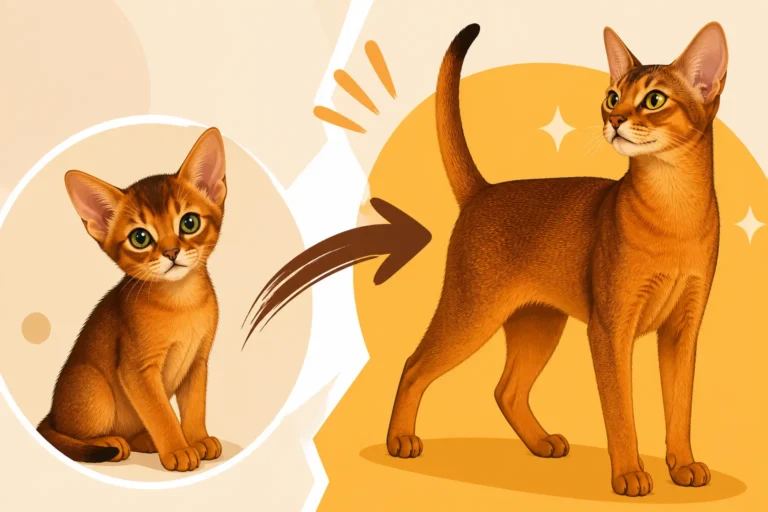
An Abyssinian's caloric needs aren't static; they evolve throughout their life. A rambunctious kitten, still growing and burning through energy at an astonishing rate, will require more food than a mature adult. As they age, their metabolism might slow down, and their activity levels could decrease. How to adjust an old Abyssinian's food will likely involve reducing portions slightly while ensuring they still get adequate protein to maintain muscle mass.
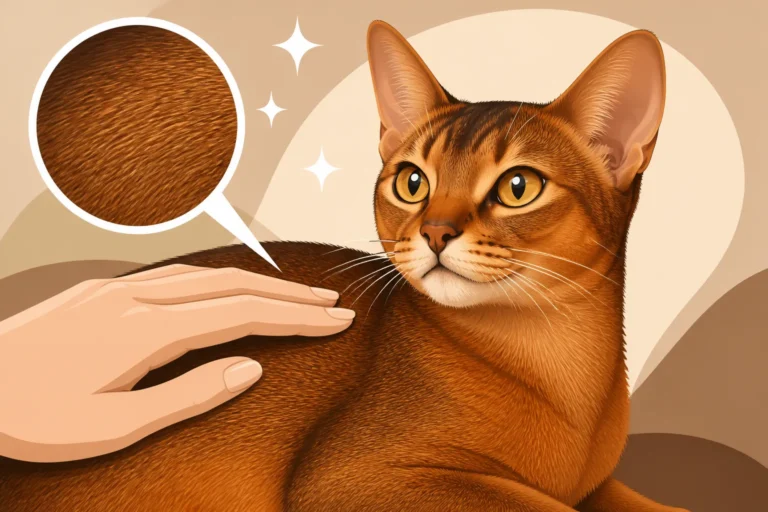
It's crucial to regularly monitor your Abyssinian's weight and body condition. You should be able to feel their ribs easily, but not see them protruding, and they should have a discernible waist when viewed from above. How to feel an Abyssinian's waist under its coat takes a bit of practice due to their sleek, close-lying fur. Any significant weight gain or loss, or a noticeable change in their appetite, warrants a trip to the vet. They can rule out underlying health issues and help you recalibrate their food intake accordingly.
Dealing with Finicky Eaters or Rapid Eaters
Some Abyssinians are notoriously finicky, turning their nose up at new foods or even familiar ones without apparent reason. If your Abyssinian refuses a meal, first ensure there’s no underlying health issue. Then, try warming wet food slightly to enhance its aroma, or experimenting with different textures. Why an Abyssinian refuses a sudden food change means slow transitions are always best.
On the flip side, some Abyssinians inhale their food so quickly you'd think they hadn't eaten in weeks. This rapid eating can lead to indigestion, vomiting, or not feeling truly satisfied. For these speedy eaters, consider slow feeder bowls, which have raised obstacles that force them to eat around them, or spread their dry food out on a large, flat plate or cookie sheet. You can also use puzzle feeders for all their dry food meals, as this naturally slows down consumption while engaging their intelligent minds.
Integrating Treats and Training into the Schedule
Treats are an important part of life for many cats and their owners, and Abyssinians are no exception. They're often highly motivated by food, which makes them excellent candidates for Which tricks an Abyssinian learns fastest. However, treats also contain calories and should be accounted for in their daily intake. Don't think of treats as "extra"; consider them a small part of their overall daily food allowance.
Use treats strategically for training, positive reinforcement, or just as a special bond-building moment. Just make sure they don't spoil mealtime, meaning don't give a large number of treats right before their scheduled meal. Many Abyssinians will happily work for kibble from their regular meal portion, which can be a great way to reduce caloric intake from dedicated treats. Which treats an Abyssinian will actually work for will vary, but small, high-value, meaty treats are often a hit. A little planning here goes a long way in maintaining both their health and their training progress.
Disclaimer
This article is for general informational purposes only and does not constitute professional advice. Laws, prices and regulations vary by location and change over time. Consult a qualified professional for guidance on your specific situation.