How Much Water an Abyssinian’s Amyloid Risk Demands
One of the most worrying things about owning an Abyssinian is the shadow of renal amyloidosis, a silent and serious condition that can silently compromise their kidneys. While there's no magic bullet or genetic test to completely prevent it, one of the most proactive and crucial steps you can take as an owner is to ensure your energetic companion is drinking enough water every single day. This comprehensive guide will walk you through why hydration is paramount for your Abyssinian's long-term kidney health and how to encourage optimal water intake.
Understanding Amyloidosis in Abyssinians and Why Water Matters So Much
It’s truly a heavy burden for Abyssinian owners, isn't it? Knowing that this beautiful, lively breed carries a predisposition to a disease that can sneak up without much warning. But understanding the 'why' behind the concern can empower you to take the best preventative steps.
The Silent Threat: What Renal Amyloidosis Means for Your Abyssinian
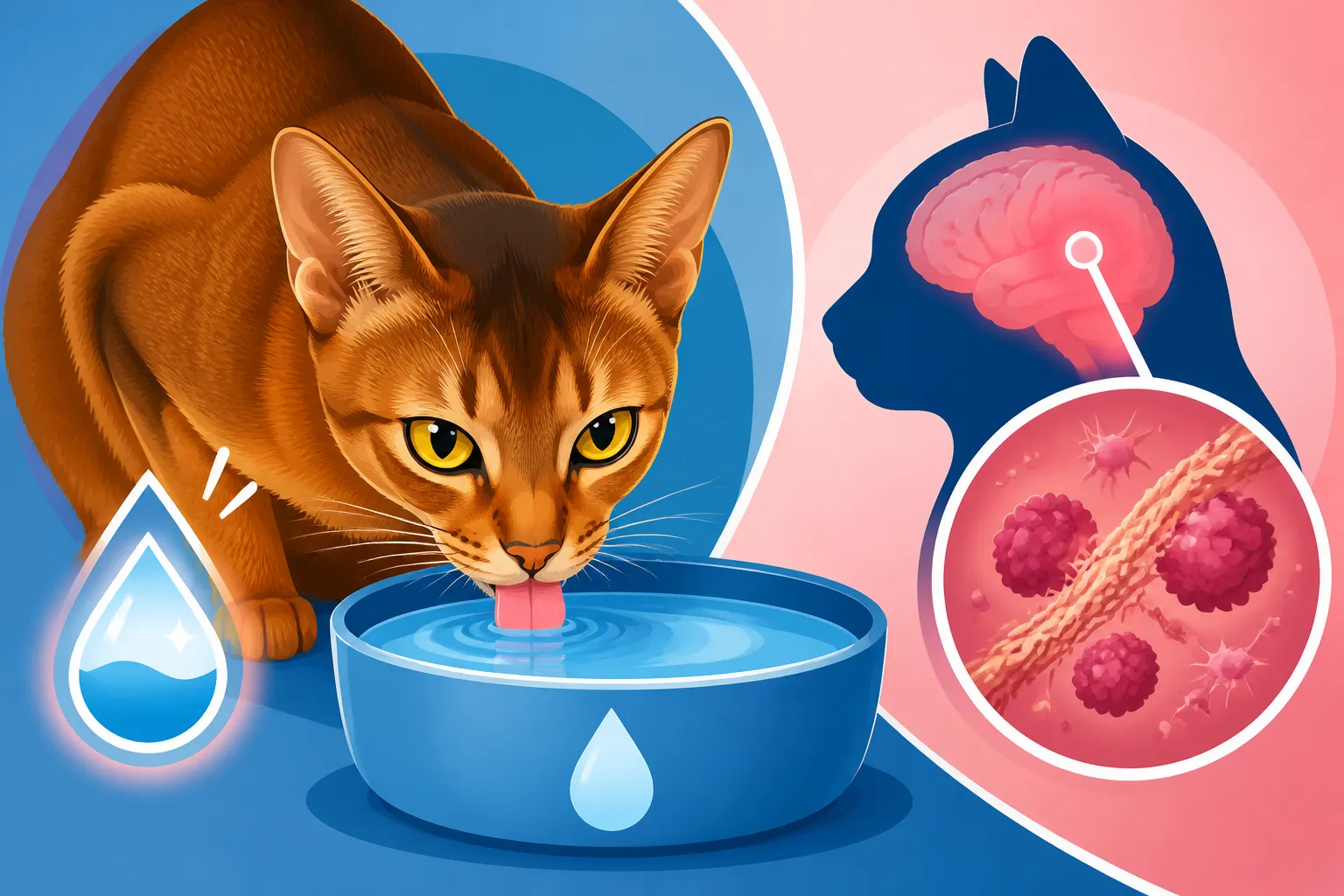
Renal amyloidosis is a condition where abnormal protein deposits, called amyloid, accumulate in the kidneys. For Abyssinians, this isn't just a random occurrence; it's a genetically predisposed issue. These amyloid deposits build up over time, disrupting the normal filtering function of the kidneys. Imagine a delicate filtration system slowly getting clogged and damaged – that's essentially what happens. The kidneys become less efficient at removing waste products from the blood and maintaining fluid balance in the body.
The frustrating part for us as owners is that there isn't a direct genetic test for this specific type of amyloidosis in Abyssinians, unlike some other breed-specific diseases. This means we can't simply test our cats and breathe a sigh of relief. Instead, we rely on careful breeding practices (tracking family lines for incidence) and, most importantly, proactive care. The accumulation of these proteins can lead to chronic kidney disease, a progressive and ultimately fatal condition. It often means that Renal Amyloidosis Is the Abyssinian Problem Nobody Can Test For, and the impact can be devastating, sometimes even leading to Why an Abyssinian's Kidneys Fail Before Its Coat Dulls at a surprisingly young age.
The Lifesaving Role of Hydration for Abyssinian Kidneys
Given the risk of renal amyloidosis, optimizing your Abyssinian's hydration isn't just good practice; it's absolutely vital. Water is the lifeblood of kidney function. The kidneys rely on a steady flow of fluids to do their job – filtering waste products like urea and creatinine from the blood, regulating electrolytes, and producing urine. When a cat is adequately hydrated, their kidneys can work more efficiently, diluting waste products and making it easier for them to be flushed out of the body.
Think of it like this: if your car's engine needs oil to run smoothly, your Abyssinian's kidneys need water to function optimally. While proper hydration won't prevent amyloid from depositing if your cat is genetically predisposed, it can certainly help the kidneys cope better for longer. It helps them maintain their filtering capacity, potentially slowing the progression of any underlying kidney compromise. By keeping waste products diluted, you reduce the strain on already challenged kidneys, buying your beloved companion more precious time and a better quality of life. This is Why an Abyssinian's Kidneys Make Water Intake Matter so intensely, even from a young age.
How Much Water Your Abyssinian Really Needs to Drink
Figuring out if your Abyssinian is drinking enough can feel like a guessing game, especially with their endless energy and busy lives. But there are some guidelines and signs that can help you be a detective for their health.
The Baseline: Calculating Ideal Daily Water Intake
Generally, cats need about 2-4 ounces of water per 5 pounds of body weight per day. For a lean, active Abyssinian weighing, say, 8-10 pounds, that could mean roughly 3-8 ounces (or around 90-240ml) of water daily. However, Abyssinians are known for their high energy levels; they're constantly running, jumping, and playing. This increased activity means they burn more calories and often require more water than a more sedentary cat of the same size. So, leaning towards the higher end of that range, or even slightly exceeding it, is usually a good idea.
It's also important to remember that this intake includes water from their food. If your Abyssinian primarily eats dry kibble, they'll need to drink significantly more water from their bowl to compensate for the lack of moisture in their diet. A cat on a diet of mostly wet food, however, will naturally get a large portion of their daily water requirements from their meals. We'll delve into food choices more shortly.
Recognizing the Subtle Signs of Dehydration in an Active Cat
Abyssinians are masters of disguise when it comes to illness or discomfort. Their high energy levels can often mask subtle signs of dehydration or other health issues, making it even more challenging for owners. You might not see them panting or looking obviously ill until they're quite unwell. So, what should you look for?
- Less Frequent Urination / Smaller Clumps: One of the easiest indicators is their litter box. Are the urine clumps smaller or less frequent than usual? A healthy, well-hydrated Abyssinian should produce decent-sized, firm clumps a few times a day. Keep an eye on What an Abyssinian's Urine Output Should Look Like.
- Dry Gums: Gently lift your Abyssinian's lip. Their gums should be moist and pink. If they're tacky or pale, it could be a sign of dehydration.
- Skin Tent Test: Gently pinch the skin between their shoulder blades. In a well-hydrated cat, it should snap back almost immediately. If it slowly returns or "tents," it suggests dehydration.
- Lethargy (Subtle): A truly lethargic Abyssinian is usually quite ill, but look for subtle changes. Are they playing a little less enthusiastically? Are their zoomies shorter? Are they sleeping a bit more than usual, even for them? For a cat that thrives on constant motion, even a slight dip in energy can be a red flag, especially since Why a Lean Abyssinian Hides Illness Longer Than a Heavy Cat.
- Sunken Eyes: In more severe cases, their eyes might appear sunken.
If you notice any of these signs, don't wait. A trip to the vet is in order.
Strategies to Supercharge Your Abyssinian's Water Intake
Encouraging an Abyssinian to drink more water can feel like a full-time job, but with a few strategic changes, you can make a big difference. They're intelligent and curious, and you can leverage these traits!
The Power of Wet Food and Water-Added Meals
This is arguably the single most impactful change you can make for your Abyssinian's hydration. Dry kibble typically contains only about 6-10% moisture, while wet food can be 75-85% water. Switching to an all-wet or predominantly wet food diet dramatically increases their daily fluid intake without them even realizing they're "drinking."
When selecting wet food, look for high-quality options with minimal fillers. Fresh foods made with human-grade ingredients can be an excellent choice for some cats, delivering both nutrition and vital moisture. Beyond that, many premium canned foods are readily available from retailers like Chewy. Even if your Abyssinian is already on wet food, you can take it a step further: add a tablespoon or two of warm water (or low-sodium, cat-safe broth) to each meal. Stir it in thoroughly; many cats love the extra gravy!
If your Abyssinian insists on some dry kibble, you can still boost their hydration. Try adding a bit of water to their kibble bowl and letting it soak for a few minutes before serving. Some cats will happily lap up the softened kibble and the water. This is an essential step because Why Kibble Alone Leaves an Abyssinian Short of Water.
Exploring Different Water Stations: Bowls, Fountains, and Beyond
Cats can be incredibly particular about their water, and Abyssinians are no exception. What works for one might not work for another, so be prepared to experiment!
- Multiple Bowls: The first rule of thumb is to have multiple water bowls placed throughout your home, especially in different rooms and on different levels if your Abyssinian loves to climb. Just like humans, they might forget to drink if water isn't conveniently located.
- Material Matters: Some cats dislike the taste that plastic bowls can impart to water, or the way their sensitive whiskers brush against narrow bowl edges. Experiment with wide, shallow ceramic or stainless steel bowls. These are also easier to keep clean and discourage chin acne.
- Water Fountains: This is often a game-changer for many Abyssinians. Their natural instinct is often to seek out running water, which they perceive as fresher and safer than stagnant water. A good quality cat water fountain can encourage significant increases in water intake. You can find a vast selection on platforms like Amazon or Chewy, ranging from ceramic to stainless steel options with different flow styles. Some cats prefer a bubbling stream, others a cascading flow. Whether an Abyssinian Uses a Fountain is definitely worth finding out! Remember to clean the fountain regularly and change the filter as recommended to keep the water fresh and appealing.
Making Water Irresistible: Location, Temperature, and Additives
Sometimes it's not just about the source, but the entire experience.
- Strategic Placement: Cats often don't like their water bowl next to their food bowl, as instinct tells them stagnant water near prey could be contaminated. Try placing water bowls away from food and litter boxes. Consider putting one on a higher shelf or cat tree landing where your Abyssinian enjoys spending time, making hydration part of their climbing adventures.
- Temperature Preference: Most cats prefer cool, fresh water. Change the water in bowls at least twice a day, and consider adding an ice cube or two, especially in warmer weather.
- Flavor Boosts (with caution): For a truly reluctant drinker, you can sometimes entice them with a tiny splash of low-sodium chicken or beef broth (ensure it's onion and garlic-free!), or a spoonful of tuna water (packed in spring water, not oil). Use these sparingly as special treats to encourage drinking, not as a daily habit, as they can add unnecessary sodium or fat.
Monitoring Hydration and Partnering with Your Vet
Even with the best efforts, consistent monitoring and professional guidance are key to ensuring your Abyssinian stays well hydrated and healthy.
Observing Urine Output and Litter Box Habits
Your Abyssinian's litter box is an invaluable daily diagnostic tool. Get into the habit of paying attention to the size and frequency of their urine clumps. A well-hydrated cat should have decent-sized, firm clumps several times a day. If you suddenly notice smaller, more scattered clumps, or if your Abyssinian is only urinating once a day, it's a significant red flag. Which Urine Test Catches an Abyssinian's Kidneys First is often one that looks at urine concentration.
A reduction in urine output can signal dehydration, but it can also be a sign of a urinary tract infection or kidney issues. It's crucial to distinguish between these possibilities, and that often requires a vet visit. Keeping a mental (or even written) note of your cat's normal litter box habits will help you identify changes quickly.
Regular Vet Check-ups and Early Detection of Kidney Issues
Because of the breed's predisposition to amyloidosis, regular veterinary check-ups are non-negotiable for Abyssinians. Don't wait until your cat shows obvious signs of illness; by then, a significant portion of kidney function may already be lost. Annual (or even semi-annual for older cats) veterinary visits are crucial for early detection.
During these visits, your vet will likely recommend bloodwork that includes kidney values like Creatinine, BUN (Blood Urea Nitrogen), and especially SDMA (Symmetric Dimethylarginine). SDMA is a newer, more sensitive marker that can detect kidney disease much earlier than creatinine, sometimes when as little as 25% of kidney function is lost, rather than the 60-75% required for creatinine to elevate. How the SDMA Value Reads on an Abyssinian can give you an invaluable early warning. Remember, Why a Normal Creatinine Does Not Clear an Abyssinian because it's less sensitive.
Your vet will also check a urine sample for its specific gravity, which indicates how concentrated the urine is. Dilute urine can sometimes be a sign of early kidney disease or excessive water intake, while highly concentrated urine can indicate dehydration. Discussing your Abyssinian's water intake habits with your vet is a critical part of these appointments. They can help you interpret any changes in blood or urine values and suggest further steps, including dietary changes or supplements if needed. How a Vet Manages an Abyssinian in Kidney Failure often starts with addressing hydration.
Common Myths and Misconceptions About Cat Hydration
Let's clear up some misunderstandings that can unintentionally put your Abyssinian's health at risk.
"Cats Don't Drink Much Anyway": Why This Is a Dangerous Myth for Abyssinians
You've probably heard it before: "Cats are descended from desert animals, so they don't need to drink much." While it's true that wild felines derived much of their moisture from their prey and have efficient kidneys for concentrating urine, this evolutionary adaptation doesn't mean our domestic Abyssinians shouldn't drink much, especially when fed processed dry foods. Relying on this myth can be incredibly dangerous for a breed already susceptible to kidney issues.
Our domesticated cats, particularly those eating dry kibble, simply cannot get adequate hydration from their food alone to compensate for minimal water bowl drinking. Their bodies are still designed to process a high-moisture diet, and when that's absent, they become perpetually mildly dehydrated, putting immense strain on their kidneys. For Abyssinians, with their amyloidosis risk, this chronic mild dehydration is an unnecessary and significant burden on their already vulnerable renal system. It's crucial to actively encourage water intake, not just assume they'll drink "enough" if they're thirsty.
"Any Water Bowl Will Do": Why Presentation and Freshness Matter
Another common misconception is that a simple bowl of tap water is perfectly fine, regardless of its location or condition. However, cats are often surprisingly fastidious creatures, and their instincts drive many of their preferences. A stagnant bowl of water that has been sitting for a day, collecting dust and particles, or that is placed right next to their food or litter box, might be completely unappealing to them.
As we discussed, variety in water sources, materials, and locations can make a huge difference. A clean, fresh water supply, changed daily (or constantly circulating in a fountain), presented in a wide, clean bowl in a quiet, accessible spot, is far more likely to be consumed. Cats have sensitive noses, and off-tasting or stale water is a big deterrent. They also often dislike their whiskers touching the sides of a bowl, another reason why wide, shallow options are often preferred. Simply put, investing a little thought and effort into your Abyssinian's hydration setup can yield significant returns in their overall health and well-being.
Hydration Checklist for Your Abyssinian
To make it easier to ensure your Abyssinian is getting enough to drink, here's a quick checklist you can use:
| Feature/Strategy | Rationale | Implementation Tip |
|---|---|---|
| All Wet Food Diet | Primary source of moisture, reduces kidney strain. | Gradually transition to high-quality canned food. Add water to existing wet meals. |
| Multiple Water Bowls | Convenience encourages more frequent drinking. | Place ceramic/stainless steel bowls in different rooms, on different levels, away from food/litter. |
| Water Fountain | Mimics running water, which many cats prefer. | Invest in a quality fountain (e.g., from Chewy or Amazon). Clean regularly and change filters. |
| Fresh, Cool Water | Appealing taste and temperature. | Change water bowls twice daily. Add ice cubes in warm weather. |
| Monitor Litter Box | Key indicator of hydration and kidney health. | Observe urine clump size and frequency daily. Note any changes. |
| Regular Vet Checks | Early detection of kidney issues is critical. | Schedule annual wellness exams with bloodwork (including SDMA) and urine analysis. |
| Clean Bowls Daily | Prevents bacterial growth and keeps water appealing. | Wash all water bowls with soap and hot water daily. |
| Consider Flavor Enhancers | For reluctant drinkers (use sparingly). | Add a tiny amount of low-sodium broth or tuna water occasionally as a treat. |
Taking these steps helps safeguard your Abyssinian against the unique challenges presented by renal amyloidosis, ensuring they can continue to bring their boundless energy and affection into your home for as long as possible.
Disclaimer
This article is for general informational purposes only and does not constitute professional advice. Laws, prices and regulations vary by location and change over time. Consult a qualified professional for guidance on your specific situation.