What an Abyssinian’s Urine Output Should Look Like
One of the most concerning things an Abyssinian owner can notice is a change in their beloved cat's litter box habits. It's a silent signal, and for a breed with specific health predispositions, understanding what's normal – and what's not – about your Abyssinian's urine output can literally be a lifesaver. This guide will walk you through what healthy Abyssinian pee should look like, when to worry, and how you can support your energetic friend's urinary health.
Understanding "Normal" for Your Abyssinian's Urine
When you scoop the litter box, you're not just performing a chore; you're conducting a daily health check. For us Abyssinian parents, who know how good our cats are at hiding discomfort, these subtle observations are incredibly important. The urine itself holds many clues about what's going on inside your Aby.
The Elusive Baseline: What Does Healthy Abyssinian Pee Actually Look Like?
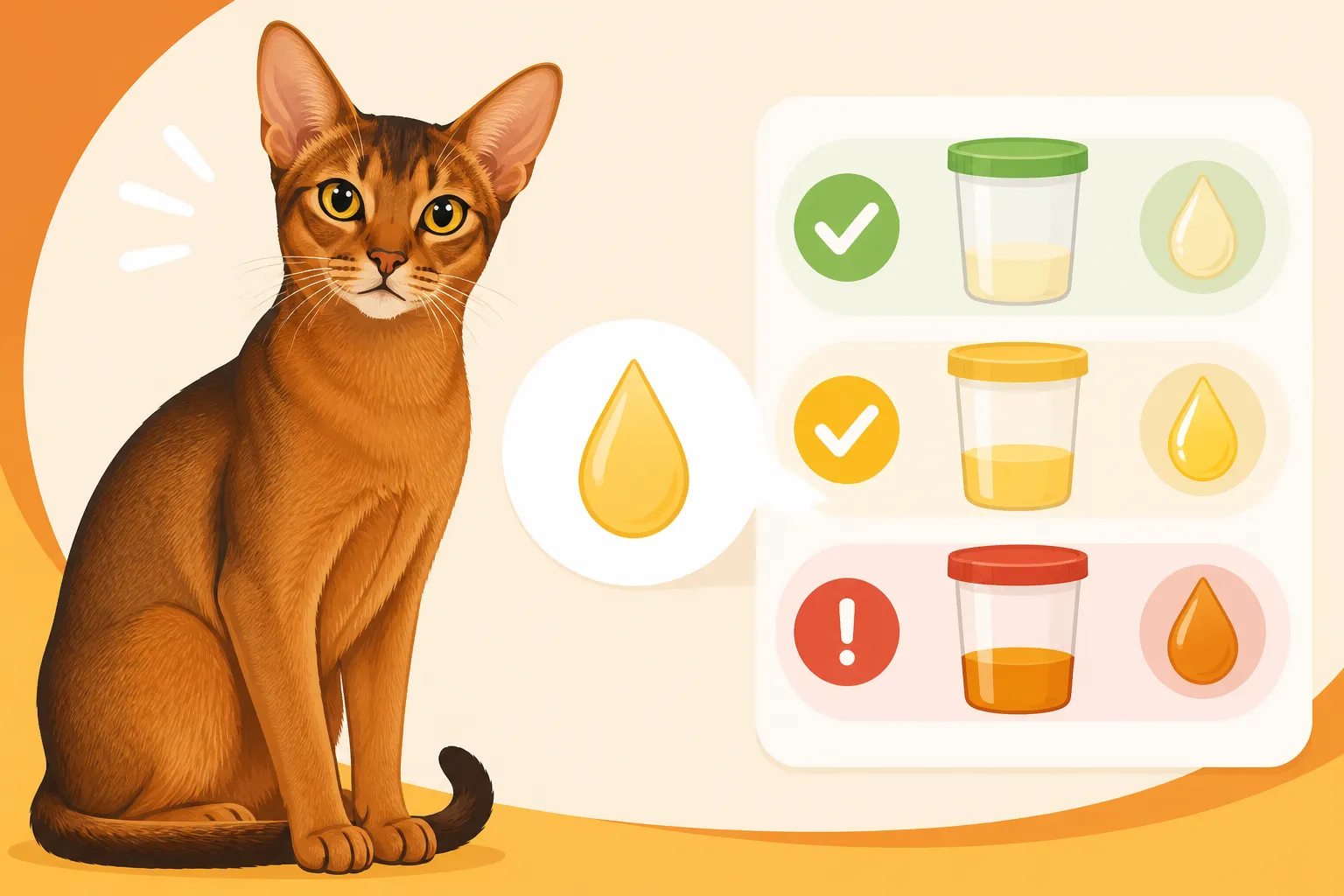
Defining "normal" can feel a bit like trying to nail jelly to a wall, because slight variations are, well, normal! However, there's a general range you should expect. A healthy Abyssinian's urine should typically be a pale straw yellow to a light gold color. It should also be clear, not cloudy, and free of any visible sediment. When it comes to volume, a healthy adult Abyssinian usually produces a moderate amount of urine, resulting in a firm, golf-ball to tennis-ball sized clump in the litter box if you're using clumping litter.
The exact shade and volume can fluctuate slightly based on your cat's hydration levels and diet. For instance, an Abyssinian who drinks a lot of water or is primarily on a wet food diet might have lighter, larger urine clumps. Conversely, a cat who drinks less or eats mostly dry kibble might have slightly darker, more concentrated urine. The key is consistency for your individual cat. Getting to know your Abyssinian's personal baseline allows you to spot deviations quickly, which is crucial for their long-term health.
Frequency and Volume: How Often Should Your Aby Go?
Most adult Abyssinians will urinate two to four times a day, though some might go a bit more often, especially if they are enthusiastic water drinkers or enjoy a lot of wet food. You know your Aby’s routine best – if they usually create three solid clumps a day and suddenly you’re finding five, or just one tiny one, that’s a red flag. The size of the clumps in the litter box gives you the best indication of volume. A healthy, well-hydrated Abyssinian should produce decent-sized clumps.
Let's imagine a scenario: You typically scoop the litter box once in the morning and once in the evening. You know that your little explorer, Luna, usually leaves two nice, firm clumps each time. But one morning, you notice there are four or five huge, diluted clumps, almost like puddles that the litter has struggled to absorb. Or perhaps, for two days running, you're only finding one tiny, hard pebble-like clump. These are definite departures from her usual pattern and warrant closer attention. Remember, wet food intake directly impacts the volume; a cat on a high-moisture diet will naturally have larger urine clumps because they're taking in more water through their food. This is often a good thing for many cats, especially breeds prone to kidney issues.
When Urine Output Signals Trouble for Your Abyssinian
Spotting a deviation from your Abyssinian's norm isn't about being overly anxious; it's about being an informed and attentive cat parent. Changes in urine output are often among the first, most tangible signs that something isn't quite right, and ignoring them can lead to much bigger problems down the line.
The Alarming Extremes: Too Much or Too Little?
Both ends of the spectrum – urinating too much (polyuria) or too little/not at all (oliguria/anuria) – are serious and demand immediate attention.
When your Abyssinian is urinating too much, you'll see those abnormally large, often pale clumps we just discussed. They might also be going to the litter box with increased frequency. This condition, known as polyuria, is often accompanied by increased thirst (polydipsia). If you notice your Aby draining their water bowl far more quickly than usual, it’s a big clue. Polyuria can be a symptom of several serious health issues, including diabetes, hyperthyroidism, and, critically for our beloved Abyssinians, kidney disease. Our breed has a predisposition to conditions like Renal Amyloidosis Is the Abyssinian Problem Nobody Can Test For, which directly affects kidney function, so observing increased thirst and urination is a massive red flag. How Early an Abyssinian Can Show Kidney Signs can include changes in thirst and urination, and Why a Thirsty Young Abyssinian Is a Red Flag is something every Aby owner should understand. Early intervention here can sometimes slow the progression of these diseases.
On the other hand, urinating too little or not at all is an extreme emergency. You'll notice tiny, often hard clumps, or perhaps no urine at all for a prolonged period. Your cat might strain in the litter box, make frequent trips without producing anything, or cry out in pain. This can indicate a urinary blockage, a life-threatening condition where toxins build up in the body. It can also point to severe dehydration or advanced kidney failure. If you see your Abyssinian straining or unable to urinate, do not wait. Get them to an emergency vet immediately. Every hour counts in these situations.
Color, Odor, and Consistency: Deeper Dive into Warning Signs
Beyond volume and frequency, the characteristics of the urine itself can tell you a lot.
- Color Changes: While pale yellow to light gold is normal, any significant deviation should catch your eye. Dark yellow or orange urine can indicate dehydration or liver issues. Red or pink urine is usually a sign of blood, which could be from a urinary tract infection (UTI), bladder stones, or even a tumor. Brown urine can also suggest blood, but often older blood or muscle damage.
- Odor Changes: Healthy cat urine has a distinct, but not overpowering, odor. A suddenly strong, pungent ammonia smell might point to a UTI or highly concentrated urine. A sweet or fruity smell is a classic sign of diabetes, as the body tries to excrete excess sugar.
- Consistency: Normal urine should be clear. If you notice it’s cloudy, hazy, or contains visible sediment (like tiny sand-like particles), it's a concern. These could be crystals, cells, or other debris indicative of a UTI, bladder inflammation, or stone formation.
Think about your daily litter box routine. You scoop, and suddenly you're hit with an unfamiliar, intensely strong odor that makes you wrinkle your nose. Or you notice that the clump is not only smaller but also has a reddish tinge, almost like a faint rust color. These aren't things to dismiss as "just a fluke." They are direct communications from your Abyssinian that something is amiss, and they need your help to figure out what it is.
The Abyssinian Connection: Why Urine Health is Crucial for This Breed
For Abyssinian owners, monitoring urine output isn't just general good pet parenting; it's a vital part of managing a breed with specific genetic vulnerabilities. Knowing what makes our lean, energetic cats tick, and unfortunately, what can make them sick, helps us be their best advocates.
The Kidney Connection: Abyssinian Amyloidosis and Hydration
One of the most significant health concerns for Abyssinians is a genetic predisposition to a condition called renal amyloidosis. This is a cruel disease where an abnormal protein called amyloid gets deposited in the kidneys, eventually leading to kidney failure. What Renal Amyloidosis Deposits in an Abyssinian's Kidney explains this process in more detail. Because of this risk, maintaining excellent hydration is paramount for our Abyssinians.
Proper hydration helps the kidneys function optimally and can, in theory, help flush out waste products more effectively. It doesn't prevent amyloidosis, but it certainly supports overall kidney health, which is critical. Cats are naturally not big drinkers, often getting most of their moisture from their prey in the wild. Our domesticated Abyssinians are no different. This makes Why an Abyssinian's Kidneys Make Water Intake Matter a concept we should all take to heart. Ensuring your Aby consumes enough water, whether through drinking or diet, directly impacts their urine output and the workload on their kidneys. Diluted urine is often a sign of good hydration and can reduce the concentration of certain substances that could otherwise form crystals or stones. Aim for a consistently good water intake to help those precious kidneys work their best.
Early Detection Through Observation and Vet Checks
The best defense against many of the health issues that can affect an Abyssinian's urinary system is keen observation and proactive veterinary care. Your daily litter box checks are your first line of defense. By consistently monitoring the frequency, volume, color, and odor of your Aby's urine, you become an expert in their normal patterns, making any changes immediately apparent.
Beyond daily observations, regular veterinary check-ups are non-negotiable, especially as your Abyssinian matures. Even if your Aby seems perfectly healthy, a yearly or even bi-annual visit can catch subtle changes before they become serious problems. During these visits, your vet will often perform a urinalysis. This involves collecting a urine sample and testing it for various parameters, such as specific gravity (which indicates concentration), pH levels, presence of protein, glucose, blood, bacteria, and crystals.
Additionally, blood tests can be invaluable. Newer blood markers, like SDMA (Symmetric Dimethylarginine), can detect kidney disease much earlier than older tests like creatinine, sometimes even when only a small percentage of kidney function has been lost. Which Urine Test Catches an Abyssinian's Kidneys First might cover specific gravity or SDMA. These tests, combined with your observations, create a comprehensive picture of your Abyssinian's urinary and kidney health. Don't shy away from these routine checks; they are the best investment in your Aby's long, happy life. What an Abyssinian's Annual Checkup Costs is a small price to pay for peace of mind.
Practical Steps for Monitoring and Supporting Healthy Urine Output
As a devoted Abyssinian owner, you have many tools at your disposal to encourage healthy urinary function and keep a close eye on your cat's well-being. It’s all about creating an environment that supports their natural instincts and being vigilant about changes.
Litter Box Habits and Environmental Enrichment
A clean, appealing litter box is fundamental to encouraging proper urination. Cats are notoriously fastidious creatures, and an unkempt box can lead to them holding their urine for too long, which increases the risk of urinary tract infections or bladder issues. Aim to scoop at least once, ideally twice, a day. A complete litter change and box cleaning (with mild, cat-safe soap and water) should happen weekly or bi-weekly.
Consider the type and placement of your litter boxes. Abyssinians are generally larger cats with long bodies, so a small, cramped box simply won't do. A large, open litter box is often preferred over covered ones, as it allows them more room to maneuver and reduces trapped odors that can be off-putting. Which Litter Box Suits a Long Bodied Abyssinian is a real consideration; look for something roomy. Also, ensure you have enough litter boxes – the general rule of thumb is one per cat, plus one extra, and place them in quiet, accessible locations throughout your home. For an Abyssinian who loves to climb, ensure some boxes are placed in elevated areas they frequent. Where to Put Litter Boxes on an Abyssinian's Climbing Route might suggest placing one on a lower tier of a cat tree or near a favored high perch. Reducing overall stress in the household can also positively impact urinary health, as stress is a known factor in feline lower urinary tract disease.
Hydration Strategies for the Active Abyssinian
Given the Abyssinian's high energy levels and predisposition to kidney concerns, keeping them well-hydrated is crucial. Cats are not always the best at drinking still water from a bowl, and even the most dedicated Aby can be a bit finicky.
- Multiple Water Sources: Place several water bowls around your home, in different rooms and at different heights. This encourages opportunistic drinking. Use various materials – ceramic, stainless steel, or glass – as some cats have preferences. Crucially, keep water bowls away from food bowls and litter boxes. Cats often don't like to drink near where they eat or eliminate.
- Water Fountains: Many Abyssinians are absolutely fascinated by running water. A pet drinking fountain can significantly increase their water intake by providing fresh, filtered, circulating water that mimics a natural stream. There are many options available on platforms like Chewy or Amazon that cater to different sizes and budgets. Observing Whether an Abyssinian Uses a Fountain is a key step, as many truly do prefer it.
- Wet Food is Your Best Friend: The single most effective way to boost your Abyssinian's hydration is through their diet. Incorporating wet food, either exclusively or as a significant portion of their meals, provides a substantial amount of moisture that kibble simply cannot. Look for high-quality wet foods with meat as the primary ingredient. Why Wet Food Protects an Abyssinian's Kidneys is a topic that can't be stressed enough for this breed. Even just adding a spoonful of water to their wet food or moistening their kibble can make a difference.
By consistently implementing these strategies and maintaining a watchful eye, you are providing your Abyssinian with the best possible support for their urinary health and overall well-being.
Disclaimer
This article is for general informational purposes only and does not constitute professional advice. Laws, prices and regulations vary by location and change over time. Consult a qualified professional for guidance on your specific situation.