Whether an Abyssinian Uses a Fountain
It's a common worry among Abyssinian owners: our incredibly active and curious companions often seem to drink so little from a stagnant water bowl, leaving us to fret over their long-term kidney health. This comprehensive guide will dive into why an Abyssinian might just prefer a water fountain, exploring their unique hydration needs, the instinct that draws them to moving water, and how to choose and introduce the perfect fountain to keep your Aby happily hydrated.
The Critical Role of Hydration for Your Abyssinian
When you live with an Abyssinian, you quickly learn they're not just cats; they're tiny, perpetually motion-fueled athletes. Their energy levels are legendary, and with all that running, jumping, and exploring, proper hydration isn't just a suggestion—it's absolutely crucial for their well-being. Many owners, myself included, have stood staring at a full water bowl, wondering if our Aby has had so much as a single sip all day. This underlying anxiety is valid, as adequate water intake is a cornerstone of feline health, particularly for a breed with specific vulnerabilities.
Why Abyssinians Need Consistent Water Intake
Our energetic Abyssinians burn through a lot of calories and expend significant energy every single day. Their metabolism is often quite high, demanding more from their bodies than many other, more sedate cat breeds. Just like a human athlete, constant activity means they need to replenish fluids regularly. Beyond general vitality, consistent water intake plays a monumental role in supporting their urinary tract health and, most importantly, their kidneys. Abyssinians, unfortunately, can be predisposed to certain kidney issues, such as amyloidosis, a condition where abnormal proteins deposit in the organs. While it's not the only factor, staying well-hydrated is one of the best defenses against the strain that can be put on these vital organs over time. Why an Abyssinian's Kidneys Make Water Intake Matter delves deeper into this breed-specific concern, highlighting just how essential it is to encourage regular drinking.
Moreover, many modern cats, including Abyssinians, are fed primarily dry kibble. While convenient for us, kibble contains very little moisture compared to a cat's natural diet of prey. In the wild, cats get most of their water from their food, making them instinctively poor drinkers from standing water sources. This dietary reality places an even greater emphasis on encouraging them to drink independently. Without sufficient water, the kidneys have to work harder to filter waste products, potentially concentrating urine to a level that can contribute to crystal formation or other urinary tract issues.
The Silent Threat of Dehydration
It’s easy to miss the early signs of dehydration in a cat, especially one as vibrant and busy as an Abyssinian. They are masters at masking discomfort and illness, often continuing their lively antics even when feeling less than optimal. A cat that isn't drinking enough might not immediately look "sick." Instead, you might notice subtle shifts: perhaps their urine output seems slightly less, or they seem a little more tired after a play session than usual. These seemingly minor changes can be red flags that something isn't quite right. We all want to catch problems early, and recognizing the danger of insufficient hydration is a key part of preventative care.
Chronic, low-grade dehydration can put a continuous strain on an Abyssinian's kidneys and urinary system. Over years, this can contribute to the development or progression of kidney disease. It's a silent threat because the visible signs of kidney trouble, like increased thirst or changes in appetite, often don't become apparent until the disease is quite advanced. This is why vigilance over water intake is so vital for this breed. If you ever notice your young Abyssinian becoming unusually thirsty, it's a symptom that demands immediate veterinary attention, as discussed in Why a Thirsty Young Abyssinian Is a Red Flag. Regular vet check-ups, as outlined in How Often a Healthy Adult Abyssinian Needs Checking, are crucial for monitoring overall health and catching any subtle changes early.
Understanding Your Abyssinian's Water Preferences
Anyone who has ever lived with an Abyssinian knows they are creatures of strong opinions and even stronger instincts. They approach life with boundless curiosity and a discerning palate, and their drinking habits are no exception. If your Aby consistently snubs the pristine bowl of water you put down, it's not because they're trying to annoy you; it's likely rooted in their inherent feline nature.
The Instinctive Draw to Running Water
Cats, by their very nature, are drawn to running water. Think about it from a wild cat's perspective: a flowing stream or a dripping spring is generally much safer to drink from than a stagnant puddle. Stagnant water can harbor bacteria, parasites, and other contaminants that could make them sick. Running water, on the other hand, is usually fresher, cooler, and oxygenated, making it more appealing. For a cat, the sound of trickling water can be an irresistible siren call, signaling a safe and clean drinking source.
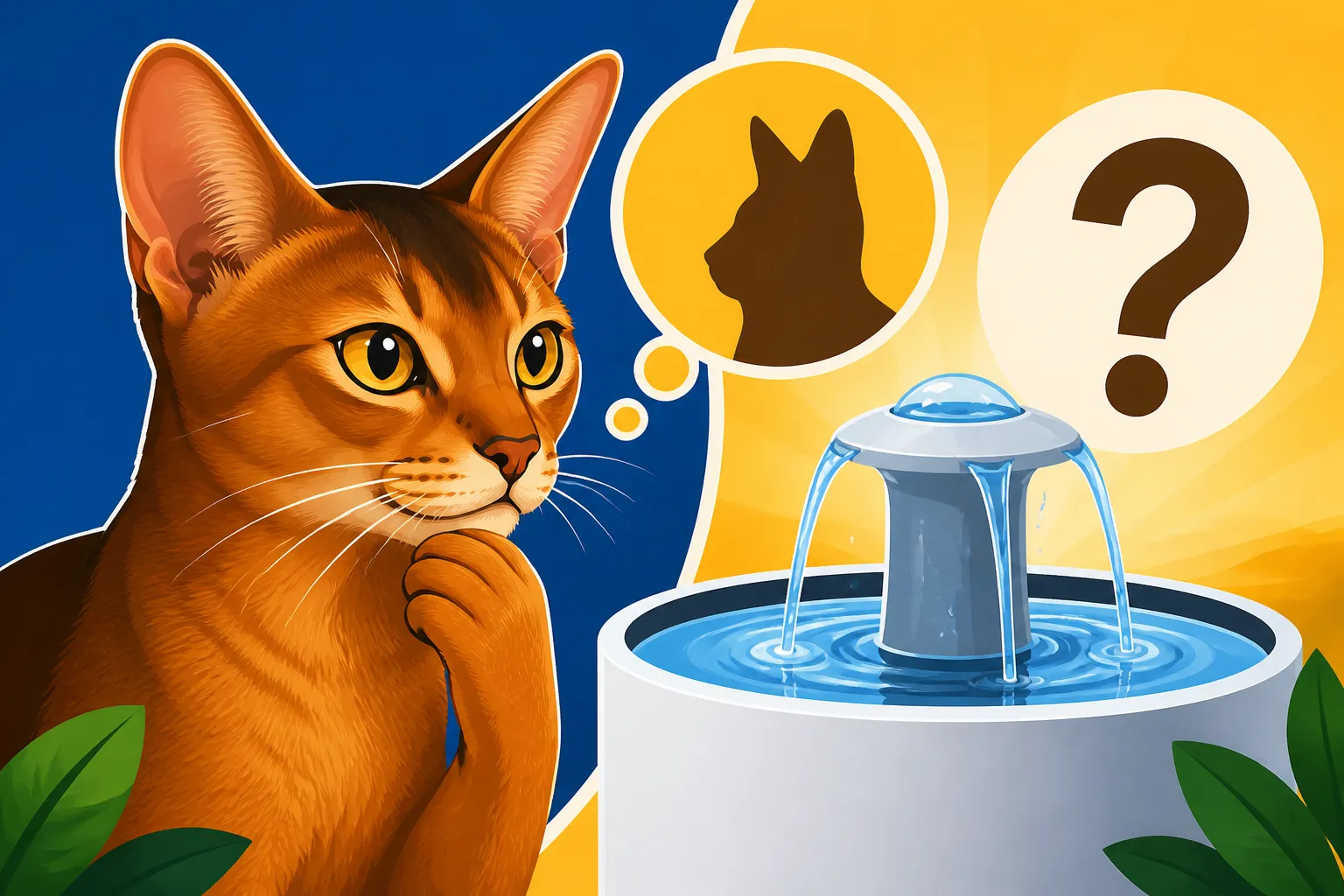
Our Abyssinians, despite being domesticated, retain many of these ancient instincts. Their acute senses pick up on the movement and sound of flowing water, making it far more enticing than a still bowl. They might be fascinated by a dripping tap or try to drink from your shower because their instincts tell them that moving water is the best water. This behavior isn't quirky; it's a hardwired survival mechanism. The Abyssinian Is the Busiest Cat in the House and their inquisitive nature also means they're highly likely to investigate anything new and engaging, like a bubbling water fountain.
Why the Still Bowl Just Isn't Cutting It
So, why do so many Abyssinians turn their noses up at a perfectly clean water bowl? There are a few key reasons, all stemming from their refined feline senses and instincts. Firstly, the water in a still bowl can quickly become stale, especially if it's left out all day. Dust, hair, and even microscopic particles can settle on the surface, making it less appealing. Abyssinians are fastidious creatures, and they can certainly tell the difference.
Secondly, the reflections in a still water bowl can be confusing or even startling for some cats. Their perception of depth and movement might be distorted by the surface tension, making them hesitant to approach. And let's not forget the dreaded "whisker fatigue." Many cats dislike it when their sensitive whiskers brush against the sides of a deep or narrow bowl. This constant tactile sensation can be uncomfortable and a significant deterrent to drinking. A wide, shallow bowl might help, but often, the lure of moving water is simply too strong to overcome. Some Abyssinians will even try to dig at the water in a regular bowl, as if trying to get it to move before they drink.
Choosing the Right Water Fountain for Your Abyssinian
Deciding to invest in a water fountain is a great step towards boosting your Abyssinian's hydration, but a quick search will show you there's a bewildering array of options out there. It's not just about picking one that looks pretty; you need to consider material, noise, filtration, and flow to find the perfect match for your discerning feline friend. Making an informed choice can save you frustration and ensure your Aby actually uses and benefits from their new hydration station.
Materials, Noise, and Filtration
When it comes to water fountain materials, you'll typically find plastic, stainless steel, and ceramic options. Each has its pros and cons:
- Plastic fountains are usually the most affordable and lightweight. However, some cats can develop "chin acne" from plastic, and plastic can scratch, creating tiny crevices where bacteria can harbor, even with regular cleaning. Always opt for food-grade, BPA-free plastic if you choose this route.
- Stainless steel fountains are fantastic because they're durable, easy to clean, and non-porous, making them a very hygienic choice. They're also less likely to cause chin acne. The only downside for some might be the metallic look, but many modern designs are sleek and attractive.
- Ceramic fountains are often praised for their aesthetic appeal and heft, which makes them harder to tip over. They are also non-porous and easy to clean, similar to stainless steel. The main considerations here are typically a higher price point and the risk of breaking if dropped.
Noise level is another big factor. Some pumps can be quite noisy, which might deter a sensitive Abyssinian. Look for fountains advertised as "whisper-quiet" or with low-voltage pumps. Reading reviews from other cat owners is invaluable here.
Filtration is non-negotiable. A good fountain will have multiple layers of filtration, usually including activated carbon to remove odors and tastes, and a foam filter to catch hair and debris. This keeps the water fresh and clean, addressing one of the main reasons Abyssinians avoid still bowls. Replacing these filters regularly is key, so check their availability and cost. You can often find a good selection of various fountain types and replacement filters on online retailers like Chewy or Amazon, making it easy to compare features and read customer feedback.
Flow Styles and Capacity
Water fountains offer different types of water flow, and what appeals to one Abyssinian might not appeal to another. Some popular styles include:
- Bubble-up style: The water gently bubbles up from a central spout, creating a soft ripple effect. This can be less intimidating for some cats.
- Waterfall/Stream style: Water flows down a ramp or spout, mimicking a small waterfall or a continuous stream. Many Abyssinians, with their natural attraction to running water, absolutely adore this type of flow.
- Free-flowing stream: The water is simply pumped up and flows directly into a basin, creating a continuous, open stream. This is often the most natural-looking flow.
It might take a bit of trial and error to see which style your Abyssinian prefers. Some cats love to drink directly from the stream, while others prefer the pooled water in the basin after it has flowed.
Capacity is also important. If you have a single Abyssinian, a smaller fountain might suffice, but if you have multiple cats or want to refill less frequently, a larger capacity fountain is a better choice. Remember, Abyssinians often have housemates, as they tend to do better with a companion, and two Abyssinians can really go through some water! A fountain with a capacity of at least 2-3 liters is a good starting point for a single cat, ensuring there's always fresh water available, even during your workday.
Here's a quick comparison of common fountain materials:
| Feature | Plastic | Stainless Steel | Ceramic |
|---|---|---|---|
| Durability | Moderate (can scratch) | High (very robust) | Moderate (can chip/break if dropped) |
| Hygiene | Good, but scratches can harbor bacteria | Excellent (non-porous, easy to sanitize) | Excellent (non-porous, easy to sanitize) |
| Cost | Lowest | Mid to High | High |
| Aesthetics | Functional, varied designs | Modern, sleek | Often decorative, traditional |
| Chin Acne Risk | Higher | Very Low | Very Low |
| Maintenance | Easy, but needs thorough cleaning | Easy to clean, dishwasher safe options | Easy to clean, dishwasher safe options |
Introducing a Fountain: Tips for Success
So you’ve done your research, picked out what seems like the perfect water fountain, perhaps even scored a great deal on Amazon or Chewy. Now comes the exciting (and sometimes slightly nerve-wracking) part: introducing it to your Abyssinian. Don't be surprised if your cat doesn't immediately flock to it. Cats are creatures of habit, and even something designed for their benefit can be viewed with suspicion at first. Patience and a strategic approach are your best friends here.
The Gentle Transition
The key to successfully introducing a water fountain is to make the transition as gentle and stress-free as possible. Resist the urge to immediately remove their old water bowl. Your Abyssinian needs to know there's still a familiar, safe drinking option available while they investigate this new, intriguing device.
Start by placing the new fountain in a quiet, low-traffic area, but still accessible to your cat. It can even be a different room initially. Keep their old water bowl in its usual spot. Let them discover the fountain on their own terms. Some Abyssinians, being the curious little adventurers they are, might march right up and start drinking. Others might circle it warily for days, sniffing and poking before taking a tentative sip. This is completely normal! One trick I've found helpful is to place the fountain away from their food bowl, as cats often prefer their water sources separate from their dining area. This concept is explored further in Why an Abyssinian's Water Bowl Should Be Away From Food.
If your Abyssinian seems particularly hesitant, try turning the fountain off for a few hours, allowing them to drink the still water from the basin. Once they're comfortable with that, turn it back on. The gentle hum and movement might then be less startling. Another tactic is to put a few of their favorite treats near (but not in) the fountain to associate it with positive experiences.
Encouraging Use and Maintenance
Once your Abyssinian starts showing interest, there are ways to encourage regular use. Consistency is vital. Always keep the fountain clean and full of fresh water. Cats are very sensitive to taste and smell, and a dirty fountain can quickly become a deterrent. This leads us to the crucial topic of maintenance.
You’ll need to clean the fountain thoroughly every few days, scrubbing all parts to prevent biofilm buildup. The filters, as mentioned earlier, need regular replacement—typically every 2-4 weeks, depending on the fountain and how many cats use it. Neglecting this can lead to stagnant water and unpleasant odors, defeating the purpose of the fountain entirely. Make sure to stock up on replacement filters when you purchase the fountain; sometimes, you can even find subscription services through online retailers to have them delivered regularly.
If your Abyssinian is still a bit wary, you can try adding a tiny amount of tuna juice or low-sodium chicken broth (ensure no onion or garlic!) to the water for a day or two. This can pique their interest and encourage them to investigate and taste the water. Positive reinforcement, like praise or a small treat, every time you see them drink from the fountain, can also help solidify the new habit. Remember, the goal is to make drinking from the fountain a positive and natural part of their daily routine.
What if They Still Don't Use It?
Despite your best efforts, some Abyssinians might simply refuse to use a fountain. It’s frustrating, especially when you’ve invested time and money, but don’t give up hope! There are always other avenues to explore for keeping your cat well-hydrated.
First, consider that your Abyssinian might simply dislike the type of fountain you chose. Perhaps the flow is too strong, the noise is too loud, or they just don't like the material. If you're able, try a different style or material. Sometimes a simple change from a bubbling fountain to a waterfall style can make all the difference.
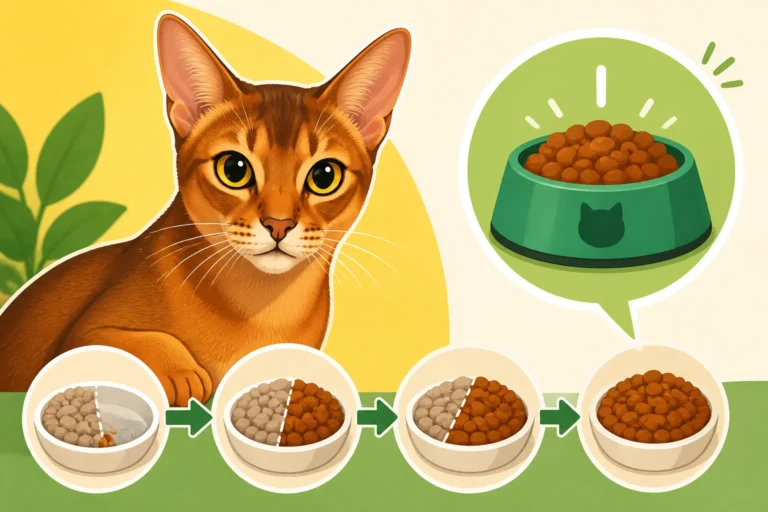
Another highly effective strategy is to increase their wet food intake. Wet food is naturally high in moisture, often 70-80% water, which significantly contributes to a cat's overall hydration. If your Aby is primarily on kibble, gradually transitioning them to a diet with more wet food can be a game-changer for their kidney health. Which Wet Food Suits an Abyssinian provides excellent guidance on making the best choices here. Even if your Abyssinian uses the fountain, a diet rich in wet food acts as an excellent hydration backup and is often recommended for the breed, especially as they get older, as discussed in Caring for an Abyssinian Past Ten.
Finally, ensure you have multiple water sources spread throughout your home. Some cats prefer to drink in specific locations. A few ceramic bowls, a wide glass dish, and the fountain can all coexist, giving your Abyssinian plenty of choices. Ultimately, the goal is hydration, and whether it comes from a fancy fountain, a simple bowl, or their food, every drop counts for the long-term health and vitality of your amazing Abyssinian.
Disclaimer
This article is for general informational purposes only and does not constitute professional advice. Laws, prices and regulations vary by location and change over time. Consult a qualified professional for guidance on your specific situation.