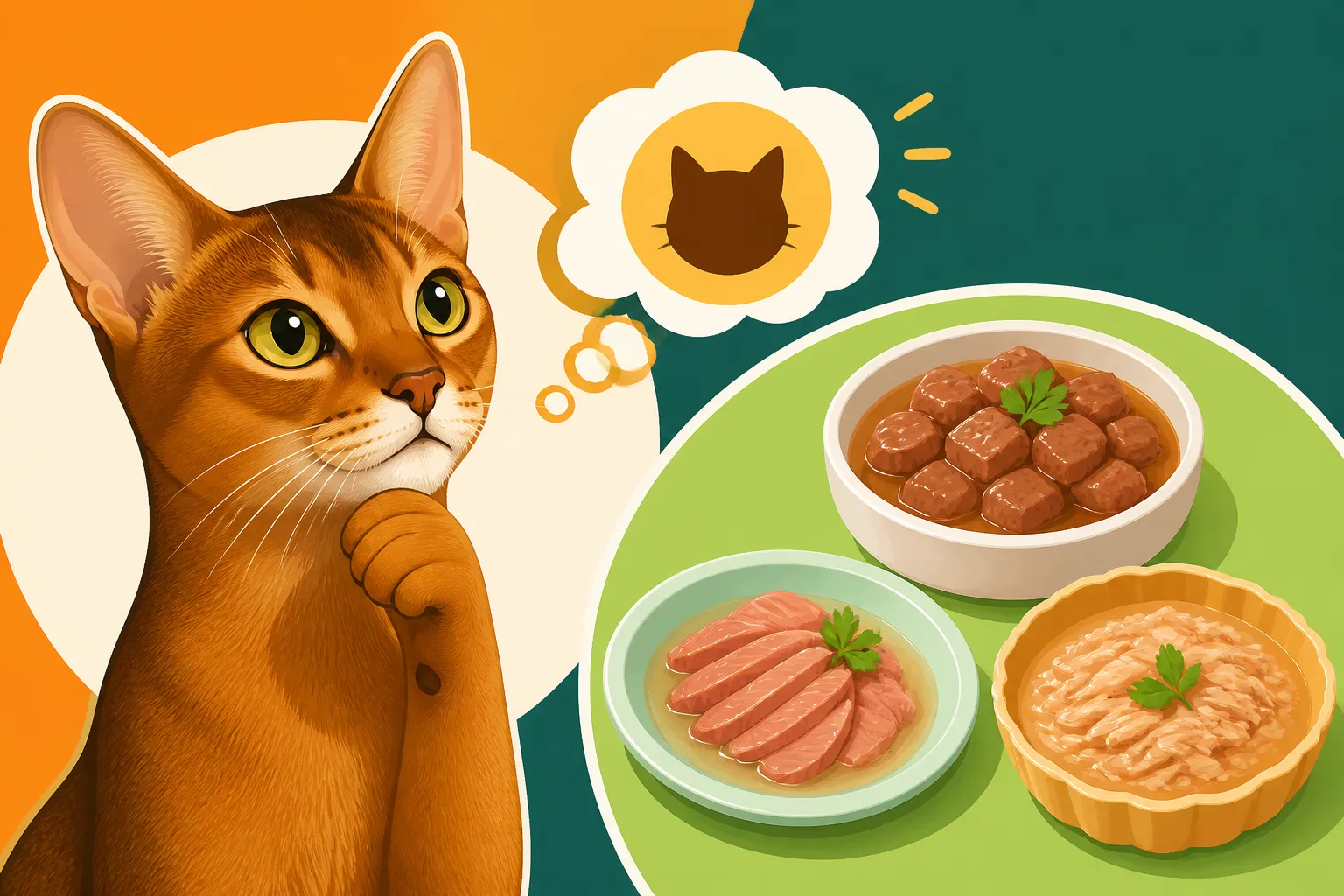
Which Wet Food Suits an Abyssinian
It’s a common scenario: you’ve got this incredibly active, constantly-on-the-move Abyssinian, and you want to make sure they’re getting the absolute best nutrition. But with so many options out there, from dry kibble to various wet foods, it can feel overwhelming trying to figure out which wet food truly suits their unique needs. This guide is here to cut through the confusion and help you choose the right wet food to keep your energetic companion thriving, hydrated, and happy.
Why Wet Food is Often the Best Choice for an Abyssinian
Abyssinians are not just beautiful; they’re little bundles of energy and, let's be honest, sometimes a bit finicky. Their specific physiological makeup and activity levels mean that their nutritional requirements are distinct. While dry kibble certainly has its place, wet food often offers a significant advantage in several key areas that directly impact an Abyssinian’s health and well-being.
Hydration, Hydration, Hydration
One of the absolute biggest benefits of feeding your Abyssinian wet food is the increased hydration it provides. Cats, by their very nature, aren't big drinkers. Their wild ancestors got most of their moisture from their prey, a habit that still largely dictates how domestic cats interact with water. This can be a particular concern for Abyssinians, especially when we think about their susceptibility to conditions like renal amyloidosis, a genetic issue that impacts their kidneys. Ensuring they get enough water is absolutely critical in managing and potentially mitigating the severity of such conditions.
Think about it: a typical dry kibble is only about 10% moisture, sometimes even less. Your Abyssinian would need to drink a lot of water from their bowl or fountain to make up the difference. Wet food, on the other hand, boasts a moisture content of 70-80% or higher. This means that with every meal, your cat is getting a substantial boost to their daily water intake, often without even realizing it. This consistent, passive hydration supports kidney function, helps flush toxins, and contributes to overall cellular health. It's not just about avoiding dehydration; it's about proactively supporting their vital organs. For more on this, you might find Why an Abyssinian's Kidneys Make Water Intake Matter a helpful read.
Beyond the kidneys, adequate hydration is also a cornerstone of good urinary tract health. Cats are prone to various urinary issues, from crystals to infections, and a well-hydrated system means more dilute urine, which can make it harder for these problems to take hold. So, when you choose wet food for your Abyssinian, you're not just offering a meal; you're offering a crucial health benefit wrapped up in a tasty package.
Meeting Their High Energy and Protein Needs
If you live with an Abyssinian, you know they're rarely still. They're climbers, jumpers, explorers, and usually the first to investigate anything new. This high activity level means they burn a lot of calories and need a diet rich in high-quality protein to maintain their lean, muscular physique. They aren't prone to getting chunky like some other breeds; instead, they convert their food into pure, unadulterated energy.
Wet food typically shines in this department. While there are certainly high-protein dry foods, wet food often consists of a higher proportion of animal-based protein. This is key because cats are obligate carnivores, meaning their bodies are designed to derive nutrients primarily from meat. The amino acids found in animal protein are essential for building and repairing muscle tissue, supporting their immune system, and generally fueling their endless adventures. When you look at the ingredient list of a good wet food, you'll usually see meat, poultry, or fish listed as the very first ingredient, and often several times throughout the top five. This commitment to animal protein ensures your Abyssinian is getting the foundational nutrition they need to sustain their incredible vitality.
It's about feeding their natural athleticism. Without sufficient, high-quality protein, an Abyssinian's muscles might not be as well-supported, potentially leading to a decrease in their boundless energy or even issues with recovery from play. A diet rich in the right kind of protein helps them maintain that sleek, powerful build that is so characteristic of the breed. We delve deeper into this topic in our article Which Protein Percentage an Abyssinian Needs.
Palatability and Dental Comfort
Abyssinians, with their discerning palates, can sometimes be a challenge to feed. They often have strong preferences when it comes to taste and texture, and if they don't like something, they'll let you know – usually by staging a dramatic hunger strike. The rich aromas and varied textures of wet food can be far more appealing to a picky Abyssinian than a bowl of dry kibble. Many wet foods also come in different formats, from smooth pâtés to chunky stews, which can make mealtime more exciting and prevent food boredom.
Beyond taste, wet food offers a significant advantage for dental comfort, particularly for a breed like the Abyssinian that is unfortunately prone to gum issues. Conditions like juvenile gingivitis, where a kitten's gums become inflamed and overgrown around their teeth, can start early in life. Chewing hard kibble might seem like it would help clean teeth, but in reality, it's often negligible for dental hygiene and can even be uncomfortable or painful for a cat with sensitive or inflamed gums. Imagine trying to chew a hard cracker with a toothache; it's not pleasant.
Wet food, being soft and easy to consume, puts less strain on already compromised gums and teeth. While it doesn't clean teeth, it certainly doesn't exacerbate existing problems, and it ensures your cat can eat comfortably and get the nutrition they need without pain. Regular brushing is still paramount for dental health, but wet food can be a gentle and appealing choice. If you're concerned about your Abyssinian's oral health, you might want to read about How Juvenile Gingivitis Starts in an Abyssinian Kitten.
Key Factors to Look For in Abyssinian Wet Food
Choosing the right wet food for your Abyssinian isn't just about grabbing the first can off the shelf. It requires a bit of detective work and understanding what makes a truly good, species-appropriate diet. You're looking for ingredients that support their high energy, lean build, and overall health.
High-Quality Animal Protein Sources
When you pick up a can of wet food, the first place your eyes should go is the ingredient list. For an Abyssinian, you want to see real, named animal protein as the very first ingredient, and ideally, several of the top ingredients. This means "chicken," "turkey," "beef," or "salmon," not vague terms like "meat by-products" or "animal digest." These named sources indicate a higher quality and more digestible protein that your cat's body is designed to process efficiently.
Avoid foods that rely heavily on plant-based proteins such as corn gluten meal, pea protein, or potato protein, especially high up in the ingredient list. While cats can digest some plant matter, their primary nutritional needs come from animal sources. Excessive plant fillers can mean your Abyssinian isn't getting the full spectrum of essential amino acids they require, potentially leaving them less satisfied and less optimally nourished. A good rule of thumb is that if the first ingredient isn't meat, poultry, or fish, it's probably not the best choice for your obligate carnivore. This commitment to quality protein is essential for maintaining their magnificent coat, which only needs minimal grooming, usually just An Abyssinian Needs Brushing Once a Week and No More.
Moderate Fat and Low Carbohydrate Content
Abyssinians are naturally svelte and athletic, which means their diet needs to support this build. Healthy fats are important for energy, skin and coat health, and nutrient absorption. Look for moderate levels of named animal fats, like chicken fat, which provide a concentrated source of energy that their active lifestyle demands.
However, cats have very little dietary need for carbohydrates. In the wild, their diet consists of prey, which is high in protein and fat, with very few carbs. Therefore, a wet food that is low in carbohydrates is generally more appropriate for an Abyssinian. Many cheaper wet foods use grains, potatoes, or other starches as fillers, which can contribute to unnecessary calories and potential digestive upset. While Abyssinians rarely get overweight due to their metabolism, unnecessary carbohydrates simply aren't utilized efficiently by their carnivorous digestive system.
By focusing on a diet that mimics their ancestral eating patterns – high in animal protein, moderate in healthy fats, and low in carbohydrates – you're giving your Abyssinian the best chance to maintain their ideal body condition and sustained energy. Remembering that their metabolism is always running at full tilt, it’s vital to provide the right fuel. We talk more about their energy expenditure in How Many Calories an Adult Abyssinian Burns.
Essential Vitamins, Minerals, and Taurine
Beyond the macronutrients (protein, fat, carbs), a complete and balanced wet food formula is crucial. This means it should contain all the essential vitamins and minerals your Abyssinian needs to thrive. You'll typically see a statement on the label that says the food is "complete and balanced for all life stages" or "for adult maintenance," and that it meets the nutritional levels established by the Association of American Feed Control Officials (AAFCO). This organization sets standards for pet food, ensuring that it provides adequate nutrition.
One of the most critical micronutrients for cats, especially in wet food, is taurine. Taurine is an amino acid that cats cannot synthesize sufficiently on their own, meaning they must get it from their diet. It's found almost exclusively in animal protein. A deficiency in taurine can lead to serious health issues, including dilated cardiomyopathy (a type of heart disease) and retinal degeneration, which can cause blindness. High-quality wet foods will either naturally contain sufficient taurine from their meat ingredients or have it supplemented to ensure your Abyssinian is protected. Always check for taurine on the ingredient list, or ensure the food carries that AAFCO statement. This nutrient is so vital that we dedicated an entire piece to it: Why Taurine Matters in an Abyssinian's Food.
Navigating Types and Brands of Wet Food
The sheer variety of wet foods on the market can be daunting. From different textures to specialized formulas, it’s easy to feel lost. However, understanding the basic categories and how to approach new foods can simplify your choice and ensure your Abyssinian gets what they need.
Pâté vs. Chunks vs. Shreds
Cats, like people, have texture preferences. What one Abyssinian devours, another might turn their nose up at. The main wet food textures you'll encounter are pâté, chunks (or slices) in gravy, and shreds in broth.
- Pâté: This is a smooth, ground consistency, almost like a paste. Many cats love the uniform texture and find it easy to eat, especially if they have sensitive teeth or gums. It's often highly palatable due to its concentrated flavor.
- Chunks or Slices in Gravy: These foods feature distinct pieces of meat or fish, usually suspended in a savory gravy. Cats who enjoy a bit more to chew on, or who are attracted to the richness of gravy, often prefer this type. The gravy itself can be another source of hydration, which is always a bonus for Abyssinians.
- Shreds in Broth: Similar to chunks, but with thinner, more delicate strips of meat or fish in a lighter broth. This option can be excellent for increasing moisture intake even further, as cats often lap up the broth first. It's also a great choice for finicky eaters who might prefer a less dense texture.
It's often a game of trial and error to see what your Abyssinian prefers. Don't be afraid to buy a few different types or flavors in single cans to see what goes over best. Variety can also be good, preventing your Abyssinian from becoming overly fixated on one food and making it harder to switch if needed later. You can find a huge variety of these options from retailers like Chewy or Amazon, making it easy to test out different textures and flavors without needing to visit multiple stores.
Grain-Free, Limited Ingredient, and Specialty Diets
The pet food aisle is full of buzzwords, and "grain-free" is one of the most common. It's important to understand that "grain-free" doesn't automatically mean "better." While some cats might have a specific allergy or sensitivity to grains, most do not. The issue isn't usually the grain itself, but often the high carbohydrate content or the quality of the fillers used. A grain-free food can still be packed with other high-carb fillers like potatoes or peas, which aren't ideal for an obligate carnivore. Instead of focusing solely on "grain-free," prioritize foods with high-quality animal protein and low carbohydrate content, regardless of whether a small amount of grain is present. Our article Why Grain Free Marketing Misses What an Abyssinian Needs offers a deeper dive into this topic.
Limited ingredient diets (LIDs) are designed for cats with food sensitivities or allergies. They typically feature a single source of animal protein and a minimal number of other ingredients to reduce the chance of triggering an adverse reaction. If your Abyssinian is experiencing digestive issues, skin problems, or other allergy-like symptoms, your vet might recommend a LID. However, these diets should generally be used under veterinary guidance, as they can sometimes be restrictive.
Finally, there are specialty or prescription diets. These are specifically formulated by veterinary nutritionists to address particular health conditions, such as kidney disease, urinary tract issues, or gastrointestinal problems. If your Abyssinian has a diagnosed health condition, your veterinarian is the best resource to guide you on appropriate prescription wet food options. These often require a prescription to purchase.
Introducing New Wet Foods to Your Abyssinian
Bringing a new food into an Abyssinian's diet can be a delicate dance. They are creatures of habit and can be quite resistant to change. A sudden switch can easily lead to a hunger strike, which is not only frustrating for you but unhealthy for your cat. The key is gradual introduction and patience.
Start by mixing a very small amount of the new wet food with their current food, perhaps just a teaspoon. Over the course of several days to a week or even longer, slowly increase the proportion of the new food while decreasing the old. Monitor your Abyssinian for any signs of digestive upset (vomiting, diarrhea) or refusal to eat. If you notice any issues, slow down the transition or revert to a smaller amount of the new food.
Remember, persistence pays off. If your Abyssinian initially turns their nose up, don't immediately give up on the food. Try offering it at different times of the day, or in a different bowl. Sometimes it’s the shape of the dish, or the temperature of the food that makes a difference. You might even try warming it slightly to enhance the aroma. The goal is to make the transition as stress-free as possible for your cat, as we also discuss in How to Move an Abyssinian Onto a New Food.
Recommended Brands and Where to Buy
When it comes to choosing wet food for your Abyssinian, you’ll quickly find that there are countless brands out there. While I can't recommend specific products (as formulations change!), I can guide you on what to look for and mention some well-regarded brands that generally prioritize quality ingredients.
Trusted Commercial Brands
Many established commercial brands offer high-quality wet food options that can be excellent for Abyssinians. The trick is to always read the label, even within a single brand, because different product lines can have vastly different ingredient lists. Generally, look for brands that consistently list real meat or fish as the first ingredient, avoid excessive fillers, and provide a clear AAFCO statement.
Brands that frequently come up in discussions about quality wet cat food include Merrick, Weruva, and specific lines from larger companies like Purina Pro Plan (especially their Savor or Focus lines, often the pâté varieties) or even Fancy Feast Classic Pâtés, which despite their accessible price point, often have surprisingly good ingredient profiles with minimal fillers. These brands are widely available at pet supply stores and online retailers, making it convenient to find them. For instance, Chewy is a fantastic resource, allowing you to filter by ingredient, form, and brand, and often providing detailed nutritional information right on the product page. Amazon also carries a wide selection, often with subscription options.
Fresh and Subscription Options
In recent years, the pet food market has seen a rise in fresh-prepared meal services and subscription boxes. These services provide human-grade ingredients, often tailored to your cat’s specific needs based on a profile you create. These options can be incredibly appealing for Abyssinian owners who want to provide the absolute freshest food with transparent ingredient lists.
The pros of fresh and subscription services are obvious: very high-quality ingredients, often with minimal processing, and convenient home delivery. For a cat with a sensitive stomach or a very picky eater, these highly palatable options can be a game-changer. The downside, however, is typically the cost. These diets often come with a higher price tag than traditional canned wet food.
Before committing to a subscription, research the company thoroughly, read reviews, and always compare their ingredient list and nutritional guarantees to ensure they meet your Abyssinian's needs. While they often pride themselves on superior quality, it's still your responsibility as an owner to verify that the food is a complete and balanced diet, especially for an active breed that requires consistent, nutrient-dense meals.
Reading Labels and What to Avoid
Becoming a savvy label reader is perhaps the most important skill you can develop as an Abyssinian owner. Pet food labels are designed to catch your eye with appealing marketing terms, but the real story is in the ingredient list and the nutritional guarantee.
What to look for:
- "Complete and Balanced": This is your most important indicator that the food is formulated to meet all of your cat's nutritional needs.
- AAFCO Statement: Look for a phrase indicating the food meets AAFCO's nutritional profiles for a specific life stage (e.g., "adult maintenance," "growth and reproduction," or "all life stages").
- Named Animal Protein First: Chicken, beef, turkey, salmon – these should be at the top of the list.
- Taurine: Ensure this essential amino acid is present, either naturally from meat content or supplemented.
- Minimal Fillers: A shorter, recognizable ingredient list is generally better.
What to be cautious of (or avoid):
- Vague "Meat By-Products" or "Animal Digest": These aren't necessarily harmful, but they are less transparent about the quality of the protein source.
- Excessive Carbohydrate Fillers: Ingredients like corn, wheat, soy, or a long list of starches near the top.
- Artificial Colors, Flavors, and Preservatives: While generally safe in regulated amounts, they add no nutritional value and are unnecessary for a cat.
- Undeclared "Meat Meal": While "chicken meal" can be a good, concentrated protein source, generic "meat meal" is best avoided due to unknown origins.
The best approach is to select a few high-quality options from trusted brands and introduce them gradually to see what your Abyssinian enjoys and thrives on. Keep in mind that a cat's preferences can change, and what works today might not be their favorite tomorrow, so be prepared to adapt!
Here's a quick comparison of common wet food types:
| Feature | Pâté | Chunks/Slices in Gravy | Shreds in Broth | Fresh-Prepared Meals |
|---|---|---|---|---|
| Texture | Smooth, uniform, ground | Distinct pieces, often tender | Thin, delicate strips | Variable, often softer, ground/minced |
| Moisture Content | High (75-80%) | High (70-78%), plus gravy | Very High (80-85%), high broth content | High (70-80%) |
| Palatability | Often very high, easy to eat | High, especially with appealing gravy | High, very hydrating | Extremely high, human-grade appeal |
| Dental Comfort | Excellent for sensitive gums/teeth | Good, requires some chewing | Good, gentle | Excellent, very soft |
| Key Benefit | Easy consumption, concentrated flavor | Added moisture from gravy, satisfying chew | Maximum hydration, light meal | Superior ingredient quality, freshness |
| Consideration | Can be messy | Gravy might be higher in carbs/thickeners | Might not feel as "substantial" for some | Higher cost, often subscription-based |
Disclaimer
This article is for general informational purposes only and does not constitute professional advice. Laws, prices and regulations vary by location and change over time. Consult a qualified professional for guidance on your specific situation.