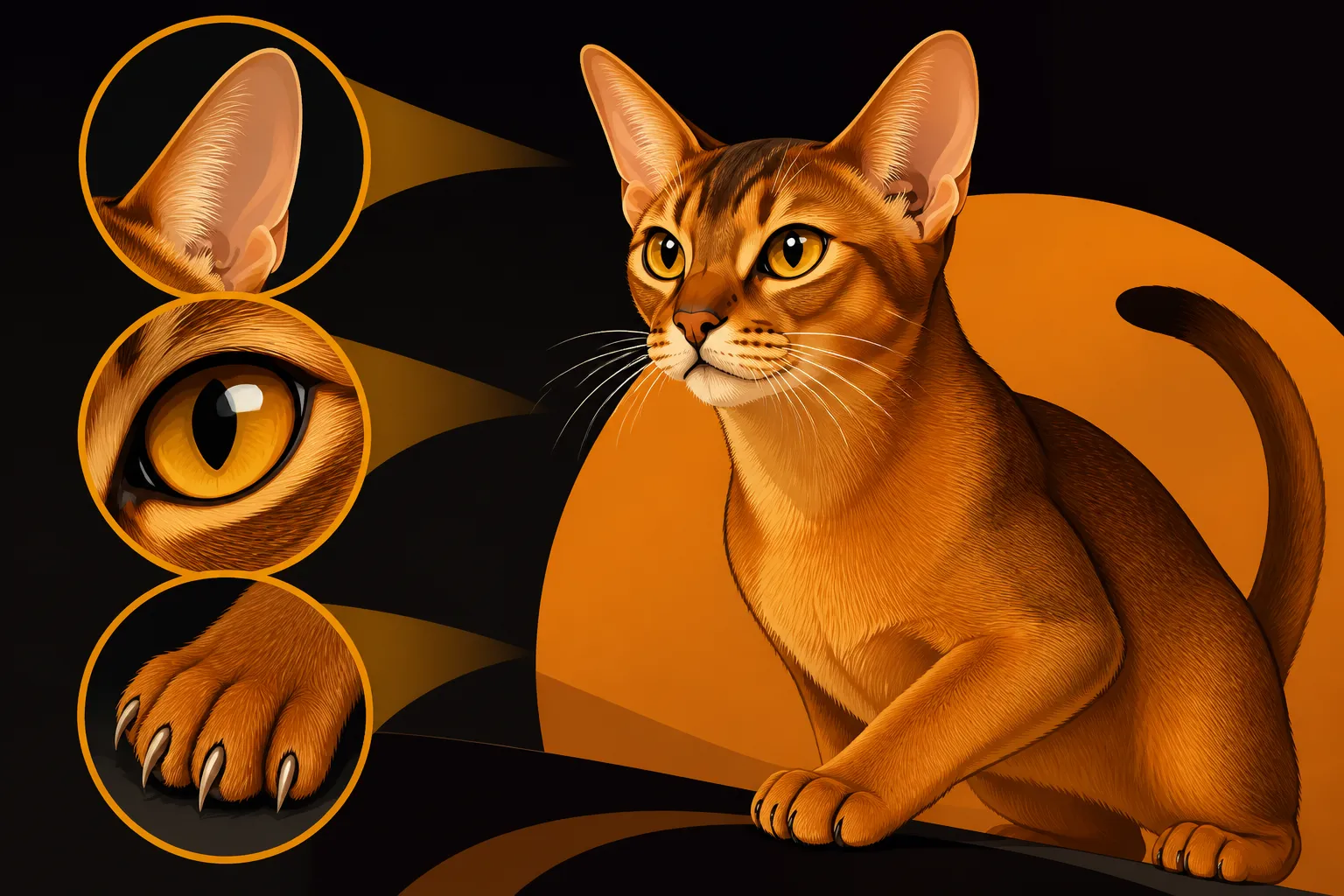
Claws, Ears and Eyes on an Abyssinian
One common concern for Abyssinian owners is keeping up with their active, curious cat's unique grooming needs, especially those bright eyes, large ears, and climbing claws. It can feel daunting to handle these delicate areas, especially when your Aby is usually a whirlwind of motion! This comprehensive guide will walk you through the essential steps to care for your Abyssinian's claws, ears, and eyes, helping you establish a routine that keeps them healthy and happy without turning it into a wrestling match.
The Unique Demands of Abyssinian Grooming
Abyssinians are known for their sleek, ticked coats that often get all the attention, but their short fur can sometimes lead new owners to believe grooming is minimal. While they don't have the extensive brushing needs of a long-haired breed, their active lifestyle and distinctive features—like those large, open ears and constantly active claws—create specific care requirements that absolutely cannot be overlooked. Proper grooming of these areas is paramount not just for aesthetics, but for preventing health issues that can become quite serious if ignored.
Why Their Active Lifestyle Demands Specific Care
Abyssinians are not lounge lizards; they are adventurers, explorers, and athletes in miniature. They love to climb, jump, and investigate every nook and cranny of your home. This incredible energy and agility mean their claws are constantly at work, scaling cat trees and wall shelves. Without regular maintenance, these claws can become too long, painful, and even prone to snagging or breaking, causing discomfort or injury. Their penchant for exploration also means their ears might collect more dust or debris than a less active cat, making regular checks crucial.
This breed's vibrant, high-energy personality means they are always on the go. While their coat might be easy, their fast-paced life directly impacts how often and how thoroughly you need to check their more vulnerable spots. Imagine your Aby zooming up a five-foot cat tree or squeezing behind a bookshelf – every such escapade tests the resilience of their claws and exposes their ears to various environmental factors. Ignoring these aspects of their care is like expecting a marathon runner to perform without proper shoe maintenance or ear protection. It simply won't end well in the long run.
Understanding Their Natural Grooming Habits
Like all cats, Abyssinians are meticulous self-groomers. They spend a good portion of their day keeping their coats in pristine condition, which is a big reason why their short, dense fur usually looks so good. However, self-grooming has its limits, especially for areas like the tips of their claws, deep inside their ears, or around their eyes. A cat's tongue, while effective for fur, isn't designed to trim nails or dislodge stubborn earwax.
Their natural instincts drive them to scratch and stretch, which helps shed old claw layers, but often isn't enough to keep them at an ideal length, especially for indoor cats who don't have rough outdoor surfaces to wear them down. Similarly, while they might swipe at their ears with a paw, they can't perform the kind of deep cleaning that prevents wax buildup or detects early signs of infection. Understanding these limitations of their self-care helps us step in effectively and supplement their efforts, ensuring those often-overlooked areas receive the attention they need to stay healthy.
Mastering Abyssinian Claw Care
For a breed that loves to climb to the highest perch, healthy claws are absolutely essential. An Abyssinian's claws are their primary tools for navigation, play, and even self-defense. Keeping them in good condition isn't just about preventing scratches on your furniture; it's about ensuring your cat's comfort and mobility. Long, overgrown claws can catch on carpets, get stuck in fabric, or even grow into their paw pads, causing significant pain and leading to infections.
The Importance of Regular Trimming for an Active Climber
Abyssinians are natural athletes, constantly scaling cat trees, dashing up wall-mounted shelves, and exploring vertical spaces. Their claws are integral to this acrobatic lifestyle, providing the grip they need to launch themselves upwards and secure their footing. If these claws become too long, they can interfere with their ability to grip properly, making climbing more difficult and less safe. Imagine trying to rock climb with overly long fingernails – it would be cumbersome and even dangerous. The same applies to your agile Aby.
Regular trimming helps maintain the optimal claw length, allowing them to retract fully when not in use. When claws are too long, they can't retract completely, which can be uncomfortable for the cat as they walk, putting pressure on their toes and sometimes forcing their paw pads to spread unnaturally. This constant pressure can lead to paw pad soreness, joint issues over time, and even affect their gait. Preventing these problems through consistent trimming is a small effort with a huge payoff in your Abyssinian's long-term health and happiness. You can find detailed advice on How Often to Check a Climbing Abyssinian's Back Claws to tailor your routine.
Techniques for Stress-Free Claw Trimming
Trimming an Abyssinian's claws doesn't have to be a traumatic event for either of you. The key is starting young, making it a positive experience, and using the right technique. Begin by gently massaging your kitten's paws regularly, even if you're not trimming, to get them accustomed to the sensation. When you do trim, choose a quiet time when your Aby is relaxed, perhaps after a meal or a vigorous play session when they're winding down. Some owners find wrapping their cat in a towel, leaving one paw exposed at a time, can help manage a squirmy Aby.
Use sharp, good-quality clippers designed for cats – blunt clippers can crush the nail rather than cut it cleanly, causing pain. Many excellent options are available on platforms like Chewy or Amazon. Identify the quick, the pink part within the claw that contains blood vessels and nerves. You only want to trim the clear, sharp tip beyond the quick. If you're unsure, just trim a tiny bit off the very end of each claw. If you accidentally nick the quick, don't panic; apply a styptic powder to stop the bleeding, and try to remain calm. Keep trimming sessions short, perhaps doing just one or two claws at a time, and always follow with a small, high-value treat and lots of praise. Over time, your Abyssinian will learn to tolerate, and perhaps even enjoy, their "mani-pedi" sessions. For tips on managing a fidgety feline, consider checking out Which Clippers Suit an Abyssinian That Will Not Sit.
The Essential Role of Scratching Posts and Surfaces
While nail trimming is vital, it works in conjunction with providing ample scratching opportunities. Scratching is a natural and necessary behavior for cats; it helps them shed the outer layers of their claws, stretch their muscles, and mark their territory. For an Abyssinian, who loves to climb and exert energy, having robust and varied scratching options is non-negotiable. If you don't provide appropriate outlets, your furniture will undoubtedly become the target.
Invest in a variety of scratching surfaces. Tall, sturdy sisal posts are excellent for vertical stretching and scratching, which Abyssinians particularly enjoy due to their climbing nature. Horizontal cardboard scratchers or angled sisal ramps also offer different textures and angles. Place these scratchers in prominent areas where your Aby likes to hang out or near furniture you want to protect. Encourage their use with catnip or by dangling toys around them. Remember, a cat will use what's available and satisfying, so make sure your provided options are more appealing than your sofa. Consider integrating Where to Put an Abyssinian's Scratching Posts for maximum effectiveness.
Keeping Those Large Abyssinian Ears Pristine
Abyssinians are known for their striking, large, open ears that are often described as cup-shaped. These elegant ears contribute significantly to their alert and intelligent expression, but their very structure can make them a bit more prone to collecting dust and debris. Keeping them clean and healthy is an important part of your Abyssinian's overall grooming routine, preventing discomfort and potential infections.
Why Abyssinian Ears Need Frequent Attention
The large, wide-set ears of an Abyssinian are more open and exposed than those of some other breeds, making them more susceptible to accumulating dirt, dust, and environmental allergens. Their active and inquisitive nature means they might push their way through dusty corners or roll in areas that deposit fine particles into their ear canals. Unlike the intricate folds of some long-eared breeds, the Aby's ears are fairly simple, but their openness means they can act almost like small funnels for airborne particles.
Regularly checking and cleaning these ears is critical for preventing wax buildup, which can lead to blockages, discomfort, and a breeding ground for bacteria or yeast. While their short fur means less hair to trap debris around the ear canal itself, the inner ear still benefits greatly from consistent, gentle maintenance. Ignoring ear care can lead to painful ear infections, requiring veterinary intervention and antibiotics, which is something every pet owner hopes to avoid. Prevention, in this case, truly is easier and far less stressful than treatment. For more on keeping them clean, see How to Clean an Abyssinian's Large Ears.
Gentle Cleaning Methods for Sensitive Ears
Cleaning your Abyssinian's ears should always be a gentle process, as the inner ear is a sensitive area. Start by gathering your supplies: a veterinarian-approved ear cleaning solution and some soft cotton balls or gauze pads. Never use cotton swabs (Q-tips) inside the ear canal, as they can push debris further in and potentially damage delicate structures. You can find appropriate ear cleaning solutions at most pet stores or online retailers like Chewy.
To clean, gently hold your Aby's ear flap up to expose the ear canal. Apply a few drops of the cleaning solution into the ear canal, following the product instructions. Gently massage the base of the ear for about 30 seconds to help break up any wax or debris. Your cat will likely shake their head, which is good as it helps dislodge the solution and gunk. Then, use a clean cotton ball or gauze pad to wipe away any visible dirt or excess solution from the outer ear and the folds of the ear flap. Repeat with fresh cotton until no more debris comes out. If you notice any redness, strong odor, or excessive discharge, stop and consult your vet.
What to Look For: Signs of Ear Issues
As you incorporate ear checks into your routine, you'll become familiar with what your Abyssinian's healthy ears look and smell like. A healthy ear should be relatively clean, pale pink, and free of any strong odors. There might be a small amount of light brown wax, which is normal. However, there are several red flags that indicate a potential problem that warrants veterinary attention.
Be on the lookout for excessive scratching at the ears, head shaking, or holding one ear slightly lower than the other. Foul odors, dark brown or black waxy discharge, or a yellow/green pus-like discharge are all clear indicators of infection. Redness, swelling, or sensitivity to touch around the ears also signal an issue. If you notice any of these symptoms, or if your Aby seems to be in pain when their ears are touched, it's time for a trip to the vet. Early detection of ear mites, bacterial infections, or yeast overgrowth is crucial for effective treatment and preventing more serious complications.
Maintaining Bright and Clear Abyssinian Eyes
The expressive, almond-shaped eyes of an Abyssinian are one of their most captivating features, often rimmed with a darker "eyeliner" that enhances their wild appearance. Generally, these cats have very clean eyes, and often require minimal intervention from their human companions. However, knowing what's normal and what's not is key to recognizing when something might be amiss and ensuring their vision remains clear and healthy.
The Distinctive Eye Features of the Abyssinian
Abyssinians possess beautiful, large, luminous eyes that can range in color from gold to green. Their unique "ticked" coat pattern often extends to a darker line that traces around their eyes, giving them a striking, almost ancient Egyptian look. This natural pigmentation around the eye is completely normal and contributes to their exotic charm. Because their eyes are so prominent, any slight change or discharge can become quite noticeable, prompting a closer look.
Healthy Abyssinian eyes should be clear, bright, and free from excessive tearing or discharge. There should be no redness in the whites of their eyes or around the delicate tissues of the eyelids. Their pupils should be equal in size and respond normally to light. The "eyeliner" effect is purely cosmetic and should not be confused with any discharge or irritation. Appreciating the natural beauty of their eyes also means being vigilant for any subtle shifts that could signal underlying health concerns, such as the onset of certain genetic conditions like PRA-rdAc, though a genetic test usually clears them for this.
When to Clean and When to Seek Vet Advice
For most Abyssinians, routine eye cleaning is rarely necessary. Their eyes are naturally self-cleaning, and typically, any minimal discharge they produce dries and flakes away on its own or is handled by their self-grooming. If you do notice a small amount of clear or reddish-brown discharge that collects in the corner of their eyes, it's usually harmless and can be gently wiped away with a soft, damp cloth or a designated pet eye wipe, moving from the inner corner outwards. Be sure to use a fresh part of the cloth for each eye to prevent potential cross-contamination.
However, certain signs should prompt immediate veterinary attention. If you see thick, colored discharge (yellow, green, or even black), excessive tearing, persistent redness, swelling around the eye, cloudiness in the eye itself, or if your Aby is squinting, blinking excessively, or rubbing their eyes, these are all indicators of a potential problem. These symptoms could point to anything from an infection (bacterial, viral, or fungal) to an injury, allergies, or even more serious underlying conditions. Never attempt to diagnose or treat eye problems yourself with over-the-counter human eye drops or solutions, as these can often cause more harm than good to a cat's sensitive eyes. When in doubt, call your vet. For information on specific concerns, refer to When an Abyssinian's Eye Discharge Means Something.
Addressing Common Eye Concerns
While Abyssinians are generally healthy, their eyes can occasionally be affected by certain conditions. Allergies are a common culprit for watery eyes and mild redness, often managed by identifying and removing the allergen or with veterinary-prescribed eye drops. Conjunctivitis, or "pink eye," is another frequent issue, which can be caused by bacteria, viruses (like feline herpesvirus), or irritants. This often presents with redness and discharge and requires veterinary diagnosis and treatment, which might include antibiotics or antiviral medications.
Less commonly, Abyssinians can be prone to certain genetic eye conditions. Progressive Retinal Atrophy (PRA-rdAc) is one such condition, which gradually causes blindness. While there's no cure, early genetic testing (which a responsible breeder will always provide) can prevent breeding affected cats. If you notice any changes in your cat's vision, such as bumping into furniture or being hesitant to jump, particularly in dim light, this warrants a visit to the vet for a thorough ophthalmic examination. Regular vet check-ups are essential for catching any potential issues early and maintaining your Aby's vision for as long as possible.
Beyond the Basics: Comprehensive Abyssinian Hygiene
While claws, ears, and eyes might be the focus today, remember they're part of a larger picture of well-being for your Abyssinian. True comprehensive hygiene extends to other areas, especially oral health, which is often overlooked but profoundly impacts a cat's overall health and lifespan. Integrating these elements with regular veterinary care creates a strong foundation for a long, healthy life.
Oral Health: A Crucial Component of Overall Well-being
It's tempting to think of teeth brushing as something reserved for dogs, but it's equally, if not more, critical for cats, especially Abyssinians. This breed is unfortunately predisposed to How Juvenile Gingivitis Starts in an Abyssinian Kitten and other dental issues, including gingivitis and periodontal disease. These aren't just minor inconveniences; they can lead to painful tooth loss, difficulty eating, and even systemic health problems as bacteria from the mouth can enter the bloodstream and affect organs like the heart and kidneys.
Establishing a routine of brushing your Abyssinian's teeth from kittenhood is one of the most impactful things you can do for their long-term health. Use a cat-specific toothbrush and toothpaste (never human toothpaste, which contains ingredients toxic to cats). Aim for daily brushing, or at least several times a week. Even if your Aby isn't a fan of brushing, try to introduce it gradually with positive reinforcement. Regular professional dental cleanings under anesthesia, as recommended by your vet, are also vital for removing tartar buildup below the gum line. Investing in good oral hygiene now can prevent much pain and expense down the road. Why Abyssinian Dental Work Is the Biggest Line in the Budget is a clear indicator of how important this aspect of care truly is.
The Importance of Regular Vet Check-ups for Early Detection
Even with the most diligent at-home grooming and care, there's no substitute for regular veterinary check-ups. Your veterinarian is your best partner in ensuring your Abyssinian remains in peak condition. These routine visits, typically once a year for healthy adults and more frequently for kittens or seniors, are crucial for preventative care and early detection of potential health issues.
During these appointments, your vet will perform a thorough physical examination, checking everything from their coat and skin to their heart, lungs, and abdominal organs. They'll also carefully examine their teeth, gums, ears, and eyes, often spotting subtle changes that you might miss at home. Vaccinations, parasite prevention, and discussions about nutrition and behavior are also part of these vital visits. Early detection of conditions like kidney disease (which can be a concern for the breed, even without a specific genetic test), dental disease, or even subtle changes in body condition allows for timely intervention, often leading to better outcomes and a higher quality of life for your beloved Aby. Don't underestimate the power of these yearly appointments for maintaining The Twelve to Fifteen Years an Abyssinian Usually Gets.
Essential Grooming Tools for Your Abyssinian
Having the right tools makes all the difference in establishing a stress-free and effective grooming routine for your Abyssinian. You don't need a huge arsenal, but investing in a few quality items tailored to your cat's needs will make the tasks of claw trimming, ear cleaning, and eye care much simpler and more comfortable for both of you.
Choosing the Right Clippers and Scratcher
When it comes to claw trimming, the type of clippers you choose matters significantly. There are two main types of cat nail clippers: scissor-style and guillotine-style. Many owners find the scissor-style clippers, which resemble small human nail clippers but are designed for a cat's curved claw, easier to use, especially for smaller kitten claws or those new to trimming. Whichever style you pick, ensure they are sharp; dull clippers can split or crush the nail, causing pain. You can find a wide range of highly-rated cat nail clippers from reputable brands on Amazon or Chewy.
Alongside clippers, a good styptic powder is a must-have in your grooming kit. In the event of accidentally cutting the quick, a small pinch of styptic powder applied to the nail will quickly stop the bleeding. For scratching, look for tall, sturdy sisal posts. Abyssinians love to stretch and climb, so a post that allows them to fully extend their body is ideal. Scratching posts should be heavy enough not to tip over when your energetic Aby launches into it. Consider which scratching posts an Abyssinian prefers to ensure you get the most effective kind for your athletic cat.
Ear Cleaners and Eye Wipes: What to Look For
For ear care, always use a veterinary-approved ear cleaning solution specifically formulated for cats. These solutions are gentle, effective at breaking down wax, and usually have a balanced pH to prevent irritation. Avoid any harsh chemicals, alcohol, or hydrogen peroxide, as these can be damaging to the delicate inner ear. Brands like Vet's Best or Zymox often come recommended by veterinarians. Apply the solution with soft cotton balls or gauze pads – never use cotton swabs that can damage the eardrum or push debris deeper.
For eye care, in most cases, a clean, soft cloth dampened with warm water is perfectly adequate for wiping away minor discharge. If you prefer, there are also commercially available pet eye wipes. These wipes are pre-moistened with gentle, saline-based solutions designed to be safe for use around a cat's eyes. Look for products that are fragrance-free and free from harsh chemicals. Always keep dedicated eye wipes separate from ear wipes to prevent the spread of bacteria. Having these simple tools on hand makes addressing these specific needs quick and hygienic.
Integrating Grooming into Your Abyssinian's Routine
The idea of regular grooming might sound like a chore, but for a high-energy and intelligent cat like the Abyssinian, it can actually become a bonding experience. Consistency and a positive approach are your best allies in making grooming a natural and even enjoyable part of your cat's life.
Making Grooming a Positive Experience
The secret to successful grooming with an Abyssinian is to start early and associate it with positive experiences. For kittens, brief, gentle handling of paws, ears, and faces, followed immediately by treats and praise, can build a strong foundation. Even with an adult cat, you can slowly introduce grooming tools and actions. Let them sniff the clippers, reward them, then gently touch a paw, reward them again. Build up slowly to actually trimming a nail or wiping an ear.
Keep grooming sessions short, especially at first. A minute or two of focused, calm interaction is far better than a prolonged struggle. If your Aby becomes agitated, stop, let them relax, and try again later. Never punish your cat for resisting; this will only create negative associations and make future sessions even harder. Use a calm, reassuring voice, and always end on a positive note, even if you only managed one small task. The goal isn't perfection in one sitting, but consistent, positive progress over time. This approach not only keeps them healthy but also strengthens the bond you share.
Consistency is Key for a Happy, Healthy Abyssinian
Just like humans thrive on routine, so do cats. Establishing a consistent grooming schedule helps your Abyssinian know what to expect, reducing anxiety and making the process smoother for everyone involved. Whether it's a quick daily check of their eyes and a weekly ear peek, or a bi-weekly nail trim, consistency is paramount. Regularity also means you're more likely to spot potential issues early, before they escalate into something more serious.
Think of grooming as another facet of their daily care, like feeding times or play sessions. It's not something you do only when a problem arises, but a proactive measure to maintain their health. A regular schedule ensures that their claws don't get too long, their ears don't build up excessive wax, and any eye irritation is noticed promptly. This proactive approach saves you stress, saves your Aby discomfort, and ultimately contributes to their overall well-being and longevity. Make it a habit, and both you and your Abyssinian will reap the rewards of a well-cared-for companion.
| Grooming Task | Frequency | Key Tools | What to Look For (Normal) | What to Look For (Concern) |
|---|---|---|---|---|
| Claw Trimming | Every 2-4 weeks | Cat nail clippers (scissor-style), styptic powder | Clear tips, no overgrowth, smooth retraction | Snagging, overgrown into paw pad, broken nails, limping, reluctance to jump |
| Ear Checks/Cleaning | Weekly check, monthly clean (as needed) | Vet-approved ear cleaner, cotton balls/gauze | Pale pink, minimal light brown wax, no odor | Redness, swelling, foul odor, excessive dark or colored discharge, head shaking, scratching ears |
| Eye Checks/Wiping | Daily visual check, wipe as needed | Soft damp cloth or pet eye wipes | Clear, bright, minimal clear/reddish-brown discharge, no redness | Squinting, excessive tearing, thick colored discharge (yellow/green), persistent redness, swelling, cloudiness |
| Dental Care | Daily brushing, annual vet dental exam | Cat toothbrush, cat toothpaste | Pink gums, clean teeth, fresh breath | Red/swollen gums, bad breath, tartar buildup, missing teeth, difficulty eating |
Disclaimer
This article is for general informational purposes only and does not constitute professional advice. Laws, prices and regulations vary by location and change over time. Consult a qualified professional for guidance on your specific situation.