When an Old Abyssinian Needs Help Reaching Its Back
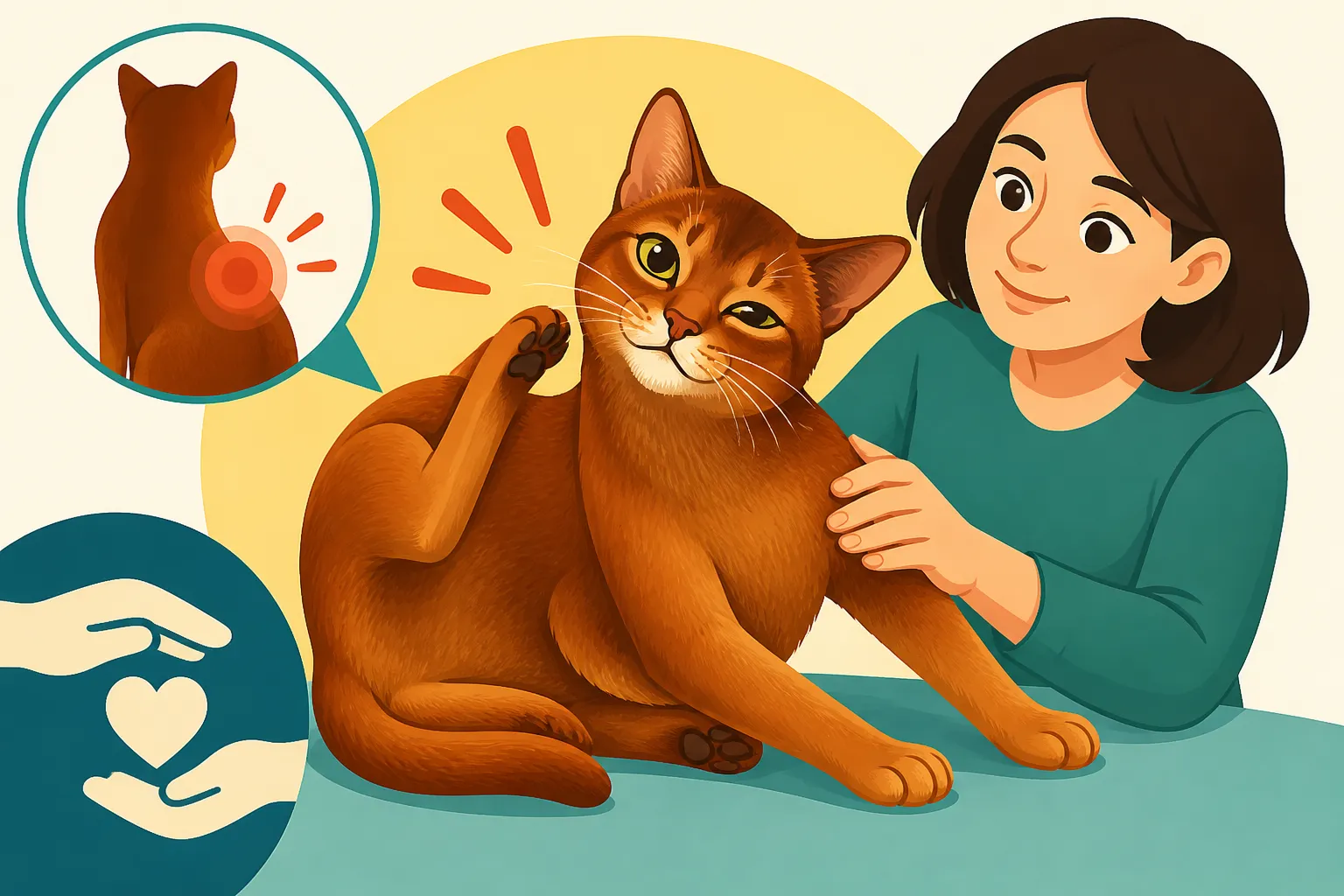
It's truly heartbreaking to watch our once sprightly, acrobatic Abyssinians start to slow down as they age. One of the quietest but most telling signs of their advancing years, and often a source of frustration for us owners, is when they begin to struggle with something as fundamental as reaching their own back for grooming. This guide is all about understanding why this happens and, more importantly, how you can step in to provide the loving, practical support your senior Abyssinian needs to stay clean and comfortable.
Why an Abyssinian's Grooming Changes with Age
As our beloved Abyssinians gracefully enter their golden years, their bodies undergo natural changes that can profoundly impact their ability to perform daily tasks, including their meticulous self-grooming. What was once an effortless stretch and twist can become a painful ordeal, leaving them unable to reach certain areas of their body. Understanding the physical culprits behind this decline is the first step toward effective intervention.
Arthritis and Joint Stiffness
Just like humans, cats are highly susceptible to arthritis as they age. Arthritis, or osteoarthritis, is a degenerative joint disease that causes inflammation, pain, and stiffness in the joints. For an Abyssinian, a breed known for its incredible agility and love of climbing, years of jumping, exploring, and rapid movements can take a toll on their joints. The cartilage that cushions their bones gradually wears down, leading to bone-on-bone friction that is incredibly uncomfortable.
This joint pain can make it excruciating for them to contort their bodies into the positions necessary for a thorough groom. They might avoid twisting their spine to reach their lower back or lifting a leg high enough to clean their flank. Imagine trying to scrub your own back with a stiff, aching shoulder – that’s often what your Abyssinian is feeling. Observing how they move, whether they hesitate before jumping, or seem less fluid in their steps, can offer clues. If you've noticed How Arthritis Shows in an Abyssinian That Used to Climb, it's highly likely this stiffness is also impacting their ability to groom themselves effectively.
Muscle Loss and Weakness
Another significant factor contributing to grooming difficulties in older Abyssinians is sarcopenia, the age-related loss of muscle mass and strength. This natural process weakens the muscles that support their spine and limbs, making once-simple movements challenging. Their powerful hindquarters and agile core, which were once key to their high jumps and contortions, may not be as robust as they used to be.
Without strong core and limb muscles, maintaining balance while stretching to groom becomes harder. They might tire quickly during a grooming session or simply lack the power to get into the necessary positions. This isn't just about appearance; muscle weakness can also make them more prone to falls or injuries, which further exacerbates any reluctance to move in ways that might cause pain. It's a subtle change, often masked by their energetic personalities, but it's a very real physical limitation.
Dental Pain and Sensitivity
While it might not seem directly related to reaching their back, dental pain can significantly deter an Abyssinian from effective self-grooming. Cats primarily groom themselves by licking, and if their mouth is sore, inflamed, or they have painful teeth, this essential tool becomes a source of discomfort. Gingivitis, periodontal disease, and tooth resorption are all common in older felines and can make the act of licking or biting into their coat incredibly painful.
When their mouth hurts, they're less likely to engage in the extensive grooming rituals that keep their coat pristine. You might notice them dropping food or showing signs of discomfort when eating, which is a strong indicator of dental issues. Why an Abyssinian Drops Food While Eating might be a sign of deeper oral pain that impacts their entire grooming routine. A clean, healthy mouth is crucial for self-care, and without it, even an Abyssinian with perfect flexibility might neglect their coat simply because the act of licking is too painful.
Recognizing the Signs Your Older Abyssinian Needs Help
Our Abyssinians are masters of disguise, often hiding discomfort until it's quite advanced. This makes it especially important for us, their human companions, to be vigilant and know what to look for when it comes to their grooming habits. Early detection of these signs can make a huge difference in their comfort and overall health.
Matted or Dull Coat
One of the most obvious indicators that your senior Abyssinian is struggling to groom themselves is a change in the quality of their coat. An Abyssinian's short, ticked coat usually lies sleek and close to their body, shimmering with every movement. When they can't reach their back or other difficult spots, you'll start to see a dullness or even matting, especially at the base of the tail, along the spine, or on their flanks. These areas are notoriously tricky for even a young, flexible cat to reach.
Unlike long-haired breeds that develop severe mats quickly, an Abyssinian's mats might appear as small, stiff patches of fur that don't lie flat. The natural oils in their coat won't be distributed evenly, leading to a greasy appearance in some areas and dry, flaky skin in others. This neglect can also make their coat feel coarser to the touch, losing that fine, silken quality that's so characteristic of the breed. It's a clear visual cue that their self-maintenance routine is falling short.
Odor and Skin Issues
A healthy cat, especially an Abyssinian known for its fastidious nature, should rarely have a strong odor. If you start to notice a faint, unpleasant smell emanating from your older Abyssinian, it's a strong sign that they aren't cleaning themselves adequately. This odor often results from the accumulation of dead skin cells, dander, and oils that would normally be removed during grooming. Bacteria can then flourish in these unkempt areas, contributing to the smell.
Beyond just odor, neglected skin can lead to a host of problems. You might observe flakes of dandruff, redness, or even small bumps on their skin, particularly in those hard-to-reach places. These can be early signs of skin irritation, hot spots, or even secondary infections that develop when the skin isn't properly aerated and cleaned. Pay particular attention to the area around their rear, as an inability to clean themselves there can lead to unsanitary conditions and potential urinary tract issues if left unchecked.
Changes in Behavior
Beyond the physical signs, your Abyssinian's behavior can tell you a lot. A cat that once spent hours meticulously cleaning every inch of their body might now spend significantly less time grooming, or you might see them attempting to groom but giving up quickly, perhaps with a sigh or a look of discomfort. They might also become irritable or swat at you if you try to touch areas that are painful for them to reach or have become sensitive due to poor grooming.
Conversely, you might notice an older Abyssinian over-grooming easily accessible areas, such as their front legs or belly, as a form of displacement behavior or to compensate for the parts they can no longer reach. This excessive licking can sometimes lead to bald patches or skin irritation in those areas. Any significant change in their normal routine, whether it's a decrease in overall grooming effort or an increase in obsessive licking in specific spots, warrants your attention and a closer look at their physical comfort.
Practical Ways to Assist Your Senior Abyssinian with Grooming
Once you've identified that your senior Abyssinian needs a helping hand with their grooming, the next step is to put practical measures in place. It's all about making the process comfortable and effective, working with their limitations rather than against them. Consistency and a gentle approach are key to keeping their coat healthy and maintaining their dignity.
Gentle Brushing Routines
Introducing a regular, gentle brushing routine is paramount. For an Abyssinian, you don't need heavy-duty de-shedding tools; their single, fine coat means simple, soft brushes are best. A rubber grooming mitt, for instance, is excellent for stimulating circulation, distributing natural oils, and removing loose hairs without pulling or irritating their delicate skin. You can find a wide variety of these, often quite affordably, on platforms like Amazon. Remember, the goal isn't just to remove hair, but to mimic the stimulating and comforting sensation of self-grooming.
Start with short sessions, just a few minutes at a time, especially when you're targeting those areas they can no longer reach. Use soft, even strokes, paying close attention to their reactions. If they flinch or show signs of discomfort, stop and try again later or consult your vet about potential pain management. Make it a positive experience with praise and perhaps a favorite treat from Chewy. Over time, these sessions can lengthen, but always let your Abyssinian dictate the pace and duration. It’s about building trust and comfort, not forcing the issue. Remember that for most of their lives, An Abyssinian Needs Brushing Once a Week and No More, so easing into daily light sessions now is a significant shift for them.
Targeted Cleaning for Difficult Areas
Beyond brushing, some areas will need more direct cleaning, especially if your Abyssinian is struggling with flexibility or is a little incontinent. For the lower back, tail base, and around the hindquarters, a warm, damp cloth or pet-friendly grooming wipes can be incredibly useful. These are perfect for gently wiping away dander, debris, or any fecal matter that they can no longer reach to clean themselves. Always use products specifically designed for cats to avoid skin irritation from harsh chemicals or perfumes.
For their face, chin, and ears, a soft, damp cloth is usually sufficient. Pay attention to any accumulation of dirt or wax in their large, open Abyssinian ears, and gently wipe away any eye discharge. This targeted cleaning not only keeps them hygienic but also prevents skin irritation and potential infections that can arise from neglected areas. If you're concerned about odor, there are pet-specific deodorizing wipes available too, but always ensure they are safe for feline use and avoid spraying anything directly onto their coat.
Professional Grooming and Vet Check-ups
While home grooming is crucial, don't underestimate the value of professional help. Your veterinarian or a cat-specific groomer can offer invaluable support. They can perform a more thorough assessment of your Abyssinian's coat and skin, identifying any issues you might have missed. They also have specialized tools and techniques for dealing with mats or skin conditions in a way that minimizes stress and discomfort for your cat.
Regular vet check-ups become even more critical in an older Abyssinian's life. During these visits, your vet can assess their joint health, dental condition, and overall mobility. They might suggest pain management strategies, anti-inflammatory medications, or joint supplements that can significantly improve your cat's flexibility and comfort, thereby making self-grooming easier. Discussing How Often a Healthy Adult Abyssinian Needs Checking with your vet will help you stay proactive, because often, grooming challenges are just one symptom of underlying age-related conditions.
Supporting Overall Well-being in Senior Abyssinians
Helping your senior Abyssinian with grooming isn't just about brushing; it's part of a larger holistic approach to their well-being. By addressing their nutritional needs, adjusting their environment, and managing any pain, you can improve their quality of life, which in turn can make them feel more comfortable and even more capable of some self-grooming.
Nutrition for Senior Cats
A proper diet is fundamental for senior cat health. As Abyssinians age, their metabolism can change, and their bodies may struggle to absorb nutrients as efficiently. They might also need support for joint health and kidney function. Look for high-quality senior cat foods, which are often formulated with ingredients like glucosamine and chondroitin for joint support, and controlled protein levels to protect aging kidneys. Fresh food tailored to a senior cat's specific needs, as well as senior-specific kibble and wet food, are worth exploring.
Hydration is also key, especially considering the breed's predisposition to certain kidney issues. Feeding a diet that includes plenty of wet food can dramatically increase their water intake. You might have read about How an Old Abyssinian's Kidneys Are Monitored, and diet plays a massive role in supporting these vital organs. Ensure fresh water is always available in multiple locations, perhaps even a flowing water fountain, to encourage drinking. Good nutrition and hydration contribute to healthy skin and coat, making any necessary grooming tasks easier for both of you.
Environmental Adjustments
Your home environment, once a playground for your active Abyssinian, may now need some thoughtful modifications to accommodate their reduced mobility. While they might still have the spirit to climb, their bodies might not be up to it. Consider adding ramps or steps to help them reach their favorite window perches, beds, or high shelves. This allows them to continue enjoying their vertical spaces without the strain of high jumps. If your Abyssinian loves being high up, ensure they have easy access without undue stress.
Provide soft, comfortable bedding in easily accessible, warm spots. An older Abyssinian's thin coat provides less insulation, and arthritic joints can ache more in the cold. A cozy bed near a heater or a sunny window can be a great comfort. Reducing the need for strenuous activity can conserve their energy and make them more comfortable overall, potentially leaving them with a little more zest for self-grooming. Modifying your home to make climbing safer can make a huge difference in their daily comfort, as explored in How to Keep an Old Abyssinian Climbing Safely.
Pain Management
Ultimately, if your Abyssinian is struggling with grooming due to pain, whether from arthritis, dental issues, or other age-related conditions, pain management is paramount. This is a conversation you need to have openly and honestly with your veterinarian. There are many options available, from non-steroidal anti-inflammatory drugs (NSAIDs) prescribed by your vet to dietary supplements like omega-3 fatty acids, glucosamine, and chondroitin that can help reduce inflammation and support joint health.
Your vet might also suggest other therapies, such as laser therapy, acupuncture, or even physical therapy exercises that can improve mobility and reduce discomfort. Managing their pain won't just make grooming easier; it will vastly improve their overall quality of life. An Abyssinian free from chronic pain is a happier cat, more likely to engage in their natural behaviors, and more comfortable interacting with you. Understanding What Pain Relief an Arthrinic Abyssinian Can Take is crucial for advocating for your cat's comfort in their senior years.
As our beloved Abyssinians age, their need for our attentive care only deepens. When you notice them struggling to reach their back for grooming, it's not a sign of laziness but a clear call for help. By understanding the underlying physical changes, recognizing the subtle signs, and implementing practical support, you can ensure your senior Abyssinian remains comfortable, clean, and cherished through all their golden years.
| Sign of Grooming Difficulty | Potential Underlying Cause | What You Can Do |
|---|---|---|
| Matted/Dull Coat | Arthritis, Muscle Weakness | Gentle brushing with soft mitt, targeted cleaning. |
| Unpleasant Odor | Skin issues, Inability to clean | Regular wiping with pet-safe wipes, vet check for skin. |
| Reduced Grooming Time | Pain, Fatigue | Vet visit for pain assessment, create comfortable spaces. |
| Excessive Licking (easy areas) | Compensation, Anxiety | Evaluate environment for stress, enrichment. |
| Flinching when touched | Pain, Sore spots | Immediate vet consultation for pain management. |
| Difficulty reaching back | Joint stiffness, muscle loss | Ramps for high spots, daily gentle brushing, supplements. |
Disclaimer
This article is for general informational purposes only and does not constitute professional advice. Laws, prices and regulations vary by location and change over time. Consult a qualified professional for guidance on your specific situation.