How Much Water an Active Abyssinian Drinks
It’s a common frustration for Abyssinian owners: you see your cat tearing around the house, full of boundless energy, but then you notice their water bowl seems untouched. You worry if they're getting enough hydration, especially with how much they move! This comprehensive guide will help you understand the unique hydration needs of your active Abyssinian and provide practical, empathetic strategies to ensure they drink all the water their energetic bodies require.
Understanding Your Abyssinian's Unique Hydration Needs
Abyssinians are known for their incredibly active, playful, and often downright wild nature. They are constantly exploring, climbing, and engaging in bursts of high-intensity play. This isn't your average lap cat; this is a feline dynamo! And just like any athlete, an Abyssinian's high metabolism and constant motion mean their body is working hard, burning calories, and requiring ample hydration to keep everything functioning optimally. It's easy to assume all cats are the same when it comes to water, but with an Aby, their very essence demands a more mindful approach to their fluid intake.
Why Abyssinians Need More Water Than You Think
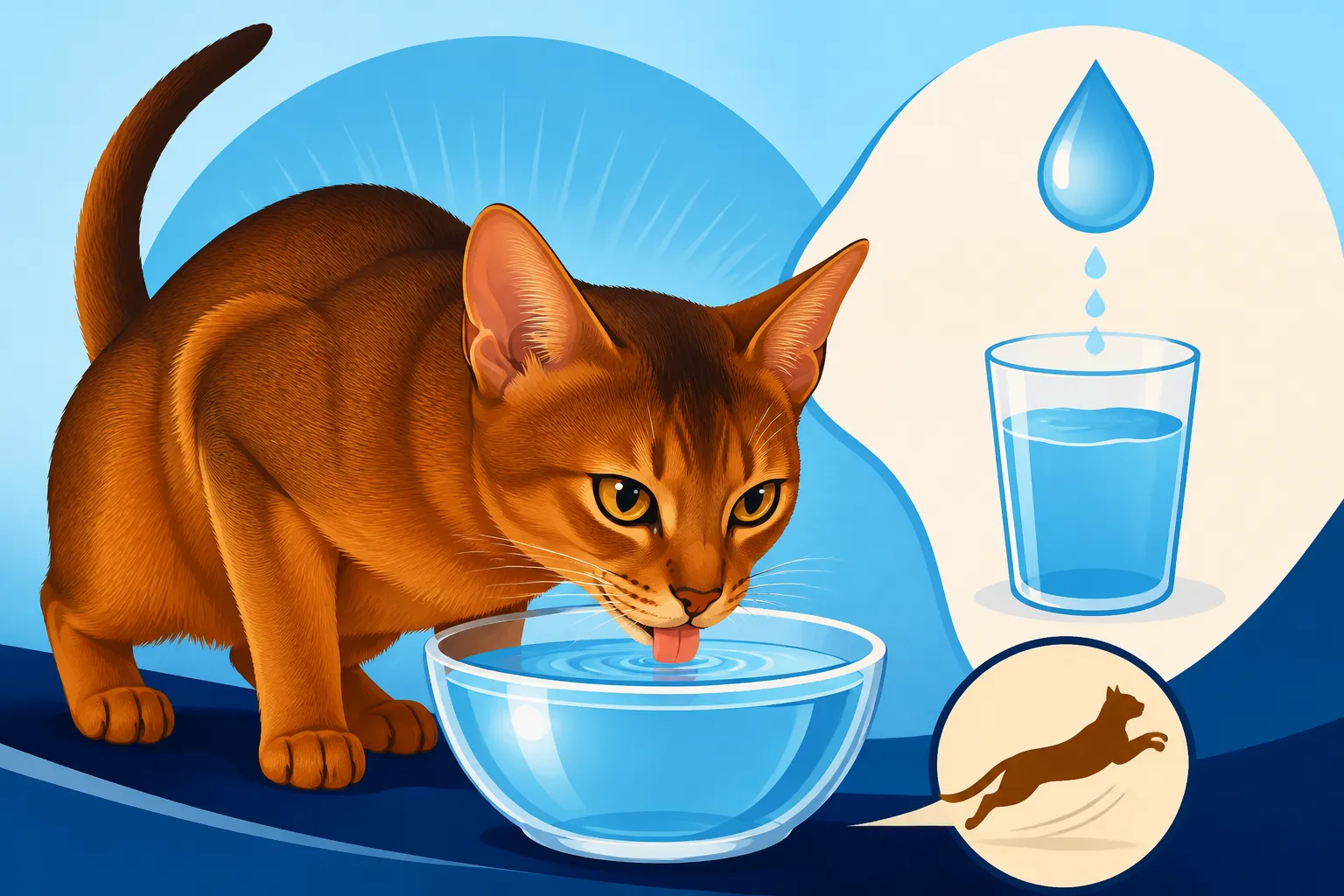
Their lean, muscular build and high energy levels contribute directly to increased metabolic activity. Think about it: a cat that runs a few sprints up the cat tree, leaps onto the bookshelf, and then chases a toy for another ten minutes is expending far more energy and potentially losing more moisture through respiration and waste elimination than a cat who spends most of its day napping. This isn't just about replacing lost fluids from activity; it's about supporting a system that’s constantly "on."
Beyond their undeniable athleticism, Abyssinians also have a genetic predisposition to certain health concerns, particularly kidney-related issues. For example, Renal Amyloidosis Is the Abyssinian Problem Nobody Can Test For is a devastating condition where abnormal protein deposits accumulate in the kidneys, ultimately impairing function. While proper hydration won't prevent a genetic disease, maintaining optimal kidney health through consistent and adequate water intake is absolutely crucial for any Abyssinian, especially one with a known family history of renal issues. It helps flush out toxins and reduces the workload on these vital organs, potentially buying your beloved cat more time and comfort.
The Dangers of Chronic Dehydration
Even mild, chronic dehydration can have surprisingly serious long-term consequences for any cat, but especially for an active Abyssinian. It’s not just about the immediate effects of feeling sluggish or having dry gums. Over time, inadequate water intake places a significant strain on the kidneys. These organs rely on sufficient fluid to filter waste products from the blood and produce urine. If your Aby isn't drinking enough, this filtration system becomes less efficient, allowing waste products to build up and potentially leading to a host of problems down the line.
Furthermore, dehydration can affect nearly every bodily system. It can contribute to urinary tract issues like crystal formation or infections, make constipation a persistent problem, and even impact joint health and skin elasticity. An Abyssinian relies on its flexible, agile body for all its adventurous antics. Imagine that body performing at its peak when it’s not properly hydrated – it simply can’t. Their vibrant energy might slowly wane, their coat might lose some of its characteristic shimmer, and subtle behavioral changes could start to emerge. Catching these signs early and ensuring consistent hydration is a cornerstone of proactive Abyssinian care, helping them maintain their zest for life.
How to Gauge Your Abyssinian's Water Intake
Knowing how much water your Abyssinian needs is one thing, but actually figuring out if they're meeting that need can feel like a guessing game. Cats are notoriously private about their bodily functions, and Abyssinians, with their busy schedules, are no exception! However, there are some clear indicators you can observe and track to get a better sense of their hydration status.
Signs of Adequate Hydration vs. Dehydration
The most straightforward way to assess hydration is to observe your Abyssinian's general well-being. A well-hydrated cat typically has moist gums that are a healthy pink color. You can gently lift their lip to check this; if they feel tacky or appear pale, it could be a red flag. Another common test is the "skin tent" test: gently pinch a fold of skin over their shoulders. In a well-hydrated cat, the skin should snap back almost immediately. If it takes a second or two to return to normal, your cat might be dehydrated.
Pay close attention to their litter box habits. Adequate water intake means regular urination, producing a good volume of urine. If you notice your Abyssinian is urinating less frequently, or the urine clumps in the litter box are smaller than usual, it’s a strong indicator they might not be drinking enough. A healthy What an Abyssinian's Urine Output Should Look Like should be consistent and clear. Beyond these physical signs, consider their energy levels. While Abyssinians are naturally energetic, a sudden, inexplicable drop in their usual playful demeanor could point to underlying issues, including dehydration. While they are usually bouncing off the walls, a lethargic Abyssinian should always prompt concern.
Factors Influencing Water Needs
Several factors play a significant role in how much water your Abyssinian genuinely needs on a daily basis. One of the biggest influences is their diet. Cats primarily evolved to get much of their moisture from their prey, which is naturally high in water content. Dry kibble, while convenient, has very little moisture.
Consider this table demonstrating the difference in moisture content:
| Food Type | Typical Moisture Content | How it Impacts Hydration |
|---|---|---|
| Wet Food (Canned) | 75-85% | Provides significant daily water intake, reducing reliance on drinking from a bowl. Crucial for kidney health. |
| Dry Kibble | 5-10% | Offers minimal moisture, requiring cats to drink much more water from a bowl to compensate. |
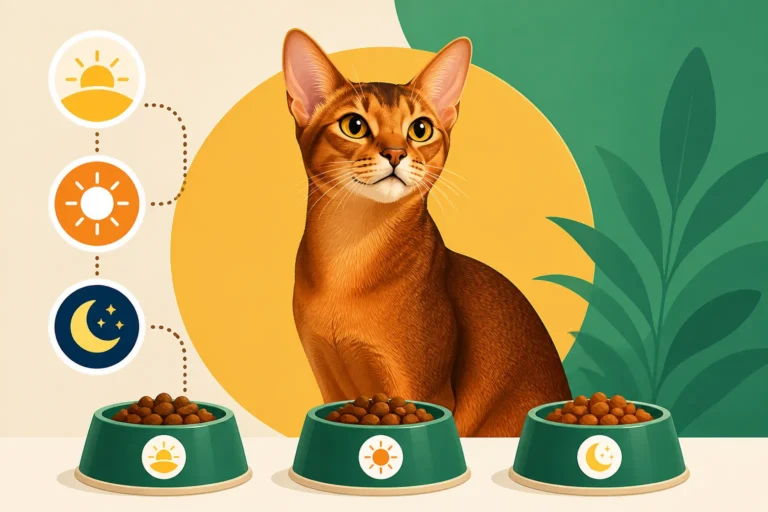
If your Abyssinian eats primarily dry kibble, they will need to drink significantly more water from their bowls or fountains to meet their hydration needs. On the other hand, an Aby on a high-quality wet food diet will naturally consume a large portion of their daily water requirement with each meal, lessening the pressure on them to drink vast amounts from a separate source. This is why Why Kibble Alone Leaves an Abyssinian Short of Water is such an important topic for Abyssinian owners.
Environmental factors like ambient temperature and humidity also matter. In a warmer, drier home, your Aby will likely lose more moisture through evaporation and breathing, necessitating increased water intake. Their age also plays a role: How Many Calories an Abyssinian Kitten Needs might mean they have different fluid requirements due to their growth and often even higher energy levels than an adult. Likewise, Caring for an Abyssinian Past Ten involves a closer watch on hydration, as older cats can be more susceptible to dehydration and kidney issues. Illnesses can also dramatically increase or decrease water needs; for instance, vomiting or diarrhea quickly lead to dehydration, while certain conditions might cause excessive thirst.
Strategies to Encourage Your Abyssinian to Drink More
Knowing that your Abyssinian needs more water is one thing; getting them to actually drink it is another! Cats are famously particular creatures, and encouraging them to hydrate often requires a bit of creativity and understanding of their natural instincts. It's not about forcing them, but rather making hydration an appealing and accessible part of their busy lives.
The Power of Wet Food
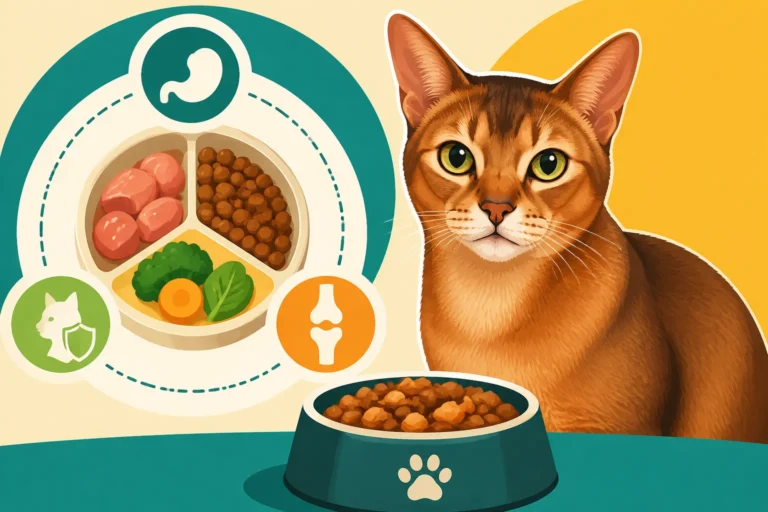
Seriously, if there's one single change you can make to drastically improve your Abyssinian's hydration, it's incorporating more wet food into their diet. As mentioned earlier, dry kibble is essentially devoid of the moisture cats evolved to consume. A high-quality canned food, on the other hand, can be 75-85% water, essentially hydrating your cat with every meal. This is why Which Wet Food Suits an Abyssinian is a conversation every Aby owner should have with their vet.
Moving even partially from an all-kibble diet to a mix of wet and dry, or ideally, an all-wet food diet, can make an enormous difference. Think of it as stealth hydration. Your Abyssinian gets to enjoy a delicious meal, and you get peace of mind knowing they're getting a significant chunk of their daily fluid requirements without even thinking about it. Brands like Purina Pro Plan, Royal Canin, or even specialty brands found on Chewy or Amazon often offer a wide variety of wet food options formulated for different life stages and dietary needs. Don't be afraid to experiment with different textures—pâté, shredded, chunky—to find what your discerning Aby prefers. It's an investment in their long-term health, particularly for their kidneys, because Why an Abyssinian's Kidneys Make Water Intake Matter so profoundly.
Water Fountains and Multiple Water Stations
Cats often prefer moving water over still water, likely a leftover instinct from a time when stagnant water sources were less safe to drink from. This is where a good quality cat water fountain can be a game-changer. The gentle burbling and flowing water can pique an Abyssinian's curiosity and encourage them to drink more frequently. They might bat at it, investigate the stream, and then take a good, long drink.
When choosing a fountain, consider materials like ceramic or stainless steel, which are often easier to clean and less likely to harbor bacteria than plastic. Brands like PetSafe Drinkwell or Catit offer popular and reliable options, readily available on platforms like Amazon. Ensure you clean the fountain regularly and replace the filters as recommended to keep the water fresh and appealing.
Beyond fountains, consider placing multiple water stations around your home. Abyssinians are explorers, and sometimes the urge to drink strikes when they're in a completely different part of the house from their main food station. Place bowls in various rooms, away from their food and litter boxes. Cats often don't like to drink near where they eat or eliminate, so separating these functions can dramatically increase water intake. Why an Abyssinian's Water Bowl Should Be Away From Food is a small but powerful detail. Even if you have a fountain, a few extra ceramic or glass bowls in quiet corners can provide easy access when the thirst hits. Remember, Whether an Abyssinian Uses a Fountain will depend on the individual cat, so offering variety is key.
Creative Hydration Hacks
Sometimes, even with wet food and fountains, you need to pull out a few more tricks from your sleeve to ensure your Abyssinian is getting enough to drink.
- Add extra water to wet food: If your Aby is already eating wet food, stir in a tablespoon or two of warm water or unsalted chicken/beef broth. Most cats won't notice, and it's an easy way to sneak in more fluids.
- Ice cubes: Some Abyssinians love to play with and lick ice cubes. Drop a few into their water bowl or even offer one as a treat on a hot day. The novelty can be enough to encourage some interaction and hydration.
- Different bowl types and locations: Experiment with wide, shallow bowls versus deeper ones. Some cats don't like their whiskers touching the sides of a deep bowl. Glass, ceramic, or stainless steel bowls are generally preferred over plastic. Place bowls in unexpected but accessible spots – near their favorite sleeping perch, next to a window they love to watch birds from, or on a cat tree.
- Frozen treats: Consider making homemade "pawsicles" with diluted, unsalted broth or wet food mixed with water and frozen into small molds. These can be a fun way to cool down and hydrate, especially after an intense play session.
- "Water" playtime: A shallow tray of water with some floating cat-safe toys can be incredibly enticing for an Abyssinian. Many Abyssinians love to play with water, batting at it and perhaps taking a few sips in the process. Just ensure the area is easy to clean up afterward!
By employing a combination of these strategies, you're not just hoping your Abyssinian drinks enough; you're actively creating an environment where adequate hydration is easy, enjoyable, and a natural part of their daily routine. It's about meeting them where they are and making the healthy choice the most appealing one.
When to Worry: Consulting Your Veterinarian
Despite all your best efforts, there are times when changes in your Abyssinian's drinking habits or overall health warrant a trip to the veterinarian. It's crucial to be vigilant, as subtle shifts can sometimes indicate a more serious underlying issue. Your Aby is a master of hiding discomfort, so paying close attention to their routine is your superpower as an owner.
Recognizing Red Flags
Sudden and drastic changes in water intake – whether drinking significantly more or much less – are always red flags that need prompt veterinary attention. An Abyssinian suddenly drinking excessively could be a sign of diabetes, kidney disease, or hyperthyroidism, among other conditions. Conversely, a cat that stops drinking almost entirely, especially if accompanied by lethargy or a lack of appetite, can quickly become critically dehydrated.
Beyond drinking habits, watch for other physical or behavioral changes. Increased urination, especially large volumes of dilute urine, is a concerning symptom. Why a Lethargic Abyssinian Needs Blood Work Fast cannot be overstated; a sudden lack of their typical boundless energy could be tied to dehydration or a host of other health problems. Vomiting and diarrhea are immediate concerns for dehydration, as they cause rapid fluid loss. Any changes in gum color (paler or jaundiced), skin elasticity (tenting), or even the condition of their coat can be indicators. Don't second-guess yourself if something feels "off" with your cat; Abyssinians are usually so vibrant that a noticeable change is often significant.
Regular Vet Check-ups for Hydration Health
Preventative care is paramount for Abyssinians, especially given their predispositions to certain conditions. Regular veterinary check-ups are not just for vaccinations; they're essential for monitoring overall health, including hydration status and kidney function. For younger, healthy adult Abyssinians, an annual check-up is typically recommended. During this visit, your vet will perform a thorough physical examination, check their teeth and gums (which can also affect appetite and water intake), and listen to their heart and lungs.
As your Abyssinian enters its senior years, around age 7-8, these check-ups often become even more crucial. When a Middle Aged Abyssinian Needs Yearly Bloodwork is a question every owner should discuss with their vet. Comprehensive bloodwork, including a chemistry panel to assess kidney and liver function, and a complete blood count, can catch subtle changes before they become serious problems. A urinalysis is also vital, providing information about kidney function, hydration, and the presence of any urinary tract issues. Early detection of conditions like kidney disease, even when subtle, can allow for interventions like dietary changes or increased fluid therapy that can significantly improve your Abyssinian's quality of life and potentially extend it. Remember, you are your Abyssinian's best advocate, and proactive care is the best way to keep them healthy and happy for many years to come.
Disclaimer
This article is for general informational purposes only and does not constitute professional advice. Laws, prices and regulations vary by location and change over time. Consult a qualified professional for guidance on your specific situation.