How to Adjust an Old Abyssinian’s Food
Watching your spirited Abyssinian, who once scaled bookshelves and chased feather wands for hours on end, start to slow down can be a tough pill to swallow. Just like us, as our beloved cats age, their bodies and needs change, and one of the most significant shifts often comes in their diet. It's not always obvious, and sometimes they'll hide their discomfort, leaving you wondering if they're just getting picky or if something more serious is at play. This guide is here to help you understand those changes and adjust your senior Abyssinian's food to keep them as healthy and happy as possible in their golden years.
Recognizing the Signs Your Abyssinian's Diet Needs Adjusting
It's easy to dismiss subtle changes in an older cat as "just getting old," but often, these are critical signals that their nutritional requirements are evolving. Your Abyssinian, with its famously high energy and slender build, might mask discomfort well, so keen observation is your best tool. Being proactive now can make a world of difference in their comfort and longevity.
Subtle Shifts in Appetite and Eating Habits
You might notice your senior Abyssinian, who once dove headfirst into their meal, now approaches their bowl with less enthusiasm. Perhaps they're eating slower, leaving food behind, or becoming uncharacteristically finicky about what they'll consume. This isn't just them being "picky"; it could be a sign of a decreased sense of smell and taste, making their regular food less appealing. Their metabolism is also slowing down, so their caloric needs are no longer the same as when they were a boisterous youngster. They might genuinely feel full faster or simply not need as much energy. Conversely, you might see an increase in hunger if they aren't absorbing nutrients effectively, or if a condition like hyperthyroidism is developing, causing them to burn calories at an accelerated rate despite appearing frail. Keep an eye on those changes, as they're often the first clues.
Changes in Weight and Body Condition
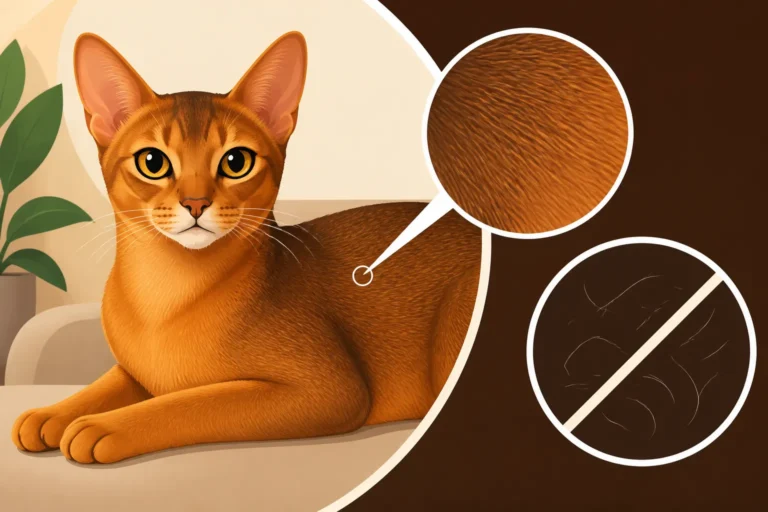
One of the most concerning indicators is a change in weight. While Abyssinians are naturally lean, a noticeable decrease in muscle mass or overall body weight is a red flag. Their bodies may start to break down muscle if their diet isn't providing adequate, easily digestible protein. You might find yourself checking How to Read an Abyssinian's Body Condition Through That Coat more often, feeling their ribs, spine, and hip bones become more prominent under that thin, close-lying ticked coat. On the flip side, though less common in active Abyssinians, unexpected weight gain can also happen if their activity levels have drastically reduced but their caloric intake hasn't been adjusted. Excess weight puts undue strain on aging joints and organs. It’s a fine balance, and maintaining that ideal, slender Abyssinian physique becomes even more important as they age to support their joint health and overall well-being.
Digestive Issues and Coat Changes
As your Abyssinian's digestive system matures, it might become less efficient at processing food. This can manifest as increased instances of vomiting, diarrhea, or even chronic constipation, which can be incredibly uncomfortable for your cat. These issues suggest that the food they're currently eating might be too rich, too difficult to digest, or lacking in essential fibers or moisture. Furthermore, a dull, dry, or coarse coat, or excessive shedding beyond the normal seasonal shifts, can indicate nutrient deficiencies. A healthy coat is often a mirror of internal health, and if their fur isn't as vibrant and silky as it once was, their diet might not be supporting their skin and coat adequately. Sometimes, they might even struggle to groom themselves as effectively due to joint pain, further contributing to a less-than-lustrous coat, but nutritional support remains paramount.
What Changes Physically in an Aging Abyssinian
Understanding the underlying physiological changes in an aging Abyssinian is key to making informed dietary decisions. Their bodies simply aren't the finely tuned machines they once were, and these shifts directly impact their nutritional requirements.
Slowed Metabolism and Reduced Activity Levels
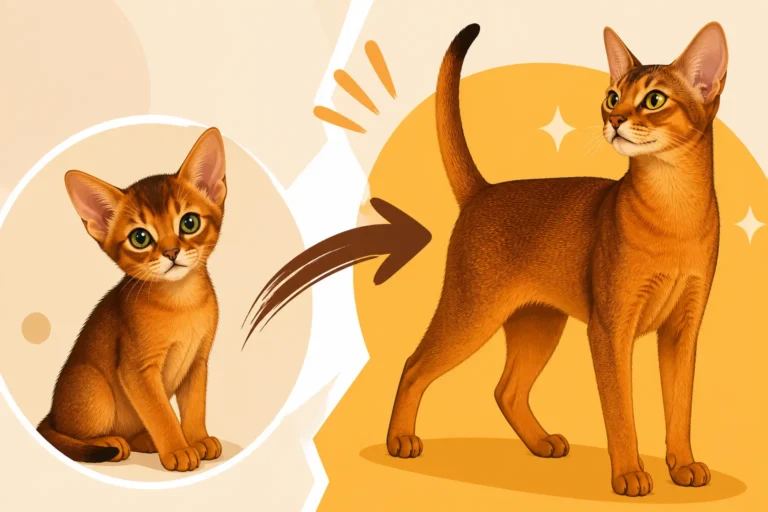
The boundless energy that defines a young Abyssinian gradually wanes with age. You might notice they spend more time napping in sunbeams and less time scaling curtains or engaging in intense play sessions. This natural reduction in activity means they are burning fewer calories throughout the day. Consequently, their metabolism slows down, making them more susceptible to weight gain if their diet isn't adjusted. Feeding the same amount of food to a less active senior can quickly lead to an unhealthy body condition, even if they appear lean. It's a tricky balance because you still want to encourage them to play and explore, but you need to match their fuel intake to their actual output. What an Old Abyssinian Slows Down From perfectly describes this inevitable shift, underscoring why diet must adapt.
Dental Health Deterioration and Chewing Difficulties
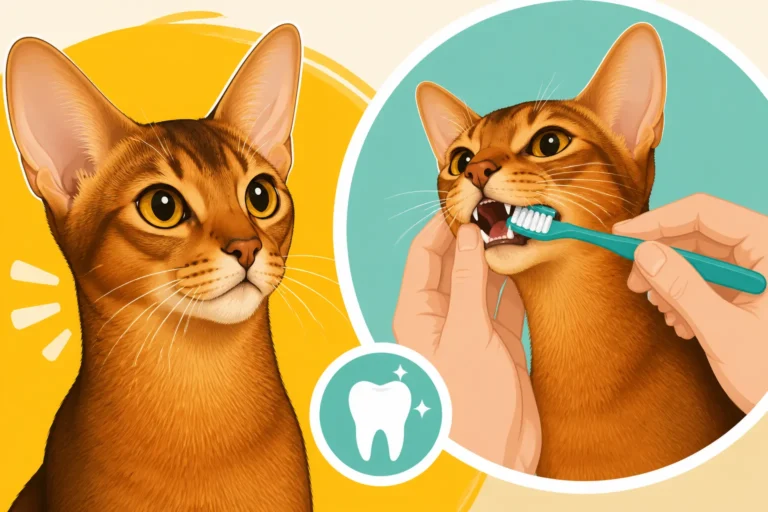
Dental problems are incredibly common in older cats, and Abyssinians are no exception; in fact, they're often prone to issues like juvenile gingivitis that can escalate with age. Years of plaque and tartar buildup can lead to painful gum disease, tooth resorption, or even tooth loss. Imagine trying to eat your favorite crunchy snack with a searing toothache – it's no wonder your cat might shy away from hard kibble. They may drop food, chew only on one side, or show signs of pain when eating. This pain can significantly impact their willingness to eat, leading to poor nutrition and weight loss. Why an Abyssinian Loses Teeth Younger Than Most Cats highlights the predisposition of the breed to these issues, making dental care and softened food options even more critical as they age.
Organ Function Decline, Especially Kidneys
One of the most significant changes in aging Abyssinians is a decline in organ function, particularly the kidneys. Kidney disease is a silent thief, often progressing slowly before overt symptoms appear. As kidneys become less efficient, they struggle to filter waste products from the blood and conserve water. This makes proper hydration incredibly important. A diet that is too high in certain minerals or protein (of poor quality) can exacerbate the strain on already compromised kidneys. You'll want to think about How an Old Abyssinian's Kidneys Are Monitored with your vet, as dietary changes can genuinely support kidney function and improve their quality of life. The right food can help manage symptoms and slow disease progression, but it requires careful consideration and professional guidance.
Decreased Sense of Smell and Taste
Just like humans, an older Abyssinian's senses can become less acute over time. Their keen sense of smell, which plays a huge role in how appealing food seems, might diminish. The same goes for their taste buds. Food that once excited them might now seem bland or unappetizing. This isn't them being difficult; it's a genuine physiological change that can lead to reduced food intake and picky eating. As their appetite wanes, it's a real challenge to encourage them to eat enough to maintain their health. This is where creative presentation and highly palatable food options become invaluable, helping to stimulate their remaining senses and encourage them to finish their meals.
Practical Steps to Adjust Your Senior Abyssinian's Food
Adjusting your senior Abyssinian's diet isn't a "one size fits all" solution. It requires a thoughtful, multi-pronged approach, always with your veterinarian as your co-pilot.
Consulting Your Veterinarian First
This is absolutely the most critical step. Before you make any drastic changes to your Abyssinian's diet, schedule a thorough check-up with your vet. They can perform blood tests, urine analysis, and a comprehensive physical exam to rule out underlying medical conditions that might be affecting their appetite or digestion. Conditions like hyperthyroidism, kidney disease, dental pain, or even early signs of cancer can mimic simple aging and require specific medical and dietary interventions. For instance, Which Blood Panel an Abyssinian Should Have Yearly becomes even more important as they age, providing crucial insights into their organ function. Your vet can guide you on specific dietary recommendations, including whether a prescription diet is necessary, based on your cat's unique health profile.
Prioritizing High-Quality, Easily Digestible Protein
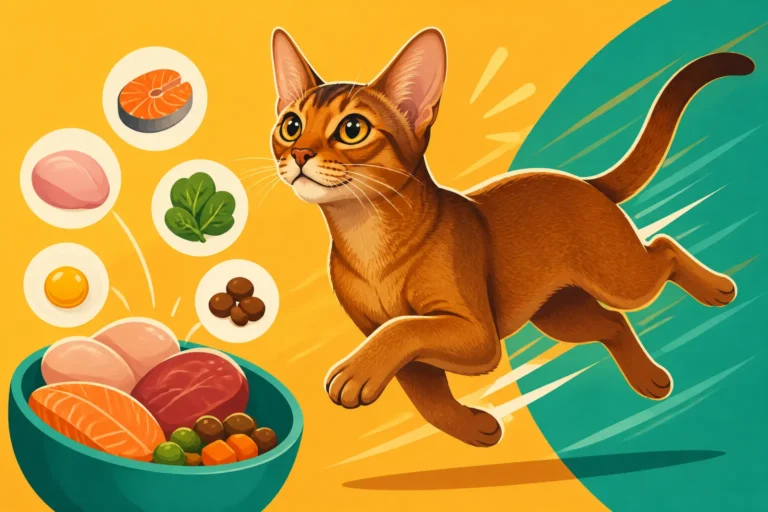
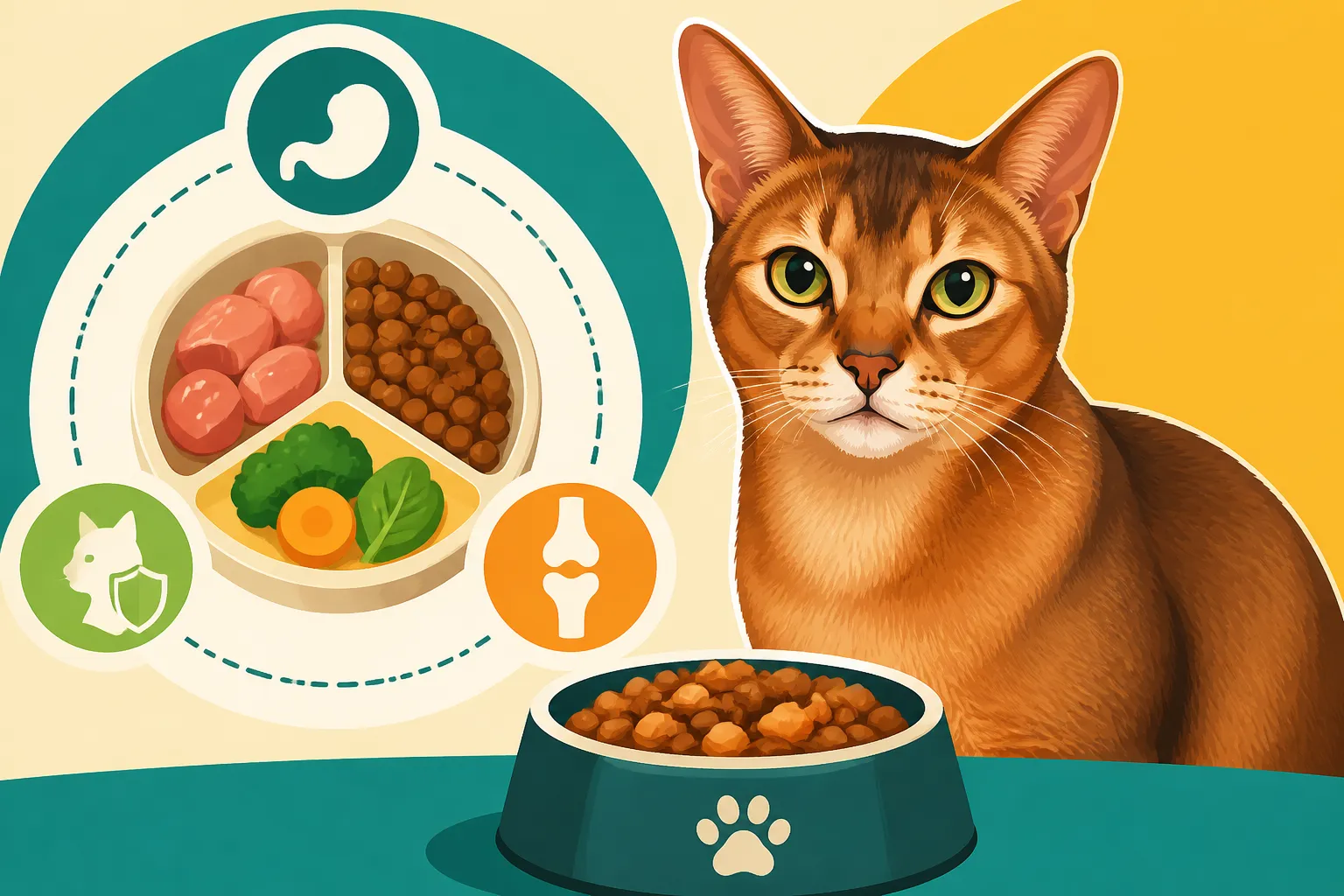
As Abyssinians age, maintaining muscle mass becomes increasingly important, and often more challenging. Many owners worry about protein with aging kidneys, but high-quality, easily digestible protein is crucial to prevent muscle wasting (sarcopenia). The key here is quality. Look for foods with animal-based protein sources listed as the first ingredients, such as chicken, turkey, or fish. These are generally easier for an aging digestive system to break down and utilize. Low-quality, plant-based proteins are often less bioavailable and can actually put more strain on their system without providing the necessary building blocks for muscle. Your vet might recommend a specific protein level depending on their kidney health, as discussed in Why an Old Abyssinian Needs Its Protein Kept Up. Fresh, human-grade protein options can be incredibly palatable and digestible for seniors, though always check with your vet before introducing new brands or types of food.
Increasing Moisture Content
This cannot be stressed enough, especially for senior Abyssinians, given their breed's predisposition to kidney issues like renal amyloidosis. Wet food is your best friend here. It provides essential hydration, which supports kidney function and helps flush toxins. If your Abyssinian is primarily on kibble, gradually transition them to a wet food diet or at least incorporate it heavily. You can also add low-sodium chicken or beef broth (check ingredients carefully to avoid onion or garlic, which are toxic to cats) to their existing food to boost moisture and palatability. Offering multiple water sources, including a pet fountain, can also encourage more drinking. Many Abyssinians love flowing water, and a fountain can significantly increase their water intake, directly aiding kidney health, as explored in Why an Abyssinian's Kidneys Make Water Intake Matter. You can find excellent options for wet food and fountains on Chewy or Amazon.
Adjusting Calorie Intake and Meal Frequency
With a slower metabolism and reduced activity, your senior Abyssinian likely needs fewer calories than they did in their prime to maintain an ideal weight. Overfeeding can lead to unhealthy weight gain, exacerbating joint issues and other health problems. Work with your vet to determine an appropriate daily caloric intake. Instead of two large meals, consider offering smaller, more frequent meals throughout the day. This can be easier on their digestive system, prevent feelings of being overly full, and maintain a more consistent energy level. It also makes the food more appealing if they are a grazer by nature, giving them multiple "fresh" servings. Why an Abyssinian Needs Fewer Calories After Twelve delves into this, providing guidance on how their energetic needs change.
Addressing Palatability and Presentation
If your Abyssinian is becoming picky or has a diminished sense of smell, making their food more appealing is crucial.
- Warm it up: Slightly warming wet food in the microwave (check for hot spots!) can enhance its aroma and make it more inviting.
- Variety of textures: Some seniors prefer pâtés, while others might like chunky gravies. Experiment to see what appeals most.
- Toppers and enhancers: A small amount of nutritional yeast, a sprinkle of freeze-dried meat treats (crushed), or a dollop of pureed pumpkin (if vet-approved for digestion) can boost flavor and encourage eating.
- Location matters: Ensure their eating area is quiet, easily accessible, and free from perceived threats (like a boisterous younger pet). If they have arthritis, raise their bowls to a comfortable height to reduce neck strain.
Navigating Specific Dietary Challenges in Older Abyssinians
Older Abyssinians often present unique dietary puzzles. It's not always a straightforward path, and patience and persistence are key.
Dealing with Picky Eaters
A senior Abyssinian who has suddenly become picky can be incredibly frustrating, especially when you know they need to eat. Start by confirming there isn't an underlying medical reason for the pickiness with your vet. Once health issues are addressed, try these strategies:
- Small, frequent meals: As mentioned, offering smaller portions more often can make food less daunting.
- Novelty: Sometimes, a new flavor or brand of wet food can spark interest. Cats can develop food fatigue, especially with age. Keep a few high-quality options in rotation.
- Mix it up: If they eat some kibble, try mixing a tiny amount of wet food into it, gradually increasing the ratio.
- Hand-feeding: For particularly reluctant eaters, offering a little food from your finger can sometimes kickstart their appetite, making them feel comforted and encouraged.
- Quiet environment: Make sure meal times are stress-free. A busy kitchen can be overwhelming.
Supporting Kidney Health Through Diet
If your vet has diagnosed your Abyssinian with kidney disease, dietary management becomes paramount. Specialized prescription kidney diets are formulated with controlled levels of phosphorus, reduced but high-quality protein, and often added omega-3 fatty acids. These diets are designed to reduce the workload on the kidneys and slow the progression of the disease. It's vital to follow your vet's recommendations precisely, even if your cat is initially resistant to the new food. The benefits of these diets for kidney function are well-documented. How a Vet Manages an Abyssinian in Kidney Failure details the full spectrum of care, with diet being a cornerstone. Remember, even if a kidney diet isn't a "cure," it can significantly improve your cat's comfort and extend their healthy lifespan.
Managing Dental Pain and Eating Difficulties
Dental pain is a silent agony that can turn mealtime into a nightmare for your senior Abyssinian. If your vet suspects dental issues, a thorough dental cleaning under anesthesia, and potentially extractions, might be necessary. While this sounds daunting for an older cat, the relief from chronic pain can be life-changing, leading to a renewed appetite. Post-dental procedure, or if surgery isn't an option, you'll need to focus on very soft, easy-to-eat foods. Pâté-style wet foods, blended or pureed diets, or even adding warm water to kibble to create a gruel can help. The key is to eliminate the need for painful chewing. Regular dental check-ups and home care (if tolerated) are essential throughout their lives, but particularly for seniors. How Often an Abyssinian Needs Its Teeth Cleaned provides a good baseline for this lifelong commitment.
Dietary Comparison: Young vs. Old Abyssinian
To help summarize, here's a quick look at how the typical dietary needs shift from a young, vibrant Abyssinian to a wise, older one.
| Feature | Young Abyssinian (Kitten to Adult) | Old Abyssinian (Senior, 10+ years) |
|---|---|---|
| Energy Needs | Very high, requires calorie-dense food for growth and activity. | Moderate to lower, due to reduced activity and slowed metabolism. |
| Protein | High, for growth, muscle development, and high energy. | Moderate-high, high-quality and easily digestible to preserve muscle mass. |
| Moisture Intake | Important, but often supplemented by higher activity. | Critical, to support aging kidneys and overall hydration. Wet food is key. |
| Fat Content | Moderate to high, for energy and healthy coat. | Moderate, balanced to prevent weight gain while maintaining coat health. |
| Carbohydrates | Minimal, as cats are obligate carnivores. | Minimal, focus on digestible sources if present. |
| Dental Health | Strong teeth, can handle kibble well (with proper care). | Prone to dental disease; requires soft textures or dental-specific food. |
| Digestibility | Robust digestive system. | More sensitive; needs highly digestible ingredients to prevent upset. |
| Appetite | Voracious, consistent. | Can be decreased or picky, influenced by senses and health issues. |
| Vitamins/Minerals | Balanced for growth and maintenance. | Often needs supplemental support, especially for joints or specific organ health. |
| Meal Frequency | Often free-fed as kittens, 2-3 structured meals as adults. | Smaller, more frequent meals (3-4+), easier on digestion. |
Adjusting your Abyssinian's food as they age is one of the most loving and impactful things you can do for them. It’s a process of careful observation, partnership with your veterinarian, and sometimes a little trial and error, but the reward is a comfortable, well-nourished companion by your side for as long as possible.
Disclaimer
This article is for general informational purposes only and does not constitute professional advice. Laws, prices and regulations vary by location and change over time. Consult a qualified professional for guidance on your specific situation.