When to First Put a Toothbrush in an Abyssinian’s Mouth
It's a common worry for Abyssinian owners: how do you even begin with dental care for such an active, often opinionated cat? Many of us wait until we notice bad breath or visible tartar, but by then, you're often playing catch-up. This guide is here to walk you through the surprisingly simple yet utterly crucial steps of introducing a toothbrush to your Abyssinian, ensuring their bright smile stays healthy from the very start.
The Critical Window: Starting Early with Your Abyssinian's Dental Care
One of the biggest mistakes we can make as cat parents is waiting until there’s a problem before thinking about our cat’s teeth. Abyssinians, with their boundless energy and graceful agility, might seem indestructible, but their dental health is a cornerstone of their overall well-being. Getting a head start on brushing isn't just a good idea; it's a preventative measure that can save you and your beloved companion a lot of discomfort and expense down the road.
Why Early Introduction Matters So Much for Abyssinians
Abyssinians are known for their lively personalities and, unfortunately, sometimes for certain predispositions to dental issues like juvenile gingivitis. This isn't to say every Abyssinian will suffer, but being proactive can make a world of difference. Starting dental care early means you're not just preventing plaque buildup; you're building a habit. Imagine trying to introduce something new and slightly invasive to a five-year-old cat who's never experienced it before. It's a battle! But a kitten, still in its formative period, is much more adaptable and open to new experiences, especially if they're associated with positive reinforcement. It's about normalization, making a toothbrush and the sensation of brushing just another part of their daily routine, rather than a strange, scary imposition. Without this early intervention, you might find yourself dealing with Why an Abyssinian's Gums Overgrow Its Teeth much sooner than you'd like.
The Ideal Age to Begin Brushing Training
The absolute best time to start thinking about your Abyssinian's dental health is as soon as you bring them home, typically around 12 to 16 weeks old. At this age, their adult teeth are just starting to come in, and they're usually still curious and amenable to new sensations. Don't wait until they're six months old or older, when Why Juvenile Gingivitis Starts in an Abyssinian Kitten might begin to rear its head, making the process much more challenging. The goal isn't necessarily to perform a full, vigorous brushing session on day one. It's about gentle desensitization and making the experience a positive one. Think of it as laying the groundwork for a lifetime of good oral hygiene. Just like house-training or leash-training, dental care is a skill that takes patience and consistency.
The First Steps: Getting Your Abyssinian Used to the Idea
Before you even think about putting a brush in their mouth, you need to get your Abyssinian comfortable with you touching their mouth. Start slow. During playtime or cuddle sessions, gently touch their muzzle. Offer a treat immediately afterward. Once they're okay with this, try lifting their lip for a second. Again, positive reinforcement is key. Use their favorite treat, a gentle voice, and a loving touch. Don't force it. If they resist, stop and try again later. Short, frequent sessions are far more effective than long, stressful ones. The aim is for them to associate your touch around their mouth with something pleasant. This initial phase can take a few days or even a week, depending on your Abyssinian's individual personality. Patience is truly a virtue here. Remember, Why Home Dental Care Starts Early in an Abyssinian is crucial for setting up these positive associations.
Choosing the Right Tools for Tiny Teeth and Gums
Once your Abyssinian is somewhat comfortable with you touching their mouth, it's time to gather your arsenal. You wouldn't use your own toothbrush and toothpaste on your cat, right? The same logic applies to choosing the right tools for their unique feline anatomy and sensitive systems. The market is thankfully full of great options, making it easier than ever to equip yourself properly.
Toothbrushes Designed for Feline Friends
Forget those huge human toothbrushes! Your Abyssinian needs something much smaller and softer. There are generally two main types of cat toothbrushes:
- Finger Brushes: These slip over your finger and have soft bristles. They're fantastic for beginners, especially with kittens, as they allow for maximum control and a gentle touch. It feels less intrusive than a rigid brush, and your cat is already used to your finger being near their mouth. Many people find these on platforms like Amazon or Chewy, making them easily accessible.
- Pet Toothbrushes: These look more like tiny human toothbrushes, often with a small head and angled handle to reach those tricky back teeth. Some even have a dual-ended design, offering different head sizes for various parts of the mouth. The bristles are always incredibly soft, designed not to irritate delicate gums.
It's wise to invest in a few different types to see what your Abyssinian tolerates best. What works for one cat might be a no-go for another. If you're wondering Which Toothbrush Suits an Abyssinian, the general rule is soft bristles and a small head.
The Importance of Cat-Specific Toothpaste
This is absolutely non-negotiable. Never use human toothpaste on your Abyssinian. Human toothpaste contains fluoride, xylitol, and other ingredients that are toxic to cats if ingested. Cat toothpaste, on the other hand, is specifically formulated to be safe for ingestion and often comes in appealing flavors like poultry, beef, or even malt, which can make the experience more palatable for your feline friend. These enzymatic toothpastes work by breaking down plaque and tartar even with minimal scrubbing, which is a huge bonus when you have a squirming kitty. When considering Which Toothpaste Is Safe for an Abyssinian, always look for a veterinary dental health seal or check with your vet for recommendations. Many reputable pet supply sites like Chewy offer a wide selection of cat-safe toothpastes.
Alternative Tools for Reluctant Abyssinians
If your Abyssinian proves to be a true diva about having a toothbrush in their mouth, don't despair! There are still ways to support their dental health.
- Dental Wipes: These are textured wipes that you can wrap around your finger to gently rub your cat's teeth and gums. They're less effective than brushing but can help remove some plaque and are a good step for cats who tolerate finger-touching but not a brush.
- Oral Gels/Rinses: Some products are designed to be applied directly to the teeth and gums or added to your cat's water. While they don't replace mechanical brushing, they can offer some antibacterial benefits and help reduce plaque. These are often available through your vet or on sites like Amazon.
- Specialized Dental Diets: Certain prescription dental diets are formulated with kibble that scrubs the teeth as your cat eats, or contains ingredients that prevent plaque from adhering. Discuss these options with your veterinarian.
Remember, these are generally complementary to brushing, not outright replacements, but they can be invaluable tools if regular brushing is a struggle.
Building a Lifelong Routine: Techniques and Troubleshooting
Once you have your tools, the real work begins: establishing a consistent routine. Consistency is the secret sauce to any successful pet training, and dental care is no exception. It's not about perfection every single day, but about making it a regular, positive part of your Abyssinian's life.
Gentle Introduction: The Fingerbrush Method
Start by letting your Abyssinian lick a tiny bit of cat toothpaste off your finger. Make it a treat! Once they're okay with the taste, put a small dab on the fingerbrush. Gently lift their lip and try to rub just one or two teeth, focusing on the outside surfaces where plaque tends to accumulate most. Don't worry about the inside surfaces—your cat's tongue and saliva do a pretty good job there.
Keep these sessions incredibly short, perhaps 10-20 seconds at first. End on a positive note, with praise, a favorite treat, or a short play session. The goal is to make them think, "Oh, this weird thing happens, and then I get something awesome!" You might only get a few swipes in at first, and that's perfectly fine. How Long an Abyssinian's Teeth Take to Brush isn't about speed, but about effective coverage over time. Building up tolerance takes patience.
Graduating to a Proper Toothbrush
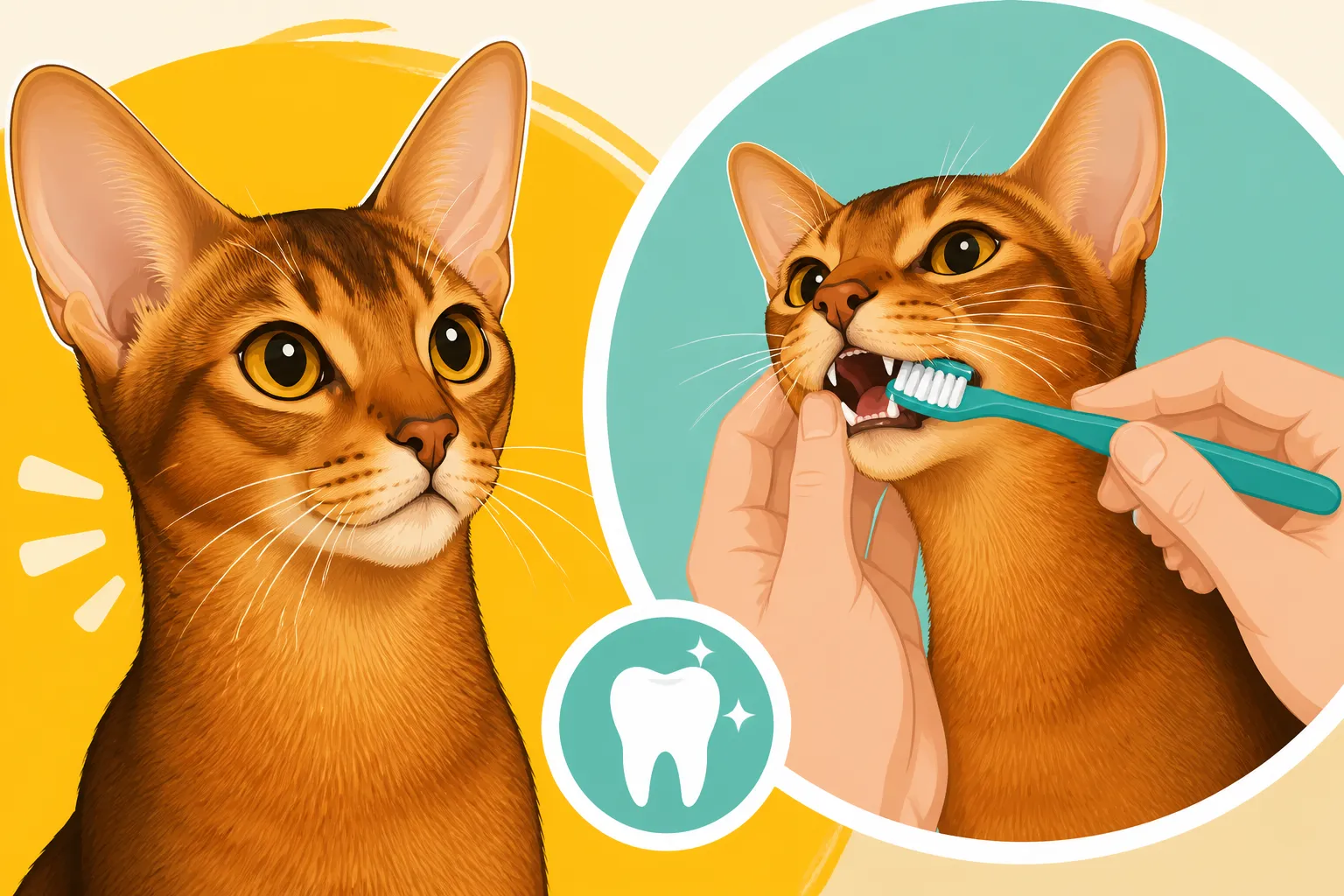
Once your Abyssinian is tolerating the fingerbrush for a minute or so, you can try introducing the actual pet toothbrush. Follow the same principles: small amount of cat toothpaste, gentle movements, short duration, and plenty of rewards. The angle of the small brush head is designed to reach further back into their mouth, which is important for preventing issues. Again, focus on the outside surfaces of the teeth and the gumline.
Aim for daily brushing, or at least every other day. Plaque starts to harden into tartar within 24-48 hours, so regular removal is crucial. If you miss a day, don't beat yourself up; just pick up where you left off. This consistent effort is far more beneficial than sporadic, intensive attempts. Knowing How Often an Abyssinian Needs Its Teeth Cleaned will help you set a realistic schedule.
Overcoming Resistance and Making it Positive
Even with the best intentions, some Abyssinians will resist. Here are a few troubleshooting tips:
- Timing is Everything: Try brushing when your cat is relaxed, perhaps after a meal or a good play session when they're a bit sleepy. Avoid trying to brush when they're riled up or trying to play.
- Patience, Patience, Patience: If your cat bats away the brush or tries to escape, don't chase them. Let them go and try again later. Forcing the issue will only create negative associations.
- Reinforce Heavily: Use high-value treats that your cat absolutely loves. These can be tiny bits of cooked chicken, Churu treats (often found on Chewy or Amazon), or whatever gets their tail wagging. The reward has to be worth the perceived annoyance of the brushing.
- Break it Down: If a full brushing session is too much, break it into even smaller steps. Day one: just touch their mouth. Day two: add toothpaste to your finger. Day three: touch their teeth with the paste. Gradually increase the duration and intensity.
- Different Positions: Some cats tolerate brushing better if they're on your lap, others prefer being held gently in a "burrito wrap" in a towel, or even standing on a counter. Experiment to find what works for your Abyssinian.
- Consult Your Vet: If you're truly struggling, your vet or a veterinary technician can often offer personalized advice or even demonstrate proper technique.
Remember, you're building a habit, and habits take time to form. Every little bit of effort counts towards your Abyssinian's long-term health.
Beyond Brushing: Complementary Dental Care and Professional Checks
While daily brushing is the gold standard, it’s not the only component of comprehensive dental care for your Abyssinian. A holistic approach includes dietary considerations, dental-specific products, and regular veterinary oversight.
Dental Treats and Water Additives: Do They Help?
Dental treats and water additives can be a helpful adjunct to brushing, but they are generally not a substitute.
- Dental Treats: Look for treats that have the Veterinary Oral Health Council (VOHC) seal of acceptance. This means they have been scientifically proven to reduce plaque and/or tartar. Many popular brands found on Chewy or Amazon offer VOHC-approved options. They work by having a specific texture that helps scrape plaque off teeth as your cat chews, or by containing ingredients that inhibit plaque formation. However, a treat typically only cleans the surfaces it comes into contact with, usually the tips of the teeth, and not the crucial gumline.
- Water Additives: These products contain ingredients that can help reduce bacteria in the mouth and freshen breath. They are simply added to your cat's drinking water. Again, look for VOHC-approved options if possible. The main challenge here is ensuring your Abyssinian drinks the treated water, and some cats are very sensitive to changes in their water's taste.
Both can be useful in your overall dental strategy, especially for reaching those areas that might be missed during brushing, but they should be viewed as supplementary rather than primary dental care.
Recognizing Signs of Trouble in Young Abyssinians
Even with diligent home care, it's essential to know what to look for that might signal a problem. Abyssinians can be prone to certain issues, and early detection is key. Keep an eye out for these red flags:
- Red, Swollen Gums: This is a classic sign of gingivitis. If you see What Red Gums Mean in an Abyssinian Kitten, especially around the gumline where the tooth meets the gum, it’s time for a vet visit.
- Bad Breath (Halitosis): While no cat's breath smells like roses, unusually foul breath is a strong indicator of bacterial buildup and dental disease.
- Difficulty Eating or Dropping Food: If your Abyssinian suddenly seems hesitant to eat, chews on one side of their mouth, or Why an Abyssinian Drops Food While Eating, it could be a sign of pain in their mouth.
- Pawing at the Mouth: This can indicate discomfort or pain.
- Changes in Behavior: A normally energetic Abyssinian who becomes withdrawn, less playful, or irritable could be experiencing pain, and dental issues are a common culprit.
- Visible Tartar Buildup: Yellow or brown deposits on the teeth, especially near the gumline, indicate plaque that has mineralized into tartar. This cannot be brushed away and requires professional cleaning.
If you observe any of these signs, don't hesitate to contact your veterinarian. Early intervention can prevent minor issues from becoming major, painful problems.
The Role of Your Vet in Early Dental Health
Your veterinarian is your most important partner in your Abyssinian's dental health journey. Beyond offering advice on home care, they provide essential professional examinations and cleanings.
- Regular Check-ups: Every annual vet visit should include a thorough oral examination. Your vet can spot early signs of gingivitis or other dental problems that might be missed at home.
- Professional Dental Cleanings (Dentals): Despite your best brushing efforts, plaque and tartar will eventually accumulate, especially below the gumline. Professional dental cleanings, performed under anesthesia, are the only way to remove this buildup safely and effectively. Your vet will scale and polish the teeth, just like a human dental hygienist. They can also perform dental X-rays to check for problems below the gumline that aren't visible to the naked eye. This is a crucial part of long-term dental health and a significant reason Why Abyssinian Dental Work Is the Biggest Line in the Budget. The frequency of these cleanings will depend on your individual cat's needs and how effective your home care is, but many Abyssinians will need one every few years. Knowing How Often an Abyssinian Needs a Professional Clean is a conversation to have with your vet.
By combining consistent home brushing, using appropriate dental aids, and maintaining regular veterinary check-ups and professional cleanings, you can help ensure your spirited Abyssinian enjoys a healthy, pain-free smile for years to come.
Disclaimer
This article is for general informational purposes only and does not constitute professional advice. Laws, prices and regulations vary by location and change over time. Consult a qualified professional for guidance on your specific situation.