Why Home Dental Care Starts Early in an Abyssinian
One of the most disheartening discoveries for any Abyssinian owner is realizing their energetic, playful companion is silently suffering from dental pain. Unlike many other breeds, Abyssinians are unfortunately prone to a host of oral health issues that can start far earlier in life than you might expect, leading to discomfort, costly vet bills, and a diminished quality of life. This guide will delve deep into why early and consistent home dental care isn't just a recommendation for Abyssinians – it's an absolute necessity for their well-being, helping you prevent common problems and ensure your beloved cat keeps that vibrant smile for years to come.
The Unique Dental Challenges of Abyssinians
It’s easy to assume all cats have similar dental needs, but our Abyssinian friends, with their vivacious personalities and sleek builds, often come with a predisposition to specific oral health concerns. Understanding these unique challenges is the first step in providing them with the best possible preventative care right from the start.
The Predisposition to Early Gum Disease
Many Abyssinian owners are surprised to learn that their kittens can develop significant gum inflammation, or gingivitis, at a shockingly young age. We’re not talking about older cats with years of plaque buildup; we're talking about kittens just hitting their adolescent stride, often around six months old. This isn't just about bad breath; it's a serious condition that can rapidly escalate. This early onset gingivitis is particularly prevalent in Abyssinians, and it often involves a condition where their gum tissue actually overgrows, partially or fully burying their teeth. Imagine how uncomfortable that must be, trying to eat or play with inflamed, overgrown gums. This makes it incredibly difficult for food particles to naturally scrub the teeth, and it creates perfect little pockets for bacteria to thrive, accelerating the progression from gingivitis to full-blown periodontal disease. This is why it’s so critical to understand why an Abyssinian kitten's gums fail at six months and intervene early. Without diligent attention, this can lead to excruciating pain, infection, and eventually, tooth loss.
How Their Active Nature Impacts Oral Health
Abyssinians are known for their boundless energy and inquisitive minds. They're jumpers, climbers, and explorers, constantly on the move. While this makes them incredibly engaging companions, it also indirectly impacts their dental health. Unlike a placid lap cat that might spend more time grooming itself and potentially chewing on toys, an Abyssinian is often too busy chasing feather wands, scaling cat trees, or investigating new nooks and crannies to focus on oral hygiene. They’re less likely to be slow, deliberate chewers that might benefit from certain dental chews, as their tendency is to devour food quickly and get back to their adventures. This high-energy lifestyle means that even if you try to offer dental treats, they might not spend enough time engaging with them to get any real benefit. Furthermore, a highly active cat might hide signs of discomfort or pain for longer. A cat in pain might naturally become a bit withdrawn or quieter, but an Abyssinian’s default setting is usually "on," so a subtle shift might be missed until the problem is quite advanced. This makes it even more important for owners to take a proactive approach to their dental care, rather than relying on their cat to "self-clean" or show obvious signs of distress.
Laying the Foundation for Lifelong Oral Health
Given their genetic predisposition and energetic tendencies, the best defense against dental woes in Abyssinians is a strong, early offense. This means introducing dental care as soon as possible, even before their adult teeth are fully in. It's about creating positive experiences that will make future care a breeze, or at least, a tolerable routine.
Starting Early with Positive Associations
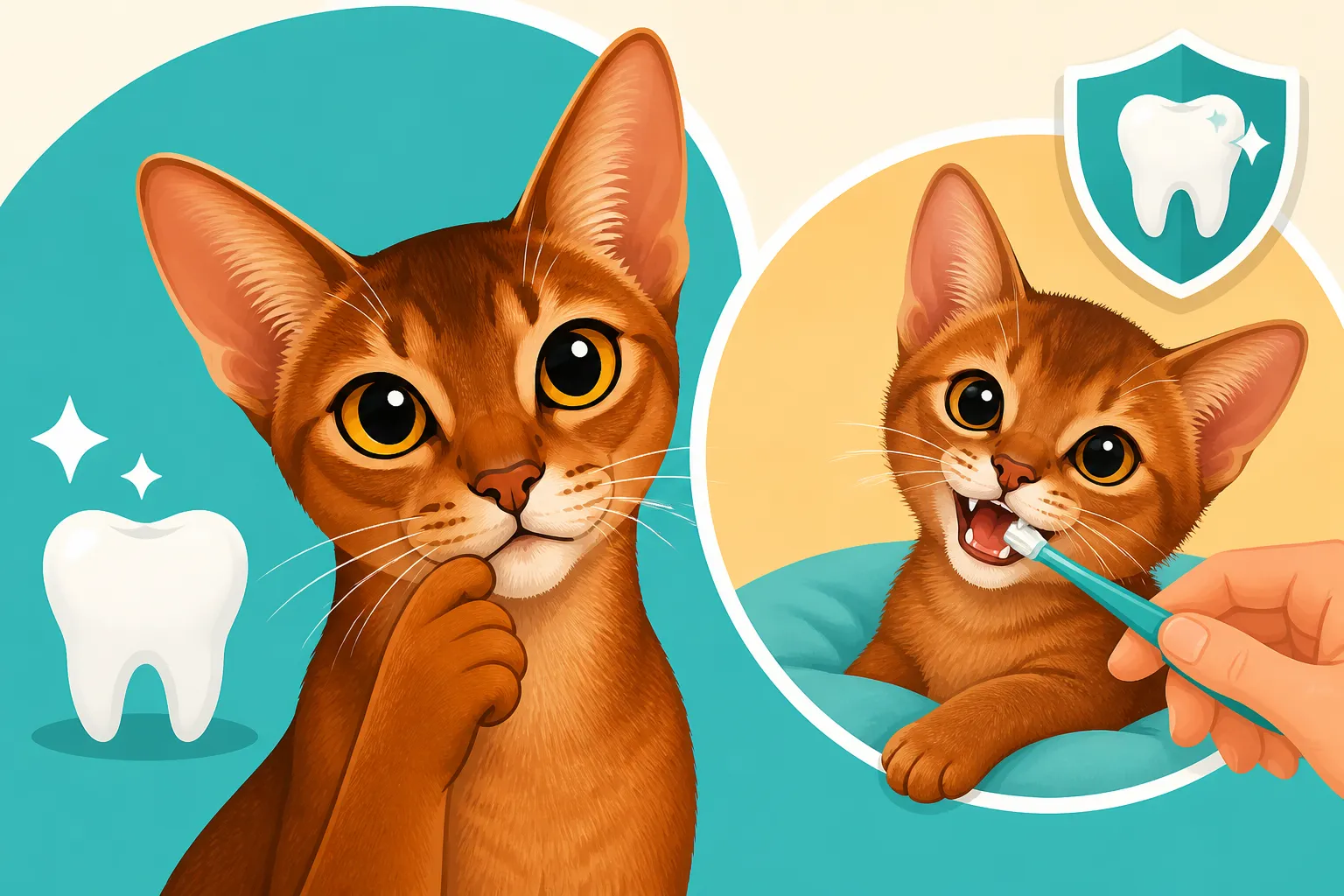
The key to successful home dental care in an Abyssinian begins the moment they arrive in your home as a kitten. You want to establish a routine that they associate with comfort and positive reinforcement, not fear or struggle. Start by simply touching their face and mouth gently for a few seconds each day, gradually increasing the duration. When an Abyssinian kitten's gums first go red, this foundational work becomes even more crucial. Offer a tasty treat or some praise immediately after. The goal isn't to brush their teeth right away, but to make them comfortable with having their mouth handled. As they get used to this, introduce a finger wrapped in a soft gauze pad with a tiny dab of cat-specific enzymatic toothpaste. Let them lick the toothpaste off your finger first – most cats love the poultry or seafood flavors. This gentle introduction, often around 8-10 weeks, helps cement the idea that mouth exploration leads to good things. Consistency is far more important than intensity at this stage. Think of it as a daily massage and a treat, building trust and acceptance for future brushing sessions. This early conditioning will pay dividends for the rest of their lives, making regular dental checks and cleanings significantly less stressful for both of you.
The Right Tools for Abyssinian Dental Care
Choosing the correct tools for your Abyssinian's dental routine can make a huge difference in compliance and effectiveness. Forget human toothbrushes; they're too big and abrasive for a cat's delicate gums. What you need is cat-specific equipment.
- Toothpaste: This is non-negotiable. Always use enzymatic toothpaste formulated specifically for cats. Human toothpaste contains fluoride and other ingredients that are toxic if swallowed, and cats will swallow it. Enzymatic toothpastes work by breaking down plaque even with minimal brushing, making them highly effective. Brands like C.E.T. or Virbac offer palatable flavors that most cats adore.
- Toothbrush: There are a few options. A small, soft-bristled toothbrush designed for cats is ideal, or a finger brush that slips over your finger can offer more control and a gentler feel for some cats. For kittens, a simple gauze pad or even a Q-tip can be a good starting point to introduce the sensation. Experiment to see which toothbrush suits an Abyssinian best.
- Dental Wipes: These can be a good interim solution or for cats who absolutely refuse brushing. While not as effective as brushing, they can help reduce bacteria and plaque on the tooth surface.
- Water Additives: Some veterinarians recommend water additives that help reduce plaque and freshen breath. These can be a supplementary tool, but they should never replace brushing.
- Dental Chews/Diets: Certain dental treats and prescription dental diets can also help. Look for products with the Veterinary Oral Health Council (VOHC) seal, which indicates they meet standards for plaque and/or tartar control. However, remember that an Abyssinian’s fast eating habits might reduce the efficacy of some chews.
| Tool Type | Description | Ideal For |
|---|---|---|
| Enzymatic Toothpaste | Cat-safe, flavored paste with enzymes that break down plaque. | Essential for all Abyssinian dental care. |
| Cat Toothbrush | Small, soft-bristled brush or finger brush. | Daily brushing, reaching all tooth surfaces. |
| Dental Wipes | Textured pads soaked in cleaning solution. | Cats resistant to brushing, quick touch-ups, travel. |
| Water Additives | Liquids added to drinking water to reduce bacteria. | Supplementary, for general oral hygiene. |
| VOHC-Approved Chews/Diets | Scientifically proven to reduce plaque or tartar. | Augmenting brushing, but effectiveness can vary based on cat's chewing style. |
Always store your dental tools in an easily accessible spot, so they become part of your daily rhythm, just like feeding your Abyssinian.
Establishing a Consistent Home Dental Routine
Once your Abyssinian is comfortable with mouth handling and you have the right tools, it’s time to implement a regular, effective brushing routine. Consistency is the name of the game here, not perfection. Even a few times a week is better than nothing, but daily is truly ideal for managing their unique dental needs.
Step-by-Step Brushing Techniques
Brushing an Abyssinian's teeth might sound daunting, but breaking it down into small, manageable steps can make it much easier.
- Preparation is Key: Gather your toothpaste and brush. Find a calm, quiet time when your Abyssinian is relaxed, perhaps after a play session or before a meal. A good time to think about this is after you’ve had a conversation with your vet about how to brush an Abyssinian's teeth from day one. You might even find it helpful to sit on the floor with your cat facing away from you, resting against your chest, or on a counter if they are accustomed to it.
- Apply Toothpaste: Squeeze a pea-sized amount of cat toothpaste onto the brush. Let your Abyssinian sniff and even lick a tiny bit if they’re eager – this reinforces the positive association.
- Gentle Approach: Gently lift your cat’s lip to expose the outer surfaces of their teeth and gums. Start with the canine teeth (the pointy ones) and the large molars at the back, as these are where plaque tends to accumulate most.
- Brush in Small Circles: Use small, gentle circular motions, focusing on the gum line. You don't need to scrub hard; the enzymes in the toothpaste do a lot of the work. Aim for about 30 seconds per side, if your cat allows. Don't worry about brushing the inner surfaces of the teeth too much, as their tongue usually keeps these relatively clean.
- Positive Reinforcement: Keep sessions short and positive. Praise your Abyssinian throughout and reward them immediately afterward with a favorite treat, a bit of wet food, or some playtime. End on a good note, even if you only manage a few teeth. The goal is to make this a pleasant experience, not a battle. If your cat is really struggling, consult your vet for tips or consider a professional dental cleaning under anesthesia as a fresh start, especially if they have signs of How Juvenile Gingivitis Starts in an Abyssinian Kitten.
Remember, it’s okay if you can’t get to every tooth every day. Consistency is what matters most. A few times a week is a great goal, and even two or three times a week is significantly better than nothing.
Complementary Dental Care Strategies
While brushing is the gold standard, there are other strategies you can employ to support your Abyssinian’s oral health. These are complements, not replacements, for regular brushing.
- Dietary Choices: Consider incorporating high-quality wet food into your Abyssinian's diet. The increased moisture content can help with overall hydration, which is beneficial for kidney health, and less dry kibble means less potential for tiny food particles to get lodged. If using kibble, look for VOHC-approved dental diets specifically designed to reduce plaque and tartar, such as those from Hills Prescription Diet t/d or Royal Canin Dental. These kibbles are usually larger and designed to encourage chewing, providing a mild abrasive action on the tooth surface.
- Enrichment Toys: While not all dental toys work for every Abyssinian, offering durable, cat-safe chew toys can sometimes help. Look for toys made from tough rubber or silicone that your cat can gnaw on. However, always supervise to ensure they don't chew off and swallow pieces.
- Regular Oral Checks at Home: Make it a habit to routinely check your Abyssinian’s mouth. This can be part of your daily snuggle time. Gently lift their lips and look at their gums and teeth. What are you looking for? Redness, swelling, bleeding gums, visible tartar buildup (brownish-yellow deposits, especially on the back teeth), broken or loose teeth, or unusually bad breath. Pay particular attention to why an Abyssinian's gums overgrow its teeth, as this can be a specific issue for the breed. Catching these signs early means you can address them with your vet before they become major problems.
- Consider Pet Insurance: Given the Abyssinian's propensity for dental issues, investing in pet insurance like Healthy Paws can be a smart move. Dental procedures, especially gingivectomies or extractions, can be incredibly expensive. Having a policy in place can help alleviate the financial stress if your Abyssinian needs extensive dental work down the line. It's not a solution for prevention, but a crucial safety net.
By combining consistent brushing with these complementary strategies, you’re creating a comprehensive oral health plan that addresses the specific needs of your Abyssinian.
When Home Care Isn't Enough: Professional Intervention
No matter how diligent you are with home dental care, there will inevitably be times when your Abyssinian needs professional intervention. Regular veterinary check-ups are paramount, not just for general health, but specifically for monitoring their oral health and addressing issues that home care simply can’t tackle.
Recognizing Signs of Trouble
Even with the most dedicated home routine, Abyssinians can still develop dental problems. Their genetic predisposition means sometimes, despite our best efforts, issues arise. It's crucial to be vigilant and recognize the signs that indicate a trip to the vet is in order.
- Persistent Bad Breath (Halitosis): While no cat's breath smells like roses, unusually strong or foul breath is a major red flag for dental disease or other health issues.
- Red, Swollen, or Bleeding Gums: These are classic signs of gingivitis. If you notice your Abyssinian’s gums look inflamed or bleed when you try to brush, it’s time to see the vet. Remember, When an Abyssinian Kitten's Gums First Go Red can be a very early warning sign.
- Difficulty Eating or Dropping Food: If your usually enthusiastic eater suddenly seems hesitant to crunch kibble, prefers wet food, or drops food from their mouth, they might be experiencing oral pain. They might also begin chewing on one side of their mouth to avoid discomfort.
- Excessive Drooling: More drooling than usual can indicate pain or discomfort in the mouth.
- Pawing at the Mouth or Face: This is a clear indicator that something is bothering them.
- Weight Loss: Chronic dental pain can lead to a reduced appetite and subsequent weight loss.
- Changes in Behavior: A typically playful Abyssinian might become more withdrawn, less energetic, or irritable if they are in pain. Since they are so good at hiding illness, any subtle shift in their vibrant personality should prompt investigation.
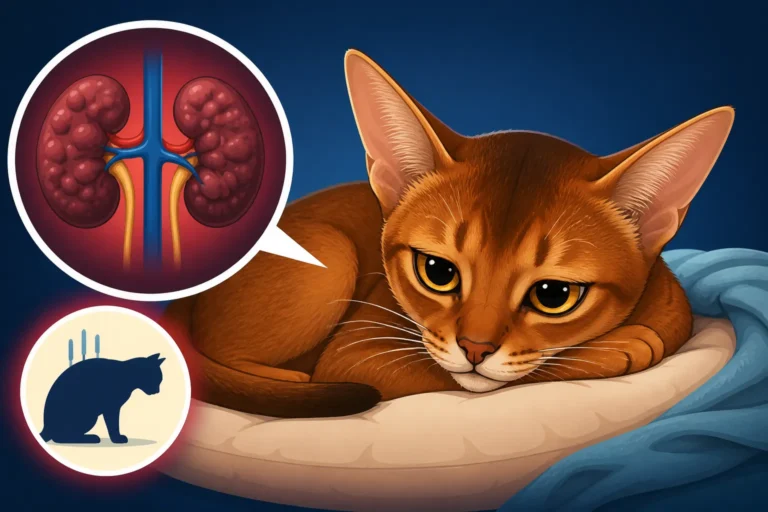
If you observe any of these signs, don't delay. Early detection and treatment can prevent the condition from worsening and becoming more invasive and costly. These signs often point to issues like What Renal Amyloidosis Deposits in an Abyssinian's Kidney, but oral health issues can also mimic or contribute to wider health problems.
The Importance of Regular Vet Check-ups
Your veterinarian is your most important partner in your Abyssinian's dental health journey. Regular check-ups are not just for vaccinations; they include a thorough oral examination.
During these visits, your vet can assess the overall condition of your Abyssinian's teeth and gums. They can spot subtle signs of gingivitis, tartar buildup, or other issues that you might miss at home. If they find significant plaque or tartar, or signs of more advanced periodontal disease, they will likely recommend a professional dental cleaning. This procedure, performed under general anesthesia, allows the vet to thoroughly clean above and below the gum line, polish the teeth, and conduct a full oral exam, including X-rays to check for problems under the gum line that aren't visible to the naked eye. This is also where they can address conditions like How a Vet Removes an Abyssinian's Excess Gum through a gingivectomy if needed.
It's vital to have an open discussion with your vet about the frequency of these professional cleanings. Some Abyssinians, due to their unique predisposition, may need them more often than other breeds. While the cost of an Abyssinian dental cleaning can be significant, especially if extractions are required, it's an investment in your cat's long-term health and comfort. This is where pet insurance, like a comprehensive policy from Healthy Paws, can really provide peace of mind. Many owners find that Why Abyssinian Dental Work Is the Biggest Line in the Budget for annual care, so preparing for this expense is crucial.
Catching problems early through consistent home care and regular professional check-ups is the best way to prevent your Abyssinian from experiencing painful tooth loss and enduring more complex, expensive treatments in the future. It allows your beloved companion to enjoy their food, play, and vibrant life to the fullest, free from the silent burden of dental pain.
Disclaimer
As a friendly lifestyle blogger, I want to make it clear that while I offer a lot of information and advice, I am not a veterinarian. The content in this article is for informational purposes only and is not intended to be a substitute for professional veterinary advice, diagnosis, or treatment. Always seek the advice of your veterinarian or other qualified health provider with any questions you may have regarding a medical condition for your pet. Never disregard professional veterinary advice or delay in seeking it because of something you have read here.