Why an Ophthalmologist Sees an Abyssinian’s Retina Change Early
It's absolutely heartbreaking to even imagine your active, curious Abyssinian starting to struggle with their vision. The thought of them bumping into furniture or losing their playful edge because they can't see properly is a worry many Abyssinian parents face. This guide is here to shed light on why a veterinary ophthalmologist can often detect subtle retinal changes in your Abyssinian much earlier than a general practitioner, giving you crucial time to understand and manage this challenging condition.
Understanding Progressive Retinal Atrophy in Abyssinians
Progressive Retinal Atrophy, often referred to as PRA-rdAc in Abyssinians, is a hereditary condition that gradually destroys the cells in your cat's retina. It’s a silent thief of sight, often starting subtly and progressing over time. Abyssinians, unfortunately, are genetically predisposed to this particular form of PRA, linked to a mutation in the CEP290 gene. This genetic predisposition means that if your Abyssinian inherits the affected gene from both parents, they are destined to develop the condition.
The retina, a thin layer of tissue at the back of the eye, contains specialized cells called photoreceptors—rods and cones. Rods are responsible for vision in low light (night vision), while cones handle bright light and color perception. In PRA-rdAc, the rod cells are typically affected first, meaning your Abyssinian might initially struggle with their vision in dim light, which can be incredibly hard to spot in a cat that's otherwise full of beans. As the disease progresses, the cone cells also begin to degenerate, leading to complete blindness. This slow, relentless progression is precisely why early detection, especially by a specialist, is so vital. It’s a journey no one wants for their beloved companion, but understanding the roadmap helps us navigate it better. You can learn more about how PRA-rdAc Takes an Abyssinian's Sight by Five.
The Unique Tools and Expertise of a Veterinary Ophthalmologist
When it comes to something as delicate and complex as the eye, general veterinarians, while incredibly skilled, simply don't have the same depth of knowledge, specialized training, or equipment as a board-certified veterinary ophthalmologist. Think of it like seeing your family doctor for a headache versus seeing a neurologist for a complex brain condition. Both are doctors, but their areas of expertise are vastly different. An ophthalmologist has undergone years of additional rigorous training focusing exclusively on the eyes and their diseases, allowing them to spot changes that would be invisible to the untrained eye or a less specialized instrument.
They use sophisticated diagnostic tools specifically designed for ophthalmic examinations, which are typically not found in a general practice clinic. This specialized arsenal allows them to delve deep into the structure and function of the retina, often detecting abnormalities long before your Abyssinian even starts showing obvious signs of vision loss. This proactive approach is key, particularly for a breed known for its stoic nature and ability to mask illness. Pet insurance providers like Healthy Paws can often help cover the costs associated with these specialized diagnostics, which can be a significant relief when facing such tests.
Beyond the Basic Eye Exam
A routine vet visit might include a quick look at your cat's eyes, checking for obvious redness, discharge, or signs of discomfort. However, an ophthalmologist’s examination goes far, far deeper. They're not just looking at the eye; they're looking into it, with incredible precision.
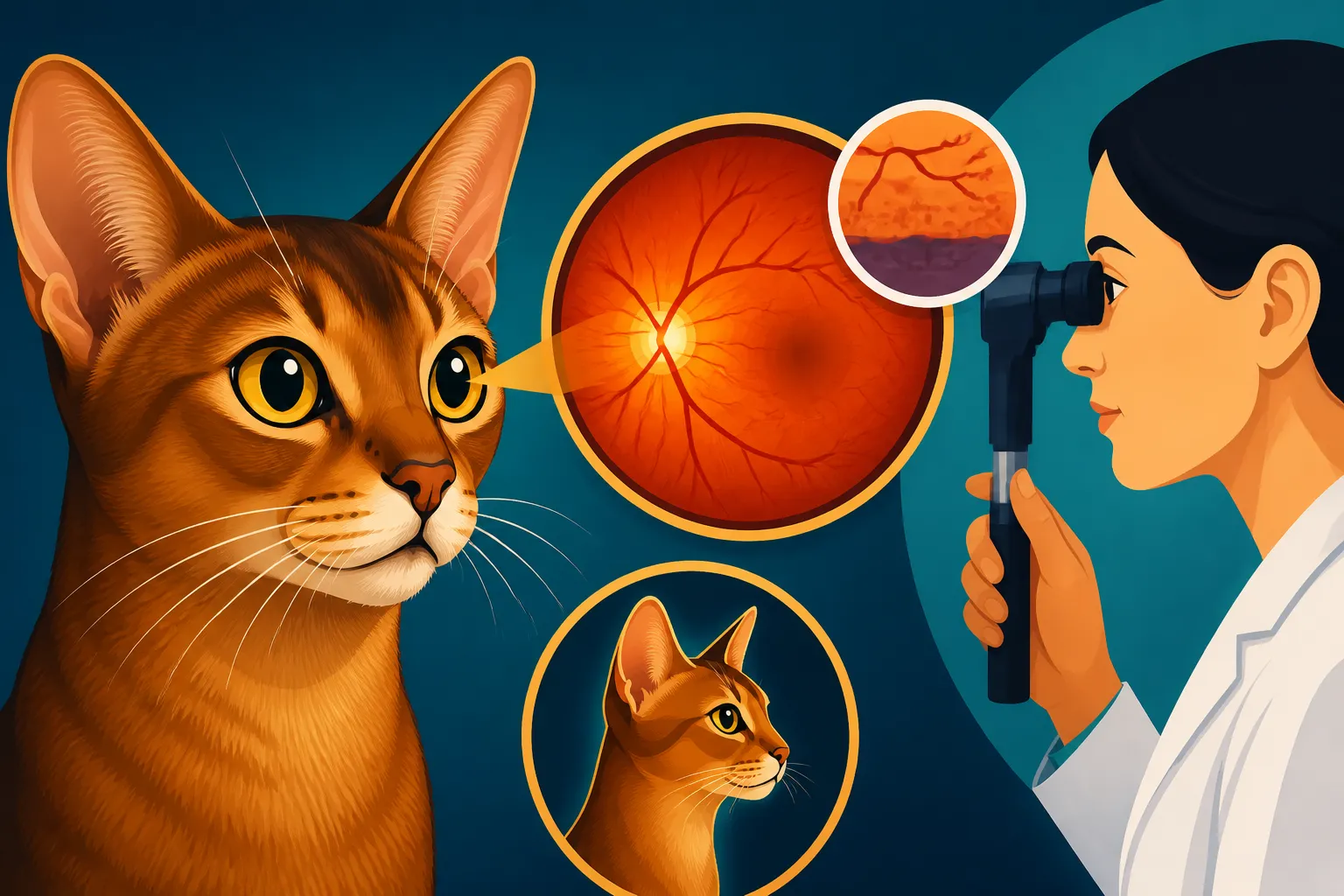
During an ophthalmic consultation, the specialist will often begin with a thorough history, asking about any subtle behavioral changes you might have noticed, even those you initially dismissed. Then, they'll employ a range of techniques. Direct and indirect ophthalmoscopy are essential. These involve using specialized lenses and light sources to magnify and illuminate the structures at the back of the eye, including the retina and optic nerve. An indirect ophthalmoscope, for example, allows for a much wider field of view of the retina than a direct one, giving the specialist a more comprehensive picture. They can clearly see the tapetum lucidum (the reflective layer behind the retina), the retinal blood vessels, and the optic disc, looking for any changes in reflectivity, thinning, or pallor.
However, the real game-changer for early detection of conditions like PRA-rdAc is often electroretinography, or ERG. This advanced diagnostic test measures the electrical responses of the retina’s photoreceptor cells to light stimuli. Imagine it as an ECG for the eye – it records how well the rods and cones are functioning. The incredible thing about ERG is that it can detect retinal dysfunction even before there are any visible structural changes that can be seen with an ophthalmoscope. This means an ophthalmologist can tell if the retinal cells are starting to die or work improperly at a microscopic, functional level, sometimes years before your Abyssinian would start bumping into things. For a general vet, without an ERG machine and the expertise to interpret its complex waveforms, this level of early detection simply isn't possible. This is also How a Vet Confirms Retinal Atrophy in an Abyssinian.
Why a General Vet Might Miss Early Signs
It's not a fault of your general veterinarian; they are simply not equipped or trained for the extremely nuanced detection required for conditions like PRA-rdAc in its nascent stages. The early changes in an Abyssinian's retina are often incredibly subtle—microscopic, even. The retina might show slight thinning, or the tapetal layer (the reflective layer at the back of the eye) might become slightly more reflective (hyperreflective) as the retinal cells above it thin. The blood vessels supplying the retina might also begin to attenuate, or narrow, but these are not glaring signs that jump out during a standard wellness check.
A general practitioner's equipment, while perfectly adequate for routine exams and common eye issues like conjunctivitis, lacks the high magnification and specific light sources needed to visualize these minute retinal details. Their primary focus is on overall health, vaccinations, and general illness, which means they're looking for different indicators. They’re skilled diagnosticians, but the specialized field of ophthalmology requires tools and knowledge specifically honed for the complexities of the eye. This is why if you have any concern about your Abyssinian's vision, especially if they come from lines with a known history of eye issues, a referral to a veterinary ophthalmologist is always the best course of action. They have the critical expertise to catch these issues when they are still just whispers of a problem, not shouting loudly with obvious symptoms.
What Early Retinal Changes Look Like in an Abyssinian
From an owner's perspective, early retinal changes in an Abyssinian are incredibly difficult to spot. Abyssinians are notoriously agile and intelligent, adapting quickly to subtle vision loss. You might notice them hesitating momentarily in low-light conditions, perhaps a slight change in their enthusiastic pursuit of a toy at dusk. They might start What an Abyssinian Does First as Its Sight Goes is often a minor change in their confidence navigating familiar spaces in dim light. Some owners report their cat's pupils appearing larger, or that their eyes seem to shine brighter in photos, which can be an early indicator of How an Abyssinian's Pupils Change With rdAc. But these are often so fleeting or easily explained away that they go unnoticed until the disease is much more advanced.
An ophthalmologist, however, armed with their specialized tools and training, sees a different picture. They observe specific, clinical signs that confirm the early stages of retinal degeneration. These changes occur structurally within the retina itself, long before your Abyssinian starts Why an Abyssinian Bumps Furniture Before Anyone Notices.
Here’s a look at what an ophthalmologist might observe compared to what an owner might (or might not) notice:
| Observation Area | Owner's Perspective (Early Stage) | Ophthalmologist's Perspective (Clinical Early Stage) |
|---|---|---|
| Night Vision | Slight hesitation in dim light, sometimes attributed to old age or distraction. May avoid dark rooms. | Reduced ERG amplitudes for rod cells, indicating functional loss before visible damage. |
| Pupil Appearance | Pupils might seem slightly larger, especially in moderate light, but often dismissed. | Slower pupillary light reflexes (PLR). Fixed or dilated pupils in later stages. |
| Eye Shine/Tapetum | Might notice eyes seem "shinier" in photos or certain light, but unclear why. | Tapetal hyperreflectivity: The tapetum reflects more light due to retinal thinning above it. |
| Retinal Vessels | No visible change to the owner. | Vascular attenuation: Retinal blood vessels appear thinner and more sparse. |
| Overall Behavior | Perhaps a slight decrease in enthusiasm for certain games, but still very active. May seem "clumsy" sometimes. | No direct behavioral observation, but correlated with ERG and retinal findings. |
| Navigating Environment | No noticeable difficulty in familiar environments during daylight. | No direct observation, but anticipated future difficulty based on retinal damage. |
This table highlights the significant gap between what a loving owner can perceive and what a trained specialist can identify. It's why regular veterinary check-ups that include an eye exam by a specialist are so invaluable for Abyssinian owners, especially when considering the breed's genetic predispositions.
The Microscopic Clues: What the Eye Says
An ophthalmologist is trained to look for specific "microscopic" clues that herald the onset of retinal atrophy. These aren't things you'd pick up with your phone flashlight; they require specialized optics and a deep understanding of ocular anatomy and pathology.
One of the most telling early signs is tapetal hyperreflectivity. The tapetum lucidum is that iridescent layer behind the retina that gives cats their incredible night vision and makes their eyes "glow" in the dark. As the photoreceptor cells in the retina (which sit on the tapetum) begin to degenerate and thin due to PRA-rdAc, the tapetum becomes more exposed and thus reflects more light back. This increased reflectivity is a strong indicator of retinal atrophy, even when the cat’s vision might still seem relatively normal to you. It's like seeing the floorboards through a thinning carpet.
Another crucial sign is vascular attenuation. The retina is supplied by a network of tiny blood vessels. As the retinal tissue atrophies, these vessels no longer need to supply as much oxygen and nutrients, so they begin to narrow and appear more constricted. An ophthalmologist will carefully examine the pattern and caliber of these vessels, noting any areas where they seem thinner or have disappeared altogether. This vascular change is a direct consequence of the metabolic demands of the degenerating retina lessening. In later stages, optic nerve atrophy can also occur, where the nerve that transmits visual information from the eye to the brain begins to shrink due to the lack of input from the degenerating retina. These are clear, definitive markers that only a specialist's eye can truly discern in their early, critical phases.
Behavioral Indicators Versus Clinical Evidence
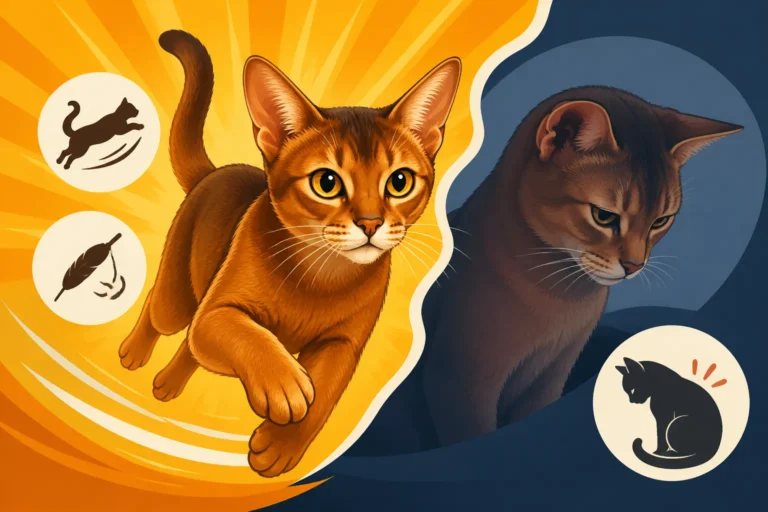
As Abyssinian owners, we become finely attuned to our cats' quirks and routines. When they start losing their sight, the behavioral indicators are often the first, albeit subtle, clues we get. Your Abyssinian might become less keen on playing in dimly lit rooms, or perhaps they'll take a slightly wider berth around furniture at night. You might even notice they're a little more hesitant when jumping from heights they once scaled with boundless confidence. These are all valid observations and often point to something amiss.
However, these behavioral changes usually signify that the vision loss has progressed to a point where it's impacting their daily life. The tricky part is that cats are masters of compensation. A cat experiencing early night blindness might simply avoid dark areas, making you think nothing is wrong. They use their other highly developed senses—hearing, smell, and even their whiskers—to navigate. This incredible adaptability means there's often a significant disconnect between what an owner notices behaviorally and the actual extent of the retinal degeneration that an ophthalmologist can observe clinically.
While you might be thinking, "My Abyssinian is still chasing toys and climbing, so their eyes must be fine," the clinical evidence from an ophthalmologist using tools like ERG could be telling a very different story. The functional decline of the retina can precede noticeable behavioral symptoms by a considerable margin. This is precisely why relying solely on behavioral cues for a condition like PRA-rdAc can lead to a delayed diagnosis. While there is currently no cure for PRA-rdAc, early diagnosis is invaluable for breeders to make informed decisions and for owners to plan for their cat's future. Whether anything slows retinal atrophy in an Abyssinian is a common question, and unfortunately, the answer is largely no, but knowing early allows for better management.
The Crucial Role of Early Diagnosis and Management
Getting an early diagnosis for PRA-rdAc in your Abyssinian, even if it feels daunting, empowers you. While it won't prevent the progression of the disease, it gives you a significant advantage in several ways. Firstly, it allows you to confirm the diagnosis through a DNA test, which is invaluable for understanding your cat's genetic makeup and future. Secondly, for breeders, it's absolutely critical for making responsible breeding decisions, preventing further spread of this devastating condition. Finally, for owners, it means you can proactively manage your Abyssinian’s environment and quality of life as their vision changes.
Think of it this way: knowing that your cat's sight will eventually decline gives you time to prepare. You can start making adjustments around the house, like keeping furniture in consistent locations, providing safe, consistent climbing routes, and introducing textures that help them navigate. This foresight can significantly reduce stress for both you and your cat. Furthermore, understanding the prognosis allows you to discuss long-term care plans with your vet, including monitoring for secondary issues and maintaining your cat's overall health. Investing in pet insurance like Healthy Paws can also be a smart move, as the diagnostic tests and ongoing vet care for any associated issues can add up over time.
The Importance of the DNA Test
The genetic DNA test for PRA-rdAc is a straightforward cheek swab that breeders should be performing on all breeding cats. It identifies whether an Abyssinian is clear, a carrier, or affected by the CEP290 mutation responsible for the condition. For pet owners, getting this test done, especially if your cat's history is unknown, offers definitive answers. A clear result means your cat does not carry the gene and cannot develop or pass on PRA-rdAc. A carrier result means they carry one copy of the gene but will not develop the disease themselves, though they could pass it on if bred with another carrier or affected cat. An affected result means they have two copies of the gene and will develop PRA-rdAc.
Knowing your cat's genetic status is incredibly powerful. For breeders, it means making informed decisions to ensure Why Two Clear Abyssinian Parents End the Problem of this genetic disease in their lines. For pet owners, while a diagnosis of "affected" is devastating, it confirms the clinical findings of an ophthalmologist and gives you certainty. It also helps to understand the progression of the disease and prepare for the necessary environmental adjustments. You can find more information about The Abyssinian Has Three DNA Tests and One Disease With None.
Living with a Visually Impaired Abyssinian
One of the most amazing things about Abyssinians is their resilience and adaptability. Even as their sight diminishes or they become completely blind, their other senses and incredible intellect allow them to map their environment and navigate with surprising grace. You might be worried your cat won't be able to enjoy their favorite climbing spots anymore, but the truth is, Why a Blind Abyssinian Still Climbs is a testament to their spirit and spatial memory. They remember the layout, the feel of the surfaces, and will often continue to explore their vertical world, albeit with more caution.
Creating a safe and enriching environment is paramount. This means keeping furniture and key items like litter boxes, food, and water bowls in consistent locations. Avoid sudden rearrangements. Provide distinct textures on the floor leading to important areas. Continue to play with your Abyssinian using toys that make noise, activating their excellent hearing. Talk to them often so they know where you are. Their world becomes a sensory map, and consistency is key to their confidence and happiness. While a diagnosis of PRA-rdAc is difficult, it's not a death sentence for your Abyssinian's quality of life; it's an opportunity to adapt and cherish your special companion even more deeply. Knowing early allows you to make these thoughtful changes gradually, helping your Abyssinian adjust at their own pace.
Disclaimer
This article is intended for informational purposes only and does not constitute veterinary medical advice. Always consult with a qualified veterinarian or a board-certified veterinary ophthalmologist for any health concerns or before making any decisions about your pet's care.