How an Abyssinian’s Pupils Change With rdAc
Noticing subtle changes in your beloved Abyssinian’s eyes can be unsettling, especially when you know the breed is prone to certain genetic conditions. One of the most heartbreaking is progressive retinal atrophy, specifically the rdAc form, which slowly steals your cat's sight. This guide will walk you through the distinct ways an Abyssinian's pupils change as rdAc progresses, helping you understand what to look for and how to provide the best care for your feline companion.
Understanding Progressive Retinal Atrophy (rdAc) in Abyssinians
Progressive retinal atrophy, or PRA, is a general term for a group of genetic diseases that cause the degeneration of the retina, the light-sensitive tissue at the back of the eye. In Abyssinians, the most common form is rod-cone degeneration (rdAc), linked to a specific mutation in the CEP290 gene. This condition is insidious because it often begins subtly, making early detection a challenge for even the most observant owner. The key is to understand that rdAc is a journey, not a sudden event, and the changes in your cat's pupils are a direct reflection of this ongoing process.
What is rdAc and How Does It Progress?
The rdAc mutation primarily affects the photoreceptor cells in the retina—first the rods, which are responsible for vision in low light, and then the cones, which handle bright light and color perception. This means that the earliest signs of the disease often manifest as a decrease in night vision. Imagine trying to navigate your home in the dark when you once could see everything clearly; that's what your Abyssinian experiences first. Over time, the damage spreads to the cone cells, leading to full blindness. The progression isn't uniform for every cat, but it typically becomes noticeable as early as one or two years of age, often leading to significant vision loss by around three to five years. It's truly devastating to witness, as their once bright, alert eyes slowly lose their function. This gradual decline is why understanding how How PRA-rdAc Blinds an Abyssinian Slowly is so crucial.
Early Signs Beyond the Pupils
Before you even notice specific pupil changes, your Abyssinian might start exhibiting other behaviors that hint at deteriorating vision. They might become more hesitant in dimly lit rooms, bumping into furniture they once effortlessly navigated. Perhaps they're missing jumps they used to make with incredible precision, or they seem more disoriented in unfamiliar environments. You might notice them clinging more closely to you, especially at night, or becoming generally more cautious. Sometimes, owners describe their cats becoming jumpier when startled, as they can't rely on their sight to anticipate movement. If you're seeing these signs, it's worth considering a vet visit, even if the eyes themselves seem normal. Sometimes, What an Abyssinian Does First as Its Sight Goes can be subtle clues in their behavior before any physical changes are apparent.
The Specific Pupil Changes in rdAc
The pupils of an Abyssinian with rdAc undergo a series of transformations as the disease progresses. These changes are not just cosmetic; they are direct indicators of the retina's failing ability to process light and the brain's attempts to compensate. Recognizing these specific shifts can help you understand what's happening internally and guide your discussions with your veterinarian.
Why Pupils Dilate in Early Stages
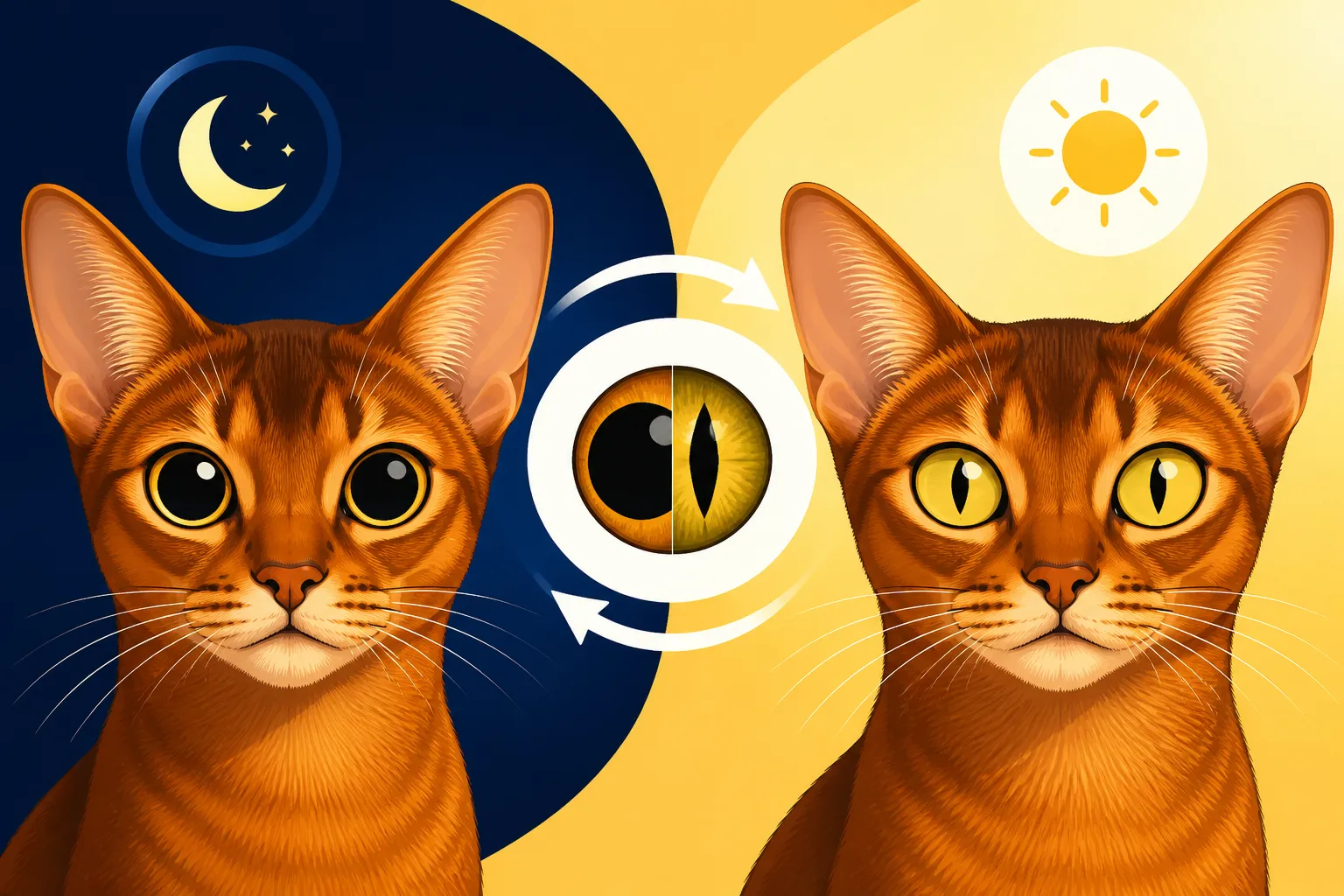
In the very early stages of rdAc, as the rod cells begin to falter and night vision diminishes, your Abyssinian's pupils might start to appear slightly more dilated than usual, particularly in dim light or at night. This isn't just a coincidence; it's a compensatory mechanism. When the eyes struggle to capture enough light due to degenerating photoreceptors, the brain instinctively tells the pupils to open wider. This maximal dilation allows more ambient light to enter the eye, in a desperate attempt to stimulate the remaining healthy cells and improve visibility. It's like opening the aperture of a camera lens as wide as it will go in a dark room. Owners often first notice this as their cat's eyes looking "extra shiny" or having an increased "eye glow" when light catches them, especially at night. This increased reflection is due to the tapetum lucidum, a reflective layer behind the retina, becoming more exposed as the pupils dilate.
Progressive Dilation and Reduced Responsiveness to Light
As rdAc advances and more photoreceptor cells are lost, the pupils will become increasingly dilated, often remaining wide even in moderately lit environments. What's even more telling is their reduced responsiveness to changes in light. A healthy cat's pupils will quickly constrict when exposed to a bright light source (like a penlight). However, an Abyssinian with progressive rdAc will show a sluggish, incomplete, or even absent pupillary light reflex. The pupil might constrict only minimally or not at all, indicating that the retina is no longer sending strong enough signals to the brain to trigger a normal response. This progressive, fixed dilation is a clear sign of significant retinal damage. It’s a sad visual cue that their world is becoming darker and less defined.
The 'Tapetum Lucidum' and Eye Shine
One of the most striking visual changes, often noticed by owners long before complete blindness, is the intensified eye shine, especially at night or when light reflects off their eyes. This isn't just normal cat eye reflection; it's a hyper-reflective quality. Cats, like many nocturnal animals, have a tapetum lucidum, a layer of tissue in the eye that reflects visible light back through the retina, enhancing vision in low light. In a healthy cat, this reflection is present but not overly dramatic. However, as the retina thins and degenerates due to rdAc, the tapetum lucidum becomes more exposed and visible. Without the overlying retinal layers to absorb light effectively, the light passes through to the tapetum and reflects back with greater intensity. This can make your Abyssinian’s eyes appear to glow more brightly or intensely, often with a greenish or yellowish tint, when caught in a beam of light. It's a key physical indicator that the retinal structure is changing.
Differentiating rdAc Pupil Changes from Other Conditions
It's vital to remember that while dilated pupils and enhanced eye shine can point to rdAc, they aren't exclusively indicative of this condition. Many other factors can cause similar symptoms, from stress to other medical emergencies. This is why self-diagnosis is never sufficient, and a professional veterinary assessment is absolutely critical.
When Pupil Changes Aren't rdAc
Sometimes, dilated pupils might be a temporary response to stress, fear, or excitement. If your Abyssinian has just been through a scary experience, their pupils might be wide. Certain medications can also affect pupil size. More seriously, sudden, complete blindness can occur due to conditions like acute glaucoma, retinal detachment from high blood pressure, or optic nerve damage. In these cases, the onset of vision loss is rapid, often within hours or days, which differs from the typically slower progression of rdAc. If you notice a sudden change, especially coupled with pain (squinting, pawing at the eye), it's an emergency. Other causes of vision impairment include cataracts (though rare in Abyssinians), trauma, or even neurological issues. Each of these conditions requires a very different approach to diagnosis and treatment.
The Importance of Veterinary Diagnosis
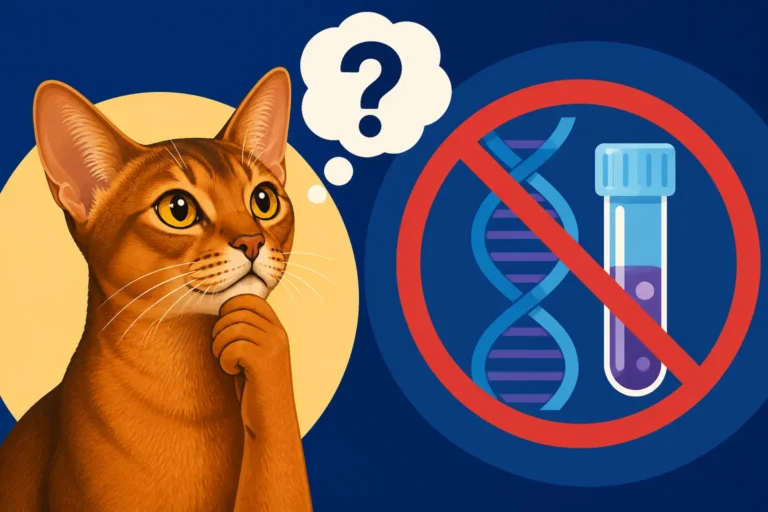
If you observe any of the pupil changes or behavioral cues mentioned, your first step should always be a visit to your trusted veterinarian. They can perform a general physical exam, assess overall health, and conduct an initial eye examination. However, for a definitive diagnosis of rdAc or to rule out other eye conditions, a referral to a veterinary ophthalmologist is highly recommended. These specialists have advanced equipment and expertise to examine the intricate structures of the eye. They can perform tests like an electroretinogram (ERG), which measures the electrical responses of the retina to light, providing a clear picture of its function. They can also use specialized ophthalmic lenses to examine the retina for signs of atrophy. Furthermore, genetic testing is available to confirm the presence of the CEP290 mutation. This simple cheek swab can definitively tell you if your cat carries the gene for rdAc. Knowing How the CEP290 Test Clears an Abyssinian is incredibly reassuring, and is essential for both diagnosis and responsible breeding practices.
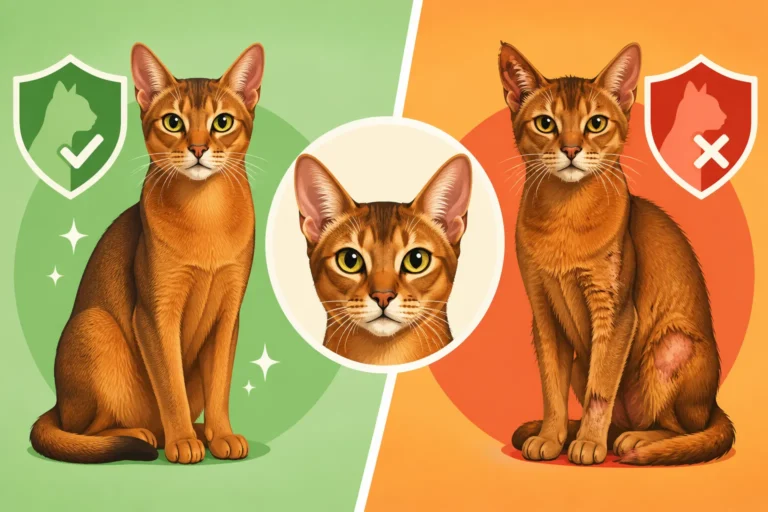
| Pupil Characteristic | Healthy Abyssinian | Early Stage rdAc Abyssinian | Advanced Stage rdAc Abyssinian |
|---|---|---|---|
| Size in Bright Light | Small, slit-like | Normal to slightly larger | Often moderately dilated |
| Size in Dim Light | Moderately dilated | Wider than normal | Significantly dilated, fixed |
| Responsiveness to Light | Rapid constriction | Slightly sluggish | Minimal to no constriction |
| Eye Shine (Tapetum) | Normal reflection | Increased reflection | Hyper-reflective, intense glow |
| Overall Appearance | Bright, alert | May appear "shinier" | Often wide-eyed, vacant look |
Living with an Abyssinian with rdAc and Supporting Vision
Receiving a diagnosis of rdAc for your beloved Abyssinian can be heartbreaking, but it's important to remember that a cat with vision loss can still lead a full and happy life with the right support. Your role shifts from preventing the inevitable to making their world as safe, predictable, and enriching as possible.
Environmental Adaptations for a Cat with Declining Sight
One of the most important things you can do for an Abyssinian losing its sight is to maintain consistency in their environment. Cats, even partially sighted ones, are creatures of habit and develop mental maps of their surroundings. Avoid moving furniture, food bowls, litter boxes, or favorite beds unnecessarily. If you must move something, do it gradually and guide your cat to the new location. Consider soft, audible markers around the house, like wind chimes near doors, or even lightly scented oils (cat-safe, of course) near their essential stations.
Creating safe climbing spaces is also crucial. Abyssinians are natural climbers, and even as their vision fades, this instinct remains. You might need to adjust their favorite cat trees by adding ramps or wider, more accessible steps, or cushioning potential fall zones. Why a Blind Abyssinian Still Climbs is because it's deeply ingrained in their nature, so supporting this behavior safely is better than trying to stop it. Ensure pathways are clear of clutter, and consider gating off stairs if your cat struggles with them. At night, a few low-level nightlights can make a huge difference in helping them navigate. Remember, their other senses, particularly hearing and smell, become incredibly heightened to compensate.
When to Consider Genetic Testing for Prevention
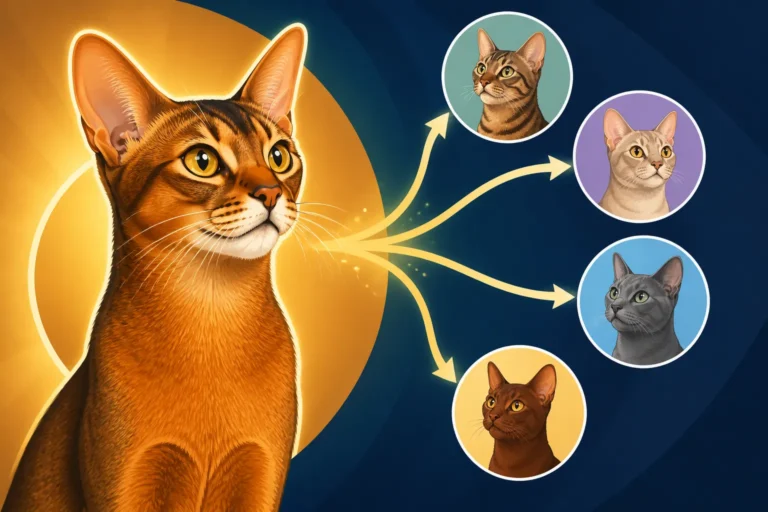
For current owners, genetic testing helps confirm a diagnosis. For prospective owners and breeders, it's a powerful tool for prevention. Responsible breeders will always screen their breeding stock for rdAc, along with other common Abyssinian health concerns like Pyruvate Kinase Deficiency. Knowing the genetic status of parents allows breeders to make informed decisions to avoid producing affected kittens. If you are considering bringing an Abyssinian into your home, always ask the breeder for proof of genetic testing for both parents. This information is vital for ensuring the long-term health of the breed and for giving you peace of mind. Many registries and ethical breeding organizations support and encourage these health panels. Understanding Which Four Diseases the Abyssinian Actually Carries can help you make informed decisions when selecting a kitten. While nothing can slow or stop the progression of rdAc, genetic testing ensures it doesn't get passed on.
Living with a cat affected by rdAc does come with its unique challenges and costs, particularly for specialist veterinary care, potential long-term medication for secondary issues, and ongoing adaptations. This is where pet insurance can be an invaluable resource. Companies like Healthy Paws offer various plans that can help alleviate the financial burden of chronic conditions, allowing you to focus on your cat's quality of life. Be sure to research different policies and understand what they cover, especially regarding inherited conditions, before your cat shows symptoms. Investing in a good pet insurance plan early on can make a real difference in your ability to provide the comprehensive care your Abyssinian deserves throughout their life.
Disclaimer
This article is intended for informational purposes only and does not constitute professional veterinary advice. Always consult with a qualified veterinarian or a board-certified veterinary ophthalmologist for any health concerns or before making any decisions about your pet's health or treatment.