Why rdAc Spread Beyond the Abyssinian Breed
It's truly heartbreaking when a beloved breed, known for its vivacious personality and stunning looks, also carries the risk of a debilitating genetic disease. One such condition, Progressive Retinal Atrophy, or PRA-rdAc, started as a specific concern within the Abyssinian community, but over time, due to complex breeding histories and the nature of genetics, it has unfortunately made its way into other cherished feline breeds. This guide will walk you through how this happened and what it means for cat owners and breeders today.
Understanding PRA-rdAc's Roots in the Abyssinian Breed
When you fall in love with an Abyssinian, you're embracing a cat bursting with energy, intelligence, and an unparalleled zest for life. The thought of them facing a genetic condition that could rob them of their sight is, understandably, a deeply troubling prospect for any owner. This is precisely the concern surrounding Progressive Retinal Atrophy (PRA-rdAc).
The Silent Threat of Progressive Retinal Atrophy
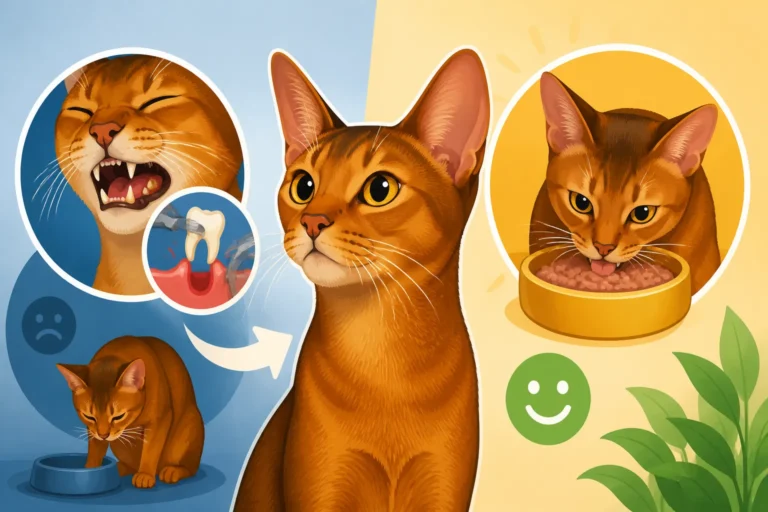
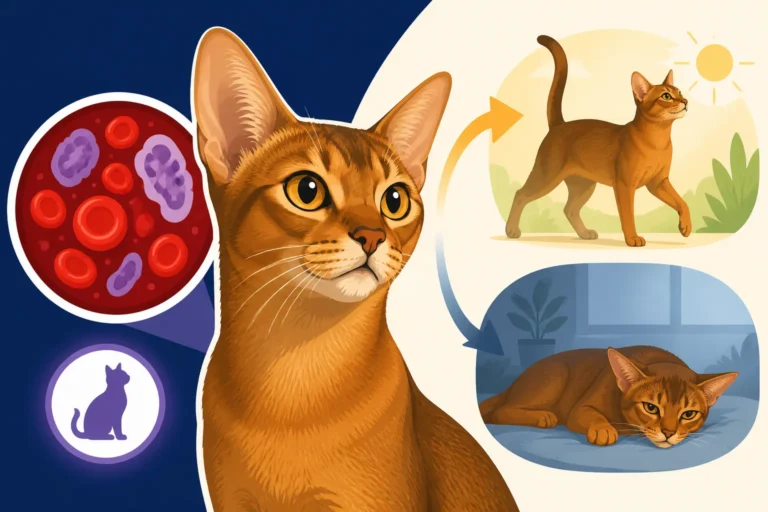
PRA-rdAc is a cruel condition because it targets the very cells responsible for sight: the photoreceptor cells in the retina. These cells, rods for low light vision and cones for bright light and color, begin to degenerate, slowly but surely. For an Abyssinian, this usually means that by the time they are around two to three years old, subtle signs of night blindness might start to appear. Then, tragically, by the age of five, many affected Abyssinians will have lost their sight completely. It's a progressive, irreversible process that can be incredibly distressing to witness. Imagine your playful, acrobatic cat, who thrives on exploring every inch of its vertical territory, slowly losing its ability to navigate its world. It's a stark reminder of the vulnerability even our most energetic companions can face. We've talked before about PRA-rdAc Takes an Abyssinian's Sight by Five and how devastating this can be.
The problem, in its early days, was that diagnosing this condition was incredibly difficult. Unless you had a specialized veterinary ophthalmologist who could detect subtle retinal changes, the first clear sign often came when your Abyssinian started bumping into furniture or seemed hesitant in dimly lit rooms. By then, the disease was already well underway, leaving owners feeling helpless and frustrated.
The Genetic Basis and Early Identification
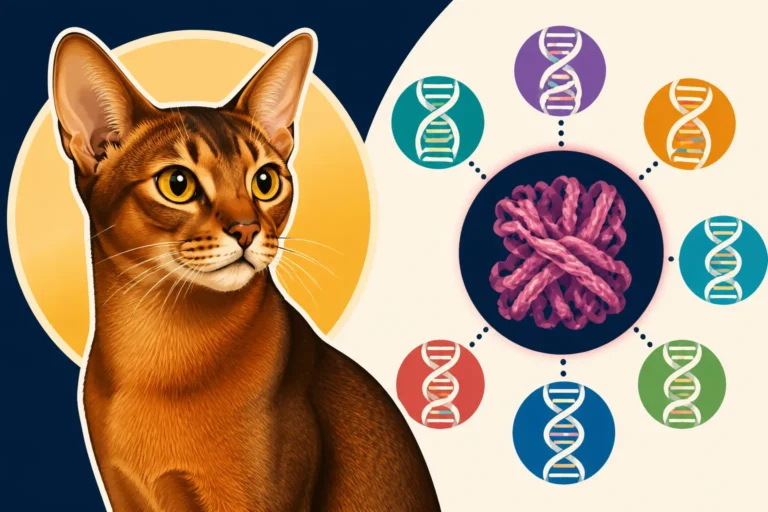
The science behind PRA-rdAc lies in a specific mutation within the CEP290 gene. This isn't just a random problem; it's an autosomal recessive genetic trait. What does that mean for us, the cat parents and enthusiasts? It means a kitten needs to inherit two copies of the faulty gene – one from each parent – to actually develop the disease. If a cat only inherits one copy, they become a "carrier." A carrier cat will never show symptoms of PRA-rdAc themselves, but they can, unknowingly, pass that single faulty gene copy on to their offspring. This is where the silent spread truly begins. You can read more about How a Carrier Abyssinian Differs From an Affected One and why this distinction is so important.
The development of a reliable DNA test for the CEP290 mutation was a monumental breakthrough. Suddenly, breeders had a tool to identify not just affected cats, but also the carriers who looked perfectly healthy. This meant they could make informed breeding decisions, aiming to eliminate the gene from their lines. This test became a critical step in responsible breeding, allowing for a future where Abyssinians could be free from this particular heartache. Knowing How the CEP290 Test Clears an Abyssinian empowered breeders to make significant progress.
How Breeding Practices Contributed to the Spread
The story of how PRA-rdAc moved beyond the Abyssinian breed is a classic example of how interconnected feline genetics can be, often in ways that weren't fully understood at the time. It wasn't a malicious act, but rather a combination of breeding trends, the pursuit of desirable traits, and a lack of scientific tools.
The Popularity Factor and Limited Gene Pools
Abyssinians are incredibly captivating cats. Their striking ticked coats, athletic build, and engaging personalities have made them hugely popular for decades. As with many popular pedigree breeds, the demand for Abyssinian kittens sometimes outstripped the supply from carefully managed breeding programs. This often led to what's known as a "bottleneck" effect, where a relatively small number of foundation cats were used to establish and expand the breed globally.
When a small number of individuals form the basis of a large population, even if those foundation cats appeared healthy, any hidden recessive genes they carried – like the CEP290 mutation – would become concentrated within the wider gene pool. Every time these carriers were bred, even with other carriers or "clear" cats, they ran the risk of producing affected kittens or, more commonly, creating new carriers. Because the Abyssinian was so desirable, many breeders focused on maintaining type and temperament, often without the knowledge or tools to screen for a silent genetic killer like rdAc.
The Role of Outcrossing and Cross-Breeding
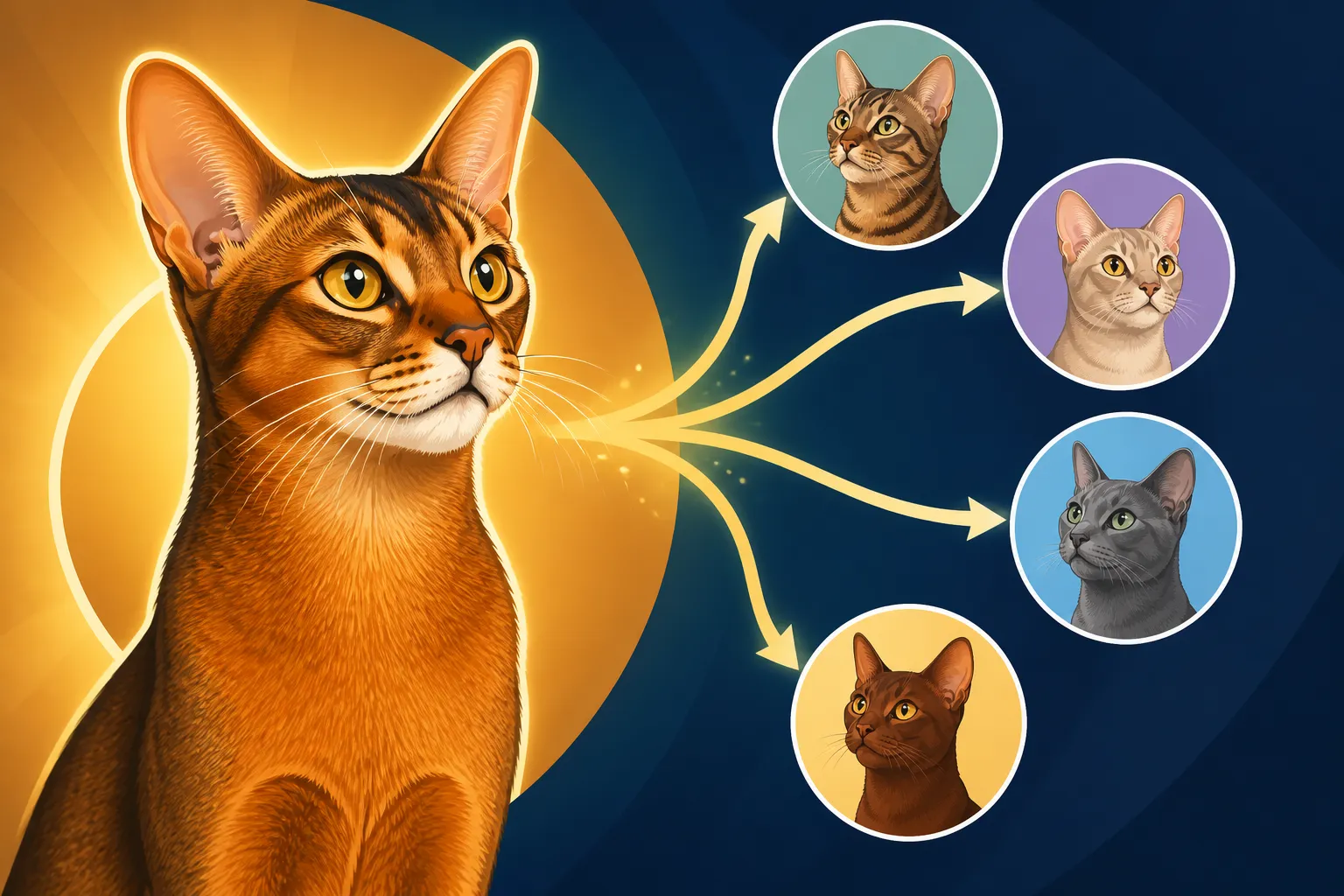
This is where the plot thickens for other breeds. Sometimes, breeders intentionally introduce a different breed into their lines – a process called outcrossing – to bring in new desirable traits, improve health, or increase genetic diversity to combat issues like inbreeding depression. Abyssinians, with their unique ticking and vibrant temperament, were often sought out for these purposes. For instance, the Ocicat breed, known for its spotted coat, has Abyssinian in its foundational ancestry. Similarly, some early American Curls and even some specific lines of domestic shorthairs might have had an Abyssinian ancestor in their pedigree, perhaps several generations back.
In other cases, cross-breeding might have been unintentional or simply less documented in the early days of cat fancy. Imagine a backyard breeder, or even just a well-meaning hobbyist, who loved the Abyssinian look but wasn't part of a formal registry. They might have bred their Abyssinian with another breed to create a "new" look or just because they had two unneutered cats. Every one of these instances created an opportunity for the CEP290 gene to quietly jump ship from the Abyssinian gene pool into another. The result was that years later, when the genetic test for rdAc became available, it started popping up in cats that no one would have initially associated with Abyssinians.
The Delay in Widespread Genetic Testing
The biggest challenge in controlling the spread of PRA-rdAc, both within the Abyssinian breed and into others, was simply the absence of a reliable test for so long. Before the advent of genetic testing, breeders relied on observable traits and pedigree analysis. If a cat seemed healthy and had healthy parents, it was considered fit for breeding. The recessive nature of rdAc meant that carriers looked completely normal, leading to them being inadvertently bred and passing on the gene. This silent propagation meant the gene could spread for generations before anyone even realized there was a problem beyond sporadic cases of blindness.
It wasn't until scientists pinpointed the exact gene mutation that a specific, accurate DNA test could be developed. This was a game-changer. Suddenly, breeders could swab a cat's cheek and get a definitive answer: clear, carrier, or affected. This information became indispensable for making responsible breeding choices. It also highlights the absolute necessity for any prospective kitten owner to ask about parental health testing. As we always say, finding out What an Abyssinian Breeder Should Have Tested Before You Buy is paramount, not just for the Abyssinian, but for any breed where genetic diseases are a concern. Without this testing, the risk of unwittingly perpetuating the problem remained high.
The Impact on Other Breeds and Modern Prevention
Discovering that a disease once thought specific to one breed has crossed into others can be alarming for owners and breeders alike. However, the good news is that with increased genetic understanding and testing capabilities, we are much better equipped to manage and, hopefully, eradicate PRA-rdAc across all affected breeds.
Recognizing rdAc in Related and Unrelated Breeds
Today, genetic testing has confirmed that the CEP290 mutation, responsible for PRA-rdAc, is not exclusive to Abyssinians. It has been identified in a range of other breeds, often those with historical ties or past outcrossing to Abyssinians. These include the Somali (the long-haired version of the Abyssinian), the Ocicat, the American Curl, and even the Singapura. More surprisingly, it can also appear in certain domestic shorthair populations that might have had a distant Abyssinian ancestor.
For owners of these breeds, recognizing the signs is just as crucial as it is for Abyssinian parents. The progression of the disease is similar, often starting with subtle changes in night vision, leading to clumsiness in low light, hesitation when jumping, and eventually, complete blindness. Imagine your active Ocicat, known for its playful spots and agility, suddenly misjudging jumps or bumping into familiar furniture in the evening. It’s a heartbreaking sight. It's important to remember How PRA-rdAc Blinds an Abyssinian Slowly, and this progression is true across all breeds affected by this specific gene. If you notice your cat starting to lose confidence in their footing, especially in dim light, or becoming unusually hesitant, a prompt vet visit is absolutely essential. Understanding What an Abyssinian Does First as Its Sight Goes can help you spot early indicators, regardless of the breed.
The Power of Genetic Screening and Responsible Breeding
The best defense against genetic diseases like PRA-rdAc is proactive genetic screening. Reputable breeders across all affected breeds now routinely test their breeding cats for the CEP290 mutation. This means they can make informed decisions, ensuring that no two carriers are ever bred together. When both parents are "clear" of the gene mutation, all their kittens will also be clear, either by direct testing or "clear by parentage." This concept, that Why Two Clear Abyssinian Parents End the Problem, is a cornerstone of ethical breeding today.
It's not just about breeders, though. As a potential kitten owner, it's your right and responsibility to ask for proof of genetic testing for both parents. Labs like Optimal Selection or Wisdom Panel offer comprehensive genetic panels that include PRA-rdAc screening for Abyssinians and many other breeds. Always verify these results. Moreover, even if you are adopting a rescue cat of one of these breeds, it's a wise decision to have them tested, especially if their history is unknown. This helps prevent the inadvertent spread of the gene and allows you to be prepared for any health challenges. Remember, responsible breeders understand that Why an Abyssinian Stud Must Be Cleared Before Use is vital for the long-term health of the breed.
When considering the long-term health of your feline companion, especially one from a breed predisposed to conditions like PRA-rdAc, thinking about pet insurance is also a smart move. While genetic testing helps mitigate risks, life happens. Companies like Healthy Paws offer comprehensive pet insurance plans that can help cover the costs of unexpected illnesses or accidents. Though genetic conditions might have specific policy stipulations, having a robust plan from a provider like Healthy Paws can provide immense peace of mind, especially if a cat develops a condition that wasn't covered by a breeder's guarantee. It's definitely worth exploring Whether Pet Insurance Is Worth It for an Abyssinian or any other purebred cat.
Managing the Health and Well-being of Affected Cats
If, despite all precautions, a cat is diagnosed with PRA-rdAc, it's important to remember that they can still live a full and happy life with the right care. While there's no cure for PRA-rdAc, the disease progresses slowly, giving both you and your cat time to adapt to their diminishing vision. Creating a consistent environment is key: avoid moving furniture, keep food and water bowls in the same spots, and make sure their litter boxes are easily accessible. Ramps or steps to their favorite climbing spots can also be helpful to maintain their confidence and activity levels. For a young cat, When an Abyssinian Kitten Can Be Tested for rdAc is actually quite early, allowing you to plan ahead for care if needed.
Regular veterinary check-ups are important to monitor their overall health and address any secondary issues. Your vet can offer advice on enriching their environment using sound, smell, and touch to compensate for their lost sight. This could include talking to them often, using scented toys, or creating textured pathways. While the emotional toll on owners can be significant, seeing your cat adapt and thrive can be incredibly rewarding. The support of a comprehensive pet insurance plan, such as one from Healthy Paws, could prove invaluable in covering ongoing vet visits, specialist consultations, and any adjustments needed to support your cat's quality of life as they navigate blindness.
| Breed | Associated with CEP290 Gene Mutation | Primary Coat Type | Original Location |
|---|---|---|---|
| Abyssinian | Yes | Ticked Shorthair | Unknown (likely Southeast Asia) |
| Somali | Yes | Ticked Longhair | USA (developed from Abyssinian) |
| Ocicat | Yes | Spotted Shorthair | USA (developed from Abyssinian, Siamese, American Shorthair) |
| American Curl | Yes | Long/Shorthair | USA (developed from domestic cat mutation) |
| Singapura | Yes | Ticked Shorthair | Singapore (possible Abyssinian lineage) |
| Domestic Shorthair | Yes (certain lines) | Various | Worldwide |
Disclaimer
The information provided in this article is for general educational purposes only and should not be considered a substitute for professional veterinary advice. Always consult with a qualified veterinarian for any health concerns or before making any decisions related to your pet's health or treatment.