How the CEP290 Test Clears an Abyssinian
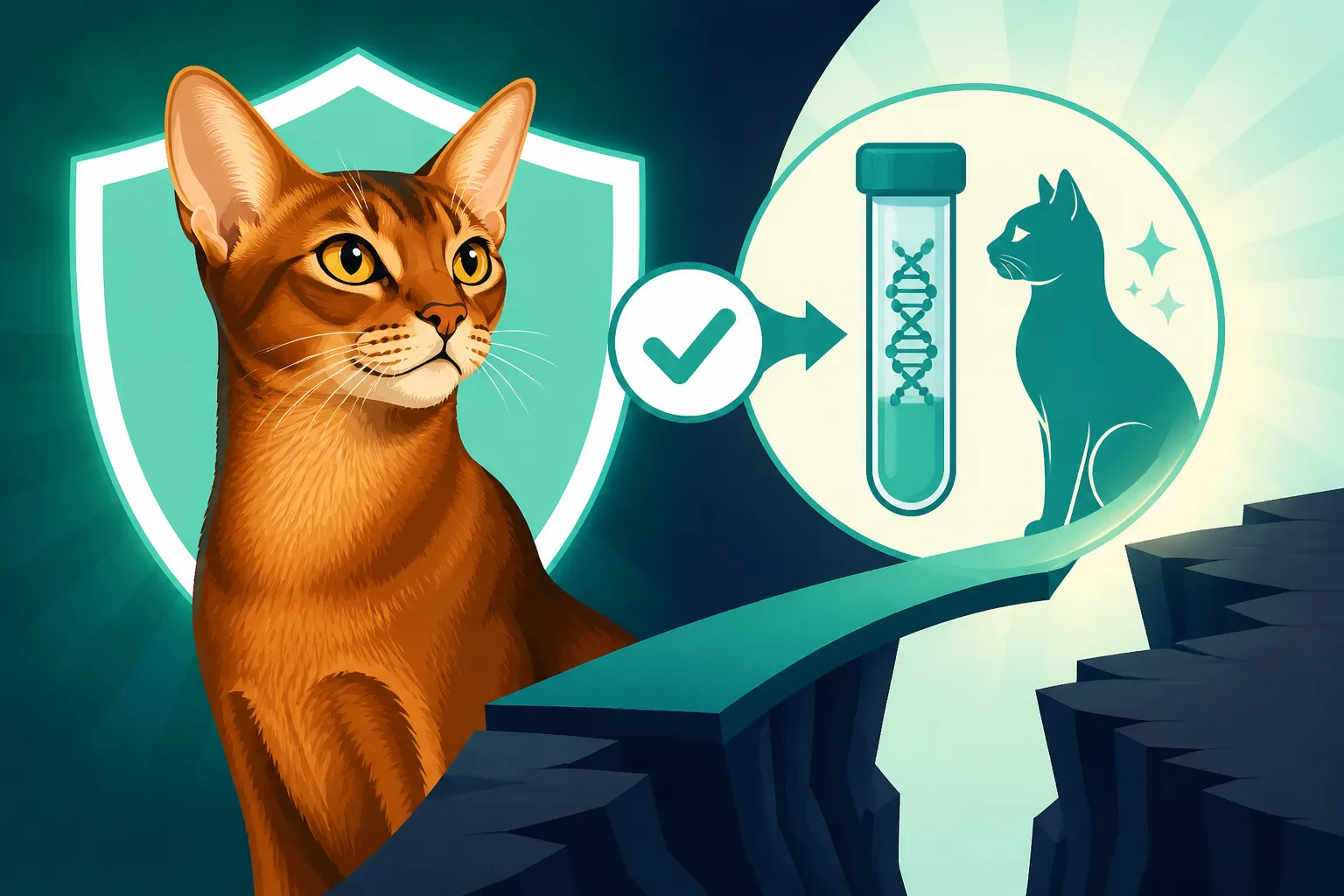
The thought of your vibrant, curious Abyssinian slowly losing their sight is truly heartbreaking, isn't it? It's a cruel reality that Progressive Retinal Atrophy, particularly the rdAc form, can silently steal the vision of these active, agile cats, often before they even reach middle age. Thankfully, we've moved past the days of just watching and waiting; today, responsible Abyssinian owners and breeders have a powerful tool at their disposal: the CEP290 genetic test, which allows us to understand and manage this heartbreaking condition long before symptoms appear.
Understanding PRA-rdAc: The Genetic Blindness Threat
Progressive Retinal Atrophy (PRA) isn't just one disease, but rather a group of inherited disorders that cause the retina, the light-sensitive tissue at the back of the eye, to slowly degenerate. For Abyssinians, the most common and significant form is known as PRA-rdAc. It's a condition that progresses insidiously, often starting with subtle changes in vision that even the most attentive owner might miss. This slow, relentless decline can be incredibly frustrating to witness, especially in a breed known for its sharp senses and adventurous spirit.
What is Progressive Retinal Atrophy rdAc?
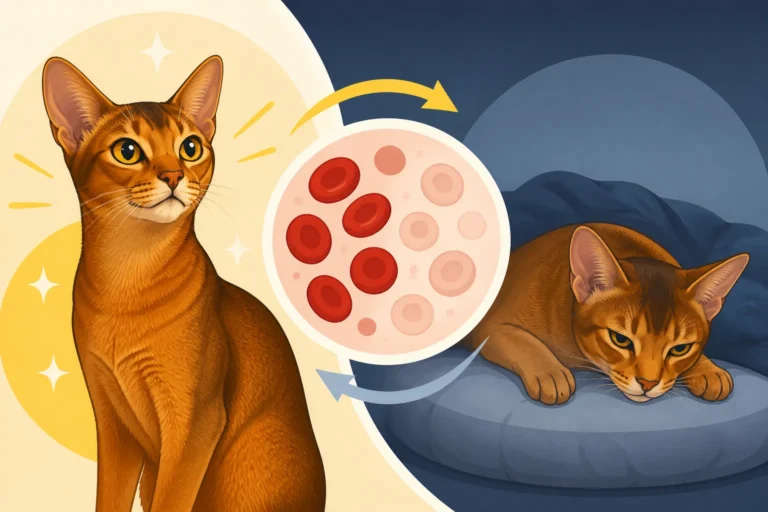
PRA-rdAc stands for progressive rod-cone degeneration – early onset. This fancy name essentially means that the photoreceptor cells in the retina, specifically the rods (responsible for night vision and motion detection) and then the cones (responsible for daylight and color vision), begin to break down over time. Affected Abyssinians usually start showing signs of night blindness between 1.5 to 2 years of age, but sometimes even earlier. Initially, you might notice them being a little more hesitant in dimly lit rooms or bumping into furniture when the lights are low. This condition truly takes an Abyssinian's sight by five years old, leaving them completely blind. It's a gradual process, which can make it even harder to pinpoint, as cats are incredibly adept at compensating for lost vision.
Imagine your normally fearless Abyssinian, who once navigated your home with unparalleled grace, suddenly hesitating before jumping off a couch or becoming disoriented in a new environment. This isn't just about losing the ability to see; it's about losing their confidence, their joy in exploring, and their very independence. The disease progresses to total blindness, and while the cat itself isn't in pain from the vision loss, the adaptation period can be stressful. We often talk about How PRA-rdAc Blinds an Abyssinian Slowly, detailing the specific cellular breakdown that leads to this irreversible condition.
The Devastating Impact on Abyssinian Quality of Life
The impact of PRA-rdAc on an Abyssinian's quality of life, and indeed on their human companions, cannot be overstated. Abyssinians are inherently curious, agile, and athletic cats, renowned for their incredible climbing abilities and their love for high places. A blind Abyssinian can no longer fully engage in these natural behaviors, which can lead to boredom, frustration, and even depression. Owners often report seeing their once-vibrant cat become more reserved, less playful, and reluctant to navigate familiar spaces.
One of the most heart-wrenching aspects is that Abyssinians are so good at hiding illness longer than a heavy cat, often masking their deteriorating vision until the disease is quite advanced. They learn to rely on their other heightened senses – hearing, smell, and touch – to navigate their world. You might first notice What an Abyssinian Does First as Its Sight Goes: a slight hesitation, a bump into a familiar object, or a change in their confidence when jumping. It’s a stark reminder of the unique challenges this genetic condition presents, and why proactive measures are so vital. As much as we try to make accommodations, a blind cat’s world shrinks considerably, making early detection and prevention paramount for this energetic breed.
What is the CEP290 Gene and its Role?
Understanding the underlying genetics of PRA-rdAc is the key to preventing it. For years, breeders and owners struggled with this devastating disease, only able to react to symptoms. The identification of the specific gene responsible for PRA-rdAc, known as CEP290, was a monumental breakthrough. This discovery transformed how we approach the health and longevity of the Abyssinian breed, moving us from reactive management to proactive prevention.
Pinpointing the Genetic Culprit
The CEP290 gene holds the instructions for making a protein that is crucial for the proper function of cilia, which are tiny, hair-like structures found on many cell types, including the photoreceptor cells in the retina. When a mutation occurs in the CEP290 gene, it leads to a faulty or non-functional protein. This, in turn, disrupts the development and maintenance of the photoreceptor cells, causing them to degenerate prematurely. Think of it like a tiny, essential cog in a complex machine breaking down; the whole system eventually grinds to a halt, leading to the gradual loss of vision that characterizes PRA-rdAc.
The specific mutation in Abyssinians is a deletion within the CEP290 gene, sometimes referred to as the rdAc mutation. This genetic flaw specifically affects the rod and cone photoreceptor cells in the retina, initiating the progressive blindness. This breakthrough in understanding Which Four Diseases the Abyssinian Actually Carries allowed scientists to develop a specific test, rather than relying on general observations. Without a healthy CEP290 gene, those vital retinal cells just can't do their job correctly, leading to the irreversible vision loss we see in affected cats.
The Autosomal Recessive Inheritance Pattern
The CEP290 mutation that causes PRA-rdAc follows an autosomal recessive inheritance pattern. This is a crucial concept to grasp for anyone involved with Abyssinians, whether as a pet owner or a breeder. "Autosomal" simply means the gene is not located on the sex chromosomes (X or Y), so it affects males and females equally. "Recessive" means that an Abyssinian must inherit two copies of the mutated gene—one from each parent—to be "affected" and develop the disease.
Here's a quick breakdown of what that means for your cat's genetic status:
- Clear: Your Abyssinian has two normal copies of the CEP290 gene. They will not develop PRA-rdAc and cannot pass the mutation on to their offspring.
- Carrier: Your Abyssinian has one normal copy and one mutated copy of the CEP290 gene. They will not develop PRA-rdAc themselves (they are phenotypically healthy) but they can pass the mutated gene on to their kittens. We often discuss How a Carrier Abyssinian Differs From an Affected One, and this is a prime example: carriers live full, healthy lives with perfect vision.
- Affected: Your Abyssinian has two mutated copies of the CEP290 gene. They will develop PRA-rdAc and will eventually go blind.
Understanding this inheritance pattern is fundamental for responsible breeding. If two carrier Abyssinians are bred together, there's a 25% chance with each kitten that it will be affected, a 50% chance it will be a carrier, and a 25% chance it will be clear. This is why testing is so incredibly important—it allows breeders to make informed decisions to prevent the birth of affected kittens and ensure that Why Two Clear Abyssinian Parents End the Problem of PRA-rdAc in their lines.
The Mechanics of the CEP290 Genetic Test
The beauty of modern veterinary science is that identifying these genetic risks no longer requires invasive procedures or guesswork. The CEP290 genetic test is incredibly straightforward, making it accessible for both seasoned breeders and loving pet owners who simply want peace of mind about their Abyssinian's future health. It's a simple, non-stressful process that yields definitive answers, empowering you to make the best decisions for your feline companion.
How the Test is Performed
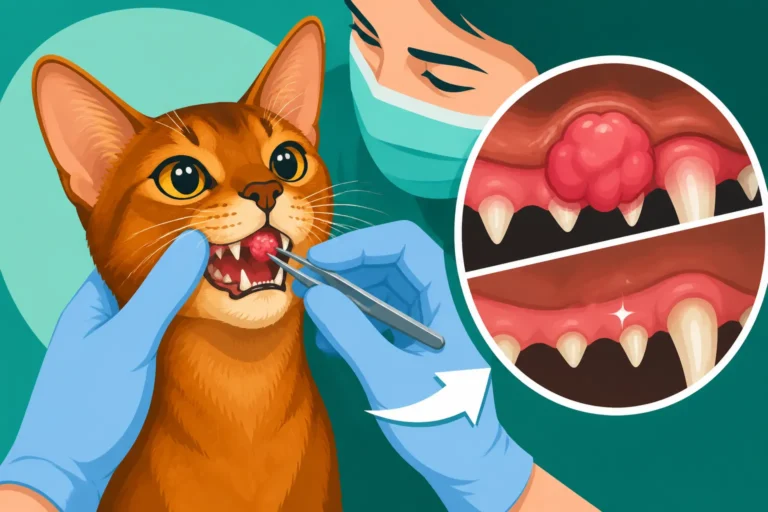
Getting your Abyssinian tested for the CEP290 mutation couldn't be simpler. The most common method involves a buccal swab, which is essentially a fancy name for a cheek swab. Your veterinarian, or even you, can easily collect a sample at home. You'll receive a special brush or sterile cotton swab from the testing laboratory. The process involves gently rubbing the swab against the inside of your Abyssinian's cheek and gum line for about 10-20 seconds to collect enough cheek cells. These cells contain the cat's DNA.
It's completely painless and quick, and most cats tolerate it without any fuss. The key is to get a good sample of cells, not just saliva. Once collected, the swab is usually allowed to air dry and then placed into a sterile envelope or container provided by the lab. You then mail it off, and the waiting game begins. Many owners find it reassuring to know How the Abyssinian's DNA Panel Is Ordered and that such vital information can be obtained with minimal stress to their beloved cat. Reputable breeders will have already performed these tests on their breeding cats and should readily share the results.
What Happens at the Lab
Once your Abyssinian's cheek swab arrives at the laboratory, it goes through a fascinating, high-tech process. First, the lab technicians extract the DNA from the cheek cells you collected. This isolated DNA is then subjected to a process called Polymerase Chain Reaction (PCR). PCR essentially amplifies specific sections of the DNA, making millions of copies of the CEP290 gene region.
After amplification, specialized techniques are used to analyze these gene copies. The lab is specifically looking for the presence or absence of the known deletion (the mutation) within the CEP290 gene. They can accurately determine if your cat has two normal copies, one normal and one mutated copy, or two mutated copies. This precise molecular analysis allows for an unambiguous diagnosis of "Clear," "Carrier," or "Affected." The turnaround time for results can vary between laboratories, but generally, you can expect to receive them within a few weeks. The good news is that Which Lab Runs the Abyssinian Genetic Panel will provide you with a certificate for your records.
Interpreting Your Abyssinian's CEP290 Test Results
Receiving your Abyssinian's genetic test results can feel like opening a report card, especially if you're anxiously awaiting the news. It's perfectly normal to feel a mix of anticipation and nerves. Once those results arrive, it's essential to understand exactly what they mean for your individual cat and, if applicable, for any breeding plans you might have. These results provide invaluable insights, allowing for informed decisions and proactive care.
Decoding "Clear," "Carrier," and "Affected"
Let's break down those crucial terms that will appear on your Abyssinian's genetic test certificate:
- Clear (N/N or Homozygous Normal): This is the best possible result. Your Abyssinian has two normal copies of the CEP290 gene. This means they will never develop PRA-rdAc, and they cannot pass the mutated gene on to any of their offspring. This gives incredible peace of mind to pet owners and makes them a safe choice for breeding with any other cat, regardless of their status for this particular gene.
- Carrier (N/rdAc or Heterozygous): This means your Abyssinian has one normal copy and one mutated copy of the CEP290 gene. The good news is that carriers do not develop PRA-rdAc themselves. They will have normal vision throughout their lives. However, they are "carriers" because they carry the gene and can pass that single mutated copy on to approximately 50% of their offspring. How to Read an Abyssinian's Normal Test Result is fairly straightforward, but the carrier status requires a bit more nuance, especially for breeders.
- Affected (rdAc/rdAc or Homozygous Affected): This is the most serious result. Your Abyssinian has inherited two copies of the mutated CEP290 gene, one from each parent. Cats with this status will develop PRA-rdAc and will eventually go blind, typically starting with night blindness around 1.5-2 years of age and progressing to complete blindness by five years old.
Understanding these distinctions is paramount. For example, Why an Abyssinian Marked as a Carrier Is Still Fine in terms of their personal health, but still poses considerations for breeding.
Planning for the Future Based on Results
Once you have your Abyssinian's CEP290 test results, you're empowered to make informed decisions.
For pet owners, a "Clear" result brings immense relief, knowing your cat won't suffer from this specific form of blindness. If your cat is a "Carrier," you also have peace of mind that they won't go blind from PRA-rdAc. If, however, you receive an "Affected" result for your kitten or young adult cat, it allows you to prepare. You can work with your vet to monitor their vision, make your home safer, and enrich their environment to support a blind cat's needs. This proactive approach can significantly ease the transition for both you and your cat.
For breeders, genetic testing is an ethical imperative. Breeding two "Clear" cats guarantees clear kittens. Breeding a "Clear" cat with a "Carrier" cat will produce a litter with approximately 50% clear and 50% carrier kittens, but no affected kittens. This is an acceptable practice for maintaining genetic diversity, provided the carrier offspring are also tested and sold with full disclosure. The critical rule is that Why Two Carrier Abyssinians Should Never Be Bred: this pairing carries a 25% risk of producing affected kittens with each litter. It is never recommended to breed an "Affected" cat. Responsible breeding means ensuring that future generations of Abyssinians are free from preventable genetic diseases like PRA-rdAc.
Why Testing is Crucial for Abyssinian Breeders and Owners
The widespread availability and affordability of the CEP290 test mean there's really no excuse for not testing breeding Abyssinians. This simple cheek swab has revolutionized the fight against PRA-rdAc, moving the breed towards a healthier future. It's not just about avoiding disease; it's about upholding the integrity of the breed and providing a better life for individual cats.
Preventing the Spread of PRA-rdAc
The primary reason genetic testing for CEP290 is so crucial is to prevent the needless suffering caused by PRA-rdAc. By identifying carriers and affected cats, breeders can make responsible pairing decisions that eliminate the risk of producing kittens that will go blind. This strategic breeding helps to systematically reduce the prevalence of the mutated gene within the Abyssinian gene pool over generations. It's a testament to how modern science, combined with ethical breeding practices, can make a profound difference.
Think about it: before the test, breeders were essentially flying blind, unable to know if a seemingly healthy cat carried the hidden genetic time bomb. Now, with a simple test, they have certainty. This commitment to testing is a hallmark of a responsible breeder, someone who prioritizes the health and welfare of their cats above all else. When considering What an Abyssinian Breeder Should Have Tested Before You Buy, the CEP290 test should be at the top of your list, alongside PK Deficiency testing. It’s part of the comprehensive health panel that gives kittens the best possible start in life.
Peace of Mind and Proactive Care
Beyond preventing the spread of the disease, the CEP290 test offers immense peace of mind for both breeders and pet owners. Knowing your cherished Abyssinian is "Clear" of PRA-rdAc allows you to simply enjoy their antics without the underlying worry of future blindness. For pet owners, this knowledge is invaluable. You can rest assured that your cat will retain their full vision and continue to explore their world with that characteristic Abyssinian zest.
Even if you discover your cat is a "Carrier," it's still good news for their personal health – they won't go blind. This knowledge simply helps you be a more informed owner, especially if you ever considered breeding (though carriers should only be bred to clear mates). Should you be fostering or adopting a rescue Abyssinian, and their history is unknown, getting them tested can provide clarity and help you understand any potential health predispositions. It allows for proactive conversations with your veterinarian about their long-term health plan. Investing in this test, and perhaps considering pet insurance like Healthy Paws, can create a robust safety net for your beloved companion, covering unexpected veterinary costs if other health issues arise.
Living with an Abyssinian's Genetic Health
Our goal as Abyssinian enthusiasts is always to ensure these magnificent cats live long, healthy, and happy lives. The CEP290 test is a powerful tool in achieving this, allowing us to proactively manage genetic health risks. But understanding the test results is just the beginning; living with an Abyssinian means embracing their unique needs and challenges, and always striving to provide the best possible care, whether they are clear, a carrier, or, in unfortunate circumstances, affected.
Supporting a Carrier or Affected Abyssinian
If your Abyssinian is a carrier for PRA-rdAc, remember, they will not develop the disease themselves. Their vision will remain perfectly normal throughout their lives. The only implication for carriers is related to breeding, where careful selection of mates is essential to prevent affected offspring. Otherwise, treat your carrier Abyssinian just as you would any other healthy cat; they require no special medical care or environmental adjustments due to their carrier status.
For an Abyssinian that is diagnosed as affected, the journey is different, but equally manageable with love and attention. Early diagnosis, even before significant vision loss, allows you to prepare your home and your cat. This might include:
- Maintaining a consistent home environment: Avoid moving furniture, food bowls, water dishes, and litter boxes. Familiarity is key.
- Verbal cues: Use your voice to guide them, especially when approaching.
- Safe climbing routes: While Why a Blind Abyssinian Still Climbs, you might need to make existing shelves more accessible or add steps to high places.
- Enrichment for other senses: Focus on toys that make noise (crinkle balls, toys with bells) and engaging their keen sense of smell with scent-based games.
Your veterinarian will be a crucial partner in monitoring your affected Abyssinian's eye health and overall well-being. Regular check-ups are vital, and discussing options with your vet, especially regarding supportive care, can make a huge difference. Pet insurance, such as a plan from Healthy Paws, can be incredibly helpful in managing the ongoing veterinary care costs that might arise for an affected cat, allowing you to focus on their comfort and happiness without financial stress.
Advocating for Comprehensive Genetic Screening
The success of the CEP290 test in reducing PRA-rdAc within the Abyssinian breed serves as a powerful example of what can be achieved with widespread genetic screening. It highlights the importance of asking pertinent questions and doing thorough research when acquiring an Abyssinian kitten. Always ask breeders for proof of genetic testing for both parents, not just a verbal assurance. Ensure you see actual certificates for the CEP290 test, as well as the PK deficiency test. When an Abyssinian Kitten Can Be Tested for rdAc is usually quite early, allowing breeders to provide results before placement.
Beyond individual testing, advocating for comprehensive health testing within the breed community is crucial. This includes supporting research into other potential genetic conditions, and encouraging all breeders to be transparent with their health data. As an owner, you have a voice. Share your experiences, educate others, and help ensure that the standard for Abyssinian health continues to rise. Responsible breeding and informed ownership are two sides of the same coin, both working towards a future where Abyssinians can live their lives to the fullest, free from preventable genetic diseases. Knowing Why an Abyssinian Stud Must Be Cleared Before Use is just one piece of the puzzle to ensure healthy generations.
Here's a quick summary of what those test results truly mean:
| Result | Interpretation | Implications for Cat's Health | Implications for Breeding |
|---|---|---|---|
| Clear | Two normal copies of the CEP290 gene. | Will never develop PRA-rdAc; perfect vision throughout life. | Can be bred with any other clear, carrier, or even an affected cat (though not recommended). Always produces clear kittens. |
| Carrier | One normal copy, one mutated copy of the CEP290 gene. | Will not develop PRA-rdAc; perfect vision throughout life. | Should only be bred with a "Clear" cat to prevent affected offspring. Will produce 50% clear, 50% carrier kittens. |
| Affected | Two mutated copies of the CEP290 gene. | Will develop PRA-rdAc and eventually go blind, typically by 5 years of age. | Should never be bred. |
Disclaimer
Please remember that the information provided in this guide is for educational purposes only and should not be considered a substitute for professional veterinary advice. Always consult with your veterinarian for any health concerns or before making any decisions related to your pet's health and treatment.