What Intermittent Anemia Looks Like in an Abyssinian
One of the most unsettling things for an Abyssinian owner is watching their normally vivacious cat suddenly seem… off. This isn't just a quiet day; it's a profound shift in energy, often linked to something called intermittent anemia. Understanding what this looks like, especially with its frustrating habit of coming and going, is crucial for catching it early and getting your beloved companion the help they need.
The Tricky Nature of Intermittent Anemia in Abyssinians
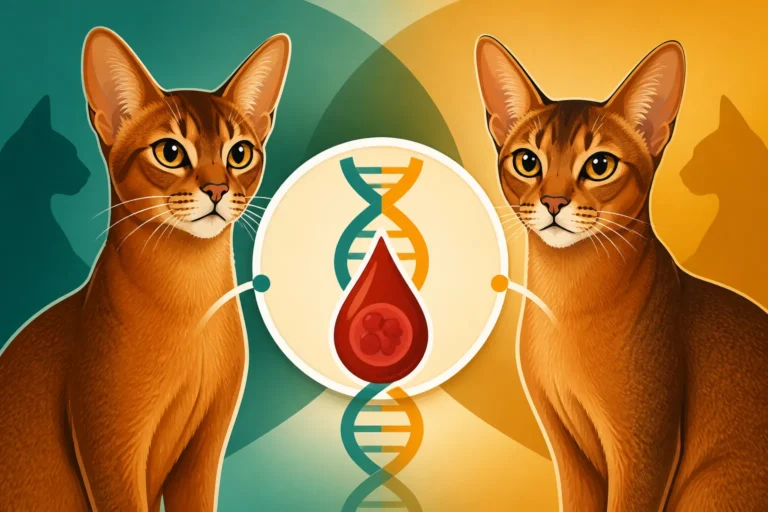
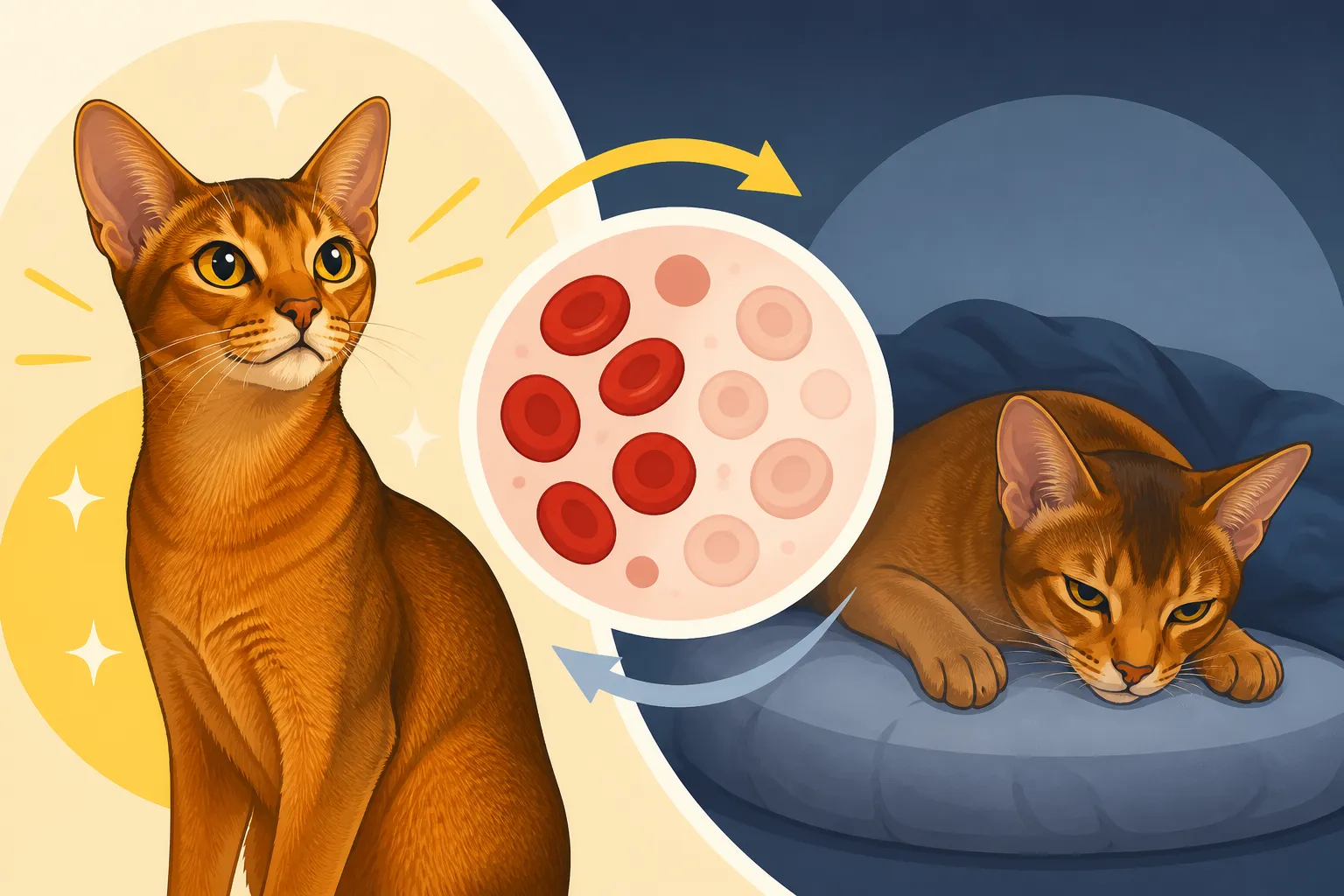
The term "intermittent" is what makes diagnosing this condition in Abyssinians so challenging for many owners. It's not like a constant, visible illness that steadily worsens. Instead, your lively, energetic Abyssinian might have a few days or even a week where they seem subdued, sleep more, and just aren't themselves, only to bounce back to their usual mischievous self. This rollercoaster of health can make you second-guess yourself, wondering if you're imagining things or if your cat is just having an "off" day. The core issue behind this is often Pyruvate Kinase Deficiency (PKD), a genetic condition that affects the red blood cells, causing them to break down prematurely.
During an anemic episode, your cat's body isn't getting enough oxygen-rich red blood cells, leading to a cascade of symptoms. Once the crisis passes, the bone marrow might temporarily compensate, producing enough new red cells for your cat to appear perfectly healthy again. This creates a deceptive cycle, where periods of normal behavior can lull owners into a false sense of security, delaying veterinary intervention. It's a cruel trick that this condition plays, making it vital for owners to be hyper-aware of even subtle, fleeting changes in their Aby's demeanor. It highlights why keeping a close eye on their daily habits is so important.
Why Intermittent Anemia Isn't a Constant State
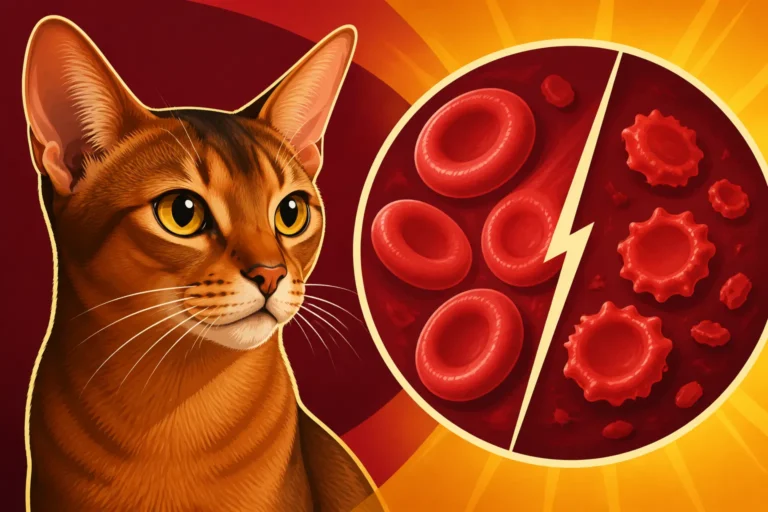
Unlike chronic conditions that might present with persistent, unchanging symptoms, intermittent anemia, particularly that caused by Pyruvate Kinase Deficiency (PKD), manifests in distinct, often unpredictable, episodes. This is because the mutation in the PKLR gene affects the enzyme Pyruvate Kinase, which is essential for the survival of red blood cells. Cats with two copies of this mutated gene (affected cats) have red blood cells that are structurally unstable and prone to premature destruction.
However, the rate at which these red blood cells break down isn isn't always constant. Various triggers, such as stress, other illnesses, or even unknown environmental factors, can precipitate an acute hemolytic crisis, where a large number of red blood cells are destroyed. When this happens, your Abyssinian becomes anemic and shows clear signs of illness. Once the trigger subsides or the body manages to produce enough new red cells to compensate, the cat can return to a relatively normal state. This ebb and flow means that an Abyssinian with PKD may experience periods of perfectly normal energy and appetite, making it incredibly easy to miss the underlying issue. Owners might simply think their cat was "a bit tired" rather than seriously ill, delaying a crucial visit to the vet. For more information on the cellular impact, you might want to read about What PK Deficiency Does to an Abyssinian's Red Cells
The Frustration of Symptoms That Come and Go
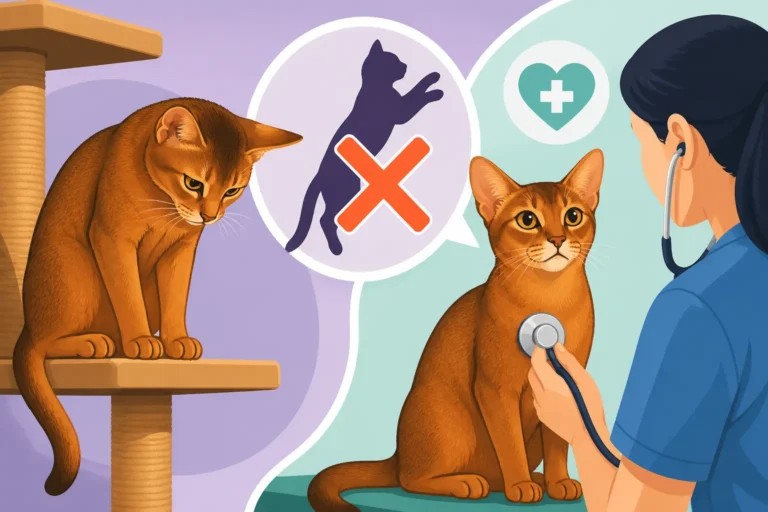
It's truly frustrating when you observe worrying signs in your Abyssinian, only for them to disappear just as you're about to call the vet. This "now you see it, now you don't" nature of intermittent anemia is a huge part of the challenge. You might notice your Aby seems less interested in their usual climbing games for a couple of days, perhaps skipping their favorite perch on the top of the bookshelf. Then, the next day, they're back to tearing through the house and demanding playtime. This inconsistency can lead to a lot of self-doubt. Did I really see that? Was it just a fluke?
This pattern can make owners hesitant to rush to the vet, especially if the cat seems fine by the time an appointment could be made. Yet, these fleeting moments are precisely when critical information can be gathered. Keeping a detailed log of any behavioral changes, however small or transient, can be incredibly helpful for your veterinarian. Note the date, time, specific observation, and how long it lasted. This documentation can help connect the dots, even if your cat is acting perfectly normal during the actual vet visit. It's about recognizing that even a temporary dip in their usual enthusiasm or appetite isn't always "nothing."
Recognizing the Subtle Signs of an Anemic Abyssinian
While the intermittent nature of this anemia can be deceptive, there are often subtle cues if you know what to look for. Abyssinians are masters at hiding illness, a trait common in many cat breeds, but particularly pronounced in these energetic and often stoic felines. It's not about them being lazy; it's about their inherent instinct to mask vulnerability. This means you have to become a detective, observing changes in their routine, energy levels, and even the color of their gums. Catching these early, subtle shifts can make all the difference in managing their health.
Changes in Energy Levels and Play
One of the first things you might notice in an Abyssinian experiencing an anemic episode is a reduction in their characteristic boundless energy. These cats are known for being the "clowns of the cat world," always on the go, climbing, exploring, and engaging in vigorous play sessions. If your Aby, who usually greets you at the door with enthusiasm and then immediately instigates a chase game, is instead lounging more than usual, sleeping in spots they don't typically frequent, or just seems less interested in their favorite wand toy, it's a red flag.
This isn't just about them being a little sleepy after a big meal. It's a deeper lethargy, a reluctance to engage. They might still follow you from room to room, but their usual spring in their step is gone. They might start to avoid jumping to high places they once scaled with ease, or they might take longer naps during times they'd normally be active. These subtle shifts can be easy to dismiss, but for an Abyssinian, who often hides pain behind their energy, any sustained dip in activity is a clear signal that something isn't right. Pay close attention to What a Quiet Abyssinian Is Telling You if you notice such changes.
Alterations in Appetite and Thirst
Another tell-tale sign of a brewing problem, especially with intermittent anemia, can be changes in your Abyssinian's eating and drinking habits. A cat with anemia might show a decreased interest in food, even their most beloved wet food or treats. They might sniff at their bowl and walk away, or only pick at their meal rather than devouring it with their usual gusto. Conversely, some anemic cats might develop pica, an urge to eat non-food items like litter, dirt, or fabric, though this is less common with intermittent forms.
What's particularly deceptive is that these changes might not last. Your Aby might skip a meal or two, making you worry, only to eat a full portion the next day, as if nothing happened. This makes consistent monitoring so important. Keep an eye on how much water they are drinking too. While not a direct symptom of anemia, changes in thirst can accompany underlying issues, and staying well-hydrated is always vital for their overall health, especially if their kidneys are being stressed. If you're observing these patterns, it's worth noting them down and discussing with your vet.
Visible Signs on Gums and Mucous Membranes
This is perhaps one of the most direct visual indicators of anemia in any cat, including your Abyssinian. Healthy cat gums are typically a vibrant bubblegum pink. When a cat is anemic, their gums lose this healthy coloration and become noticeably paler. In severe cases, they might even appear whitish or bluish. This pallor is due to the reduced number of red blood cells carrying oxygen throughout the body.
Checking your Abyssinian's gums might require a little gentle coaxing, but it's a skill every owner should practice regularly. Simply lift their lip to expose the gums above their teeth. Compare the color to what you know is normal for your cat. Don't forget to check other mucous membranes too, such as the inner eyelids or the inside of their ears, though gums are usually the most obvious. The tricky part here is that, just like the other symptoms, the paleness might come and go with the anemic episodes. One day they might look perfectly pink, the next, a washed-out shade. This makes consistent, routine checks invaluable. For a deeper dive into what to look for, see How Pale Gums Show Up on an Abyssinian.
The More Obvious Signs of an Anemic Crisis
While the intermittent nature of Pyruvate Kinase Deficiency can mask the problem for periods, there are times when the anemia becomes acute, signaling a true crisis. These are the moments when the body's compensatory mechanisms are overwhelmed, and your Abyssinian will display much more pronounced, undeniable symptoms. Recognizing these signs means urgent veterinary attention is required, as a severe anemic crisis can be life-threatening. This is where you absolutely cannot delay seeking professional help.
Severe Weakness and Collapse
When an Abyssinian's red blood cell count drops dangerously low, their body struggles to deliver sufficient oxygen to vital organs and muscles. This results in profound weakness, far beyond just being a little tired. Your cat might stumble, have difficulty walking, or even collapse. Their legs might seem like jelly, and they might struggle to hold their head up. They might be unable to jump onto a favorite chair or even manage to climb into their litter box without great effort.
In these severe episodes, the cat becomes extremely lethargic and non-responsive. They might lie in one spot for extended periods, showing little interest in anything around them. This isn't just about reduced play; it's a complete shutdown of their usual energetic demeanor. If you gently try to move them, they might be too weak to resist or even acknowledge your presence. This level of weakness and collapse is an immediate emergency and demands veterinary care without delay. This is a critical point where Why a Lethargic Abyssinian Needs Blood Work Fast becomes paramount.
Jaundice and Other Alarming Symptoms
Beyond the weakness, a severe anemic crisis, especially one involving the destruction of red blood cells (hemolysis) like in PKD, can lead to jaundice. Jaundice is a yellow discoloration of the skin, gums, and whites of the eyes (sclera) caused by an accumulation of bilirubin, a byproduct of red blood cell breakdown. This yellowing can be quite noticeable, particularly on the gums and in the inner eyelids.
Other alarming symptoms that might accompany a crisis include a rapid heart rate (tachycardia) as the heart tries to pump more oxygenated blood to compensate, and rapid, shallow breathing (tachypnea) as the lungs try to take in more oxygen. Your Abyssinian might also experience a fever as their body responds to the internal stress. Vomiting and diarrhea can also occur, further dehydrating an already compromised cat. Any combination of these symptoms, especially jaundice, is a clear sign that your cat is in immediate distress and needs emergency veterinary care. During these critical times, understanding How an Anemic Abyssinian Is Treated can offer some insight into what to expect from your vet.
The Urgency of Veterinary Intervention
Given the severity of these acute symptoms, waiting to see if your Abyssinian "bounces back" is not an option. A severe anemic crisis can quickly become life-threatening. When you observe any of these pronounced signs – severe lethargy, collapse, pale or jaundiced gums, rapid breathing, or a racing heart – you need to contact your veterinarian immediately. This isn't a situation for a scheduled appointment; it's an emergency.
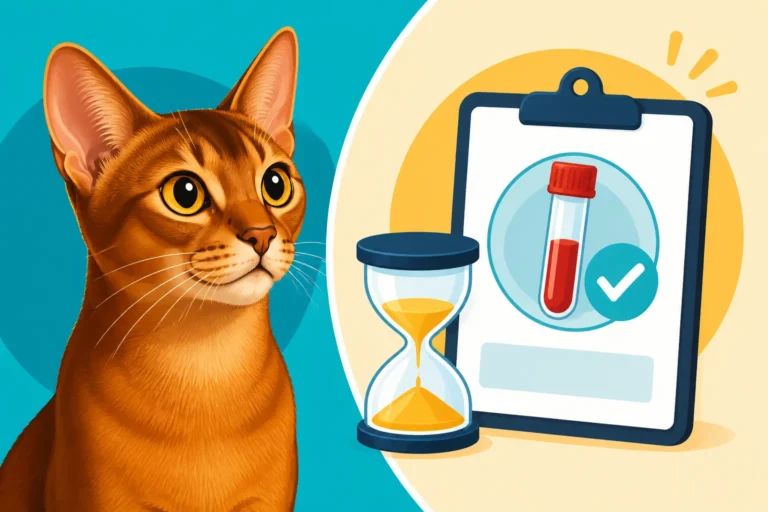
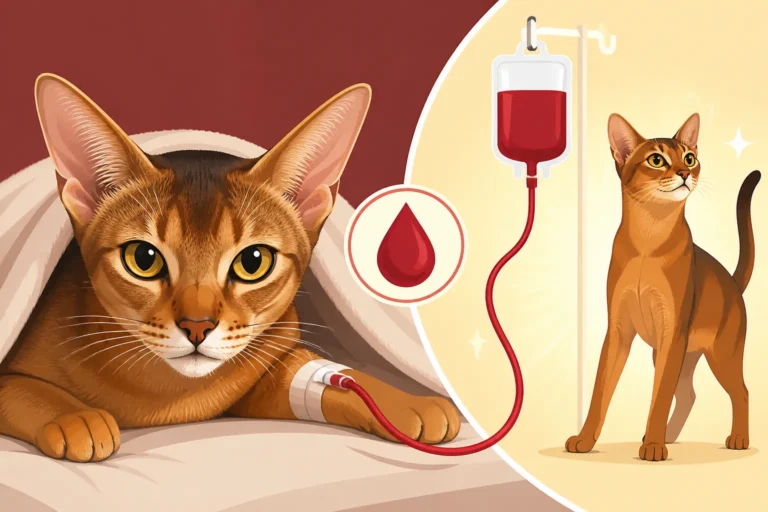
Your vet will likely perform a full physical examination, including checking their mucous membranes and heart rate, and will almost certainly recommend immediate blood work, including a complete blood count (CBC) to assess the red blood cell count, and a chemistry panel to check organ function and bilirubin levels. They might also recommend an ultrasound to look for an enlarged spleen or liver, which can occur with red blood cell destruction. Time is of the essence in these situations. Early and aggressive treatment can include blood transfusions, supportive care, and management of any underlying triggers. Pet insurance providers like Healthy Paws can often alleviate the financial stress of such emergency situations, allowing you to focus on your cat's recovery. Early testing can also identify carriers, preventing future affected kittens. For more detailed insights into the long-term outlook, you might find Whether an Abyssinian With PK Deficiency Can Live Normally useful.
Managing Your Abyssinian's Health With Intermittent Anemia
Living with an Abyssinian prone to intermittent anemia, whether diagnosed or suspected, requires a proactive and vigilant approach. It's not just about reacting to crises, but about trying to minimize their occurrence and ensuring your cat maintains the best possible quality of life. This involves a partnership with your veterinarian, careful observation at home, and sometimes, making adjustments to their lifestyle.
Regular Veterinary Check-ups and Monitoring
For an Abyssinian with suspected or diagnosed intermittent anemia, regular veterinary check-ups become even more critical than for a typical healthy cat. While annual visits are standard, your vet might recommend more frequent appointments, perhaps every six months or even quarterly, especially if your cat has had previous episodes. These visits allow your vet to perform thorough physical examinations, track your cat's weight (remember, Why a Lean Abyssinian Hides Illness Longer Than a Heavy Cat is a real concern), and monitor for any subtle changes that might indicate an impending episode.
During these check-ups, your vet will likely want to perform routine blood work. This might include a complete blood count (CBC) to monitor red blood cell levels, packed cell volume (PCV), and reticulocyte counts to assess the bone marrow's response. Tracking these values over time can help establish a baseline and identify downward trends before a full-blown crisis occurs. Even if your cat seems perfectly fine, these proactive tests can provide invaluable insights into their underlying health. Companies like Healthy Paws often cover these routine diagnostic tests if a medical condition is suspected, which can be a significant help for owners.
Diet and Lifestyle Adjustments
While there isn't a specific "anemia diet" that cures Pyruvate Kinase Deficiency, supporting your Abyssinian with optimal nutrition is always important. Your vet might recommend a high-quality, easily digestible diet rich in protein and essential nutrients. Ensuring adequate hydration is also crucial, especially for cats, who often don't drink enough water naturally. Incorporating wet food into their diet or using a cat water fountain can encourage more fluid intake, which supports overall organ function.
Stress can be a trigger for anemic episodes in some cats, so maintaining a calm, predictable environment is beneficial. This means minimizing sudden changes in routine, providing plenty of enrichment to keep their active minds engaged, and ensuring they have safe, quiet spaces to retreat to. Because Why an Abyssinian's Weight Loss Is Never Minor is an important health indicator, carefully monitoring their food intake and body condition score is also key. If they stop engaging with their climbing shelves or seem less interested in their environment, it could be a sign of discomfort or weakness. An Abyssinian's energy levels can shift even with age, so understanding How an Abyssinian's Energy Changes After Seven is useful for distinguishing normal aging from illness.
The Role of Genetic Testing and Breeder Awareness
One of the most powerful tools in managing and eventually reducing the incidence of intermittent anemia caused by Pyruvate Kinase Deficiency is genetic testing. If you have an Abyssinian whose parentage isn't known, or if you're considering breeding, getting them tested for the PKLR gene mutation is highly recommended. A simple cheek swab can determine if your cat is clear, a carrier, or affected. This knowledge empowers owners and breeders to make informed decisions.
Responsible breeders will already have their breeding cats tested and should be able to provide clear documentation of these results. They understand the importance of avoiding breeding two carrier cats together, as this is how affected kittens are produced. While no test exists for all forms of anemia, knowing about PKD status provides a significant advantage. This proactive approach helps ensure the health of future generations and gives current owners peace of mind, allowing them to anticipate and manage potential health challenges more effectively. Many owners find Healthy Paws' robust coverage for hereditary conditions to be invaluable, especially when navigating conditions like PKD that require ongoing management.
Common Signs of Intermittent Anemia in Abyssinians and What They Might Look Like
| Symptom Category | Mild/Intermittent Appearance | Severe/Crisis Appearance | Action Required |
|---|---|---|---|
| Energy & Activity | Periods of reduced play, more napping, reluctance to jump to high spots. | Profound lethargy, weakness, stumbling, collapse, disinterest in surroundings. | Veterinary appointment; Emergency vet immediately. |
| Gums & Mucous Membranes | Slightly paler than normal pink, may fluctuate day-to-day. | Very pale (whitish) or bluish gums, yellowing (jaundice) of gums/eyes. | Veterinary appointment; Emergency vet immediately. |
| Appetite & Thirst | Skipping meals, picking at food, occasional decreased interest in water. | Complete refusal of food, possible vomiting/diarrhea, pica (eating non-food items). | Veterinary appointment; Emergency vet immediately. |
| Breathing & Heart Rate | No obvious changes, possibly slight increase during activity. | Rapid, shallow breathing (tachypnea); fast heart rate (tachycardia). | Emergency vet immediately. |
| Overall Demeanor | More quiet or subdued than usual, less vocal, seeking solitude. | Non-responsive, disoriented, signs of pain or discomfort. | Veterinary appointment; Emergency vet immediately. |
Disclaimer
This article is intended for informational purposes only and does not constitute medical advice. Always consult with a qualified veterinarian for any health concerns or before making any decisions related to your pet's health and treatment.