Whether an Abyssinian With PK Deficiency Can Live Normally
Discovering that your beloved Abyssinian has been diagnosed with Pyruvate Kinase Deficiency (PK Deficiency) can be a truly heartbreaking and terrifying moment. You’re likely overwhelmed with questions, the biggest one being whether your energetic, playful companion can truly live a full, happy, and yes, normal life with this condition. This comprehensive guide is here to shed light on what PK Deficiency means for your Abyssinian, what you can expect, and how to ensure they have the best possible quality of life despite the diagnosis.
Understanding Pyruvate Kinase Deficiency in Abyssinians
Pyruvate Kinase Deficiency, often shortened to PK Deficiency, is one of those scary-sounding genetic conditions that can throw any cat parent into a tailspin. But understanding what it actually is can help you feel more in control and better equipped to advocate for your Abyssinian.
What PK Deficiency Actually Is
At its heart, PK Deficiency is a genetic disorder that impacts the red blood cells, those vital carriers of oxygen throughout your cat's body. It’s caused by a mutation in the PKLR gene, which is responsible for producing the enzyme pyruvate kinase. This enzyme plays a crucial role in the metabolic pathway that provides energy to red blood cells. Without enough properly functioning pyruvate kinase, the red blood cells can't maintain their energy levels, becoming fragile and breaking down prematurely. This premature breakdown leads to a condition called hemolytic anemia.
The problem isn't always constant; this isn't necessarily a severe, debilitating condition every single day. Instead, it often manifests as an "intermittent anemia," meaning your cat might experience episodes of illness followed by periods where they seem perfectly fine. This waxing and waning nature is part of what makes it so frustrating for owners to manage and for vets to diagnose without specific genetic testing. You might think your cat is just having an off day, when in reality, they're battling a severe anemic episode. To truly grasp the mechanism, it helps to understand What PK Deficiency Does to an Abyssinian's Red Cells
Recognizing the Signs of PK Deficiency
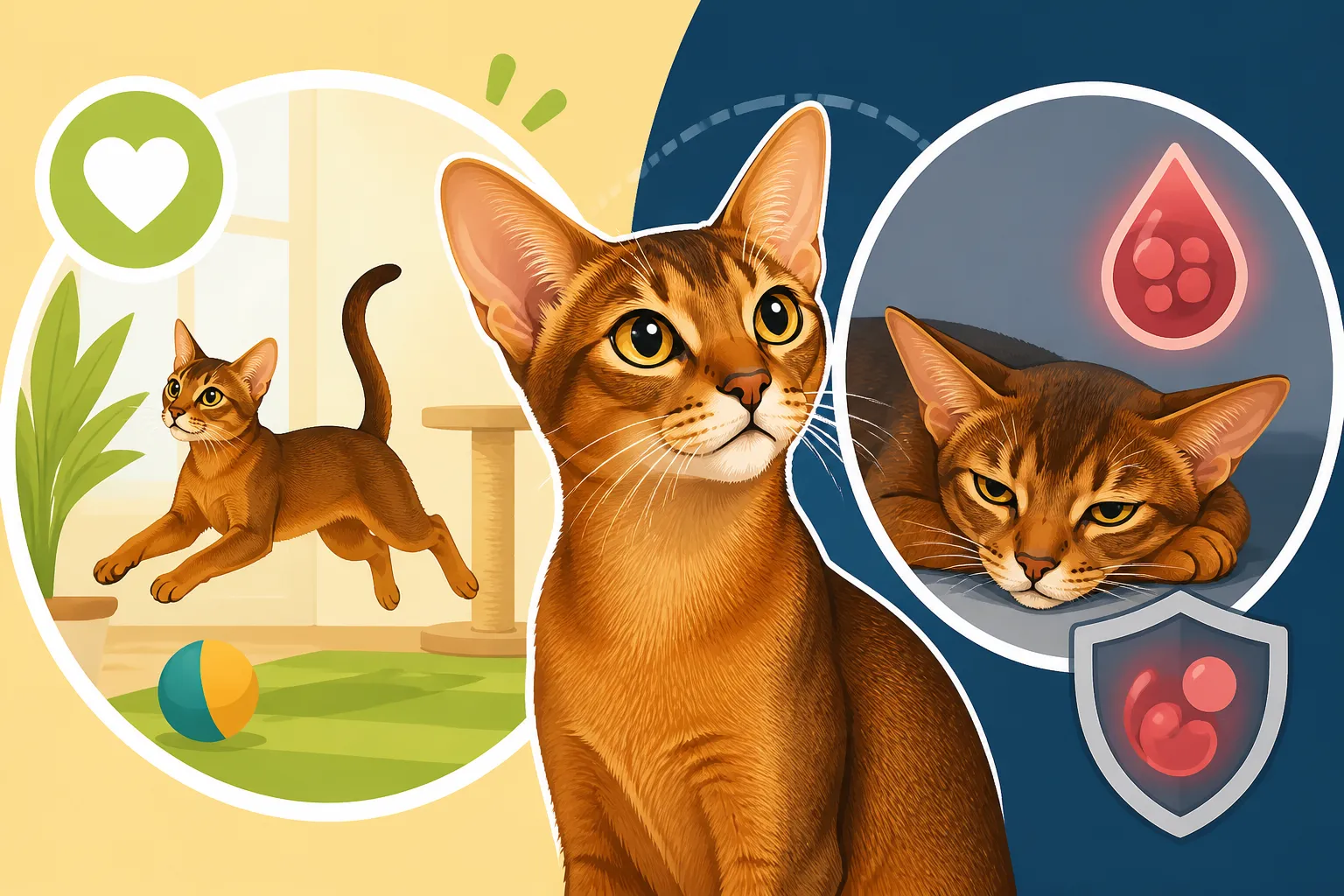
Because the anemia comes and goes, recognizing the signs of PK Deficiency can be a real challenge. Many owners notice subtle changes that they might initially dismiss. The most common overarching symptom is, of course, anemia, but how does that look in a lively Abyssinian? For one, you might observe a general lethargy, a distinct drop in their usual boundless energy. They might not be as eager to play, or they might tire more quickly than usual. This is particularly noticeable in a breed renowned for its high activity levels.
Another key indicator is pale gums. A healthy Abyssinian should have pink gums, but during an anemic crisis, these can become noticeably pale, sometimes even whitish. Checking your cat's gums regularly can be a simple, non-invasive way to monitor their condition. You can learn more about How Pale Gums Show Up on an Abyssinian. Beyond these, an affected Abyssinian might also have an enlarged spleen, which your vet might detect during a physical exam, as the spleen works harder to remove damaged red blood cells. Weight loss, a decreased appetite, or even jaundice (yellowing of the skin or whites of the eyes) can also occur in more severe cases. Episodes can be triggered by stress, illness, or even certain medications, making vigilance a constant necessity. If you ever notice your Abyssinian being unusually quiet or still, remember that Why a Lethargic Abyssinian Needs Blood Work Fast is not an exaggeration; it could be an anemic crisis.
Navigating Life with an Affected Abyssinian
The burning question for any owner of an Abyssinian with PK Deficiency is whether they can truly live a normal life. It’s a complex question without a simple "yes" or "no," but with understanding and dedication, many affected Abyssinians can lead remarkably full and happy existences.
The Reality of Living with PK Deficiency
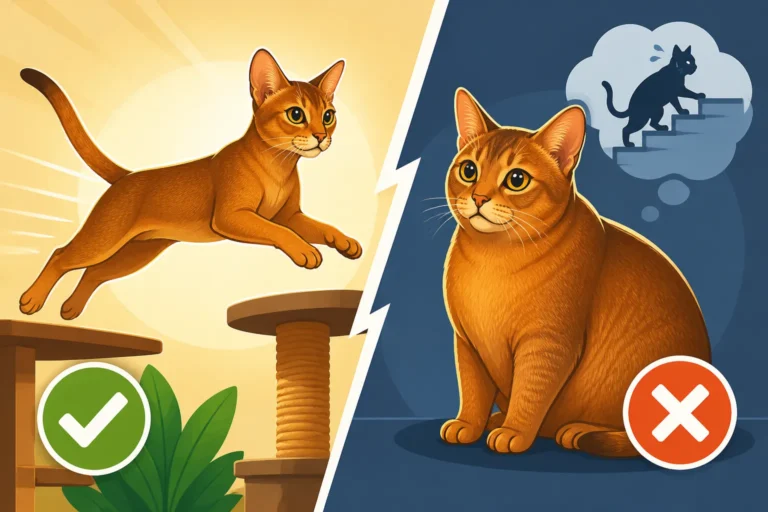
So, can an Abyssinian with PK Deficiency live normally? The honest answer is: it depends, but often, yes, with careful management. It's not a condition that necessarily dictates a short, miserable life, but it certainly isn't a walk in the park either. Some cats with the PKLR mutation will experience very mild, infrequent episodes of anemia, barely noticeable to their owners, living long lives without significant medical intervention. Others, however, can suffer from severe, life-threatening anemic crises, requiring frequent veterinary care and potentially even transfusions.
The variability is key here. It’s not a one-size-fits-all diagnosis. What one Abyssinian experiences can be vastly different from another, even with the same genetic mutation. The critical factor in achieving a "normal" life is proactive care, vigilant monitoring, and a deep understanding of your cat's individual symptoms and triggers. You become their best advocate, learning their baseline behavior and recognizing the subtle shifts that signal an impending issue. This journey often involves a close partnership with your veterinarian, who will become an indispensable part of your support team. When considering the lifespan, remember that Whether an Abyssinian With PK Deficiency Can Live Normally is less about a cure and more about effective management.
Medical Management and Support
When an Abyssinian is diagnosed with PK Deficiency, medical management becomes a cornerstone of their care. Diagnosis is typically confirmed through a simple DNA test, often done via a cheek swab. Once confirmed, your vet will want to establish a baseline for your cat's red blood cell count and overall health. Regular blood work is essential, especially when your cat isn't feeling well, to monitor the severity of the anemia. This is crucial because What Intermittent Anemia Looks Like in an Abyssinian can vary so much.
During severe anemic episodes, supportive care is paramount. This might include intravenous fluids to maintain hydration, oxygen therapy if breathing is labored, and in critical situations, blood transfusions to replenish their red blood cell supply. Your vet might also discuss medication to stimulate red blood cell production, although this is less common. One surgical option that's often considered for more severely affected cats is a splenectomy, the removal of the spleen. The spleen is a primary site where damaged red blood cells are removed from circulation, so removing it can sometimes prolong the life of red blood cells, thereby reducing the severity and frequency of anemic crises. It’s a significant decision, and your vet will weigh the risks and benefits carefully, but for some Abyssinians, How a Splenectomy Helps an Anemic Abyssinian can be life-changing. It's also vital to know When an Anemic Abyssinian Needs a Transfusion so you can make informed decisions in an emergency.
Daily Care and Lifestyle Adjustments
Beyond the clinical management, creating a supportive and predictable home environment is crucial for an Abyssinian living with PK Deficiency. Their daily routine and overall lifestyle play a significant role in their well-being.
Creating a Supportive Environment
Abyssinians are naturally high-energy, inquisitive cats who thrive on interaction and exploration. While your PK-deficient Abyssinian may still retain much of their zest for life, managing their environment to minimize stress and conserve energy is vital. A consistent routine for feeding, playtime, and rest can help reduce anxiety, which can be a trigger for anemic episodes. Provide plenty of vertical climbing spaces like cat trees and wall shelves, but also ensure easy access to lower, comfortable resting spots for when they feel less energetic. They'll still want to survey their kingdom, but sometimes from a slightly lower vantage point.
Diet and hydration are also incredibly important. A high-quality diet, often leaning towards wet food, can boost their hydration, which is beneficial for overall health. While PK Deficiency isn't directly impacted by specific diets in the same way kidney disease might be, good nutrition supports their body's ability to cope. Always ensure fresh water is available in multiple locations, perhaps even investing in a cat fountain, as many Abyssinians prefer flowing water. Monitor their activity levels closely; encourage play but don't push them if they're showing signs of fatigue. A little extra quiet cuddle time might be just what they need instead of a vigorous laser pointer chase.
The Importance of Regular Veterinary Check-ups
Even during periods when your Abyssinian seems completely fine, regular veterinary check-ups are non-negotiable. These routine visits allow your vet to monitor their overall health, perform blood tests to check their packed cell volume (PCV) or hematocrit (measures of red blood cell count), and catch any subtle changes before they escalate into a full-blown crisis. It's about being proactive, not reactive. Your vet can also advise on any new developments in PK Deficiency research or treatments.
Financial planning for the ongoing care of a cat with a chronic condition is also a smart move. Veterinary costs for blood work, medications, and potential emergency care can add up quickly. This is where pet insurance can be a real lifesaver. Providers like Healthy Paws offer comprehensive plans that can help alleviate the financial burden of managing a condition like PK Deficiency, allowing you to focus on your cat's health without added stress. Many owners find peace of mind knowing that their insurance can cover a significant portion of unexpected and ongoing medical expenses.
Breeding Considerations and Prevention
While this guide focuses on living with an affected Abyssinian, understanding the genetic aspect and prevention is crucial for the breed as a whole, and for any owner considering adding another Abyssinian to their family.
Why Genetic Testing is Crucial
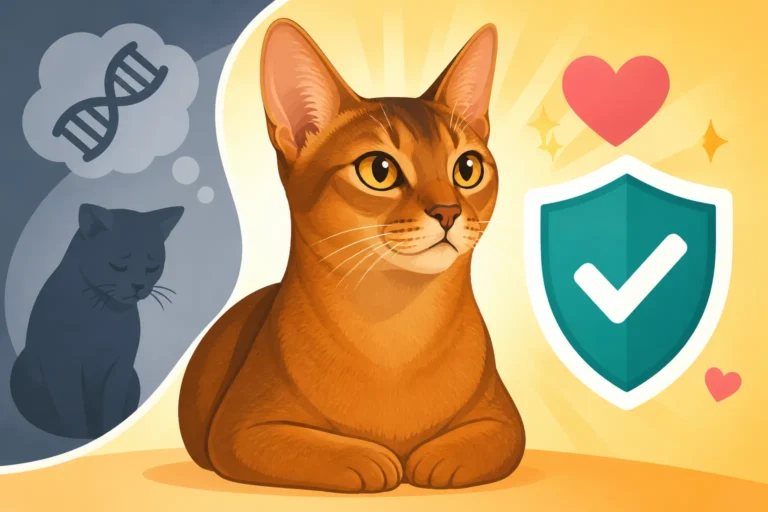
Pyruvate Kinase Deficiency is an autosomal recessive genetic disorder. This means that a cat must inherit two copies of the mutated gene (one from each parent) to be affected by the disease. Cats that inherit only one copy of the mutated gene are considered "carriers." They typically don't show any symptoms themselves, but they can pass the gene on to their offspring. This is why genetic testing is so vital for responsible breeders. A simple DNA test can determine if an Abyssinian is clear, a carrier, or affected. You can delve deeper into How the PKLR Mutation Reaches an Abyssinian to understand the inheritance pattern.
For potential owners, especially if you're looking for a kitten, always ask the breeder for proof of genetic testing for both parents. Reputable breeders will be transparent about their cats' health clearances and will not breed two carriers together. Understanding the genetic status of the parents is the most effective way to prevent the birth of affected kittens and is part of why Which Four Diseases the Abyssinian Actually Carries is a must-know.
The Future for PK Deficiency in Abyssinians
Thanks to widespread genetic testing, the prevalence of PK Deficiency in the Abyssinian breed is steadily decreasing. Breeders are actively working to eliminate the mutation from their lines by carefully selecting breeding pairs. This is great news for the long-term health of the breed.
If you already own an affected Abyssinian, it's important to remember that while their condition is genetic, their value as a beloved family member is immeasurable. The focus shifts to providing them with the best quality of life possible. If you have a carrier Abyssinian, it’s important to understand Why an Abyssinian Marked as a Carrier Is Still Fine, but also to strictly adhere to ethical breeding practices if you are a breeder. For instance, Why Two Carrier Abyssinians Should Never Be Bred is a fundamental principle to prevent producing affected offspring. With continued diligence from breeders and owners alike, the future for Abyssinians looks brighter, with fewer cats suffering from this inherited disease.
Here's a quick summary of PK Deficiency in Abyssinians:
| Aspect | Description | Management Strategy |
|---|---|---|
| What it is | Genetic disorder affecting pyruvate kinase enzyme, leading to premature breakdown of red blood cells and intermittent anemia. | Understand the genetic basis and work with a vet knowledgeable in breed-specific conditions. |
| Symptoms | Lethargy, pale gums, reduced appetite, weight loss, enlarged spleen, jaundice. Symptoms are often episodic and can be subtle. | Regular monitoring of energy levels and gum color. Prompt vet visits for any changes. |
| Diagnosis | Confirmed via DNA test (cheek swab). Blood tests (PCV/hematocrit) monitor anemia severity. | Routine vet check-ups. Keep a detailed health log. |
| Treatment | Supportive care during crises (fluids, oxygen, blood transfusions). Splenectomy may be considered for severe cases to reduce red cell destruction. No cure, only management. | Be prepared for emergency vet care. Discuss splenectomy with your vet if appropriate. Consider pet insurance (e.g., Healthy Paws) for financial support. |
| Lifestyle | Can lead a full life with careful management. Minimize stress, provide consistent routine, good nutrition, and hydration. Encourage gentle play, provide comfortable resting spots. | Create a calm, predictable home environment. Provide high-quality wet food and multiple water sources. Balance exercise with rest. |
| Breeding & Prevention | Autosomal recessive inheritance. DNA testing of breeding cats is crucial to prevent affected kittens. Carriers are healthy but can pass on the gene. Never breed two carriers together. | Only purchase from breeders who provide verifiable genetic test results for PK Deficiency for both parents. Avoid breeding untested cats or two known carriers. |
Disclaimer
This article is intended for informational purposes only and does not constitute veterinary advice. Always consult with a qualified veterinarian for any health concerns or before making any decisions about your pet's medical care.