How the PKLR Mutation Reaches an Abyssinian
It’s a truly frightening thought for any Abyssinian owner: the idea that a silent genetic issue could be lurking within their beloved companion, potentially passed down through generations. Understanding how these inherited conditions, specifically the Pyruvate Kinase Deficiency (PKD) mutation (PKLR), make their way into our cherished Abyssinian lines is absolutely vital for ensuring the health and longevity of the breed. This guide is here to walk you through the journey of this particular mutation, shedding light on its genetic path and what it means for your furry family member.
Understanding Pyruvate Kinase Deficiency in Abyssinians
Pyruvate Kinase Deficiency, often shortened to PK Deficiency, is one of those genetic conditions that can catch even the most diligent Abyssinian owner off guard. Unlike some health issues that develop with age or environment, PK Deficiency is hardwired into a cat's DNA from the moment of conception. It’s a serious condition that can lead to severe anemia, and knowing how it gets into a cat’s system is the first step toward preventing its spread and managing its impact.
The Basics of PK Deficiency and the PKLR Gene
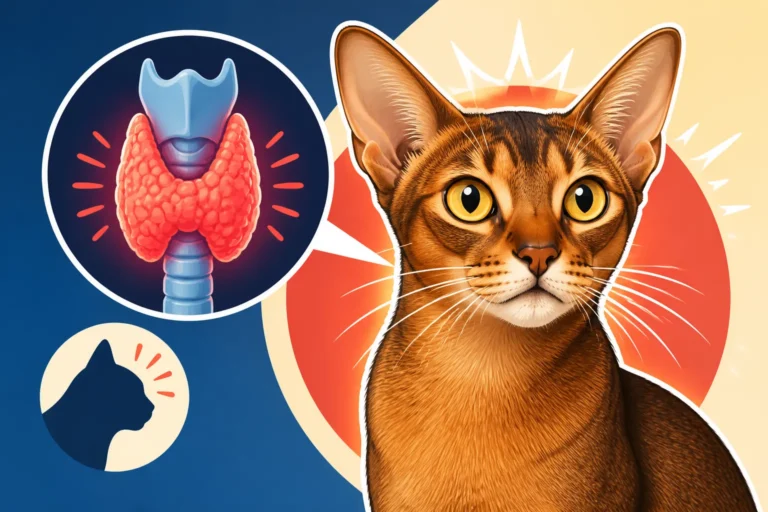
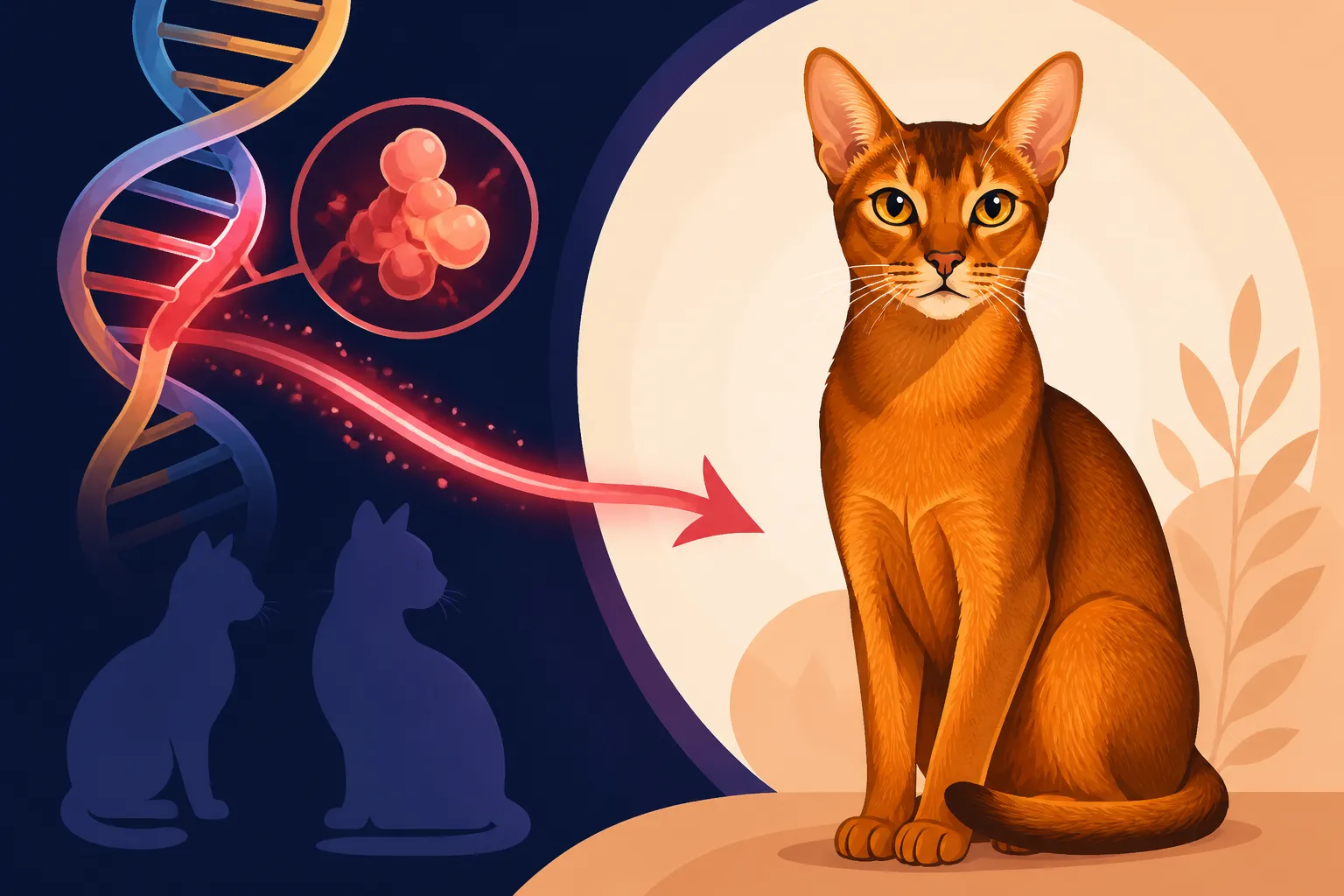
At its heart, PK Deficiency is a metabolic disorder caused by a faulty gene. Every living creature, including our Abyssinian cats, has genes that act like instruction manuals for building and operating their bodies. In this case, we're talking about the PKLR gene. This particular gene is responsible for producing an enzyme called pyruvate kinase. This enzyme plays a crucial role in the red blood cells, helping them process energy and stay healthy. Think of it like a tiny, essential fuel pump inside each red blood cell.
When the PKLR gene carries a specific mutation, that fuel pump doesn't work properly. Without enough functional pyruvate kinase, the red blood cells become fragile and break down much too quickly. This premature destruction of red blood cells is exactly what leads to anemia in affected cats. It’s not just any anemia, mind you; it’s a specific type called hemolytic anemia, where the red blood cells are actively being destroyed faster than the body can produce them. The body is constantly trying to compensate, but it's a losing battle for an affected cat.
How Genetic Mutations Are Inherited
Inheritance can feel like a complex puzzle, but for conditions like PK Deficiency, the principles are quite clear. Cats, like humans, inherit two copies of every gene—one from their mother and one from their father. It’s these two copies that determine whether a cat will be healthy, a carrier, or affected by a genetic condition. The PKLR mutation is what we call an autosomal recessive trait, which is a fancy way of saying that the gene isn't linked to sex (like male or female) and that a cat needs two copies of the faulty gene to actually show symptoms of the disease.
Imagine each parent gives one piece of a puzzle. If both parents pass on a faulty piece, the complete puzzle (the kitten) will have two faulty pieces and be affected. If only one parent passes on a faulty piece, the kitten will have one faulty piece and one healthy piece. This kitten won't show symptoms, but it can pass that faulty piece to its own offspring. This is the crucial distinction between being a carrier and being affected, and it's why understanding the specific mode of inheritance is so critical for breeders and owners alike. You might have a perfectly healthy-looking cat walking around, entirely unaware that it's carrying a genetic secret that could impact future generations.
The Autosomal Recessive Inheritance Pattern
The term "autosomal recessive" might sound intimidating, but it's a fundamental concept for anyone serious about Abyssinian health. It dictates exactly how the PKLR mutation, and other similar genetic traits, make their way through families of cats. Grasping this pattern is the key to both identifying potential risks and making informed breeding decisions that protect the welfare of the breed.
What "Autosomal Recessive" Truly Means for Your Cat
For an Abyssinian to actually develop Pyruvate Kinase Deficiency and experience the symptoms of chronic anemia, it needs to inherit two copies of the mutated PKLR gene. That's one faulty copy from its mother and one faulty copy from its father. If a cat inherits even one healthy copy of the gene, it will produce enough functional pyruvate kinase to avoid showing symptoms of the disease. This is where the "recessive" part comes in—the healthy gene "dominates" or masks the presence of the faulty gene.
Let's break down the three possible genetic outcomes for any Abyssinian regarding the PKLR gene:
- Clear (N/N): This cat has two healthy copies of the gene. It will never develop PK Deficiency, and it cannot pass the mutation on to its offspring. This is the ideal genetic status.
- Carrier (N/Pk): This cat has one healthy copy and one mutated copy of the gene. Crucially, a carrier cat is completely healthy and shows no symptoms of PK Deficiency. They have enough normal pyruvate kinase to function perfectly well. However, they can pass that single mutated copy to 50% of their offspring, on average. This is why a carrier Abyssinian is still fine as a pet, but its breeding status needs careful consideration.
- Affected (Pk/Pk): This cat has two mutated copies of the gene. It will develop PK Deficiency and experience symptoms of anemia, which can range from mild and intermittent to severe and life-threatening. The severity can vary, but the potential for illness is always there.
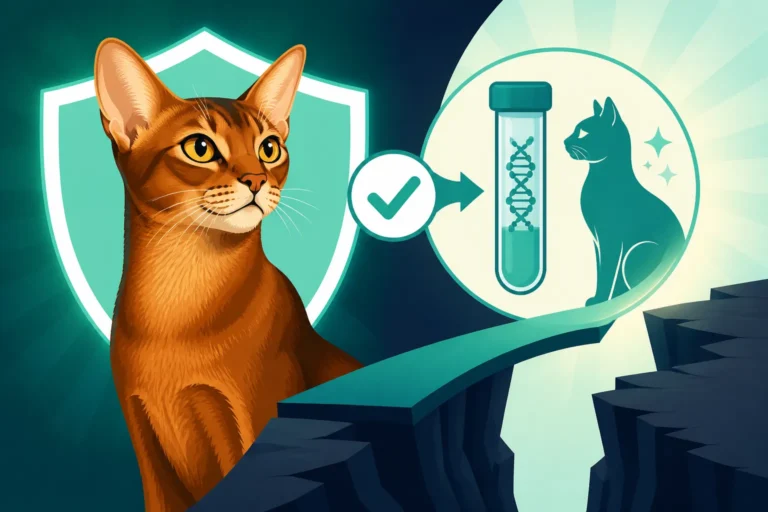
Understanding these three categories is paramount. You can't tell a carrier from a clear cat just by looking at them; they both appear perfectly healthy. Only a genetic test can reveal their true status. This is why something like How the Abyssinian's DNA Panel Is Ordered is such a critical piece of information for responsible owners and breeders.
The Role of Carrier Cats in Spreading the Mutation
Carrier cats are the silent spreaders of the PKLR mutation. Because they don't show any signs of illness themselves, a breeder or owner might be completely unaware that their beautiful, energetic Abyssinian is carrying a gene that could lead to serious health problems in future litters. This unsuspecting nature of carriers is precisely why the mutation can persist and spread throughout a breed population, sometimes for many generations, before manifesting in affected kittens.
Imagine a situation where a breeder unknowingly pairs two carrier Abyssinians. Each of these healthy-looking parents carries one copy of the faulty PKLR gene. When they reproduce, each kitten has a 25% chance of inheriting two faulty copies (one from each parent), thus being affected by PK Deficiency. There's a 50% chance of the kitten being a carrier, and a 25% chance of it being completely clear. This probability explains why two seemingly healthy parents can produce kittens that are gravely ill. It's a heartbreaking scenario that is entirely preventable with proper genetic testing. The article Why Two Carrier Abyssinians Should Never Be Bred delves deeper into this crucial aspect of responsible breeding.
The persistence of the PKLR mutation within the Abyssinian gene pool highlights the importance of comprehensive genetic screening, not just for the individual cat, but for the health of the entire breed line. Without testing, it’s a genetic lottery, and it’s the kittens who pay the price.
Tracing the Mutation's Path Through Breeding
The PKLR mutation didn't just appear out of nowhere; it’s a naturally occurring genetic variant that, over time, found its way into the Abyssinian gene pool. Its spread is a direct result of breeding decisions, some made before the science of genetic testing was even a dream. For today’s breeders, understanding this history is key to preventing future tragedies and strengthening the health of the breed.
Why Genetic Testing is Crucial for Breeders
For any responsible Abyssinian breeder, genetic testing for PK Deficiency isn't just an option; it's a fundamental ethical obligation. Without knowing the genetic status of their breeding cats, they are essentially breeding blind, risking the production of affected kittens. Imagine dedicating years to a breeding program, striving for perfect conformation and temperament, only to unwittingly produce kittens suffering from a debilitating inherited disease. The emotional and financial toll on owners of affected kittens can be immense, not to mention the suffering of the cats themselves.
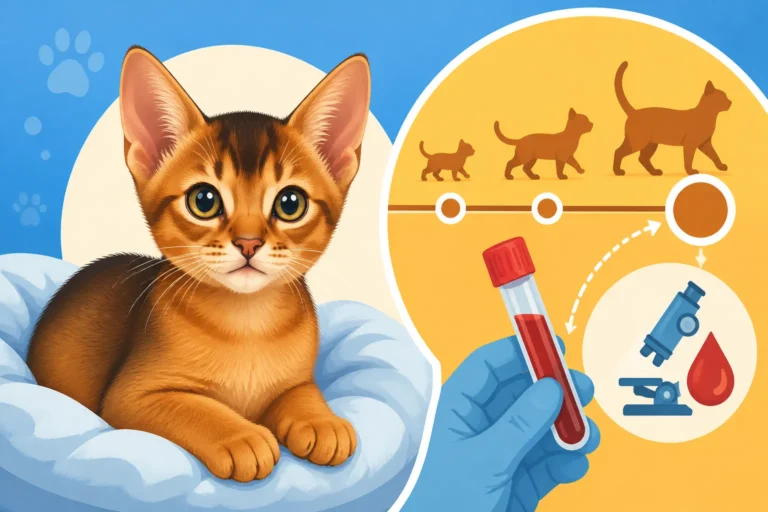
Thankfully, testing for the PKLR mutation is straightforward and accessible. A simple cheek swab can be sent to a specialized lab, and within a few weeks, the breeder will know definitively if their cat is Clear, a Carrier, or Affected. This information empowers them to make informed decisions. For instance, a clear cat can be bred with a carrier cat without fear of producing affected kittens (though half the litter might still be carriers, which requires further testing for their future breeding). However, knowing What an Abyssinian Breeder Should Have Tested Before You Buy is crucial for prospective kitten owners to ensure they are getting a healthy cat from a responsible cattery.
Genetic testing is a non-negotiable step that protects not only individual kittens but the integrity of the entire Abyssinian breed. It prevents the recurrence of conditions like PK Deficiency and helps ensure that the beautiful traits we love in Abyssinians are inherited alongside robust health.
Preventing the Spread in Future Generations
The power of genetic testing lies not just in identifying current carriers and affected cats, but in actively preventing the spread of the mutation to future generations. Once a breeder knows the genetic status of their cats, they can strategically plan pairings to avoid producing any affected kittens. The ideal scenario is, of course, to only breed clear (N/N) cats. However, given that Why Abyssinian Carrier Rates for PK Are So High in some lines, completely removing all carriers from the breeding pool might severely limit genetic diversity, which can lead to other health issues down the line.
Here’s a common strategy for responsible breeding:
| Parent 1 (PKLR Status) | Parent 2 (PKLR Status) | Possible Offspring Outcomes | Risk of Affected Kittens |
|---|---|---|---|
| Clear (N/N) | Clear (N/N) | 100% Clear (N/N) | 0% |
| Clear (N/N) | Carrier (N/Pk) | 50% Clear (N/N), 50% Carrier (N/Pk) | 0% |
| Carrier (N/Pk) | Carrier (N/Pk) | 25% Clear (N/N), 50% Carrier (N/Pk), 25% Affected (Pk/Pk) | 25% |
| Affected (Pk/Pk) | Any | Should not be bred | 100% if bred with a carrier/affected |
From this table, it's clear that the only pairing that can produce an affected kitten is when two carriers are bred together, or when an affected cat is bred (which should never happen responsibly). This proactive approach, where breeders actively manage their breeding pairs based on DNA results, has dramatically reduced the incidence of PK Deficiency in well-established Abyssinian lines. It moves us away from guesswork and into a realm of informed, ethical breeding practices that prioritize the health and wellbeing of these magnificent cats.
Living with the PKLR Mutation and Protecting Your Abyssinian
Even with the best breeding practices, the PKLR mutation exists within the Abyssinian population. For owners who discover their cat is a carrier or, heartbreakingly, affected, it's natural to feel overwhelmed. However, understanding the implications and preparing for potential challenges can make a world of difference in providing the best possible life for your Abyssinian.
Implications for Affected Abyssinians
For an Abyssinian that is truly affected (Pk/Pk) with Pyruvate Kinase Deficiency, life can present significant challenges. The most prominent symptom is anemia, which can fluctuate in severity. Owners might notice their cat becoming lethargic, having pale gums, or showing a reduced appetite. Sometimes, the symptoms might be mild and intermittent, while other times they can be severe enough to require emergency veterinary intervention, including blood transfusions. Learning What Intermittent Anemia Looks Like in an Abyssinian is crucial for early detection.
Affected cats may also develop splenomegaly (enlarged spleen) as their spleen works overtime to remove damaged red blood cells. In some cases, a splenectomy (surgical removal of the spleen) might be considered to improve the cat's quality of life and reduce the severity of anemia, though it's not a cure. Whether an Abyssinian With PK Deficiency Can Live Normally is a complex question, and it often depends on the severity of their condition and the dedication of their owners and veterinary team. While the diagnosis can be devastating, many affected Abyssinians, with proper veterinary care and supportive management, can still live for several years, albeit with ongoing health monitoring.
The key for owners of affected Abyssinians is vigilant observation for signs of anemia, regular veterinary check-ups, and a close working relationship with their vet. Treatments are generally supportive, aiming to manage the anemia and any secondary complications, rather than curing the genetic defect itself.
The Importance of Pet Insurance and Proactive Care
Knowing about potential genetic predispositions like PK Deficiency truly underscores the value of proactive care and, let’s be honest, financial planning. The reality is that managing a chronic condition, even one that flares up intermittently, can be incredibly costly. Veterinary visits, diagnostic tests like blood panels to monitor red blood cell counts, potential transfusions, and even specialized diets or medications all add up quickly. This is where investing in pet insurance, especially early in your Abyssinian's life, can be a game-changer. Companies like Healthy Paws offer comprehensive plans that can help alleviate the financial burden of unexpected or ongoing medical treatments.
Many Abyssinians are incredibly active and resilient, sometimes masking illness until it's quite advanced. A proactive approach means understanding the breed's specific health risks and discussing them with your veterinarian, even if your cat appears perfectly healthy. Regular wellness check-ups, even for young, seemingly healthy cats, are vital. Catching subtle changes in blood work or behavior early can make a significant difference in outcomes for conditions like PK Deficiency.
For instance, if your Abyssinian is diagnosed as a carrier, while they won't suffer from the disease themselves, it's a good reminder to be extra diligent about their overall health. If you have an affected Abyssinian, you’ll be making frequent trips to the vet, and having a pet insurance plan from a provider like Healthy Paws can cover a substantial portion of those costs, allowing you to focus on your cat's well-being without the added stress of overwhelming bills. It's about being prepared for the realities of pet ownership, especially with a breed known for its energy and, unfortunately, some specific genetic vulnerabilities.
Ultimately, whether your Abyssinian is clear, a carrier, or affected by the PKLR mutation, knowledge is power. It empowers you to make the best decisions for your cat's health, to support ethical breeding practices, and to enjoy every precious moment with your vibrant Abyssinian companion.
Disclaimer
The information provided in this article is for general informational purposes only and is not a substitute for professional veterinary advice. Always consult with a qualified veterinarian for any health concerns or before making any decisions related to your pet's care.