Why an Indoor Abyssinian Reaches Fifteen More Often
It’s a common heartache for any cat parent to think about how long our beloved companions will be with us. For Abyssinian owners, who fall head over heels for their energetic, curious, and deeply affectionate cats, the question of lifespan often comes with an unspoken hope for as many years as possible. While Abyssinians are generally a healthy, robust breed, one of the most significant factors influencing how many beautiful years you share with your Abyssinian is a surprisingly simple one: keeping them indoors.
Understanding the Risks for Outdoor Abyssinians
It’s tempting to imagine our athletic, wild-looking Abyssinians romping freely outdoors, living their best "natural" life. After all, they have that lean, lithe body and an almost primal elegance that makes them seem perfectly suited for adventure. But the reality of outdoor life for a domestic cat, especially a high-energy, confident breed like the Abyssinian, is far from idyllic. The world outside is a beautiful, unpredictable, and often dangerous place that can dramatically cut short their potential lifespan.
Traffic Accidents and Predator Threats
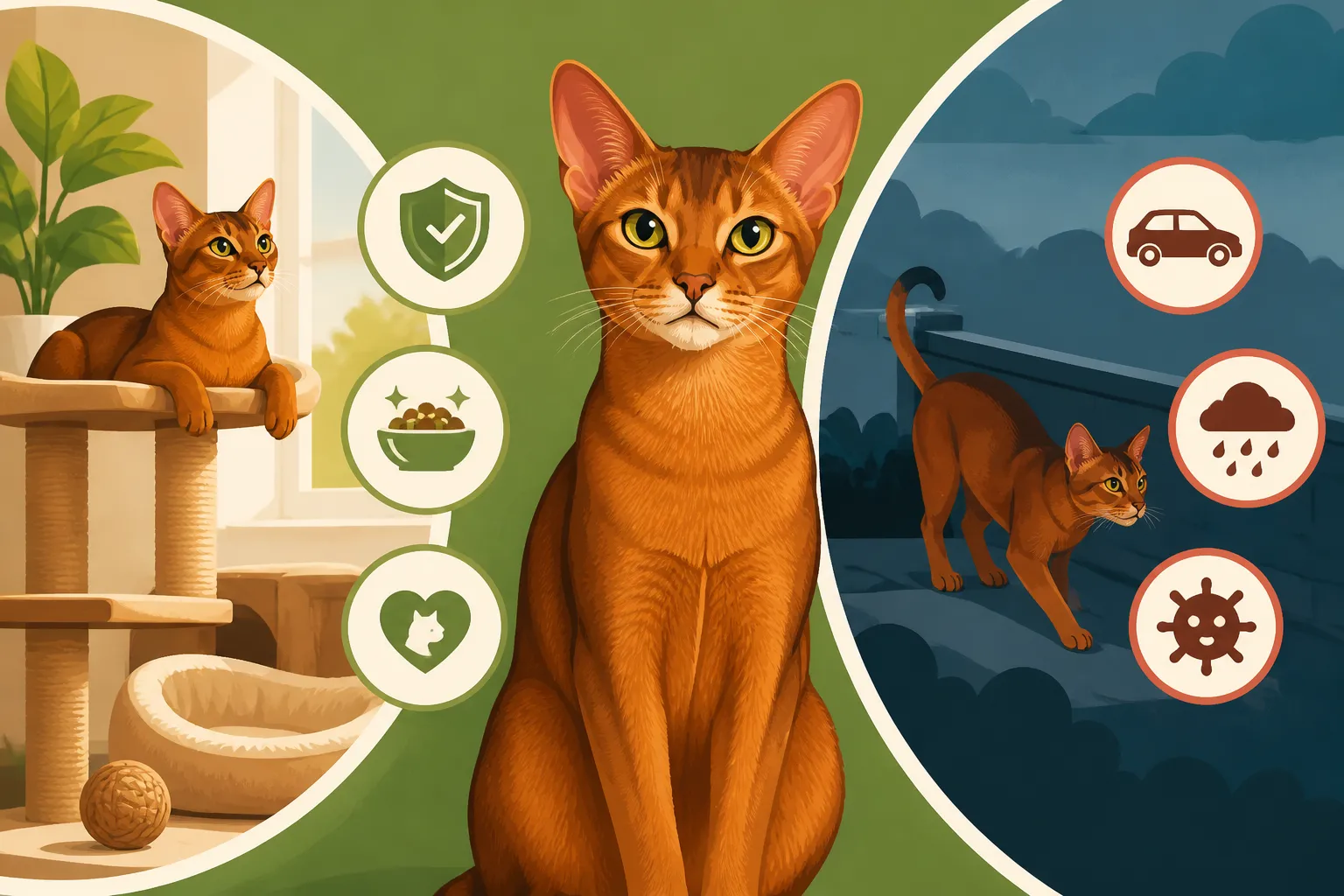
The sheer volume of vehicles on our roads today poses an enormous threat to any free-roaming cat. An Abyssinian's boundless energy and natural curiosity mean they might not always look both ways. Even in quiet suburban areas, a momentary lapse can lead to a devastating accident. It’s a tragedy that happens far too often, and it's one of the leading causes of death for outdoor cats worldwide. Beyond the roads, North America, for example, is home to a surprising number of urban and suburban predators. Coyotes, foxes, large birds of prey like owls, and even unleashed dogs can view a domestic cat as prey. An Abyssinian, despite its agility and intelligence, is still a relatively small animal and can easily become a target. Losing a cherished family member to a hit-and-run or a predator attack is a preventable grief that indoor living largely eliminates.
Infectious Diseases and Parasites
The outdoor world is a veritable buffet of pathogens and parasites, all eager to find a host. Cats allowed to roam freely are at a significantly higher risk for a whole host of infectious diseases, many of which are debilitating or even fatal. Feline Leukemia Virus (FeLV) and Feline Immunodeficiency Virus (FIV), often transmitted through bites from infected cats during fights over territory or mates, are incurable and can severely compromise an Abyssinian's immune system, making them vulnerable to secondary infections. Respiratory infections, often spread through close contact with other cats, are also common.
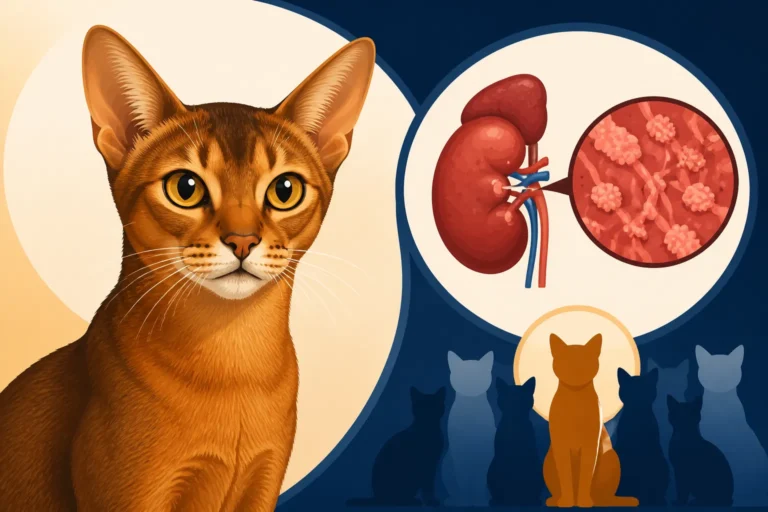
Beyond viruses, parasites like fleas, ticks, and internal worms are an almost inevitable consequence of outdoor adventures. Fleas can cause intense itching, skin infections, and even transmit tapeworms. Ticks carry diseases like Lyme disease and babesiosis, which can have serious long-term health implications for your cat. While monthly preventatives exist, they're never 100% effective, and the constant exposure outdoors increases the challenge of keeping your pet truly parasite-free. For a breed like the Abyssinian, whose health needs careful monitoring for conditions like amyloidosis, minimizing any additional stress on their system is paramount.
Environmental Toxins and Injuries
Our human environment is filled with things that are toxic to cats, and outdoor access exposes them directly to these dangers. Antifreeze, often sweet-tasting, is lethal. Rodenticides and insecticides, applied in gardens and yards, can be ingested directly or indirectly by a curious Abyssinian investigating a poisoned rodent. Household cleaning products, fertilizers, and even certain common plants can be toxic if chewed or ingested.
Beyond toxins, the outdoor world presents countless opportunities for injury. Falls from trees or fences, getting trapped in sheds or garages, fights with other animals (which can lead to nasty abscesses and costly vet bills), or encountering unfriendly humans are all possibilities. An Abyssinian’s adventurous spirit, which makes them such a joy to live with indoors, can become a liability when unsupervised outside. The potential for serious injury, from broken bones to internal trauma, is a constant worry for outdoor cat owners.
The Controlled Environment of an Indoor Abyssinian's Life
Bringing your Abyssinian indoors isn't about caging them; it's about creating a safe, stimulating, and predictable environment where they can truly thrive and reach their full potential lifespan. It's an act of love and protection that addresses the myriad risks of the outside world, allowing you to focus on their well-being rather than constantly worrying about their safety.
Protecting Against Physical Dangers
The most immediate benefit of keeping your Abyssinian indoors is the dramatic reduction in physical trauma. No cars, no predators, no accidental falls from extreme heights, and no fights with unknown animals. You control their environment, ensuring sharp objects are put away, windows are screened, and dangerous household chemicals are inaccessible. This drastically lowers the chances of sudden, catastrophic injuries that can end a cat's life prematurely or lead to extensive, expensive veterinary interventions.
Think of it this way: instead of spending time recovering from an injury or dealing with an emergency visit for a suspected poisoning, you can channel that energy into play and enrichment. A cat that isn't constantly in survival mode is a happier, healthier cat. This protective bubble allows them to be the energetic, playful companions they're meant to be, without the constant threat of danger lurking around every corner.
Managing Health and Preventing Illness
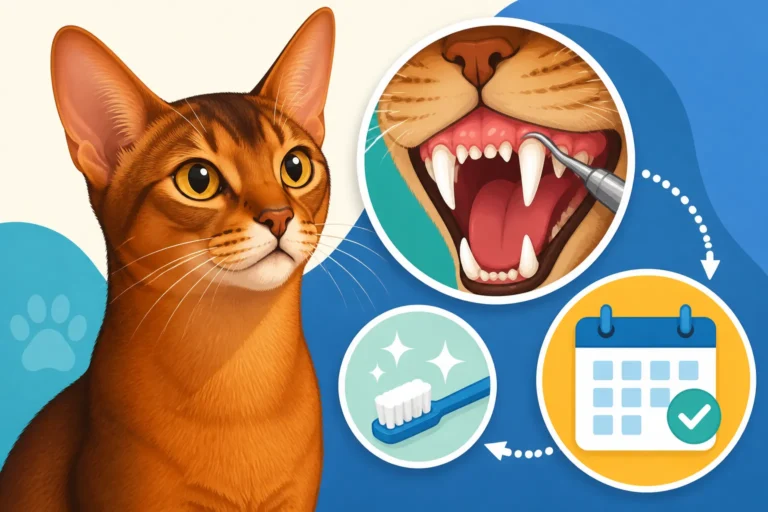
An indoor Abyssinian's health is far easier to manage proactively. With reduced exposure to other animals, the risk of contracting infectious diseases like FeLV, FIV, or upper respiratory infections plummets. While vaccinations are still crucial for protection against common feline illnesses, the indoor lifestyle significantly lessens the odds of exposure. You can also more effectively control their exposure to parasites. Regular vet checks, coupled with consistent flea, tick, and worm prevention tailored to an indoor lifestyle, become incredibly effective.
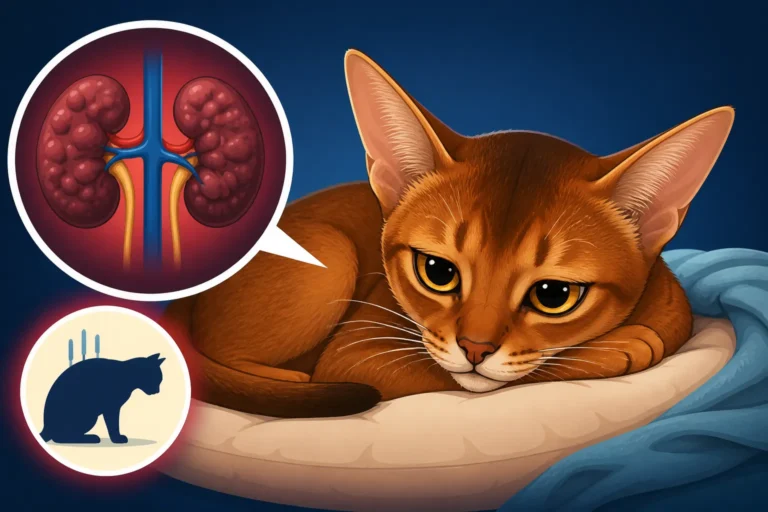
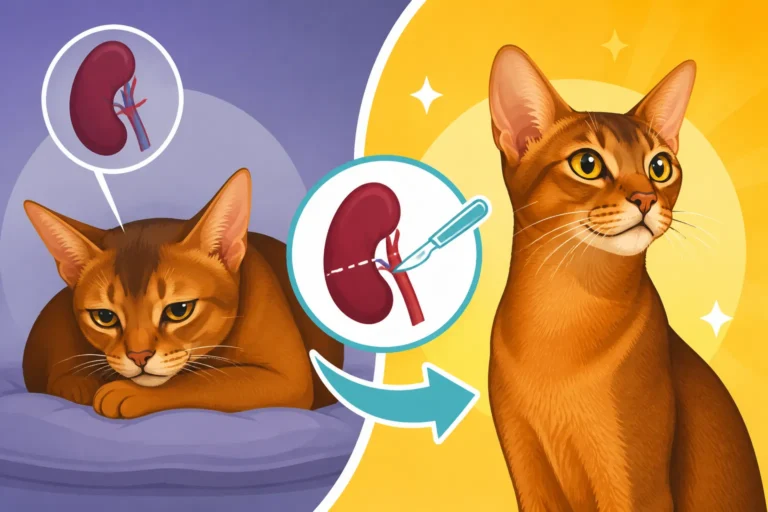
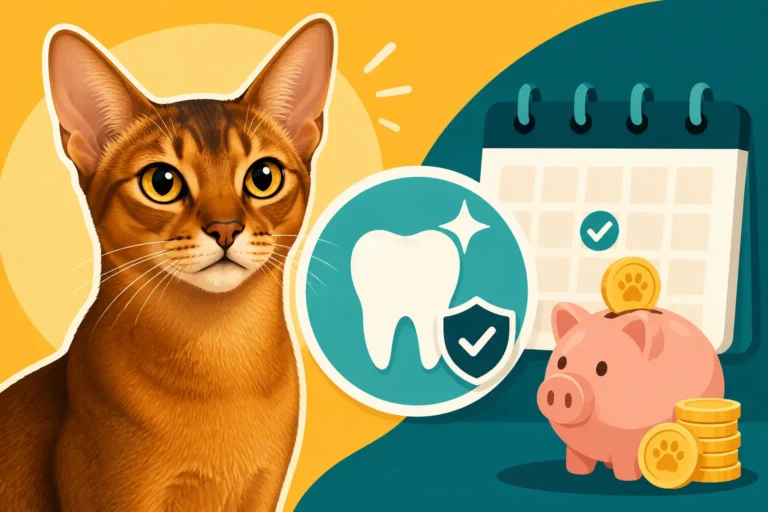
Furthermore, monitoring their habits is simpler when they live entirely within your home. You'll notice changes in appetite, litter box habits, energy levels, or subtle signs of illness much faster. This early detection is critical for many feline conditions, especially those that can progress rapidly, such as What Kidney Failure Looks Like in a Young Abyssinian. When you see a slight change, you can contact your vet immediately, potentially catching problems before they become severe. This proactive health management, supported by things like a good pet insurance policy from providers like Healthy Paws, can make all the difference in adding years to your Abyssinian's life.
Creating a Safe and Stimulating Home
Just because an Abyssinian is indoors doesn't mean they're deprived. Quite the opposite! It means you, as their dedicated owner, get to intentionally craft an environment that meets all their physical and mental needs in a safe way. This includes providing ample vertical space, which Abyssinians adore. Think tall cat trees, wall-mounted shelves, and secure window perches. These aren't just decorations; they are essential for satisfying their instinct to climb, observe, and survey their territory from above.
Puzzle feeders, interactive toys, and regular play sessions replace the "hunt" of the outdoors, providing mental and physical exercise. A secure catio, or "cat patio," can offer a taste of the outdoors without any of the inherent risks, allowing them to bask in the sun and watch birds safely. By designing an enriching indoor space, you’re not just keeping them safe; you’re enhancing their quality of life, which directly contributes to their overall health and longevity. It's about giving them a kingdom to rule, rather than a dangerous jungle to merely survive.
The Abyssinian's Innate Drive and How Indoor Living Channels It
Abyssinians are not couch potatoes. They are often called the "clowns of the cat world" or "Aby-dos," known for their intelligent, curious, and incredibly active personalities. This innate drive needs an outlet, and indoor living offers the perfect framework to channel that energy constructively, preventing boredom and potential behavioral issues.
Meeting Their High Energy Needs Safely
The Abyssinian's lean, muscular body is built for action. They love to run, jump, and climb. Instead of expending this energy trying to evade cars or hunt real prey, an indoor Abyssinian can participate in structured play with their human companions. Daily interactive play sessions with wand toys, laser pointers (used responsibly), and retrieve games are crucial. Many Abyssinians even learn to fetch small toys, turning playtime into a bonding experience.
Providing appropriate climbing structures is non-negotiable for this breed. They genuinely need Why an Abyssinian Needs More Vertical Furniture Than Most Cats, not just for exercise, but for their mental well-being. A complex cat tree or a series of sturdy wall shelves allows them to explore "their" territory vertically, fulfilling their natural instinct to perch high and survey their surroundings. This physical activity keeps their muscles strong, helps manage their weight (which is important for overall health as a Why a Lean Abyssinian Hides Illness Longer Than a Heavy Cat is generally a healthier cat), and burns off excess energy in a controlled environment.
Mental Stimulation for a Curious Mind
An Abyssinian's intelligence means they get bored easily. A bored Abyssinian can become a destructive Abyssinian, resorting to things like opening cabinets, knocking items off shelves, or even chewing on inappropriate things. This is where mental stimulation becomes vital. Puzzle feeders are excellent for challenging their problem-solving skills and slowing down their eating, which can be beneficial. Rotating toys to keep novelty alive, teaching them tricks using positive reinforcement and clicker training, and even simply engaging them in conversation can satisfy their inquisitive nature.
Consider enriching their environment with things like cat grass, interactive electronic toys, or even cat-safe videos of birds and squirrels playing on a tablet. The goal is to keep their sharp minds engaged and prevent the kind of boredom that might lead an outdoor cat to venture into truly dangerous situations out of sheer curiosity. A mentally stimulated Abyssinian is a happier, more content cat, less prone to stress-related issues that can impact their long-term health.
Social Connection and Behavioral Well-being
Abyssinians are incredibly people-oriented cats, thriving on interaction with their human families. While they might not be traditional lap cats, they love to be involved in whatever you're doing, often "helping" with household chores or supervising from a high perch. This strong social bond is a key component of their well-being. Indoor living fosters this connection, allowing for more consistent interaction and a deeper understanding of their individual personalities and needs.
Being part of the household routine also means they're less likely to experience the stress and fear associated with outdoor life. Constant threats, territorial disputes with other cats, and unpredictable human interactions can lead to chronic stress, which has negative impacts on a cat's immune system and overall health. An indoor Abyssinian, secure in their home, tends to be more confident, outgoing, and less prone to anxiety-related behavioral problems, contributing significantly to their ability to live The Twelve to Fifteen Years an Abyssinian Usually Gets.
Real-World Differences in Lifespan and Quality of Life
The evidence is overwhelming: an indoor Abyssinian has a significantly better chance of reaching its full lifespan potential, often living into their mid-to-late teens, and enjoying a higher quality of life along the way.
Documented Lifespan Trends
While exact statistics can vary, most veterinary sources and breed enthusiasts agree that strictly indoor cats live, on average, several years longer than their outdoor counterparts. For Abyssinians, this can mean living a full Caring for an Abyssinian Past Ten and often well into their mid-teens, whereas an outdoor Aby might only reach 5-7 years due to the numerous risks previously discussed. The constant threat of trauma, disease, and environmental hazards simply chips away at their precious years.
Think about the accumulation of small injuries, chronic stress, or repeated parasitic infestations an outdoor cat faces. Each one takes a toll on their body and immune system, making them more vulnerable in the long run. An indoor Abyssinian, shielded from these constant assaults, has a much smoother journey through life, allowing their bodies to focus on healthy aging rather than constant recovery.
Early Warning Signs and Consistent Care
One of the often-overlooked benefits of an indoor Abyssinian is the ability to consistently provide high-quality care. This includes regular veterinary check-ups, which are easier to schedule and more comprehensive when you're not patching up daily skirmishes or treating constant parasite load. Routine screenings, such as blood work as part of their What an Abyssinian's Annual Checkup Costs, become a preventative measure rather than a crisis intervention.
When your Abyssinian lives indoors, you become intimately familiar with their daily routines, eating habits, and energy levels. This makes it much easier to spot subtle changes that could indicate a health problem. For example, if your normally active Abyssinian suddenly seems a bit quieter or starts hiding, you’ll notice immediately and can seek veterinary advice. This vigilance, combined with a willingness to invest in quality care and potentially a good pet insurance plan from a provider like Healthy Paws, allows for early intervention and better outcomes for common senior cat ailments like kidney disease or hyperthyroidism, ultimately extending their healthy years.
Table: Average Lifespan Comparison for Abyssinian Cats
| Factor | Average Lifespan (Years) | Primary Contributing Risks / Benefits |
|---|---|---|
| Indoor Abyssinian | 12-15+ | Protection from traffic, predators, disease, toxins. Consistent care & monitoring. |
| Outdoor Abyssinian | 5-7 | High risk of trauma, infectious diseases (FeLV, FIV), parasites, poisoning. |
This stark difference isn't just a number; it represents years of cuddles, playful antics, and the deep companionship that Abyssinians offer. Choosing to keep your Abyssinian indoors is perhaps the single most impactful decision you can make to ensure they live a long, healthy, and happy life right by your side. If you're weighing the pros and cons of insurance, consider Whether Pet Insurance Is Worth It for an Abyssinian given the potential for unexpected medical needs. And remember, a happy Abyssinian is one who is engaged and well-cared for, which is why understanding What an Abyssinian Does When It Is Bored and preventing it is so critical for their long-term mental and physical health.
Disclaimer
Please remember that the information provided in this article is for general guidance and informational purposes only. It is not a substitute for professional veterinary advice, diagnosis, or treatment. Always seek the advice of your veterinarian or other qualified animal health provider with any questions you may have regarding a medical condition or the well-being of your Abyssinian cat.