Whether an Abyssinian Should Be Screened for Heart Disease
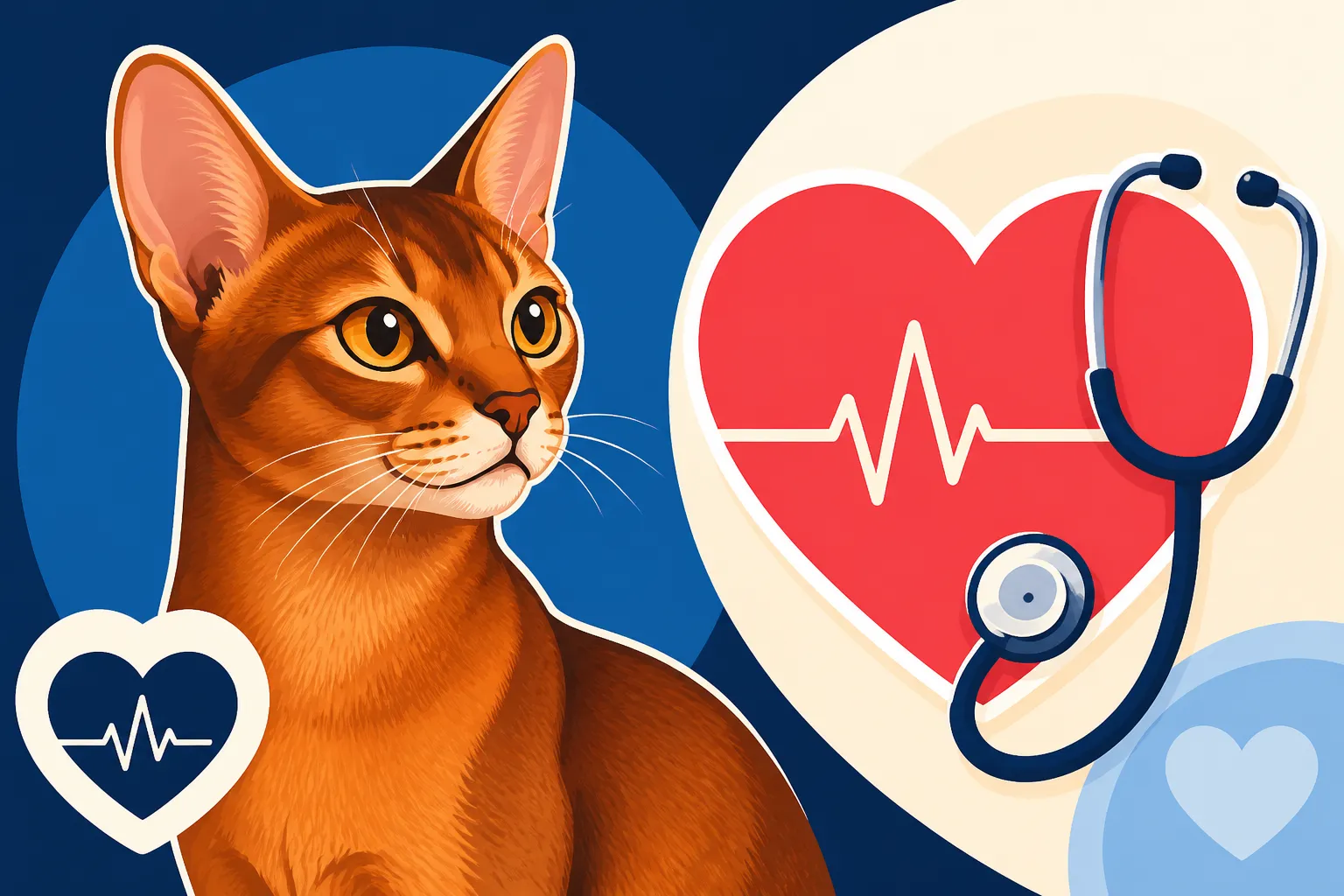
It's incredibly worrying when you start thinking about all the potential health issues our beloved Abyssinian cats could face, especially those silent conditions that can creep up without much warning. As devoted cat parents, we naturally want to do everything we can to ensure our energetic companions live long, healthy lives. This guide will walk you through what you need to know about heart disease in Abyssinians, whether routine screening is truly necessary, and what steps you can take to protect your feline friend's ticker.
The Realities of Abyssinian Heart Health
When we talk about specific breed health concerns, certain diseases often jump to the forefront for Abyssinians, like Pyruvate Kinase Deficiency or PRA-rdAc, which are well-documented and have clear genetic tests. Heart disease, however, is a different beast entirely. It's not typically listed as a primary breed-specific genetic concern for Abyssinians in the same way it might be for a Maine Coon or a Ragdoll. This doesn't mean Abyssinians are immune to heart issues, just that the breed isn't predisposed to them at the same alarming rates as some others.
It's easy to get swept up in the vast amount of information out there about feline health, and sometimes, that can lead to unnecessary anxiety. The key here is understanding the general risks all cats face versus specific risks unique to your Abyssinian. While you might be focused on The Abyssinian Has Three DNA Tests and One Disease With None, heart health is an area where general feline veterinary care often takes precedence over breed-specific screening protocols for healthy, asymptomatic cats.
So, while we're not usually talking about widespread, inherited heart conditions unique to Abyssinians, it’s still a vital area of health to monitor throughout their life. Any cat, regardless of breed, can develop heart problems, particularly as they age. This is why regular veterinary check-ups are so paramount – they are the first line of defense against a myriad of health challenges, including subtle cardiac changes that might otherwise go unnoticed.
Hypertrophic Cardiomyopathy HCM in Abyssinians
Hypertrophic Cardiomyopathy, or HCM, is by far the most common heart disease in cats, affecting many breeds and mixed breeds alike. Essentially, it's a condition where the muscular walls of the heart, particularly the left ventricle, become abnormally thick. This thickening reduces the heart's ability to pump blood effectively, leading to a range of potential issues from mild to severe, including congestive heart failure, blood clots, or even sudden death.
While HCM is a significant concern for breeds like the Maine Coon, Ragdoll, and Sphynx, where specific genetic mutations have been identified and routine screening is strongly recommended by feline cardiologists, the Abyssinian breed is not typically considered to be genetically predisposed to HCM. This is a crucial distinction. You won't find universal recommendations for routine, annual echocardiograms for every healthy Abyssinian kitten or adult, unlike for those highly affected breeds.
That said, it doesn't mean an Abyssinian can't develop HCM. It simply means the incidence rate is likely closer to that of the general cat population, without a known specific genetic mutation driving it within the breed itself. If a heart murmur is detected during a routine exam, or if your Abyssinian shows any concerning symptoms, then further investigation for HCM or other heart conditions becomes absolutely necessary, just as it would for any other cat.
Other Cardiac Concerns
Beyond HCM, other heart conditions can affect cats, though they are generally less common. These can include dilated cardiomyopathy (DCM), which used to be more prevalent before the importance of taurine in cat diets was understood, or various congenital heart defects that are present from birth. Some cats can also develop secondary heart problems due to other underlying health issues, such as hyperthyroidism or high blood pressure, particularly in older animals.
For an Abyssinian, these other cardiac concerns are even less likely to be breed-specific. Congenital defects, while rare, can appear in any animal. Dilated cardiomyopathy is now uncommon with proper nutrition. Therefore, the focus remains on vigilant general veterinary care and being aware of any changes in your cat's behavior or physical condition that might hint at a problem.
The excellent news is that Abyssinians are typically a very robust and active breed, and a veterinarian's keen ear during a check-up can often catch early signs of a murmur or arrhythmia, prompting further investigation. Just as important as genetic testing for conditions like Pyruvate Kinase Deficiency Is the Abyssinian's Best Known Test or PRA-rdAc Takes an Abyssinian's Sight by Five, regular physical exams are paramount for overall health, including cardiac well-being.
Screening Methods for Feline Heart Disease
When a vet suspects heart trouble, or when an owner is proactively investigating, there are several tools at their disposal. It's not always a one-size-fits-all approach, and often, a combination of methods gives the most comprehensive picture of your Abyssinian's heart health. Understanding these methods can help you feel more informed when discussing options with your veterinarian.
These diagnostics are usually recommended when there's a clinical suspicion of heart disease, such as a newly detected heart murmur, a history of fainting spells, or labored breathing. Proactive screening in breeds not known for specific genetic heart disease often depends on individual circumstances and owner preference, weighing the benefits against the potential stress and cost to the cat.
Should an unexpected vet bill arise for these diagnostics, having pet insurance like Healthy Paws can make a real difference, allowing you to focus on your cat's health rather than financial strain. It's a thoughtful way to prepare for the unexpected twists and turns in your Abyssinian's long life.
Echocardiogram
The echocardiogram is considered the gold standard for diagnosing feline heart disease. It's essentially an ultrasound of the heart that allows a veterinary cardiologist (or a general practitioner with advanced training) to visualize the heart's structure and function in real-time. During an echo, the vet can measure the thickness of the heart walls, assess the size of the chambers, and observe how well the valves are working and how blood is flowing.
For your Abyssinian, an echocardiogram is a non-invasive procedure, though it does require the cat to lie still, usually on their side. Most cats tolerate this well, often with just a technician gently holding them. Sedation is sometimes used for very anxious cats, but it's often not needed. The fur on their chest will be clipped in a small area and ultrasound gel applied to get clear images. The whole process usually takes anywhere from 30 minutes to an hour.
The information gathered from an echocardiogram is incredibly detailed and precise. It can confirm the presence of HCM, assess its severity, identify other structural abnormalities, and guide treatment plans. If your Abyssinian has a heart murmur, an echocardiogram is the best way to determine if it's benign or indicative of serious heart disease. This level of detail is something no other screening method can provide.
ProBNP Blood Test
The ProBNP blood test is a fantastic screening tool that acts as a biomarker for cardiac stretch and stress. When a cat's heart muscle is under strain or enlarged, it releases certain proteins into the bloodstream, one of which is N-terminal pro-B-type natriuretic peptide (NT-proBNP). A higher level of this peptide in the blood can indicate the presence of heart disease.
This test is often used as an initial screening for cats with a heart murmur or other subtle signs, or even for seemingly healthy cats before anesthesia, to help assess their cardiac risk. It's less invasive than an echocardiogram, requiring only a simple blood draw that can be done during a routine vet visit. A positive result (elevated ProBNP) doesn't diagnose a specific heart condition, but it flags that further investigation, usually an echocardiogram, is warranted.
Conversely, a normal ProBNP level in an asymptomatic cat is usually quite reassuring, suggesting that significant heart disease is unlikely at that moment. However, it's not foolproof and shouldn't replace a thorough physical exam or an echocardiogram if clinical signs are present. It's another piece of the puzzle, providing valuable insights into potential cardiac issues and helping vets decide if more in-depth, and often more costly, diagnostics are truly needed.
Auscultation and Physical Exam
Before any fancy tests, the most fundamental and frequent form of heart screening your Abyssinian receives is during their regular physical examination at the vet. This involves the veterinarian listening to your cat's heart with a stethoscope – a process called auscultation. They'll be listening for heart murmurs, which are abnormal sounds caused by turbulent blood flow, or for any irregular heart rhythms (arrhythmias).
A heart murmur doesn't automatically mean your Abyssinian has serious heart disease. Many murmurs, especially in young, energetic cats, can be "innocent" or physiological, meaning they aren't associated with structural heart disease. However, any murmur, particularly one that's new or changes in intensity, warrants further investigation. The vet will also be checking your cat's general condition, looking at their mucous membranes for color (pale gums can indicate issues like anemia), assessing their pulse, and feeling their belly.
During a routine check-up, your vet will also be looking for other subtle clues that might suggest heart problems, even if your Abyssinian is still acting like their usual busy self. Things like subtle changes in breathing rate, unexpected weight loss (even in a lean cat, this can be a flag, as discussed in Why a Lean Abyssinian Hides Illness Longer Than a Heavy Cat), or changes in energy levels can sometimes point to underlying issues that might include the heart. This comprehensive approach is why annual or bi-annual wellness exams are so vital for maintaining The Twelve to Fifteen Years an Abyssinian Usually Gets.
When and Why to Consider Screening
Deciding when and if to screen your Abyssinian for heart disease can feel like a big decision. Unlike some breeds where blanket screening recommendations are widely accepted due to high incidence rates of inherited conditions, the Abyssinian's situation is a bit different. It’s less about routine, breed-wide screening for asymptomatic cats and more about targeted investigation when warranted.
A responsible breeder, for instance, should have already cleared the parents of your kitten for conditions like PK deficiency and PRA-rdAc. You can learn more about What an Abyssinian Breeder Should Have Tested Before You Buy. However, specific cardiac screening isn't usually part of that standard health panel for Abyssinians. This means the onus often falls to the owner and their vet to monitor for signs as the cat grows and ages.
The general advice is to maintain open communication with your veterinarian and be observant of your cat's behavior. Don't hesitate to ask questions during their annual check-up about heart health, especially as they enter their senior years. Proactive discussions can help you make informed decisions about your Abyssinian's well-being.
Breed-Specific Recommendations vs. General Cat Care
For breeds highly susceptible to inherited heart conditions, like Maine Coons with their known HCM mutation, breeders and veterinary cardiologists often recommend regular echocardiograms starting at a young age, sometimes annually. This is considered breed-specific screening because the risk is so significantly elevated within that particular genetic pool. You might even want to ask Whether an Abyssinian Should Be Screened for Heart Disease if you were considering another breed.
For Abyssinians, however, there isn't a strong, widespread recommendation for routine echocardiograms in the absence of a murmur or symptoms. The breed is simply not identified as having a significantly higher prevalence of inherited heart disease compared to the general cat population. Therefore, your Abyssinian's heart health care falls more squarely into the realm of excellent general cat care. This includes annual physical exams, monitoring for any changes, and prompt veterinary attention if any concerns arise.
It's important not to confuse this with a lack of concern for heart health; it simply means that the approach to screening is different. Instead of routine, expensive specialist scans, the emphasis is on your vet's skilled observation during check-ups and your attentiveness to your Abyssinian's energetic personality. Remember, What an Abyssinian's Annual Checkup Costs is money well spent to catch potential problems early.
Signs That Warrant a Vet Visit
Even without specific breed predispositions, it's crucial for every Abyssinian owner to be vigilant for signs that could indicate heart trouble. Our active, playful Abyssinians can often mask illness for a surprising amount of time, but certain symptoms should never be ignored. Early detection is absolutely key in managing heart disease effectively.
If you notice any of these signs, don't delay in contacting your veterinarian:
- Changes in Breathing: This is perhaps the most critical sign. If your Abyssinian starts breathing faster than usual, especially when resting or sleeping (more than 30 breaths per minute), or if they seem to be breathing with more effort (abdominal breathing, open-mouth breathing), seek immediate veterinary attention.
- Lethargy or Weakness: A sudden decrease in activity, unusual tiredness, or an unwillingness to play or climb, especially if your cat is typically very energetic, can be a red flag. Your Abyssinian might just seem "off."
- Loss of Appetite or Weight Loss: While Abyssinians are typically good eaters, a noticeable decrease in appetite or unexplained weight loss should always prompt a vet visit.
- Coughing: While less common in cats with heart disease than in dogs, a persistent cough, especially if accompanied by other signs, warrants investigation.
- Fainting or Collapse: Any episode of fainting, weakness, or collapse is an emergency and requires immediate veterinary care.
- Hind Limb Weakness or Paralysis: This is a very serious and painful symptom often associated with a saddle thrombus (a blood clot that breaks off from the heart and lodges in the aorta, blocking blood flow to the hind legs), which is a complication of advanced heart disease. This is an absolute emergency.
If you observe any of these symptoms, don't wait. Your vet can perform a physical exam, listen to the heart, potentially run a ProBNP blood test, or recommend an echocardiogram to get a clear picture of what's happening. Many pet owners, especially those with an active Abyssinian, find peace of mind enrolling in pet insurance like Healthy Paws, knowing that the cost of diagnostics and potential long-term treatment can be supported.
The Role of a Breeder in Heart Health
While Abyssinians aren't singled out for specific inherited heart disease screening like some other breeds, a responsible breeder plays a vital role in the overall health of their kittens. They are the guardians of the breed lines and should be transparent about the health history of their breeding cats and their ancestors. This is part of What an Abyssinian's Grandparents Reveal About Its Kidneys and other potential issues.
When you're looking for an Abyssinian kitten, a good breeder will be open about any known health issues in their lines, even if those issues are rare for the breed overall. They should be able to tell you about the lifespan of the cat's parents and grandparents, and if any significant health problems, including heart issues, have appeared in previous generations. While they might not have performed echocardiograms on all their breeding cats if it's not a known breed issue, they should be attentive to overall health and temperament.
It’s always a good idea to ask your prospective breeder about the longevity of their cats and the health of their breeding program. They should also provide health guarantees for genetic diseases that are common in Abyssinians. While heart disease might not be explicitly covered in the same way as PK deficiency, a breeder who prioritizes overall health and is transparent about their lines is a good indicator of a responsible breeding program. This transparency helps you avoid situations where What an Untested Abyssinian Most Often Dies Of remains a mystery.
Living with an Abyssinian and Heart Concerns
Finding out your Abyssinian has a heart condition can be unsettling, but it's not necessarily a death sentence. Many heart conditions can be managed, sometimes for years, with appropriate veterinary care and adjustments at home. The goal is always to maintain the best possible quality of life for your energetic companion, ensuring they can still enjoy their climbing and playful antics as much as possible.
It's also about staying calm and informed. Your veterinarian will be your most important resource in navigating a heart disease diagnosis. They will explain the specific condition, the prognosis, and the treatment options available. Remember, Abyssinians are masters at hiding illness, so your attentive observation is crucial for successful management.
Even if your Abyssinian doesn't have heart disease, maintaining a heart-healthy lifestyle for them from kittenhood through their golden years is an act of love. This includes a high-quality diet, plenty of exercise to keep them lean and muscular, and minimizing stress.
Supporting a Cat with Diagnosed Heart Disease
If your Abyssinian is diagnosed with heart disease, your veterinarian will discuss a tailored treatment plan. This often involves medication to help the heart function more efficiently, control fluid buildup, or prevent blood clots. These medications might need to be given daily, sometimes for the rest of your cat's life, and consistent administration is critical for their effectiveness.
Beyond medication, lifestyle adjustments can make a big difference. Keeping your Abyssinian at a healthy weight is paramount, as excess pounds put additional strain on the heart. Monitoring their breathing rate at home, especially while they're sleeping, can be an excellent way to track their condition and detect any worsening signs early. Your vet might even suggest a special diet, particularly if fluid retention is a concern, or if kidney function is also affected, which is sometimes the case in older cats.
Creating a calm, low-stress environment is also beneficial. While Abyssinians are active, they still thrive on routine and stability. Ensure they have comfortable resting spots, plenty of fresh water (perhaps a fountain, as Abyssinians often enjoy them), and easy access to litter boxes. You might need to adjust their play intensity, but generally, moderate activity is still encouraged to maintain muscle mass and overall well-being. Regular check-ups with your vet will be necessary to monitor their response to treatment and adjust medications as needed.
The Importance of Regular Vet Check-ups
We simply cannot overstate the importance of regular veterinary check-ups for your Abyssinian, regardless of their age or perceived health status. These routine visits are not just for vaccinations; they are critical opportunities for your vet to perform a thorough physical exam, listen to your cat's heart and lungs, check their weight, and generally assess their overall health. Early detection of any problem, including subtle signs of heart disease, can significantly impact the success of treatment and your cat's long-term quality of life.
For an Abyssinian, who might not sit on your lap for extended periods or show overt signs of illness until a condition is quite advanced, these vet visits are even more crucial. Your vet can pick up on a new heart murmur, subtle changes in lung sounds, or even just a slight change in body condition that you might not notice at home. As your Abyssinian ages, these check-ups might become even more frequent, perhaps bi-annually, to monitor for age-related conditions.
Think of these visits as an investment in your Abyssinian's health and happiness. They offer a chance for you to ask questions, discuss any concerns you might have, and ensure your cat is getting the best preventive care possible. Remember that When a Middle Aged Abyssinian Needs Yearly Bloodwork is a good time to also revisit heart health discussions. Consistent veterinary care, supported by a pet insurance policy like Healthy Paws, provides a safety net for those unexpected health challenges that can arise throughout your Abyssinian's vibrant life.
| Screening Method | What it Detects | How it Works | Pros | Cons |
|---|---|---|---|---|
| Physical Exam | Heart murmurs, arrhythmias, general health status | Vet listens with stethoscope, observes cat's condition | Non-invasive, routine, often part of general check-up | Can miss early disease; murmurs can be innocent or difficult to hear |
| ProBNP Blood Test | Cardiac stretch/stress biomarkers | Blood sample drawn, analyzed for NT-proBNP levels | Less invasive than echo, good for screening/risk assessment | Not diagnostic for specific disease; can have false positives/negatives |
| Echocardiogram | Heart structure (thickness, size), function, blood flow | Ultrasound of the heart, real-time imaging | Gold standard for diagnosis, detailed, non-invasive | Requires specialized equipment/training, more costly, some cats need sedation |
Disclaimer
This article is for general informational purposes only and does not constitute professional advice. Laws, prices and regulations vary by location and change over time. Consult a qualified professional for guidance on your specific situation.