What an Untested Abyssinian Most Often Dies Of
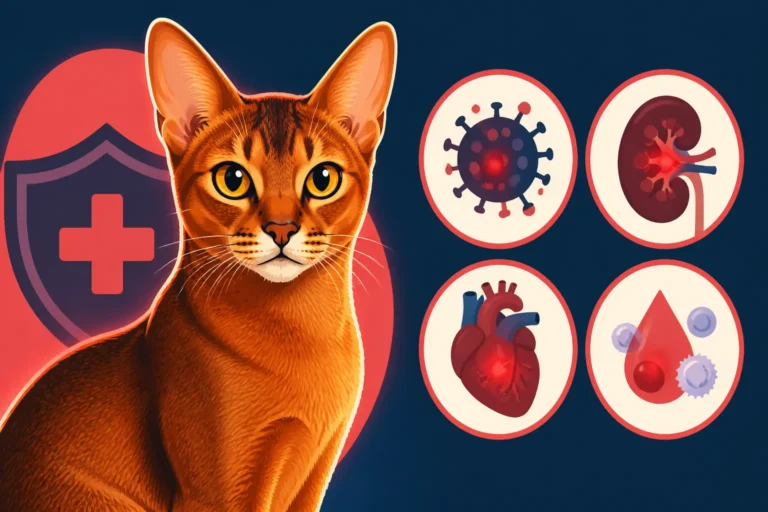
It's truly heartbreaking to think about a beloved Abyssinian falling ill, especially when you feel like you've done everything right. But sometimes, what we don't know can hurt them the most. When an Abyssinian hasn't had the proper genetic health screenings or consistent veterinary oversight, they're often silently battling conditions that can cut their vibrant lives tragically short. This guide aims to shed light on the most common, and often preventable, causes of early death in an untested Abyssinian, helping you understand the risks and champion their health.
The Silent Killer: Renal Amyloidosis in Untested Abyssinians
One of the most insidious threats to an Abyssinian's lifespan is renal amyloidosis. It's a cruel twist of fate for this active, vibrant breed because it's a condition that we don't yet have a specific genetic test for, unlike some other well-known issues. This means that even the most diligent breeders have to rely on careful pedigree research and open communication, and without that transparency, an Abyssinian can be unknowingly predisposed.
Why Amyloidosis Remains Untestable
Imagine a disease that creeps up slowly, depositing an abnormal protein called amyloid in an Abyssinian's kidneys, gradually shutting them down. That's renal amyloidosis. The challenge is that, unlike a clear-cut single-gene mutation, the exact genetic mechanisms for Abyssinian amyloidosis are still being researched and aren't fully understood. This means there isn't a simple DNA swab that can tell you if your cat will develop it or not. It's a frustrating reality for owners and breeders alike, leaving a significant gap in preventative screening. For those trying to understand the complexity, it's a stark contrast to how easy it is to perform How the Abyssinian's DNA Panel Is Ordered.
Because we lack a definitive genetic test, pedigree analysis becomes paramount. A responsible breeder will have extensive knowledge of their lines, tracking the health and longevity of every cat, especially concerning kidney issues. If an Abyssinian comes from a background where this meticulous tracking isn't done, or if the breeder isn't forthcoming, you're essentially flying blind. You might not know that the cat's grandparents or great-grandparents succumbed to kidney failure at a young age, leaving your new companion with a ticking clock you can't even see. This is why What Renal Amyloidosis Is the Abyssinian Problem Nobody Can Test For remains such a critical topic.
The Devastating Progression of Kidney Failure
The tragedy of renal amyloidosis is that by the time overt symptoms appear, significant damage has often already occurred. The amyloid deposits relentlessly build up, replacing healthy kidney tissue, until the kidneys can no longer filter waste products from the blood effectively. This leads to kidney failure, a progressive and ultimately fatal condition. While treatments can manage symptoms and slow progression, they cannot reverse the damage.
The early signs can be incredibly subtle and easily missed in such a busy, high-energy cat. An Abyssinian might just seem a little more tired, drink a bit more water, or have slightly less appetite. These are things many owners might attribute to a warm day or a minor upset stomach. However, in an Abyssinian whose genetic background for this disease is unknown, these seemingly minor changes are red flags that desperately need investigation. Without regular vet check-ups and baseline bloodwork, these crucial early indicators are often overlooked until the disease has progressed too far for meaningful intervention. It's a grim reality that highlights why What Kidney Failure Looks Like in a Young Abyssinian can be so devastating.
Recognizing Subtle Signs in an Active Cat
Abyssinians are masters of disguise when it comes to illness. Their natural energy and playful nature often mean they hide discomfort and pain until a condition is quite advanced. This makes detecting subtle changes in an untested Abyssinian, particularly for something like early kidney disease, incredibly challenging for even the most attentive owner. You might notice they're drinking more water, or perhaps their litter box seems a bit wetter than usual. These are easy to dismiss as normal variations, especially if you have multiple cats or a busy household.
A slight decrease in appetite, a less enthusiastic greeting, or a moment of hesitation before a jump might be the only clues. With a lean, athletic build, an Abyssinian can also hide weight loss better than a heavier cat, making visual assessment difficult for the untrained eye. This is why Why a Lean Abyssinian Hides Illness Longer Than a Heavy Cat is so important to understand. The best defense against this silent progression is proactive veterinary care, including regular blood and urine tests, even when your Abyssinian seems perfectly fine. This is especially true if you don't have a clear health history for their lineage.
Genetic Traps: Pyruvate Kinase Deficiency and PRA-rdAc
Beyond amyloidosis, two other significant genetic diseases can drastically shorten an Abyssinian's life if their parents haven't been properly tested: Pyruvate Kinase Deficiency (PKD) and Progressive Retinal Atrophy (PRA-rdAc). The tragedy here is that these are testable conditions, making their presence in an untested cat entirely preventable. The knowledge is out there, and breeders have access to reliable DNA panels.
The Hidden Threat of PK Deficiency
Pyruvate Kinase Deficiency is a genetic blood disorder that leads to chronic, intermittent anemia. The red blood cells of affected Abyssinians are fragile and break down prematurely, leading to a deficiency of oxygen-carrying cells. Like amyloidosis, it can be sneaky. An affected Abyssinian might experience episodes of lethargy, pale gums, and a lack of energy, which then seem to resolve, only to return later. This waxing and waning nature can lead owners to believe their cat is just having "off" days, or that it's a minor ailment.
Without a genetic test on the parents, you wouldn't know if your Abyssinian inherited two copies of the defective gene, making them affected. If a kitten receives one copy from each parent, they will develop the disease. A carrier, with only one copy, is usually healthy but can pass it on. This is why What PK Deficiency Does to an Abyssinian's Red Cells can have such serious consequences if ignored. A cat showing vague signs like fatigue or paleness might not be diagnosed until they have a severe anemic crisis, requiring emergency veterinary care and potentially blood transfusions, which are stressful and costly. Healthy Paws, or similar pet insurance providers, can be a real lifeline in these unexpected, expensive situations, helping families manage the financial burden of chronic genetic conditions.
Gradual Blindness from PRA-rdAc
Progressive Retinal Atrophy (PRA-rdAc) is another cruel genetic disease that slowly robs an Abyssinian of its sight. It's an inherited condition where the cells in the retina degenerate over time, starting with night vision and eventually leading to complete blindness. What makes this particularly heartbreaking for an untested Abyssinian is that the onset can be very gradual, often not becoming apparent until the cat is a few years old.
An Abyssinian, with its incredible agility and intelligence, can adapt remarkably well to failing eyesight, especially in a familiar environment. They might start bumping into furniture in the dark, or hesitate more when jumping from heights. These subtle changes can easily be attributed to clumsiness or simply a cat "getting older," rather than a progressive disease. By the time an owner notices significant vision loss, the process is already well underway. Understanding How PRA-rdAc Blinds an Abyssinian Slowly helps owners to be more vigilant, but genetic testing removes the guesswork entirely, allowing for informed breeding decisions and preventing affected kittens from being born.
The Critical Role of Parent Testing
The existence of reliable DNA tests for both Pyruvate Kinase Deficiency and PRA-rdAc makes purchasing an untested Abyssinian a significant gamble. Responsible breeders test their breeding cats to ensure they are clear of these conditions or are, at most, carriers who are only bred to clear cats. This meticulous approach guarantees that no affected kittens are produced. An untested Abyssinian means an unknown genetic lottery.
Consider this: if you adopt an Abyssinian from a situation where genetic testing wasn't prioritized, you simply don't have the full picture of their health risks. You might unknowingly bring home a cat destined for anemia or blindness, leading to years of expensive veterinary care, heartbreak, and a significantly shortened lifespan. This is why it’s imperative to know What an Abyssinian Breeder Should Have Tested Before You Buy. Ignoring these tests isn't just irresponsible; it potentially condemns a cat to a life of suffering and its owner to a future of unexpected medical bills. It’s also why many owners consider pet insurance from companies like Healthy Paws for peace of mind, knowing that if an inherited condition does surface, they’ll have support.
Overlooked Health Threats in Unmonitored Abyssinians
Beyond the well-known genetic predispositions, an untested Abyssinian is also more vulnerable to common, yet serious, acquired health problems that can be exacerbated by a lack of regular veterinary care and baseline health knowledge. Without consistent monitoring, problems like severe dental disease, undiagnosed heart conditions, and other age-related illnesses can go unnoticed until they become life-threatening.
Dental Disease and Its Systemic Impact
It might sound surprising, but dental disease is a silent epidemic in cats, and Abyssinians are particularly prone to it. Their specific genetic predispositions, like juvenile gingivitis, can make them lose teeth far younger than most other breeds. If an Abyssinian's dental health isn't routinely checked, or if their gums aren't inspected regularly, severe periodontal disease can develop. This isn't just about bad breath; it's a gateway to systemic illness.
Bacteria from infected gums can enter the bloodstream and travel to vital organs like the heart, kidneys, and liver, causing serious secondary infections and irreversible damage. An Abyssinian with chronic, untreated dental pain may also refuse to eat, leading to rapid weight loss and nutritional deficiencies. Without regular veterinary check-ups that include a thorough oral exam, this problem can fester, turning a treatable issue into a severe, life-threatening condition. Knowing Why an Abyssinian Loses Teeth Younger Than Most Cats emphasizes the need for early and consistent dental care, often a major budget line.
Here's a quick overview of potential health risks related to dental neglect:
| Condition | Impact on Abyssinian | Severity |
|---|---|---|
| Gingivitis | Inflammation of gums, discomfort, bad breath | Moderate |
| Periodontal Disease | Bone/tissue loss around teeth, pain, tooth loss | High |
| Tooth Resorption | Painful erosion of tooth structure, common in Abyssinians | High |
| Systemic Infection | Bacteria spread to heart, kidneys, liver | Critical |
| Anorexia | Painful eating leads to severe weight loss | Critical |
The Dangers of Undiagnosed Heart Conditions
While not as commonly discussed as amyloidosis or PK deficiency, heart disease, particularly hypertrophic cardiomyopathy (HCM), can affect any cat breed, including Abyssinians. HCM is a thickening of the heart muscle, making it less efficient at pumping blood. In an active breed like an Abyssinian, symptoms might be very subtle initially, such as slight shortness of breath after intense play, or a reduction in their usual energy levels.
Without a vet performing annual physicals that include listening to the heart for murmurs or rhythm abnormalities, an undiagnosed heart condition can progress unnoticed. A cat with advanced HCM is at risk of sudden cardiac events, blood clots, or congestive heart failure. These are often emergencies that can be fatal without immediate intervention. An untested Abyssinian, without this basic health monitoring, is simply more vulnerable to these hidden threats that could otherwise be managed with medication to improve quality of life and potentially extend their lifespan.
Other Age-Related and Acquired Illnesses
As Abyssinians age, like all cats, they become susceptible to various other health conditions. Without a history of consistent veterinary care, these can also become fatal. Issues such as hyperthyroidism, diabetes, or certain cancers, while not unique to the breed, require early detection and ongoing management. A cat that hasn't had regular bloodwork or check-ups often only presents symptoms when the disease is quite advanced.
For instance, hyperthyroidism can cause weight loss despite a ravenous appetite, which in an already lean Abyssinian might be misinterpreted as just "being an Abyssinian." However, if left untreated, it can lead to severe cardiac problems and other organ damage. Routine vet visits, where a baseline of health is established and maintained, are crucial. This allows for early intervention and ensures that a treatable condition doesn't escalate into a life-threatening crisis. Knowing When a Middle Aged Abyssinian Needs Yearly Bloodwork is key to staying ahead of these potential issues. Pet insurance, such as a plan from Healthy Paws, can significantly ease the financial burden of managing these chronic conditions over a cat's lifetime.
The Lifeline of Proactive Veterinary Care and Insurance
The term "untested Abyssinian" truly encompasses more than just genetic tests. It speaks to a lack of comprehensive health information that can leave both cat and owner vulnerable. Proactive veterinary care, coupled with financial planning, is the best defense against the devastating consequences of unknown or overlooked health issues.
Establishing a Health Baseline
From the moment you bring an Abyssinian into your home, whether it's a kitten or an adult rescue, establishing a comprehensive health baseline is paramount. This means more than just initial vaccinations. It involves a thorough physical examination, a full blood panel, and potentially specialized screenings depending on their age and history. For a kitten, this sets the stage for a lifetime of wellness. For an adult with an unknown past, it provides critical insights into their current health status and any hidden issues.
If you don't have the genetic test results of the parents, then genetic testing for your own Abyssinian becomes even more crucial to understand their individual risks for conditions like PK Deficiency and PRA-rdAc. Even with a perfectly healthy-looking cat, these tests can reveal carrier status or potential for disease down the line. A proactive approach allows you to anticipate potential health challenges, work with your vet to monitor for early signs, and implement preventative strategies.
Early Detection and Management
The beauty of consistent veterinary care is the power of early detection. Regular check-ups allow your vet to spot subtle changes that you, as an owner, might miss or dismiss. A slight elevation in kidney values on a blood test, a minor heart murmur, or early signs of dental disease can all be identified and addressed before they become critical. For instance, if an Abyssinian is predisposed to kidney issues, monitoring their SDMA and creatinine levels regularly can buy precious time.
Managing chronic conditions effectively relies heavily on early diagnosis. Many diseases, once identified in their nascent stages, can be managed with diet, medication, or lifestyle adjustments, significantly extending an Abyssinian's lifespan and improving their quality of life. This proactive management contrasts sharply with the often grim outlook when a disease is only discovered in its advanced, symptomatic stages.
Mitigating Financial Risk with Pet Insurance
One of the most significant frustrations for pet owners is the overwhelming cost of emergency veterinary care or long-term management of chronic illnesses. This financial strain can sometimes lead to difficult decisions about a beloved pet's care. This is where pet insurance, like a comprehensive plan from Healthy Paws, can provide invaluable peace of mind. While it won't prevent diseases, it can remove the financial barrier to accessing the best possible care when your Abyssinian needs it most.
Imagine facing thousands of dollars in bills for an emergency blood transfusion for an anemic Abyssinian due to undiagnosed PK deficiency, or ongoing treatment for renal amyloidosis. A robust pet insurance policy can cover a significant portion of these costs, allowing you to focus on your cat's recovery and well-being rather than your bank account. It's a proactive step that aligns with the philosophy of doing everything you can to ensure your Abyssinian lives a long, healthy, and happy life, especially when dealing with the uncertainties of an "untested" background. Exploring Whether Pet Insurance Is Worth It for an Abyssinian is a conversation every owner should have.
Disclaimer
This article is for general informational purposes only and does not constitute professional advice. Laws, prices and regulations vary by location and change over time. Consult a qualified professional for guidance on your specific situation.