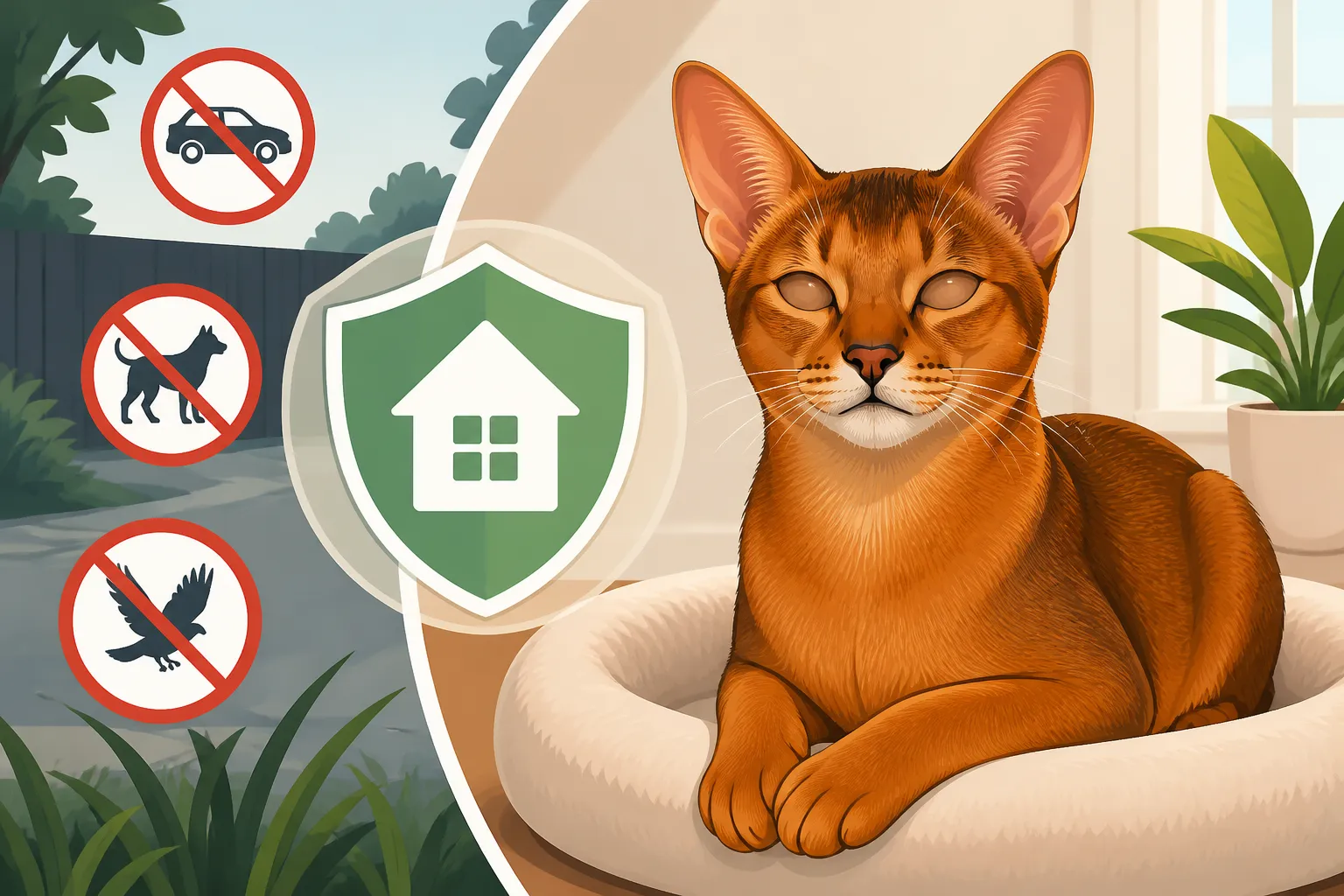
Why a Blind Abyssinian Must Stay Indoors
Discovering that your beloved Abyssinian is losing their sight, or has already lost it, is a profoundly heartbreaking and unsettling experience. Many cat parents grapple with immense guilt and worry, desperately seeking ways to keep their agile and curious companion safe and happy. This guide will meticulously explain why, for the safety and well-being of your blind Abyssinian, an exclusively indoor life isn't just recommended—it's absolutely essential.
The Unique Challenges of a Blind Abyssinian's World
Abyssinians are renowned for their incredible athleticism, boundless energy, and insatiable curiosity. They are natural explorers, climbers, and hunters, traits that are heavily reliant on their keen vision. When that primary sense is diminished or lost, their entire world fundamentally changes, making the great outdoors an incredibly perilous place for them.
Loss of Primary Sensory Input
Imagine navigating your day-to-day life without being able to see. You'd rely on sound, touch, and smell to an extent you never had before. For an Abyssinian, vision is paramount. Their eyes, large and expressive, are designed to track movement, judge distances for those impressive leaps, and identify potential prey or threats in their environment.
When an Abyssinian's sight begins to fade, perhaps due to a condition like progressive retinal atrophy (PRA-rdAc), they initially might try to compensate, often by adjusting their movements or becoming more cautious. You might start to notice subtle shifts, like what an Abyssinian does first as its sight goes, such as bumping into furniture in low light or being more hesitant in new spaces. Their instinctual hunting drives, while still present, are severely hampered without the ability to visually lock onto a moving target. Indoors, within a familiar setup, they can create a mental map and rely on their other senses, but outdoors, the variables are simply too numerous and unpredictable for them to process safely.
Heightened Risks of Outdoor Life
The romantic notion of a cat freely roaming and exploring outdoors, while appealing, is fraught with danger for any cat, let alone one that cannot see. For a blind Abyssinian, these dangers are magnified exponentially. Their natural agility and lightning-fast reflexes, which usually help them evade trouble, become less effective when they can't see what's coming.
Consider a busy street, a common hazard for many outdoor cats. A sighted cat might hear a car, see its approach, and quickly dart out of the way. A blind Abyssinian, even with heightened hearing, cannot accurately gauge the vehicle's speed or direction, making a quick escape incredibly difficult, if not impossible. Even in a seemingly safe backyard, unexpected obstacles like a discarded tool, a new bush, or even a sudden drop in terrain can lead to severe injury. The stress and fear of constantly being disoriented and vulnerable in an ever-changing outdoor environment can also take a significant toll on their mental and emotional well-being, leading to chronic anxiety.
Navigating the Dangers of the Outdoors
The world outside our homes is not designed for a visually impaired feline. From natural predators to man-made hazards, the threats are constant and overwhelming for a cat that relies solely on sound and scent to perceive its surroundings.
Predators and Aggressive Animals
Even in suburban or rural areas, cats face a myriad of predators. Coyotes, foxes, large birds of prey, and even aggressive stray dogs pose a serious threat. A sighted cat might spot a coyote in the distance and have enough warning to flee or find cover. A blind Abyssinian, however, would be utterly defenseless. They wouldn't see the approaching shadow, nor could they accurately judge the direction or distance of a growl or snarl.
Beyond larger predators, other cats can be a significant danger. Cats are territorial, and a blind Abyssinian, stumbling into another cat's domain, would be seen as an easy target. Without the visual cues of body language or the ability to make eye contact (a crucial part of feline communication), they could easily provoke an attack. An injured or frightened blind cat might wander far from home, becoming lost and unable to find their way back, increasing their exposure to further harm. This kind of trauma can have lasting psychological effects, turning a once confident pet into a fearful shadow of themselves.
Traffic and Environmental Hazards
Perhaps the most immediate and undeniable danger for a blind cat allowed outdoors is traffic. Even quiet residential streets have cars, and the sounds of approaching vehicles can be deceptive. A blind Abyssinian cannot ascertain how far away a car is, how fast it's moving, or which direction it will turn. This makes crossing even a seemingly deserted driveway a potentially fatal risk.
Beyond vehicles, the natural and human-made environment itself presents countless pitfalls. Toxic plants, pesticides, antifreeze spills, or even discarded human food can be lethal if ingested. Construction sites, open garages, or sheds where they might accidentally get trapped are all very real possibilities. Consider the common garden pool or pond; a sighted cat might be curious but avoid falling in. A blind cat could easily stumble into deep water, leading to drowning or hypothermia. Even something as simple as a sudden gust of wind that blows debris into their path can cause them to become disoriented, especially if they've already started to forget how a blind Abyssinian maps a house without visual input. The constant threat of these dangers would leave them in a state of perpetual fear, utterly devoid of the safe, predictable world they truly need.
The Importance of a Controlled Indoor Environment
Bringing a blind Abyssinian entirely indoors isn't about confining them; it's about safeguarding them. It's about recognizing their vulnerability and actively creating a haven where they can thrive, feel secure, and engage their incredible remaining senses without fear.
Creating a Safe and Predictable Home
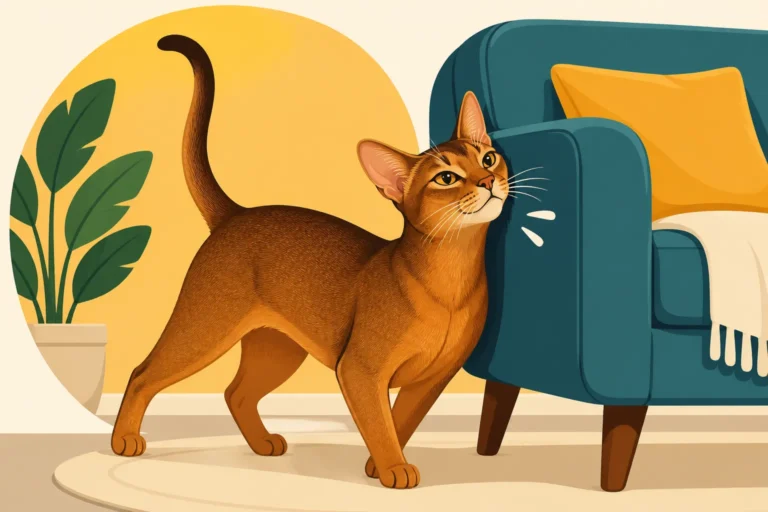
The beauty of an indoor environment for a blind Abyssinian is its predictability. Once they've established their internal map, they can navigate their space with surprising confidence. The key is consistency. What not to move around a blind Abyssinian is crucial: furniture, food bowls, litter boxes, and water sources should remain in fixed positions. Any changes, even minor ones, can be disorienting and cause anxiety.
To help them build and reinforce their spatial memory, you can use various cues. Scent markers, like a unique essential oil (safe for cats, of course, and used very sparingly) near their favorite sleeping spot or scratching post, can help them orient themselves. Different textures of rugs or mats can also provide tactile navigation points. Regular grooming sessions, where you gently run your hands over their body, also help them re-familiarize themselves with their own physical boundaries within their known space. A regular routine for feeding, play, and cuddle times also provides a comforting structure to their day.
Enriching Indoor Life for a Blind Abyssinian
Just because an Abyssinian can't see doesn't mean their innate drive for play and exploration vanishes. Quite the opposite! They need mental and physical stimulation more than ever to prevent boredom and frustration. Their sharp intelligence, a hallmark of the breed, needs an outlet.
- Sound-Emitting Toys: Think crinkle balls, toys with bells inside, or even electronic toys that chirp or squeak. These engage their hearing and allow them to "hunt" effectively.
- Scent Games: Hide treats around the house, encouraging them to use their powerful sense of smell to forage. Puzzle feeders are excellent for this, turning mealtime into a stimulating challenge.
- Vertical Space: Abyssinians are natural climbers. Even blind, they retain this instinct. Providing safe, sturdy cat trees or wall shelves that they can easily navigate (perhaps with textured surfaces or low-rise steps) allows them to still indulge this behavior. It's truly amazing why a blind Abyssinian still climbs, demonstrating their inherent need for elevation. Ensure these climbing routes are consistent and free of clutter.
- Consistent Play Sessions: Daily, interactive play with a wand toy that makes noise or has a strong scent is vital. Dragging a soft toy along the floor can mimic prey, allowing them to pounce by sound and feel. These dedicated sessions not only provide exercise but also reinforce their bond with you. Many owners find that Which Toys an Abyssinian Gets Through in a Year often includes a variety of sound-making and textured items.
- Water Play: Abyssinians often enjoy water. A pet fountain or a shallow bowl with floating toys can offer a fun, sensory experience.
By actively engaging their other senses and maintaining a stimulating yet safe environment, you allow your blind Abyssinian to continue living a full, happy, and confident life indoors. Remember, an indoor Abyssinian, regardless of sight, typically experiences a longer, healthier life. You can read more about why an indoor Abyssinian reaches fifteen more often for general context on this.
Maintaining Well-being and Peace of Mind
Caring for a blind Abyssinian is a commitment, but it's one that brings immense rewards. Knowing you've provided the safest, most stable environment for your vulnerable companion offers invaluable peace of mind.
Preventing Stress and Anxiety
The outdoors, with its unpredictable sights, sounds, and smells, is a constant source of potential stress for any cat, particularly one with a disability. For a blind Abyssinian, every unfamiliar sound could signify a threat, every changing scent a potential predator or obstacle. This constant state of heightened alert can lead to chronic stress, which in turn can manifest as behavioral problems (such as over-grooming or inappropriate urination) or even impact their physical health.
An indoor environment, on the other hand, offers a sanctuary. With predictable routines, familiar scents, and a stable layout, your Abyssinian can relax and truly feel safe. This sense of security is fundamental to their overall well-being and happiness. If they are prone to anxiety, consider consulting with your vet about environmental enrichment or even calming pheromones to create an even more tranquil space. Sometimes, even the smallest changes can upset them, and it's important to recognize why an Abyssinian hates a closed door – they often rely on open pathways to navigate their familiar territory.
The Role of the Owner in Their Safety
As an owner, you become your blind Abyssinian's eyes, their protector, and their guide. Your commitment to keeping them indoors is the single most important decision you can make for their long-term health and safety. This responsibility might seem daunting, especially if your cat was previously an outdoor adventurer, but the benefits far outweigh any perceived limitations.
By providing a safe, stimulating indoor life, you are actively preventing accidents, injuries, and exposure to illness. You're giving them the best chance at a full and happy lifespan, free from the terrifying uncertainties of the outdoor world. This dedication also brings you a profound sense of peace. You won't have to worry about them disappearing, being hit by a car, or falling victim to a predator. While accidents can still happen indoors, they are far less frequent and often less severe than those faced outdoors.
Considering the potential for unforeseen health issues or emergencies that might arise with a blind or aging cat, it's always wise to be prepared. Understanding what an Abyssinian costs to keep every year, especially factoring in potential veterinary care, is important. Many dedicated owners find value in pet insurance for peace of mind. For example, a provider like Healthy Paws can help alleviate the financial strain of unexpected vet bills for everything from routine check-ups to emergency care, allowing you to focus on your Abyssinian's well-being. This can be especially crucial when considering whether pet insurance is worth it for an Abyssinian, given their propensity for certain genetic conditions like PRA-rdAc, where How a Vet Confirms Retinal Atrophy in an Abyssinian often involves specialist visits.
Your Abyssinian's dependence on you is absolute. By choosing an indoor-only life, you are honoring that trust and providing them with the highest quality of care possible.
| Aspect of Safety | Outdoor Environment (Blind Cat) | Indoor Environment (Blind Cat) |
|---|---|---|
| Predators | High risk (coyotes, dogs, other cats) – no visual warning | Virtually no risk |
| Traffic | Extremely high risk (cars, bikes) – cannot gauge speed/direction | No risk from vehicular traffic |
| Environmental Hazards | High risk (toxic substances, open water, falls, getting lost/trapped) | Low risk (controlled, preventable) |
| Disease/Parasites | High risk (feline leukemia, FIV, fleas, ticks, worms from other animals) | Very low risk (controlled exposure) |
| Stress/Anxiety | Constant high stress from unpredictable stimuli | Low stress due to predictability and safety |
| Injury Risk | High (falls, fights, getting hit) | Low (stable environment, owner supervision) |
| Owner Peace of Mind | Very low (constant worry) | High (knowing cat is safe and secure) |
Disclaimer
This guide offers general information and recommendations. Always consult with a qualified veterinary professional for specific advice regarding your individual Abyssinian cat's health and care needs, especially concerning vision loss and ongoing management. They can provide tailored guidance based on your cat's specific condition and circumstances.