How a Blind Abyssinian Maps a House
Discovering your energetic Abyssinian is starting to lose their sight, or has already become blind, can be absolutely devastating. You might feel a wave of panic, imagining your usually graceful and adventurous cat bumping into everything, losing their joy, and living in constant fear. It’s a natural worry, but the truth is, cats are incredibly adaptable, and Abyssinians, with their sharp minds and keen senses, have an astonishing ability to map their environment in ways we humans can barely comprehend. This guide will delve deep into how a blind Abyssinian cat navigates and thrives in their home, transforming their other senses into a powerful, internal GPS.
Understanding Feline Vision Loss and Adaptation
When vision begins to fade in a cat, it's not like flipping a switch. For many Abyssinians, particularly with conditions like PRA-rdAc, the process can be gradual, giving them time to adjust. This slow decline allows them to start building their internal map long before they are fully blind, using residual vision to reinforce spatial memories. Even with sudden blindness, cats have an innate capacity to recalibrate their world.
The Gradual Process of Losing Sight
It’s often heartbreaking to watch your vibrant Abyssinian begin to stumble or hesitate. Many owners first notice subtle changes, like their cat missing a jump that was once second nature, or seeming more cautious in dim lighting. For a condition like PRA-rdAc, which can take an Abyssinian's sight by five, it often starts with a loss of night vision. Your cat might initially navigate fine during the day but become disoriented as dusk falls. This gradual transition is actually a blessing in disguise, as it provides a crucial window for your Abyssinian to start relying more heavily on their other senses. They'll begin to pay closer attention to the textures under their paws, the subtle air currents indicating open spaces, and the echoes of their own movements. You might notice them using their whiskers more actively, sweeping them across surfaces as they move, gathering crucial tactile information. If you're observing these early signs, it's vital to consult your vet immediately. Understanding what an Abyssinian does first as its sight goes can help you intervene and support them earlier.
How Abyssinians Compensate for Lost Vision
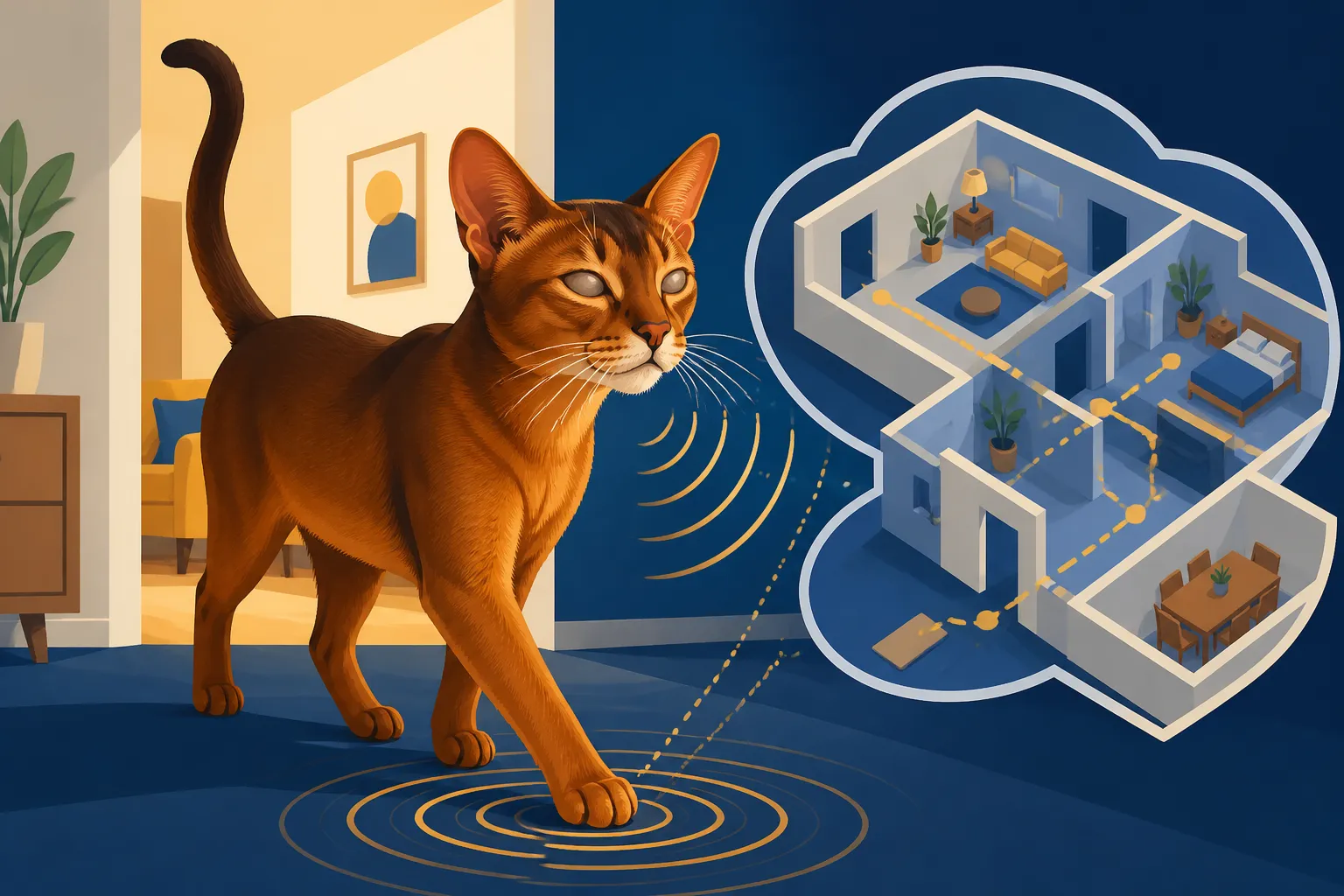
Abyssinians are known for their intelligence and high energy, traits that serve them incredibly well when adapting to blindness. They don't just "cope"; they actively re-engineer their perception of space. Their exceptional hearing, sensitive whiskers, and powerful sense of smell become primary navigation tools. Imagine walking into a familiar room in complete darkness – you'd likely extend your hands, listen intently, and try to recall the layout. An Abyssinian does something similar, but with far greater finesse. They create a mental blueprint of their home, based on an intricate web of sensory input. This isn't just about avoiding obstacles; it's about understanding the entire spatial landscape, recognizing landmarks, and knowing exactly where they are in relation to everything else. Pet insurance providers like Healthy Paws often highlight the importance of early detection and ongoing care for such conditions, as consistent veterinary support can greatly improve your cat's quality of life.
The Abyssinian's Sensory Superpowers for Navigation
A blind Abyssinian doesn't simply stumble through life; they construct a rich, detailed mental map of their territory using their enhanced non-visual senses. This map is constantly updated and incredibly precise.
Building a Scent Map of the Home
Think about how powerfully scents evoke memories for us. For a blind Abyssinian, scent is a constant, real-time data stream, painting a rich, three-dimensional picture of their environment. Every piece of furniture, every wall, every person, and every pet has a unique scent signature. Your Abyssinian meticulously catalogues these. The sofa smells like you and them, the kitchen has the aroma of past meals, and the litter box has its distinct odor. These aren't just background smells; they are fixed points on their internal GPS. As they move, the changes in scent intensity guide them, indicating proximity to objects or open spaces.
They’ll also use scent trails – their own, and yours – to identify pathways. A cat might rub against a door frame, leaving its mark, and later use that scent to confirm its location. This is why consistency is so crucial: moving a large piece of furniture not only disrupts their tactile and auditory map but also their established scent landscape, making navigation temporarily confusing. Understanding this sensory process helps us appreciate why what not to move around a blind Abyssinian is so important for their confidence.
The Power of Whisker and Paw Sensitivity
An Abyssinian's whiskers, or vibrissae, are far more than just decorative facial hair; they are sophisticated sensory organs, akin to miniature radar systems. These long, stiff hairs are deeply rooted in nerve-rich tissue and can detect subtle changes in air currents and vibrations, providing information about nearby objects without direct contact. As your blind Abyssinian moves through a room, their whiskers are constantly sweeping, measuring the width of an opening, sensing a wall before they bump it, or detecting the presence of another creature.
But it’s not just the whiskers. Their paws are incredibly sensitive, too. The pads of their feet can detect minute changes in floor texture, temperature, and even air pressure. The transition from a smooth wooden floor to a textured rug, or from cool tile to warm carpet, becomes a significant landmark. They’ll also gauge vibrations in the floor, giving them a sense of movement and the presence of others. Imagine the intricate detail of this tactile map – every crevice, every rug fiber, every temperature difference becomes a crucial piece of information. This sensitivity is part of why they can still be incredibly agile, despite their lack of sight.
Echolocation and Auditory Cues
While cats don't use echolocation in the same way bats or dolphins do, they do utilize sound reflections to a remarkable degree. They are incredibly attuned to the way sound bounces off surfaces, which helps them judge distances and the size of open spaces. A high-ceilinged room will sound different from a low-ceilinged hallway, for example. The echo of their own footsteps, the gentle swish of their tail, or a soft chirp can give them feedback about their surroundings.
Beyond echolocation, environmental sounds provide critical cues. The hum of the refrigerator, the distant rumble of traffic, the chirping of birds outside a window, or even the subtle creak of floorboards become part of their mental map. They learn which sounds correlate with specific locations and times of day. This is why a consistently quiet home might actually be more disorienting for a blind cat; a steady stream of familiar, predictable sounds can help them orient themselves. This keen hearing also helps them understand your location, responding to your voice even if they can't see you. For continued peace of mind regarding your Abyssinian's overall health, including any auditory concerns, pet insurance like Healthy Paws can cover unexpected veterinary expenses, giving you one less thing to worry about.
Creating a Safe and Predictable Environment
Once you understand how your blind Abyssinian maps their world, you can make intentional choices to support their incredible adaptation. The goal isn't to prevent them from moving, but to empower them to do so confidently and safely.
Maintaining a Consistent Home Layout
This is arguably the most crucial step. Once your Abyssinian has built their mental map, any significant change can be incredibly disorienting and stressful. Imagine if someone rearranged your furniture in your bedroom every week when you were asleep – it would be incredibly frustrating to navigate in the dark. For your blind Abyssinian, it's exactly like that. Large furniture, cat trees, litter boxes, and food and water bowls should remain in their established locations.
If you absolutely must move something, do it gradually, or introduce the change slowly, giving your cat ample time to re-map. For instance, if you get a new armchair, place it close to the original spot for a few days, letting your cat investigate it thoroughly with their nose and whiskers before moving it to its final position. You should also ensure that pathways remain clear and free of clutter. Things like laundry baskets, kids' toys, or shoes left haphazardly on the floor can become unexpected obstacles, leading to bumps and undermining your cat's confidence. Remember, their safety and self-assurance depend on the predictability of their environment.
Strategies for Safe Navigation and Enrichment
Just because your Abyssinian can't see doesn't mean they've lost their zest for life or their love for climbing. In fact, why a blind Abyssinian still climbs is often because it’s a deeply ingrained instinct and a form of enrichment. You don't need to turn your home into a padded cell. Instead, focus on making their favorite activities safe.
- Vertical Space: Abyssinians are natural climbers. Ensure any cat trees are sturdy and stable. You might consider adding ramps or extra steps to higher perches to make access easier and safer. Soft landings, like thick rugs or pet beds, placed below favorite climbing spots, can also offer a cushion in case of a misstep. If your Abyssinian used to love exploring high shelves, you can still provide this by ensuring they have a consistent, clear path and stable surfaces.
- Sensory Markers: Consider using different textured rugs or mats to mark important areas, like leading to the food bowl or litter box. A distinct scent, safely applied to a specific area (like a drop of lavender essential oil on a piece of fabric near their bed, never directly on the cat), can also serve as a useful beacon.
- Sound Cues: When you approach your Abyssinian, speak to them softly so they know you're there and aren't startled. You might also wear a small bell on your shoe to give them an auditory cue to your location. For interactive play, consider toys that make noise, like crinkle balls or toys with bells, to engage their hunting instincts. This can also be an excellent way to continue their enrichment and exercise, which is crucial for such an active breed. Even as an Abyssinian's energy changes after seven, they still need engaging play.
Utilizing Pet-Proofing Techniques
Beyond simply not moving furniture, active pet-proofing is essential. This means looking at your home from your Abyssinian's perspective, especially for an animal that loves to explore and get into things.
- Hazard Removal: Secure loose electrical cords, as a blind cat might chew on them if they encounter them unexpectedly. Block off any small, dangerous crevices or openings where they could get stuck. Secure cabinets with childproof latches, especially those containing cleaning supplies or medications.
- Edge Protection: For sharp table corners or hard edges at cat-level, consider applying corner guards, like those used for toddlers. While Abyssinians are usually agile, an unexpected bump can still happen and cause injury.
- Water Bowls: Provide multiple water bowls in easily accessible, consistent locations. Some blind cats prefer fountains, as the sound of running water helps them locate it. Keeping your Abyssinian well-hydrated is always important, especially given that breeds like Abyssinians can be prone to kidney issues, as What Renal Amyloidosis Deposits in an Abyssinian's Kidney describes.
Emotional Well-being and Continued Enrichment for Your Blind Abyssinian
Adapting to blindness isn't just about physical navigation; it's also deeply tied to your Abyssinian's emotional state. A confident, happy blind cat is one that feels secure and loved in their environment.
Maintaining Routine and Building Confidence
Predictability is a comfort blanket for a blind cat. Stick to a consistent daily routine for feeding, playtime, and cuddle sessions. This provides a clear structure to their day and reduces anxiety. A blind Abyssinian relies heavily on these established rhythms. For example, feeding them at the same time each day helps them anticipate meals, reducing stress.
When interacting with your blind Abyssinian, always approach them gently and speak to them before touching. This prevents startling them and reinforces trust. Encourage exploration in their familiar spaces. If they seem hesitant, gently guide them with your voice or a light touch. Reward brave explorations with praise or a small treat. Over time, you’ll see their confidence blossom as they master their environment. Sometimes, you might even find them being more vocal, their chirps and trills serving as a way to communicate their location and mood, as discussed in How Vocal an Abyssinian Actually Is.
Engaging Senses Beyond Sight
Playtime is still vital for a blind Abyssinian, and it's a fantastic way to engage their other senses and provide mental stimulation.
- Auditory Toys: Crinkle balls, toys with bells inside, or even a remote-controlled toy that makes noise can be incredibly engaging. Wand toys with feathers can be swished and rustled along the floor for them to track by sound.
- Scent-Based Play: Hide treats around the room for them to "hunt" using their powerful noses. Puzzle feeders that require them to use their paws and nose to extract food can provide hours of mental stimulation. This foraging behavior is natural for cats and deeply satisfying.
- Tactile Stimulation: Offer a variety of textures in their sleeping areas and play zones. Different blankets, soft beds, and even textured grooming mitts can provide enjoyable sensations. Gentle massage can also be very soothing and help them feel connected to you. Even an old Abyssinian slows down from age, but they still benefit from sensory engagement.
The Importance of Human Connection
Your bond with your Abyssinian becomes even more profound when they lose their sight. They rely on you for safety, guidance, and affection. Spend quality time interacting with them, whether it's through gentle petting, talking to them, or engaging in scent and sound-based play. Your reassuring presence is their anchor in a world they can no longer see.
Some owners even find that their blind Abyssinians become more affectionate, seeking out physical closeness as a way to stay connected. Remember, a quiet Abyssinian is telling you something might be wrong, so pay close attention to any changes in their behavior or demeanor. While insurance like Healthy Paws can help manage the costs of ongoing care and unexpected health issues, the emotional support you provide is truly invaluable. Your love and patience will be the guiding light for your blind Abyssinian, allowing them to lead a full, happy, and confident life.
| Sensory Input | How a Blind Abyssinian Uses It | How You Can Support It |
|---|---|---|
| Scent | Creates a detailed map of objects, people, and areas. | Maintain consistent litter/food locations; avoid strong, new perfumes. |
| Touch | Whisker radar, paw pad texture/temperature detection. | Keep floors clear; use textured mats as landmarks; trim claws regularly. |
| Hearing | Judges distances via sound reflections, identifies location by ambient noise. | Talk before touching; use noisy toys; maintain predictable household sounds. |
| Memory | Recalls spatial layouts, routes, and object positions. | Crucially, avoid moving furniture or major items around the house. |
| Vibrations | Detects movement of people/pets on surfaces. | Approach gently; ensure sturdy climbing structures. |
Disclaimer
The information provided in this article is for general informational purposes only and is not a substitute for professional veterinary advice. Always consult with a qualified veterinarian for any health concerns or before making any decisions related to your pet's care, especially regarding vision loss or adapting a home for a blind cat.