Which Patella Grade an Abyssinian Can Live With
It’s a heartbreaking moment when your usually agile Abyssinian, known for its incredible leaps and boundless energy, suddenly shows a hint of lameness or hesitation. Joint issues, particularly patellar luxation, can be a hidden concern in these active felines, leaving many owners wondering how serious it is and what their beloved cat's future might look like. This comprehensive guide will walk you through the specifics of patellar luxation in Abyssinians, detailing the grading system, what each grade means for your cat's quality of life, and how you can best support them, ensuring they continue to live their best, bounciest life.
Understanding Patellar Luxation in Abyssinians
Patellar luxation, often simply called a "slipped kneecap," is a condition where the patella (kneecap) dislocates or moves out of its normal groove in the thigh bone (femur). While more commonly associated with dogs, especially smaller breeds, it absolutely affects cats, and active, athletic breeds like the Abyssinian can be particularly susceptible. It's not just a minor inconvenience; it can range from a fleeting skip in their step to severe, debilitating lameness, impacting their ability to run, jump, and play.
What Exactly Is Patellar Luxation?
Imagine your kneecap as a small, almond-shaped bone that sits in a specific groove at the end of your thigh bone. It's held in place by tendons and ligaments, allowing your leg to extend and flex smoothly. In a cat with patellar luxation, this kneecap occasionally or consistently pops out of that groove. It can slip either to the inside (medial luxation, which is more common in cats) or the outside (lateral luxation) of the leg. This dislocation can cause pain, discomfort, and instability in the joint, making movement difficult or awkward.
It's often a congenital or developmental condition, meaning Abyssinians can be born with anatomical abnormalities that predispose them to it. This might include a shallow patellar groove, a crooked thigh bone or shin bone, or imbalances in the muscles and ligaments surrounding the knee. Over time, and with the high-impact activities Abyssinians are known for, these subtle predispositions can lead to visible symptoms.
Why Are Active Breeds Like Abyssinians Prone to It?
Abyssinians are renowned for their incredible athleticism. They are climbers, jumpers, and runners, often described as "cats on springs." This constant, high-energy movement puts a lot of stress on their joints. While their agility is one of their most charming traits, it also means that any underlying structural weakness in their knees is more likely to become problematic. The repetitive impact from their impressive leaps and quick changes in direction can exacerbate an already predisposed joint.
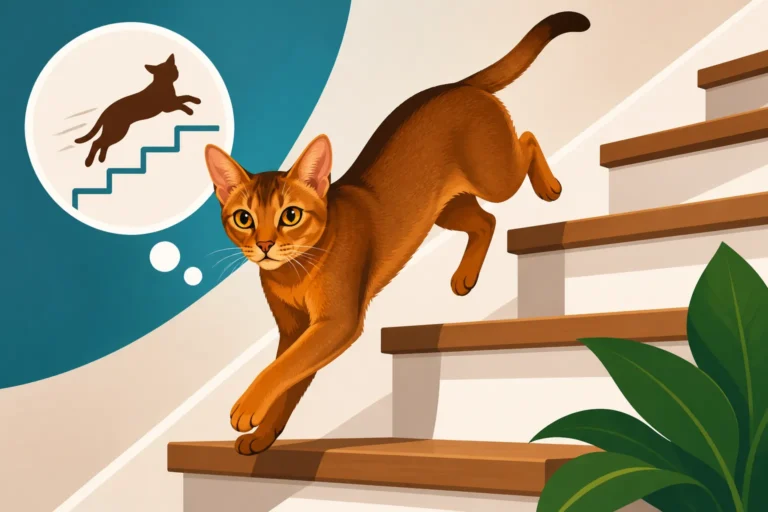
Think about a typical Abyssinian's day: scaling a cat tree in a single bound, launching off the back of a sofa, chasing a wand toy at breakneck speed, or navigating their intricate wall shelves. All these activities involve powerful flexion and extension of the hind legs. If the patella isn't perfectly seated in its groove, each jump and land can cause it to pop out, leading to friction, inflammation, and potential cartilage damage over time. This is why paying attention to how Patellar Luxation Shows in a Jumping Abyssinian is so crucial for early detection. Their robust energy can mask early signs, making it harder for owners to spot the problem until it's more advanced.
How Does It Typically Manifest?
The signs of patellar luxation in an Abyssinian can vary widely depending on the severity of the luxation and how often it occurs. Sometimes, you might not notice anything at all, especially with lower grades. Other times, it's quite obvious.
Common signs include:
- Intermittent Lameness: This is often the first and most noticeable sign. Your Abyssinian might suddenly pick up a hind leg for a few steps, holding it up as if something is bothering them, and then put it down and walk normally again. This "skipping" gait is characteristic.
- Bunny Hopping: In more severe cases, your cat might start to walk or run with both hind legs moving together, almost like a bunny, to avoid fully extending the affected knee.
- Reluctance to Jump or Climb: An Abyssinian that suddenly avoids its favorite cat tree or struggles to reach familiar high perches is a huge red flag. This breed lives for vertical space, so a change here is significant.
- Pain Response: While Abyssinians are stoic, you might notice them flinching or vocalizing if you touch their knee or if they land awkwardly.
- Stiffness or Difficulty Getting Up: After resting, they might seem stiff or take a moment to get moving, especially in the morning.
- Swelling: In rare cases of acute injury or severe inflammation, you might notice some swelling around the knee joint.
The key with Abyssinians is their natural inclination to hide pain. They are masters of appearing fine, even when they're not. This makes observant ownership vital. A slight change in their boundless energy, a moment of hesitation before a jump, or a quieter demeanor could be subtle clues that something is amiss.
The Grading System for Patellar Luxation
When your vet suspects patellar luxation, they'll typically perform a physical examination to feel the kneecap and assess its movement. If luxation is present, they'll assign a grade. This grading system is critical because it helps determine the severity, the appropriate course of action, and the long-term prognosis for your Abyssinian. It's not a hard science, and different vets might have slight variations in their assessment, but it provides a common framework.
Explaining the Four Grades
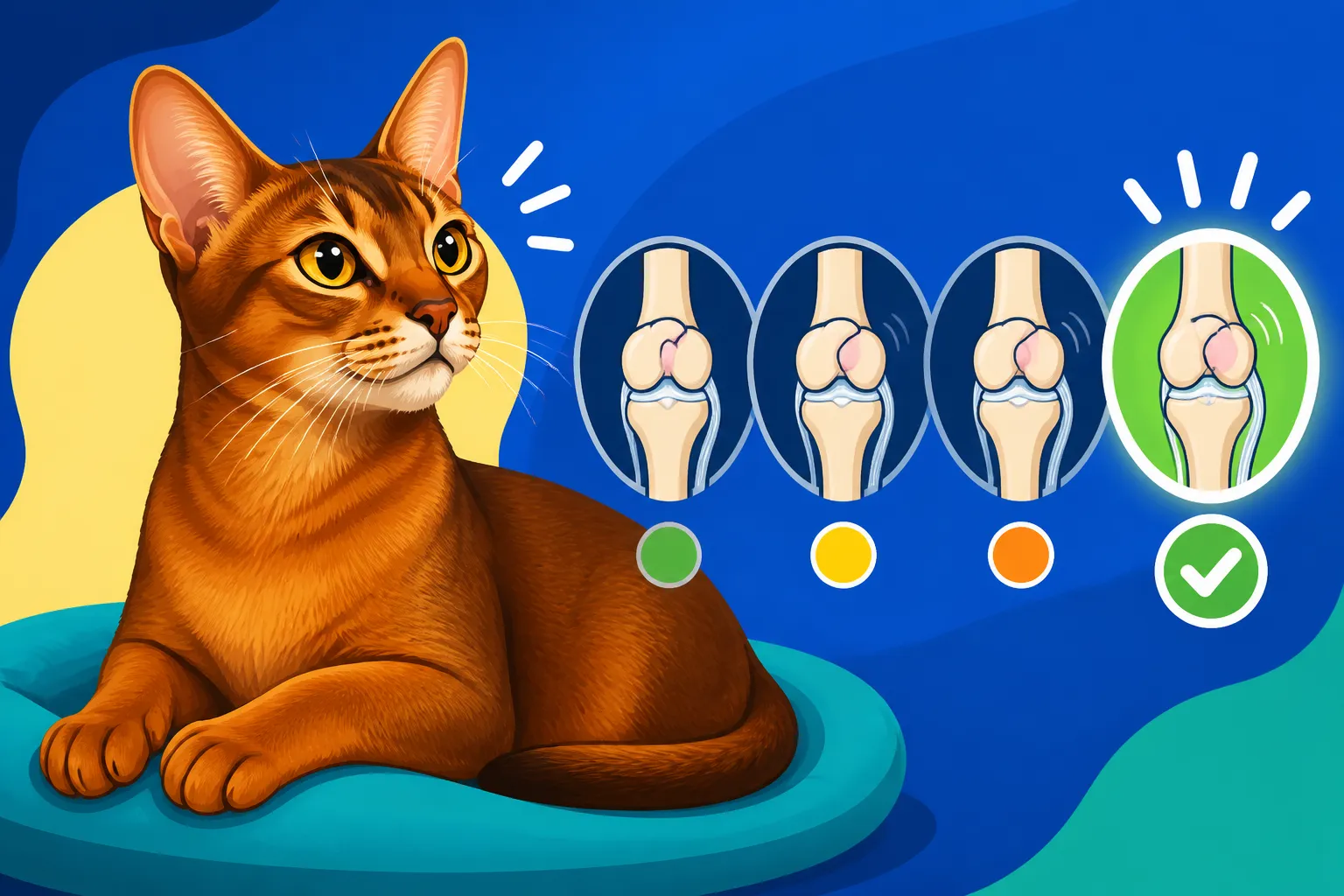
The patellar luxation grading system ranges from Grade 1 to Grade 4, with Grade 1 being the mildest and Grade 4 being the most severe.
- Grade 1: This is the mildest form. The patella can be manually luxated (pushed out of its groove by the vet's hand) but immediately returns to its normal position when released. Your Abyssinian might show no clinical signs, or only very occasional, barely noticeable skipping. The groove is usually still quite defined.
- Grade 2: In this grade, the patella luxates more readily. It might spontaneously pop out of the groove during normal movement or when manipulated, but it will still return to its normal position, either on its own or with a little help (like extending the leg). Cats with Grade 2 often exhibit intermittent lameness or the characteristic "skip" for a few steps. The groove might be slightly shallower.
- Grade 3: This is a more serious grade where the patella is luxated most of the time. It can be manually returned to its groove, but it immediately pops back out once released. Your Abyssinian will likely have persistent lameness, difficulty extending the leg, and a noticeably altered gait. The patellar groove is typically shallow or even flattened.
- Grade 4: This is the most severe and debilitating grade. The patella is permanently luxated and cannot be manually returned to its normal position within the groove. The groove itself is often absent or extremely shallow, and there may be significant bone deformities. Cats with Grade 4 luxation often walk with a crouched stance, struggle to extend their knees, and experience significant pain and mobility issues.
Understanding these grades is fundamental to managing your Abyssinian's condition.
What Each Grade Means for an Abyssinian's Mobility
The impact of each grade on your Abyssinian's daily life is significant.
- Grade 1 & 2: For Abyssinians with Grade 1 luxation, mobility is usually unaffected for extended periods. They might have a slight skip now and then, but often continue to be their energetic selves. With Grade 2, the skipping is more frequent, and you might notice them being a little more cautious with big jumps. They can still participate in most of their favorite activities, but care needs to be taken to monitor for progression. These cats can often live a full and active life with careful management and observation.
- Grade 3: Abyssinians with Grade 3 luxation will experience noticeable and persistent mobility issues. Their gait will be altered, and they will likely have difficulty performing typical Abyssinian activities like climbing and high jumping. The knee is often held in a slightly flexed position, and they might avoid putting full weight on the affected leg. Quality of life can be significantly impacted, and pain management becomes a more prominent concern.
- Grade 4: At this most severe stage, an Abyssinian's mobility is severely compromised. They may struggle to walk, stand, or even bear weight on the affected leg. Their stance will be crouched, and the knee will often be permanently bent. The constant pain and inability to move normally mean a significantly diminished quality of life without intervention. In these cases, it's very hard for an Abyssinian to perform even basic functions, let alone their usual acrobatics.
This progression emphasizes why early detection and understanding which Patella Grade an Abyssinian Can Live With are so important. Waiting too long can lead to more severe outcomes and irreversible joint damage.
How a Vet Diagnoses the Grade
The diagnosis of patellar luxation relies primarily on a thorough physical examination by your veterinarian. They will palpate (feel) your Abyssinian's knee joint, gently manipulating the patella to see if it luxates and how easily it does so. This manual assessment helps them determine the grade.
During the exam, your vet will:
- Observe Gait: They'll watch your Abyssinian walk and run to look for any lameness, skipping, or bunny-hopping.
- Palpate the Patella: They'll feel the kneecap and the patellar groove, checking for stability and ease of luxation.
- Assess Range of Motion: They'll gently flex and extend the leg to check for pain, stiffness, or resistance.
- Check for Crepitus: They might feel a grinding sensation, known as crepitus, which can indicate cartilage damage.
To confirm the diagnosis and rule out other conditions like hip dysplasia (though less common in Abyssinians than some dog breeds) or evaluate for secondary arthritis, X-rays are often recommended. While X-rays don't directly show the kneecap luxating (as it might be in place when the image is taken), they can reveal:
- Skeletal Deformities: Abnormalities in the shape of the femur or tibia that predispose to luxation.
- Shallowness of the Groove: How deep or shallow the patellar groove is.
- Arthritis: Signs of degenerative joint disease, which can develop over time due to chronic luxation.
In some complex cases, a specialist veterinary orthopedic surgeon might be consulted for advanced imaging like MRI or CT scans, though this is less common for routine patellar luxation diagnosis in cats.
Living with Patellar Luxation: Which Grades Allow a Good Quality of Life
The good news is that many Abyssinians with patellar luxation can live a comfortable, happy life. The key is appropriate management tailored to the grade of luxation. It’s a journey that requires vigilance, commitment, and close collaboration with your veterinarian.
Grade 1 and 2: Management and Prognosis
For Abyssinians diagnosed with Grade 1 or 2 patellar luxation, surgical intervention is often not immediately necessary. The focus is on conservative management to minimize discomfort, prevent progression, and maintain a good quality of life.
Management strategies typically include:
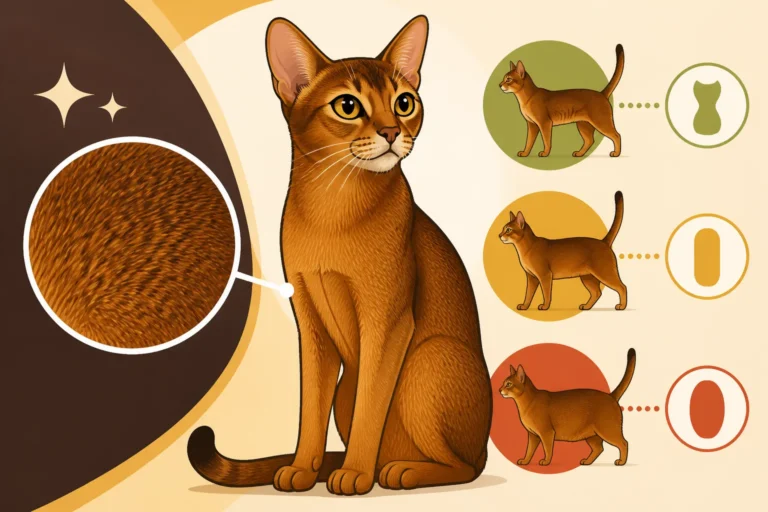
- Weight Management: This is paramount. Excess weight puts additional strain on all joints, especially compromised ones. Keeping your Abyssinian lean and fit is one of the best things you can do. It's often said that Why a Lean Abyssinian Puts Less Load on Its Joints, and this couldn't be truer for patellar luxation. Your vet can help you determine an ideal weight and diet, often by teaching you How to Feel an Abyssinian's Ribs Under a Ticked Coat to assess body condition.
- Controlled Exercise: While Abyssinians are energetic, high-impact activities might need to be moderated. Instead of allowing uncontrolled high jumps, encourage more horizontal play or use steps and ramps to help them access vertical spaces. Regular, gentle exercise helps build strong muscles around the knee, offering natural support.
- Joint Supplements: Glucosamine, chondroitin, and omega-3 fatty acids can help support joint health, reduce inflammation, and slow the progression of arthritis. Brands like Cosequin or Dasuquin are commonly recommended.
- Pain Management: If your Abyssinian shows signs of discomfort, your vet might prescribe anti-inflammatory medications (NSAIDs) for short-term use during flare-ups. Long-term pain relief might involve other modalities, and it's helpful to know What Pain Relief an Arthynic Abyssinian Can Take to discuss options with your vet.
- Environmental Adjustments: Provide soft bedding, ensure easy access to food, water, and litter boxes, and make sure their favorite climbing spots are accessible with ramps or steps.
Prognosis for Grade 1 and 2: Many Abyssinians with Grade 1 or 2 luxation can live long, comfortable, and active lives with these conservative measures. The goal is to keep them mobile and pain-free. Regular veterinary check-ups, ideally every 6-12 months, are essential to monitor for any progression of the condition and adjust the management plan as needed. If lameness worsens or becomes more frequent, it’s a sign that the condition might be progressing.
Grade 3 and 4: When Surgery Becomes Necessary
For Abyssinians with Grade 3 or 4 patellar luxation, surgery is almost always the recommended course of action to alleviate pain, restore function, and prevent further joint damage and severe arthritis. Conservative management alone is typically insufficient to provide a good quality of life at these advanced stages.
Surgical procedures aim to correct the underlying anatomical issues:
- Trochlear Wedge Recession or Chondroplasty: This involves deepening the patellar groove in the femur so the kneecap can sit securely.
- Tibial Tuberosity Transposition: The bone attachment point of the patellar ligament on the shin bone (tibia) is moved to realign the patella and secure it in the groove.
- Lateral Imbrication/Medial Release: Tight tissues on one side of the knee are released, and loose tissues on the other side are tightened to help keep the patella centered.
- Correction of Femoral/Tibial Deformities: In severe cases, the bones themselves might need reshaping to correct significant bowing or twisting.
Recovery and Prognosis for Grade 3 and 4: Surgical recovery involves several weeks of restricted activity, pain medication, and often physical therapy. It's a significant undertaking for both the cat and the owner, but the success rate for improving mobility and reducing pain is generally high. Most Abyssinians can return to a good level of function after successful surgery. However, ongoing management, similar to that for Grade 1 and 2, will still be important to support joint health long-term and manage any residual arthritis.
It’s important to discuss the potential costs and benefits with your veterinarian and a specialist surgeon. Many pet insurance providers, such as Healthy Paws, offer plans that can help cover the significant expenses associated with such specialized surgical procedures, especially if the policy is in place before any symptoms appear.
Long-term Care and Lifestyle Adjustments
Regardless of the grade or whether surgery is performed, living with an Abyssinian with patellar luxation requires a commitment to long-term care and lifestyle adjustments.
- Regular Veterinary Check-ups: Consistent monitoring is key. Your vet will want to check the knee regularly, assess pain levels, and discuss any changes you've observed. This is particularly important as Abyssinians get older, when other conditions like arthritis can become more prevalent, or if their energy levels drop unexpectedly, which might indicate Why an Abyssinian's Weight Loss Is Never Minor, signaling deeper health issues.
- Controlled Environment: Keep floors non-slippery (rugs, runners), provide steps or ramps for furniture, and ensure safe, stable climbing structures. Avoid situations where your Abyssinian might make sudden, uncontrolled movements that could cause the patella to luxate.
- Diet and Supplements: Continue a high-quality, joint-supportive diet. Discuss with your vet if specific prescription diets might be beneficial. Regular supplementation with omega-3s and joint nutraceuticals should be a lifelong commitment.
- Exercise Modification: While their spirit for adventure remains, modify their play to reduce high-impact activities. Encourage games that involve chasing and exploring on level surfaces rather than extreme jumping. Puzzle feeders and interactive toys can provide mental stimulation without excessive physical strain.
- Pain Management Plan: Have a clear plan with your vet for managing pain if flare-ups occur. This might involve NSAIDs, gabapentin, or other modalities as appropriate.
- Physical Therapy/Rehabilitation: For post-surgical patients, or even for conservative management, veterinary physical therapy can be incredibly beneficial. This might include hydrotherapy, laser therapy, therapeutic exercises, and massage to strengthen muscles, improve range of motion, and reduce pain.
This dedicated approach ensures your Abyssinian maintains the best possible quality of life, allowing them to enjoy many years of joyful activity, albeit sometimes with a few modifications.
Supporting Your Abyssinian with Patellar Luxation
Supporting an Abyssinian with patellar luxation goes beyond medical treatment; it involves creating an environment that minimizes risk, promotes comfort, and maximizes their well-being. Their spirited nature means they’ll often try to push through discomfort, so it’s up to us to be their advocates.
Environmental Modifications and Exercise
The Abyssinian is a vertical cat, known for its love of heights and daring leaps. When patellar luxation is a concern, we need to adapt their environment to keep them safe while still allowing them to express their natural instincts.
- Ramps and Steps: One of the simplest and most effective modifications is providing ramps or pet steps to help your Abyssinian access high places like beds, sofas, or window perches. This reduces the need for high-impact jumping and landing, which can stress the knee joint. Look for sturdy, wide ramps that offer good traction.
- Non-Slip Surfaces: Slippery floors (hardwood, tile) can be treacherous for a cat with a compromised knee. Place rugs, carpet runners, or yoga mats in high-traffic areas or wherever your cat frequently jumps down. This provides better grip and reduces the chance of slips and falls that could cause further injury or luxation.
- Secure Climbing Structures: Ensure cat trees and wall shelves are stable and robust. If your Abyssinian has lower-grade luxation, they may still want to climb. Arrange shelves to create a gradual ascent rather than requiring huge leaps. Ensure all climbing surfaces are carpeted or have good traction.
- Mindful Play: Continue to engage your Abyssinian in play, but be mindful of the type and intensity. Instead of high-flying wand toy games that encourage huge vertical jumps, focus on ground-level chasing, pouncing on toys, or using laser pointers (with a solid toy catch at the end!). Short, frequent play sessions are often better than one long, strenuous one. This helps keep them stimulated without over-straining their joints. You might even consider harness training them for supervised outdoor adventures on flat, safe ground, just be sure to pick a harness that fits an Abyssinian's Narrow Chest.
- Warmth and Comfort: Provide warm, soft bedding in their favorite sleeping spots. Gentle warmth can help soothe aching joints. A comfortable bed placed strategically at a lower level might encourage them to rest there rather than making risky jumps.
These modifications allow your Abyssinian to maintain their active lifestyle in a safer, more supportive way, preventing exacerbation of their condition.
Weight Management and Nutrition
Maintaining an ideal body weight is arguably the single most important factor in managing patellar luxation, especially for Grades 1 and 2, and crucial for post-surgical recovery. Every extra pound significantly increases the load on their knee joints.
- Strict Portion Control: Abyssinians are naturally lean and muscular, but they can still gain weight if overfed, especially after neutering or as they age. Work with your vet to determine the precise caloric needs for your Abyssinian based on their age, activity level, and current body condition. Measure food accurately rather than free-feeding. While some Abyssinians are adept at convincing you they're starving, being firm with their diet is an act of love.
- High-Quality, Joint-Supportive Diet: Choose a high-protein, moderate-fat diet that supports muscle mass and overall health. Some veterinary diets are specifically formulated for joint health, containing higher levels of omega-3 fatty acids and joint-supporting ingredients like glucosamine and chondroitin. Discuss these options with your vet.
- Supplements: As mentioned, joint supplements are an excellent addition to their diet. Omega-3 fatty acids (EPA and DHA) from fish oil have potent anti-inflammatory properties that can significantly help with joint pain and stiffness. Glucosamine and chondroitin can help maintain cartilage health. Always check with your vet before introducing any new supplements, especially if your cat is on medication. Brands such as Healthy Paws often highlight the importance of preventive care, which includes optimal nutrition and supplementation to support long-term health.
- Hydration: Ensure your Abyssinian has access to fresh, clean water at all times. Good hydration is vital for overall health and joint fluid production. Many cats benefit from a water fountain to encourage increased water intake, which is especially important given the breed's predispositions to conditions like amyloidosis where How Much Water an Abyssinian's Amyloid Risk Demands.
Regularly monitor your Abyssinian's weight at home and during vet visits. If you're wondering Why an Abyssinian Needs Fewer Calories After Twelve, it’s because their activity level naturally decreases, making weight gain easier. Preventing obesity is a lifelong commitment that directly impacts their joint health and overall comfort.
Therapeutic Options and Veterinary Oversight
Beyond environmental and nutritional support, various therapeutic options and consistent veterinary oversight are crucial for an Abyssinian living with patellar luxation.
- Pain Management: If your Abyssinian experiences pain, your vet can prescribe medications such as non-steroidal anti-inflammatory drugs (NSAIDs) like meloxicam or robenacoxib for short-term use, or other pain relievers like gabapentin or buprenorphine for more chronic discomfort. Never give human pain medications to your cat, as many are toxic.
- Physical Rehabilitation: This can be incredibly beneficial, especially after surgery or for managing chronic conditions. A certified veterinary rehabilitation therapist can design a program that includes:
- Therapeutic Exercises: Gentle range-of-motion exercises, core strengthening, and balance work.
- Hydrotherapy: Underwater treadmill sessions can provide a low-impact way to build muscle and improve mobility.
- Laser Therapy: Low-level laser therapy can help reduce pain and inflammation.
- Massage: Can improve circulation and reduce muscle tension around the joint.
- Acupuncture: Some owners find acupuncture helpful for chronic pain management in conjunction with conventional treatments.
- Regular Check-ups: Schedule routine veterinary examinations, perhaps even more frequently than the standard annual visit if your Abyssinian has luxation. These check-ups allow your vet to monitor the condition's progression, assess pain levels, and make adjustments to the treatment plan. Your vet might also recommend regular blood work, as Which Blood Panel an Abyssinian Should Have Yearly can help detect other underlying health issues early.
- Consider Pet Insurance: Given the potential for costly diagnostics, surgery, and long-term care, investing in pet insurance before any signs of luxation appear can be a lifesaver. Providers like Healthy Paws can provide peace of mind by helping to cover a significant portion of these veterinary expenses, which is a major factor in Whether Pet Insurance Is Worth It for an Abyssinian. It's an investment in your Abyssinian's future health and your financial preparedness.
By integrating these strategies and maintaining open communication with your veterinary team, you can ensure your Abyssinian receives the best possible care, helping them navigate life with patellar luxation with as much comfort and joy as possible.
Remember, early detection and proactive management are your best tools in ensuring your Abyssinian can live a long, happy life, even with the challenges of patellar luxation. Their vibrant spirit is worth every effort!
Disclaimer
The information provided in this article is for educational purposes only and is not intended to be a substitute for professional veterinary advice, diagnosis, or treatment. Always seek the advice of your veterinarian or other qualified animal health provider with any questions you may have regarding a medical condition. Never disregard professional veterinary advice or delay in seeking it because of something you have read here.