Why an Abyssinian Skips a Step on the Stairs
It's incredibly unsettling when you notice your typically acrobatic Abyssinian, a cat known for its boundless energy and graceful leaps, suddenly hesitating or, even worse, skipping a step on the stairs. This subtle change in their usually flawless movement can be a huge red flag, leaving you wondering if it's just a clumsy moment or a sign of something more serious. This guide will walk you through the various reasons why your Abyssinian might be exhibiting this behavior, from benign quirks to underlying health concerns, and what you can do about it.
Understanding the Abyssinian's Natural Agility and Energy
Abyssinians are not your average lounge lizards. They are bundles of lean muscle, boundless energy, and an innate curiosity that drives them to explore every nook, cranny, and vertical surface in your home. Their physical prowess is part of their charm, making any deviation from their usual graceful movements particularly noticeable and concerning for their devoted human companions.
The Abyssinian's Energetic Nature and Climbing Habits
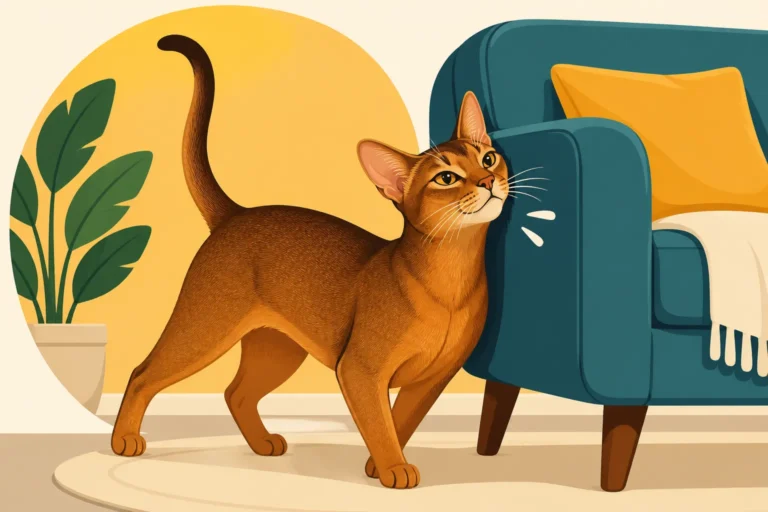
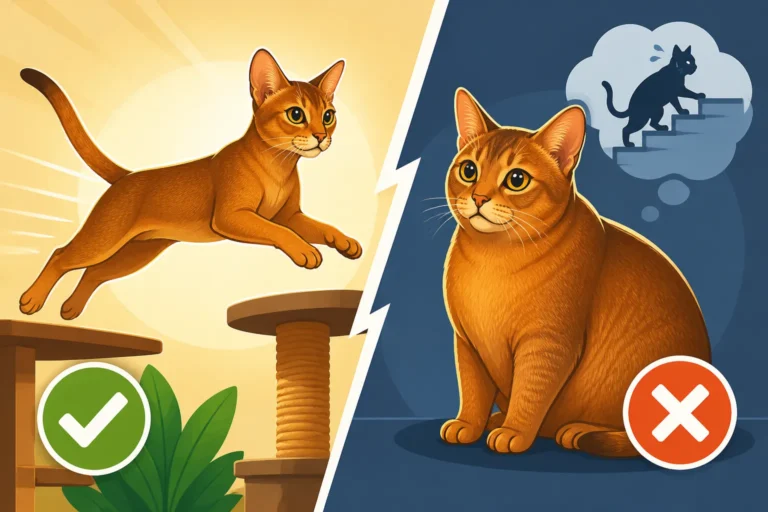
If you live with an Abyssinian, you know they're practically born with a built-in spring in their step. These cats are famed for their athleticism, their ability to scale drapes like tiny ninjas, and their penchant for surveying their domain from the highest possible perches. Whether it's the top of the refrigerator, a precarious shelf, or the highest tier of a cat tree, Abyssinians crave elevation. This isn't just a quirk; it's deeply ingrained in their behavior, stemming from their keen hunting instincts and desire to observe their surroundings from a vantage point. Their bodies are built for this – slender, muscular, and incredibly agile. They move with an almost dance-like quality, making sharp turns, sudden stops, and impressive vertical leaps with seemingly effortless grace. This natural drive for height means that if your Abyssinian needs more vertical furniture than most cats, you're not alone in building them a feline playground.
When a Skip Isn't a Sign of Trouble
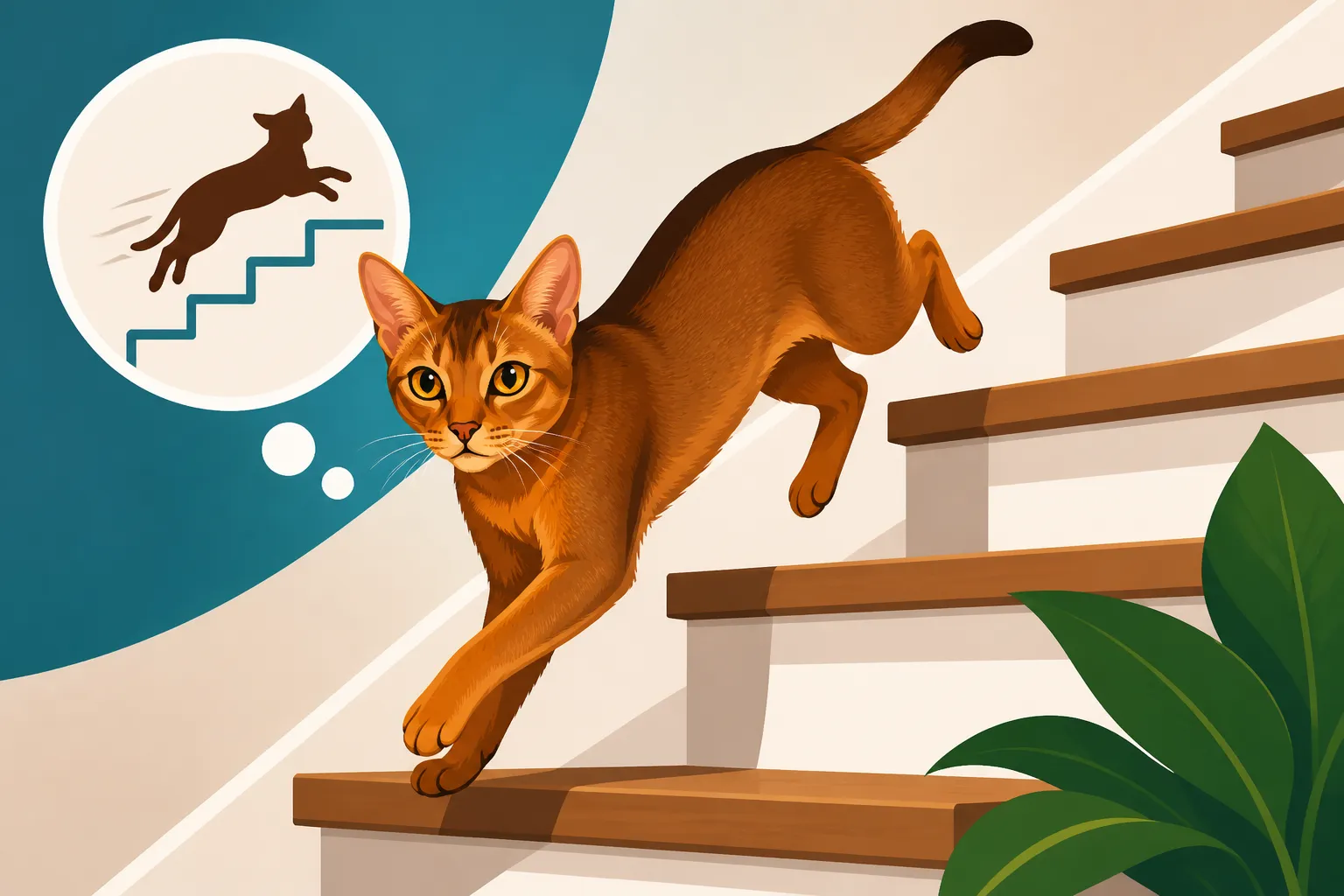
Before jumping to conclusions, it's worth considering that sometimes, a skipped step might not be indicative of a serious problem. Abyssinians, for all their coordination, can still have "oops" moments. They might be in the middle of a playful chase, perhaps after a dust bunny or a perceived shadow, and simply misjudge a step. Sometimes, it's a quick change in direction, a sudden burst of energy, or even an attempt to interact with something unseen that causes them to momentarily lose their footing or modify their usual fluid motion. Think of it like a human stumbling slightly but quickly recovering – it can happen to even the most agile creatures. A single, isolated skip, especially if followed by normal, unhindered movement, might just be one of those endearing clumsy moments that reminds you they're still just cats, albeit extraordinarily athletic ones. However, if this "clumsy moment" starts becoming a regular occurrence, or if it's accompanied by other signs, it's time to dig a little deeper.
Common Health Issues That Affect an Abyssinian's Movement
While a single skipped step might be a fluke, persistent or recurring instances are often a subtle signal that something isn't quite right with your Abyssinian's physical well-being. These changes, especially in such an active breed, can point to underlying health conditions affecting their joints, muscles, or even their overall comfort.
Patellar Luxation
One of the most frequently discussed orthopedic issues in Abyssinians, and a common reason for a peculiar gait on the stairs, is patellar luxation. This condition, often hereditary, refers to the kneecap (patella) slipping out of its normal groove in the thigh bone (femur). When the kneecap dislocates, it can cause your cat to briefly hold its leg up, skip, or hop, as it tries to pop the kneecap back into place. You might see your Abyssinian running along and then suddenly pick up a back leg for a few steps before putting it down again, almost as if nothing happened. This sudden hitch in their stride, especially on a motion that requires coordinated effort like climbing stairs, is a classic sign.
Patellar luxation is graded from I to IV, with Grade I being mild and IV being severe. A cat with a lower grade might only show intermittent symptoms, like that occasional skipped step or a brief limp, while a higher grade can lead to persistent lameness and even arthritis over time. If you've ever observed How Patellar Luxation Shows in a Jumping Abyssinian, you know it can look quite startling. Early detection is key, as managing the condition can often prevent it from worsening and causing more significant pain or mobility issues down the line. Even though Abyssinians are lean, maintaining a healthy weight is critical, because Why a Lean Abyssinian Puts Less Load on Its Joints if they aren't carrying extra pounds.
Arthritis and Joint Pain
As Abyssinians age, like all creatures, they can become susceptible to arthritis and other forms of joint pain. What was once effortless, like bounding up a flight of stairs, can become a source of discomfort. Arthritis, or degenerative joint disease, involves the breakdown of cartilage in the joints, leading to pain, stiffness, and reduced mobility. You might notice your middle-aged or senior Abyssinian slowing down, perhaps not jumping as high or as often as they used to. This is particularly true if you've already observed What an Old Abyssinian Slows Down From.
When an Abyssinian has arthritis, climbing stairs requires bending and weight-bearing on sore joints, which can be painful. To minimize this pain, they might skip steps, hesitate, or even start avoiding the stairs altogether. You might also notice stiffness, especially after resting, or a reluctance to engage in their usual energetic play. Sometimes, the pain can be subtle, only manifesting as a slight change in gait or a lessened enthusiasm for activity. For some, How Arthritis Shows in an Abyssinian That Used to Climb might be a gradual decline in their ability to reach favorite high spots. Joint supplements, anti-inflammatory medications, and even simple environmental modifications like providing ramps or lower steps can make a big difference in their comfort.
Muscle Weakness or Injury
Beyond joint-specific issues, a skipped step could also indicate general muscle weakness, a soft tissue injury, or even a subtle neurological problem. Abyssinians are typically quite robust, but like any active animal, they can strain a muscle or ligament during enthusiastic play or an adventurous jump. A minor sprain might not cause obvious limping but could lead to a momentary hesitation or awkward movement, like skipping a step, as they try to avoid putting full weight on the injured area.
More concerning, though less common, is generalized muscle weakness. This could stem from an underlying systemic illness, such as kidney disease, heart conditions, or even metabolic imbalances. Why an Abyssinian's Weight Loss Is Never Minor is a crucial point here, as unexplained weight loss can often be accompanied by muscle atrophy and weakness. If your Abyssinian seems less energetic overall, tires easily, or shows other signs of being unwell in addition to the stair-skipping, a full veterinary workup is absolutely essential. Neurological issues, while rare, could also impact coordination and balance, making precise movements like navigating stairs more challenging. Observing the full spectrum of your cat's behavior is key to helping your vet pinpoint the problem.
Observing and Diagnosing the Cause of Stair Skipping
When you notice your Abyssinian skipping a step, it’s natural to feel a pang of worry. Your keen observation skills are the first, and often most important, diagnostic tool you have. Documenting exactly what you see can provide invaluable information to your veterinarian, helping them narrow down the potential causes.
What to Look For Beyond the Skip
The skipped step itself is a symptom, but it rarely stands alone. To help your vet understand the full picture, pay close attention to other changes in your Abyssinian's behavior and movement patterns. Does the skipping happen on the way up or down, or both? Is it always the same leg, or does it vary?
Look for these accompanying signs:
- Hesitation: Does your cat pause at the bottom or top of the stairs, or even mid-climb, as if gathering courage or assessing the path? This could indicate pain or uncertainty.
- Limping or Favoring a Leg: Even a very subtle limp, a slight head bob, or an uneven stride when walking on flat surfaces can be a clue. Abyssinians are notoriously good at hiding pain, so you might only catch a glimpse of it.
- Reduced Activity Level: Is your normally boisterous Abyssinian less keen on playing? Are they sleeping more, or less interested in their usual climbing antics? Why a Suddenly Still Abyssinian Needs a Vet because it's always a serious sign in such an active breed.
- Reluctance to Jump: Do they struggle to get onto their favorite window perch or the kitchen counter? A lowered jump height or needing multiple attempts is a strong indicator of joint discomfort.
- Changes in Posture or Gait: Does your cat hold their tail differently, arch their back, or walk with a stiffer, more cautious stride?
- Vocalization: Does your Abyssinian cry out, hiss, or flinch when touched in a certain area? While they often suffer in silence, some may vocalize pain.
- Muscle Loss: Feel along their back and hindquarters. Has there been any noticeable thinning of muscle mass, especially in one leg? How to Read an Abyssinian's Body Condition Through That Coat is a helpful guide for this.
Recording these observations, perhaps even with a short video, can be incredibly helpful for your vet.
When to Consult Your Veterinarian
If you notice your Abyssinian skipping steps more than once, or if it’s accompanied by any of the other signs mentioned above, it's definitely time to schedule a visit to your veterinarian. Do not wait for the problem to become severe. Abyssinians are experts at masking pain, and often by the time symptoms are obvious, the underlying condition has progressed. Early intervention can significantly improve their quality of life and potentially slow the progression of certain diseases.
Be prepared to discuss:
- When you first noticed the skipping: Was it sudden or gradual?
- Frequency and context: How often does it happen, and what activity precedes it?
- Other symptoms: Any changes in appetite, litter box habits, energy levels, or temperament?
- Diet and exercise routine: What do they eat, and how much activity do they get?
- Medical history: Any past injuries or illnesses?
Your vet will take all this information into account to form a comprehensive picture. If you have pet insurance like Healthy Paws, it's a good idea to check your policy details regarding coverage for orthopedic conditions or unexpected vet visits.
Diagnostic Tools and Procedures
Once at the vet clinic, a thorough physical examination will be the first step. Your veterinarian will carefully palpate your Abyssinian's limbs, spine, and joints, checking for swelling, pain, or instability. They will manipulate the joints to assess range of motion and listen for any clicking or grinding sounds. In the case of suspected patellar luxation, they will try to manually dislocate and reduce the kneecap to assess the grade of luxation.
Beyond the physical exam, your vet may recommend:
- X-rays (Radiographs): These are crucial for visualizing bones and joints. X-rays can confirm patellar luxation, identify signs of arthritis (like joint space narrowing or bone spurs), detect fractures, or reveal other structural abnormalities. They might also show signs of hip dysplasia, though less common in Abyssinians, or other skeletal issues.
- Blood Work: A full blood panel can rule out underlying systemic illnesses that might cause muscle weakness or lethargy. This is especially important for Abyssinians as they can be prone to certain health issues, and When a Middle Aged Abyssinian Needs Yearly Bloodwork often catches problems early.
- Urinalysis: Can help assess kidney function and rule out urinary tract infections or other metabolic issues that might indirectly affect mobility.
- Advanced Imaging (MRI/CT): In some complex cases, particularly if neurological issues or soft tissue injuries are suspected, your vet might recommend an MRI or CT scan. These provide much more detailed images of soft tissues, nerves, and spinal cord.
- Joint Fluid Analysis: If an infection or inflammatory joint disease is suspected, a sample of fluid from the joint might be collected for analysis.
Based on these diagnostics, your vet will be able to provide an accurate diagnosis and discuss the most appropriate treatment plan for your beloved Abyssinian.
Supporting Your Abyssinian with Mobility Challenges
Once a diagnosis is made, the next step is implementing a plan to support your Abyssinian and improve their comfort and mobility. This often involves a multi-faceted approach, combining medical treatments with home care and environmental adjustments.
Management for Patellar Luxation
If your Abyssinian is diagnosed with patellar luxation, the management strategy will depend largely on the grade of the condition and the severity of symptoms.
- Non-Surgical Management: For lower grades (I or II) with mild or intermittent symptoms, conservative management might be recommended. This includes:
- Weight Management: Keeping your Abyssinian lean is paramount. Extra weight puts undue stress on joints, exacerbating luxation and pain. If you're concerned about How Much an Abyssinian Should Weigh at Its Frame, talk to your vet.
- Joint Supplements: Products containing glucosamine, chondroitin, and MSM can help support joint cartilage and reduce inflammation. Your vet can recommend specific brands and dosages.
- Anti-inflammatory Medications: Non-steroidal anti-inflammatory drugs (NSAIDs) may be prescribed by your vet during periods of pain or inflammation.
- Physical Therapy: Gentle exercises, massage, and hydrotherapy can help strengthen the muscles surrounding the knee, improving joint stability.
- Surgical Correction: For higher grades (III or IV), or lower grades that cause persistent pain and lameness, surgery is often the best long-term solution. The goal of surgery is to deepen the trochlear groove (where the kneecap sits), realign the patella, and tighten joint capsules to prevent recurrence. Post-operative care involves strict rest, pain management, and a controlled rehabilitation program. This can be a significant cost, so having pet insurance like Healthy Paws can truly alleviate the financial burden of such procedures.
Easing Arthritis Pain
Living with an Abyssinian with arthritis means focusing on pain management and improving their daily comfort.
- Medication: Your vet will likely prescribe NSAIDs or other pain relief medications to manage discomfort and reduce inflammation. There are also newer medications specifically for feline arthritis that your vet might discuss.
- Joint Supplements: Similar to patellar luxation, joint supplements are beneficial for arthritis. Look for formulations specifically designed for cats.
- Weight Control: Again, a healthy body weight is critical. Even a few extra ounces can significantly increase the load on arthritic joints, so Why a Lean Abyssinian Hides Illness Longer Than a Heavy Cat and also moves more freely.
- Therapeutic Diets: Some cat foods are specially formulated with joint-supporting ingredients like omega-3 fatty acids and antioxidants.
- Physical Therapy: Gentle range-of-motion exercises, therapeutic massage, and even warm compresses can help reduce stiffness and improve circulation.
- Environmental Adjustments: Making your home more accessible is key (see next section).
Remember that managing arthritis is an ongoing process, and it often requires adjustments to medication and care as your cat's condition evolves.
Environmental Adjustments for Easier Movement
Making your home easier to navigate for an Abyssinian with mobility issues can significantly improve their quality of life.
- Ramps and Steps: Instead of letting them struggle with jumps, provide pet ramps or small steps to help them access furniture, window sills, and even their favorite high perches. Look for carpeted ramps to provide better traction.
- Lower Climbing Shelves: If your Abyssinian loves to climb, ensure their climbing structures have more steps, are sturdy, and are placed at heights that are accessible without painful jumps. Consider adding extra, closely spaced shelves to their Why an Abyssinian Needs More Vertical Furniture Than Most Cats setup to create an easier ascent.
- Soft Bedding: Ensure your cat has comfortable, orthopedic beds in their favorite resting spots. Raised beds can also make it easier for them to get in and out.
- Non-Slip Surfaces: If you have slick floors (hardwood, tile), consider adding rugs or runners, especially in high-traffic areas or near climbing structures, to prevent slips and falls.
- Litter Box Accessibility: Use a litter box with lower sides if your cat has trouble stepping into a high-sided box.
- Food and Water Access: Place food and water bowls at easily accessible heights, perhaps slightly elevated, so they don't have to bend down too far.
These small changes can make a huge difference in your Abyssinian's daily comfort and confidence.
The Role of Nutrition and Weight Management
Nutrition and weight management are not just about keeping your Abyssinian svelte; they are fundamental pillars of joint health and overall well-being, especially when dealing with mobility challenges. Abyssinians, with their lean, athletic builds, are naturally designed to be agile, and any excess weight puts immense strain on their joints. Even a slight increase in weight can worsen conditions like patellar luxation or arthritis, escalating pain and accelerating joint degeneration.
Working with your veterinarian to establish an ideal body weight and a feeding plan is crucial. This might involve switching to a prescription diet formulated for weight management or joint health, which often contains ingredients like glucosamine, chondroitin, and omega-3 fatty acids that support cartilage and reduce inflammation. For example, some pet food brands like Hill's Prescription Diet or Royal Canin offer specific formulations for joint care. Portion control is also key; free-feeding a cat with mobility issues can easily lead to weight gain. Regular, measured meals appropriate for their activity level and age are essential. Remember, Why an Abyssinian Should Never Be Allowed to Get Heavy isn't just about aesthetics; it's about protecting their long-term health and mobility. A proper diet and careful weight monitoring are among the most impactful ways you can support your Abyssinian's joint health and help them continue to navigate their world with as much comfort as possible. Pet insurance such as Healthy Paws can also cover consultations with veterinary nutritionists if your cat requires a specialized diet plan.
Overview of Abyssinian Stair Skipping Causes
To summarize the potential reasons why your agile Abyssinian might be skipping a step, here's a quick reference table. This can help you organize your observations before discussing them with your vet.
| Potential Cause | Common Symptoms (Beyond Skipping) | Urgency for Vet Visit | Diagnostic Tools Often Used |
|---|---|---|---|
| Playful Mishap/Clumsiness | Isolated incident, no other symptoms, quick recovery | Low | Observation |
| Patellar Luxation | Intermittent lameness, occasional hopping, reluctance to jump or land heavily, mild pain on palpation. | Medium | Physical exam, X-rays |
| Arthritis/Joint Pain | Stiffness after rest, reduced activity, reluctance to jump, hesitation on stairs, difficulty grooming, general slowing down. | Medium | Physical exam, X-rays, blood work |
| Muscle Strain/Injury | Acute onset, limping, tenderness in specific area, reluctance to use affected limb. | Medium | Physical exam, X-rays, possibly ultrasound |
| Generalized Weakness | Lethargy, weight loss, changes in appetite/thirst, other signs of illness, overall reduced energy. | High | Physical exam, blood work, urinalysis, X-rays |
| Neurological Issue | Incoordination, tremors, weakness in limbs, abnormal reflexes, changes in behavior. | High | Physical exam, neurological exam, advanced imaging (MRI/CT) |
This table is a general guide. Always consult your veterinarian for an accurate diagnosis.
Disclaimer
The information provided in this article is for general informational purposes only and is not intended as a substitute for professional veterinary advice, diagnosis, or treatment. Always seek the advice of your veterinarian or other qualified health provider with any questions you may have regarding a medical condition. Never disregard professional veterinary advice or delay in seeking it because of something you have read in this article.