How Arthritis Shows in an Abyssinian That Used to Climb
It’s a truly disheartening moment when you notice your once-acrobatic Abyssinian, who used to effortlessly scale bookshelves and leap onto the highest perches, hesitate before a simple jump. These magnificent cats are renowned for their boundless energy and incredible agility, making any sign of slowing down a real cause for concern. This guide is here to help you understand how arthritis manifests in an Abyssinian, especially one known for its climbing prowess, and what steps you can take to keep them comfortable and active for as long as possible.
The Abyssinian's Active Nature and How it Masks Pain
Abyssinians are not your typical lounging lap cats; they are bundles of sleek muscle and endless curiosity, always on the move. They are often described as the "Clowns of the Cat Kingdom" or "little pumas" for good reason – their vertical world is their playground, and their energy seems inexhaustible. This inherent drive to run, jump, and explore, however, can paradoxically make it incredibly challenging to spot the early signs of pain, especially something as insidious as arthritis. You might assume a slight decrease in activity is just normal aging, when in reality, your cat could be silently battling discomfort.
Why an Abyssinian Hides Pain Behind Its Energy
Cats, by their very nature, are masters of disguise when it comes to pain. This isn't out of stubbornness; it's an evolutionary survival mechanism. In the wild, showing weakness makes an animal a target for predators. Even our pampered housecats retain this deep-seated instinct. An Abyssinian, with its vibrant, high-energy personality, takes this tendency to another level. They will often push through discomfort, trying to maintain their normal routines for as long as possible. This means that by the time you actually see clear signs of pain, the underlying condition might be more advanced than you'd think. It's a cruel trick of nature, leaving us, their devoted caregivers, often feeling guilty for not noticing sooner. This makes understanding subtle shifts in their behavior absolutely crucial, as explored further in why an Abyssinian hides illness longer than a heavy cat.
What an Old Abyssinian Slows Down From
As Abyssinians gracefully enter their senior years, typically around the age of ten, some slowing down is indeed a normal part of the aging process. Their metabolism might decrease slightly, they might spend a bit more time napping, and their bursts of energy might not last quite as long. However, there’s a distinct difference between "slowing down" and "slowing down due to pain." Normal aging might mean they still jump, but maybe not quite as high or as often. Arthritic pain, on the other hand, will often manifest as a reluctance to engage in activities they once loved, or a visible struggle to perform them.
For instance, a normally aging Abyssinian might still follow you from room to room with their characteristic bounce, but an arthritic one might start to lag behind, preferring to stay on the ground level. Their sleep patterns might become more rigid, not just longer. They might even stop using beloved perches entirely, leading to a duller existence than they deserve. Recognizing these distinctions is vital for providing appropriate care as your Abyssinian transitions into its golden years, a topic also covered in caring for an Abyssinian past ten.
Subtle Signs of Arthritis in a High-Flying Abyssinian
Because Abyssinians are so adept at hiding discomfort, recognizing arthritis requires a keen eye and a deep understanding of your cat's baseline behavior. You're not looking for obvious limping right away; you're looking for subtle shifts, hesitations, and changes in their once-fluid movements. Pay close attention to their vertical world—the shelves, cat trees, and countertops that were once their domain.
Why an Old Abyssinian Stops Using the Top Shelf
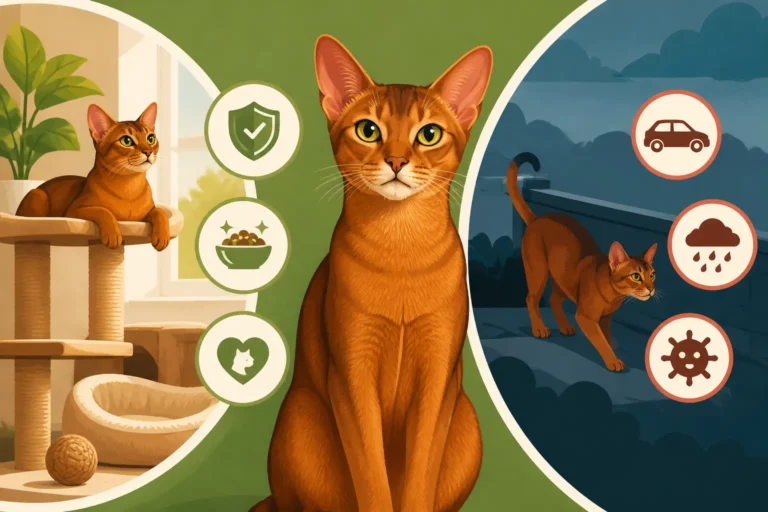
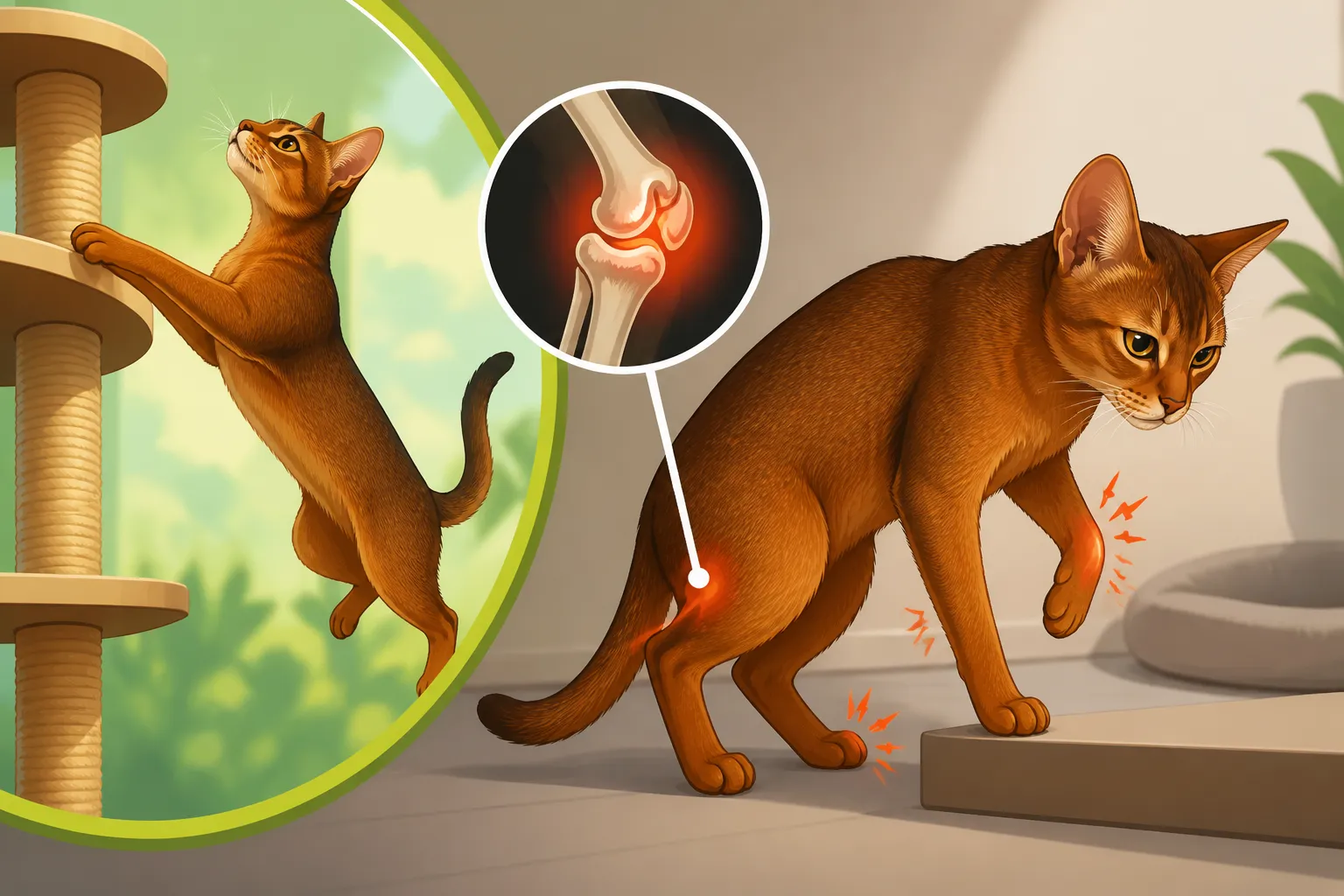
This is often one of the earliest and most telling signs of arthritis in an Abyssinian. These cats thrive on vertical space; they love to survey their kingdom from the highest vantage points. If your Abyssinian used to be on top of the fridge, the tallest cat tree, or the highest bookshelf, and you suddenly find them preferring lower levels, or even sticking to the floor, it’s a huge red flag.
They might still want to get up there, but the pain involved in the multiple jumps, the landing impact, or simply propelling themselves upwards becomes too much. You might see them pause at the base of a cat tree, looking up longingly, then turning away. Or they might make a series of smaller, more careful jumps to reach a lower perch, rather than one grand leap. It’s not laziness; it's a silent cry for help, indicating that their joints, particularly in their hips, knees, or spine, are causing them discomfort. Similarly, if you notice them skipping a step on the stairs, it could be how patellar luxation shows in a jumping Abyssinian, another joint issue to be aware of. They are telling you that they need lower steps and more accessible routes to maintain their climbing lifestyle, as discussed in how an old Abyssinian needs lower steps.
Changes in Jumping and Landing
Beyond just avoiding high places, observe the quality of their jumps and landings. A healthy Abyssinian jumps with explosive power and lands with a graceful, almost silent impact, absorbing the shock effortlessly. An Abyssinian with arthritis might:
- Hesitate before jumping: They'll stand, assess the jump, and then perhaps back away, or take a moment before committing.
- Use more intermediate steps: Instead of one large leap, they might use a chair or a lower shelf as a stepping stone.
- Jump less frequently: Their playful pounces might diminish, and they might prefer to walk around obstacles rather than leap over them.
- Exhibit awkward or stiff landings: You might notice a hard landing, or they might land with their legs splayed a bit, rather than tucking them neatly. A soft "thump" might replace their usual quiet landing.
- Show discomfort upon landing: A quick shake of a paw, a subtle flinch, or an immediate stretch after landing can all indicate pain.
These changes can be very subtle at first. You might not notice it on a daily basis, but perhaps when a favorite toy is placed on a higher surface, or when they are startled and need to jump quickly.
Grooming, Litter Box, and Interaction Changes
Arthritis isn't just about movement; it can impact every aspect of a cat's life.
- Grooming Habits: A cat with painful joints may find it difficult to twist and turn to groom themselves effectively, especially their back, hips, and tail base. You might notice a duller, unkempt coat in these areas, or even mats forming. Conversely, some cats might over-groom a painful joint as a self-soothing mechanism, leading to bald spots.
- Litter Box Habits: Getting in and out of a high-sided litter box can become a painful ordeal. This might lead to accidents outside the box, not because they are misbehaving, but because they associate the box with pain. Consider a litter box with lower sides or a ramp if you suspect this is an issue.
- Changes in Interaction: While Abyssinians are typically very social and engaging, pain can make them less tolerant of being handled, especially if touched in a sore spot. They might become more withdrawn, less playful, or even exhibit mild aggression if approached unexpectedly. They might still follow you around, but their chirpy interactions might become less frequent, and they might spend more time resting. What an old Abyssinian slows down from isn't just physical activity; it can be a decline in their usual zest for life. Conversely, a quiet Abyssinian is telling you something important.
Table: Normal Aging vs. Arthritic Signs in Abyssinians
| Behavior Aspect | Normal Aging Signs | Potential Arthritic Signs |
|---|---|---|
| Jumping/Climbing | Jumps slightly less often; uses lower perches by choice. | Hesitates before jumping; avoids high places; awkward or stiff landings; uses more "steps" to ascend. |
| Activity Level | Longer naps; shorter bursts of energy; still playful. | Reluctance to play; less running/chasing; stays on ground level more; quiet Abyssinian. |
| Movement | Moves generally fluidly, maybe a little slower. | Stiffness after rest; difficulty getting up; favoring a limb; less agile in turns. |
| Grooming | Still meticulous, possibly some minor overlooks. | Unkempt coat, especially on back/hips; mats; painful to reach certain areas. |
| Litter Box | No change in habits, easy entry/exit. | Difficulty getting in/out of box; accidents near box; reluctance to squat. |
| Temperament | Still social, perhaps a bit more mellow. | Less tolerant of handling; withdrawn; irritable if touched in sore spots; decreased interaction. |
| Sleep Positions | No specific painful positions. | Seeks out warm, soft spots; changes sleeping positions frequently to find comfort. |
Diagnosing and Managing Arthritis in Your Abyssinian
If you suspect your Abyssinian is experiencing arthritic pain, the first and most critical step is a visit to your veterinarian. Early diagnosis and intervention can significantly improve their quality of life and slow the progression of the disease.
Getting a Veterinary Diagnosis
When you bring your Abyssinian to the vet, be prepared to discuss all the subtle changes you’ve observed. Vets are trained to spot feline pain, but your detailed observations are invaluable, especially with a breed so good at masking discomfort.
Your vet will typically perform a thorough physical examination, palpating joints, checking range of motion, and observing your cat's gait. They might look for signs of pain, swelling, or crepitus (a grinding sound or sensation in the joint). Sometimes, they’ll even watch your Abyssinian walk or jump to identify abnormalities.
Diagnostic imaging, primarily X-rays, is usually the next step. X-rays can reveal changes in the joints such as bone spurs (osteophytes), joint space narrowing, or changes in bone density, all indicative of osteoarthritis. Blood work might also be recommended to rule out other health issues that could mimic or exacerbate joint pain, especially for senior cats, as part of what an Abyssinian's annual checkup costs. The veterinarian might also check for conditions such as hyperthyroidism, which can affect an older Abyssinian and impact overall health and activity levels.
Practical Management at Home
Once a diagnosis of arthritis is confirmed, there's a lot you can do at home to help your Abyssinian stay comfortable and mobile. Environmental modifications are key:
- Provide Ramps and Steps: Invest in pet ramps or small steps to allow easier access to favorite high spots, beds, and even litter boxes. These don’t need to be fancy; sturdy footstools or ottomans can work wonders.
- Soft Bedding and Warmth: Ensure they have plenty of soft, comfortable sleeping areas, especially orthopedic beds that cushion their joints. Many cats with arthritis find warmth soothing, so a heated bed or a warm spot near a sunbeam can be highly appreciated.
- Accessible Litter Boxes: Switch to litter boxes with lower sides to minimize painful climbing in and out.
- Non-Slip Surfaces: If you have hardwood or tile floors, consider placing rugs or runners to provide better traction, reducing the risk of slips and falls that can cause further pain.
- Maintain a Healthy Weight: This is paramount. Excess weight puts additional strain on already compromised joints. Work with your vet to ensure your Abyssinian is on an appropriate diet to maintain a lean body condition. Even a small amount of weight loss can make a significant difference in comfort, highlighting why a lean Abyssinian puts less load on its joints.
Remember, the goal is not to eliminate all climbing, but to make it accessible and less painful. They are still Abyssinians, and their vertical world matters to them, as seen in why an Abyssinian needs more vertical furniture than most cats.
Medical and Holistic Treatment Options
Your vet will likely recommend a multi-modal approach to managing your Abyssinian's arthritis, combining various therapies for the best outcome.
- Pain Relief Medications: Non-steroidal anti-inflammatory drugs (NSAIDs) are commonly prescribed for felines to reduce pain and inflammation. There are cat-specific NSAIDs available that are much safer for long-term use than human medications. Always follow your vet's instructions carefully. Other pain medications might include gabapentin or amantadine, which work differently and can be used in combination. What pain relief an arthritic Abyssinian can take should always be discussed thoroughly with your vet.
- Joint Supplements: Glucosamine and chondroitin sulfate are popular supplements believed to support cartilage health. Omega-3 fatty acids (like those found in fish oil) also have anti-inflammatory properties. These are often given as chewables, liquids, or capsules. Discuss appropriate dosages and brands with your vet.
- Physical Therapy and Laser Therapy: Some veterinary clinics offer physical rehabilitation, including therapeutic exercises, massage, and laser therapy. Low-level laser therapy (LLLT) can help reduce pain and inflammation and promote healing at a cellular level.
- Acupuncture: For some cats, acupuncture can provide significant pain relief by stimulating specific points on the body.
- Pet Insurance: The long-term management of arthritis can involve ongoing medication, supplements, and potentially specialized therapies. Having pet insurance, like a plan from Healthy Paws, can be incredibly helpful in offsetting these costs, allowing you to focus on your cat's care without financial stress. Many owners find that investing in comprehensive coverage when their cat is younger pays dividends as they age and develop chronic conditions. When considering the comprehensive care needed for an aging Abyssinian, understanding whether an Abyssinian insurer excludes inherited kidney disease or other breed-specific conditions is also vital.
Managing arthritis is an ongoing journey, not a one-time fix. It requires patience, observation, and a close working relationship with your veterinarian. By proactively addressing the signs and implementing a comprehensive care plan, you can help your beloved Abyssinian maintain their adventurous spirit and live a comfortable, fulfilling life well into their senior years. The way an Abyssinian's play changes after ten, or which games suit an old Abyssinian, will evolve, but their need for engagement and comfort remains.
Disclaimer
This article is intended for informational purposes only and does not constitute medical advice. Always consult with a qualified veterinarian for any health concerns or before making any decisions about your pet's medical care.