What the Oldest Recorded Abyssinians Reached
It’s a natural human desire to want our beloved companions to stay with us for as long as possible. When you bring an energetic, intelligent Abyssinian cat into your home, you’re not just getting a pet; you’re welcoming a vibrant, playful member of the family. The thought of their eventual farewell is a distant, painful one, making many owners curious about the upper limits of their Abyssinian's lifespan. We all hope our furry friends will be the exception to the rule, living well beyond the average. This guide will delve into what the oldest recorded Abyssinians reached, exploring the real possibilities and the dedicated care that can help your Abyssinian thrive for many years.
The Abyssinian Lifespan: A Realistic Look at the Averages
When we talk about how long an Abyssinian lives, it’s important to distinguish between the average lifespan and the exceptional, record-breaking cases. Most Abyssinian owners will be thrilled to see their cats live into their teens, but the dream is always for even more cherished years. Understanding the typical range helps set realistic expectations while also highlighting the potential for truly long-lived individuals.
The Typical Lifespan Range for Abyssinians
On average, a well-cared-for Abyssinian cat can be expected to live anywhere from 12 to 15 years. This is a respectable lifespan for a purebred cat, often comparable to or even exceeding that of many domestic shorthairs, especially given the breed’s high energy levels. However, these aren’t hard and fast rules; many factors play into where within this range, or even beyond it, your particular Abyssinian might fall. A cat receiving consistent, high-quality nutrition, regular veterinary check-ups, and a stimulating, safe environment is far more likely to hit the higher end of that spectrum. We often see cats who have had a stable, enriching indoor life reaching closer to that 15-year mark, sometimes even stretching to 16 or 17. For a deeper dive into general expectations, you might find our article on The Twelve to Fifteen Years an Abyssinian Usually Gets quite illuminating.
Genetic Predispositions and Their Impact on Longevity
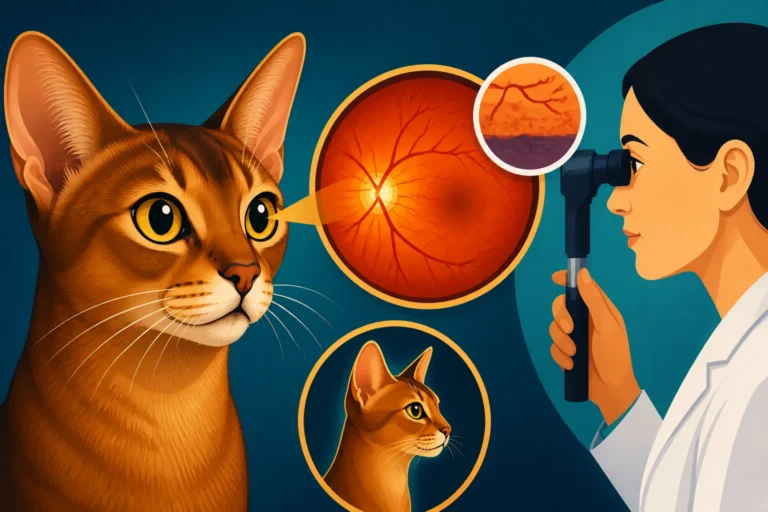
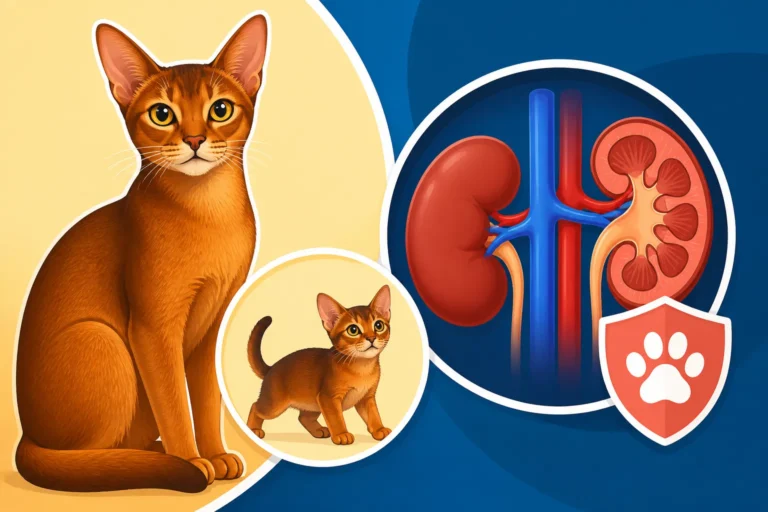
While good care is paramount, genetics also play a significant role in an Abyssinian's potential lifespan. Like many purebred cats, Abyssinians are known for certain hereditary conditions that, if present, can unfortunately shorten their lives. Two of the most well-known are Pyruvate Kinase Deficiency (PKD) and Progressive Retinal Atrophy (PRA-rdAc), both of which have available DNA tests. Responsible breeders test their cats for these conditions to prevent passing them on. However, one of the most heartbreaking and challenging issues in the Abyssinian breed is Renal Amyloidosis. This condition, where abnormal protein deposits accumulate in the kidneys, is not yet linked to a single gene and thus has no DNA test. It's a cruel twist of fate for many owners, as kidney failure can strike young Abyssinians, sometimes tragically shortening their lives before they even reach middle age. Because there’s no genetic test for this, tracking family history becomes incredibly important for breeders and owners. This is why it’s so vital to understand What an Abyssinian Breeder Should Have Tested Before You Buy, as these early genetic checks can make a profound difference in your cat’s long-term health prospects.
Beyond the Average: Documented Cases of Exceptionally Old Abyssinians
While there aren't official Guinness World Records specifically for the "oldest Abyssinian cat" that are widely publicized, the breed community has many anecdotal accounts and breed club records that point to Abyssinians living well into their late teens and even early twenties. These stories are a testament to the breed's hardiness when given the right care and a bit of genetic luck. It's these exceptional individuals that inspire us to aim for the stars with our own beloved companions.
Anecdotal Evidence and Breed Club Records for Senior Abyssinians
Within the tight-knit world of Abyssinian fanciers and breeders, tales of remarkably old Abyssinians are cherished. While precise, verifiable "records" akin to a human birth certificate can be difficult to come by across decades, many long-term breeders and owners will recount stories of Abyssinians living to 18, 19, or even beyond 20 years of age. I recall hearing from a breeder in Southern California about an Abyssinian named "Sahara" who lived to be almost 21, remaining active and engaged, albeit a bit slower, right up until the very end. She was an indoor-only cat, a common thread among these long-lived felines, shielded from the myriad dangers of the outdoors. Similarly, a well-known cattery in the Midwest once boasted a stud cat, "King Tut," who produced kittens well into his teens and eventually lived to be 19. These aren't just isolated incidents; they underscore the breed's inherent potential for significant longevity when all the right elements align. Our article on How Many Years a Well Bred Abyssinian Lives touches on these remarkable achievements.
Shared Traits Among Abyssinian Centenarians
What is it that these exceptionally long-lived Abyssinians seem to have in common? It’s rarely just one thing, but rather a combination of factors that create a perfect storm for longevity. Firstly, genetics play a part; these cats often come from lines with a history of good health and longevity, suggesting a robust genetic foundation free from severe predispositions like early-onset renal amyloidosis. Secondly, and perhaps most crucially, is the unwavering dedication of their owners. These cats are almost invariably indoor-only, protecting them from accidents, parasites, and diseases spread by other animals. Their diets are meticulously managed, often leaning towards high-quality, high-protein wet food to ensure adequate hydration and kidney support, which is especially important for the breed. Many also benefit from consistent, preventative veterinary care, allowing for early detection and management of age-related ailments. Lastly, a stimulating environment, even for a senior cat, is key. Even a cat Caring for an Abyssinian Past Ten still needs mental and physical engagement, adjusted for their energy levels, to keep their minds sharp and bodies mobile. This holistic approach, combining careful breeding with diligent care, seems to be the secret sauce for reaching those truly golden years.
Cultivating Longevity: Practical Steps for Your Abyssinian's Golden Years
While we can’t control every aspect of our Abyssinian’s life, particularly their genetic lottery, we can certainly stack the deck in their favor through consistent, thoughtful care. The steps you take from kittenhood, and especially as they mature into their senior years, can profoundly influence how long your cherished companion stays by your side. It’s all about creating an environment that supports not just survival, but thriving.
The Indispensable Role of Preventative Veterinary Care
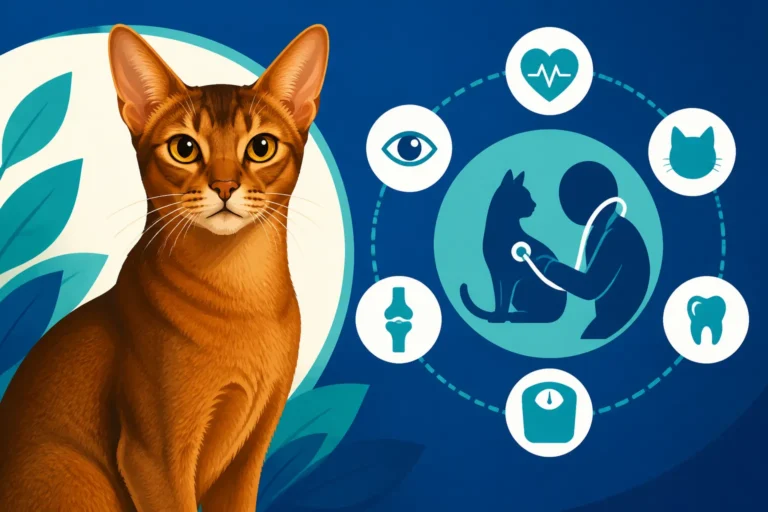
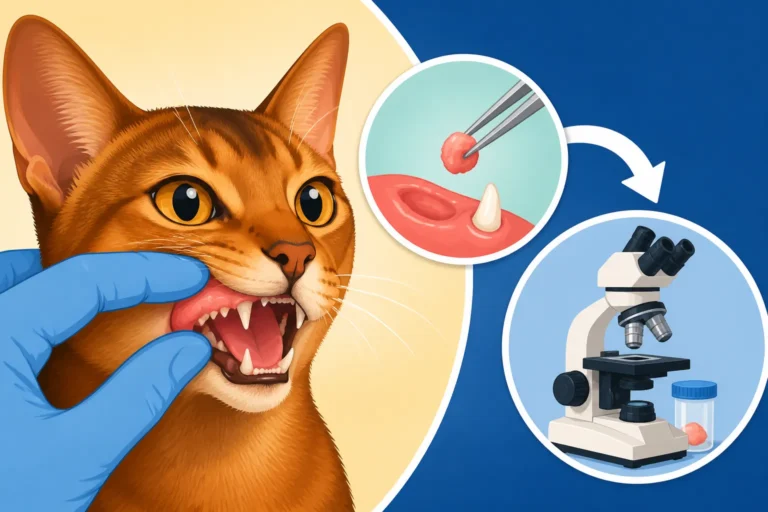
Regular veterinary check-ups are not just for when your Abyssinian is showing signs of illness; they are the cornerstone of preventative care. For Abyssinians, especially as they enter middle age and beyond (typically around seven to ten years old), these check-ups become even more critical. A good vet will not only perform a thorough physical examination but also recommend annual bloodwork, including a full chemistry panel and thyroid checks. Monitoring kidney values like SDMA and creatinine, even when they’re still within the "normal" range, can provide crucial baseline data and help detect subtle changes that might indicate early-stage kidney disease—a particular concern for Abyssinians. Early intervention for conditions like hyperthyroidism or developing kidney issues can significantly slow their progression and buy your cat precious additional years. Understanding What an Old Abyssinian Slows Down From can help you advocate for the right tests and care. Don't forget the importance of dental care either; it's often the most overlooked aspect of feline health. Regular professional dental cleanings and at-home brushing can prevent serious dental disease, which can lead to systemic inflammation and impact overall health. Indeed, Why an Abyssinian's Dental Work Is the Biggest Line in the Budget for a very good reason.
Tailored Nutrition and Enrichment for Senior Abyssinians
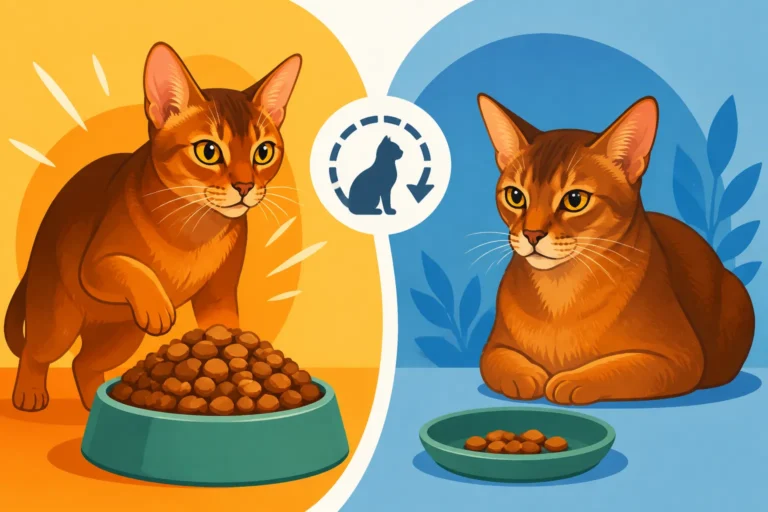
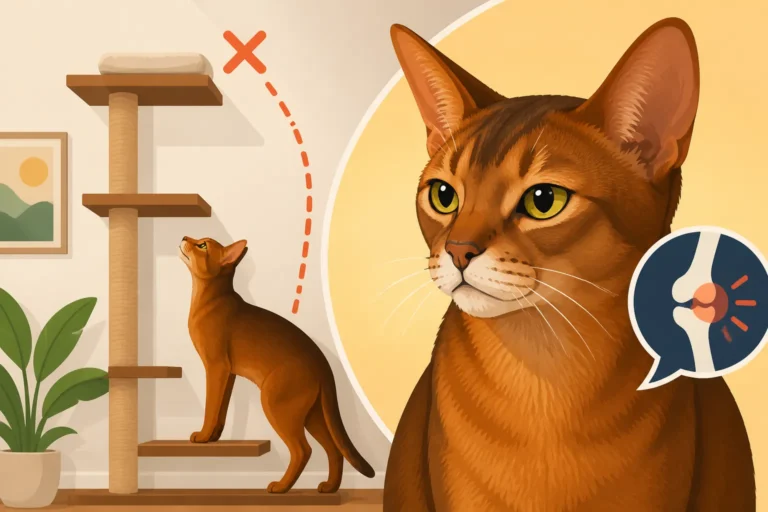
As your Abyssinian ages, their nutritional needs will subtly shift. While they remain energetic, their metabolism might slow down slightly, or conversely, certain health conditions might require a higher caloric intake or specific nutrient profiles. High-quality wet food is generally recommended across all life stages for Abyssinians due to its high moisture content, which is incredibly beneficial for kidney health. As they age, ensuring consistent water intake becomes even more critical, especially given the breed's predisposition to kidney issues like renal amyloidosis. You might need to explore options like pet fountains or adding water to their wet food to encourage hydration. Beyond nutrition, mental and physical enrichment remains vital. Just because they're seniors doesn't mean they stop being Abyssinians! While they may not scale the highest cat trees with the same agility, providing accessible climbing options, gentle play sessions with wand toys, and puzzle feeders can keep their minds engaged and muscles toned. Monitoring How to Read an Abyssinian's Body Condition Through That Coat is also important to ensure they are maintaining a healthy weight, as obesity can exacerbate joint issues and other age-related problems.
Financial Planning for an Abyssinian's Extended Life
Let's be realistic: a long-lived cat means a long-term financial commitment. The cost of routine senior vet care, specialized diets, potential medications, and perhaps even emergency treatments can add up quickly. This is where forward-thinking financial planning becomes invaluable. Many owners find that investing in pet insurance, such as plans offered by Healthy Paws, early in their cat's life can be a true lifesaver when those inevitable age-related health issues arise. Pet insurance helps mitigate the burden of unexpected veterinary bills, allowing you to make medical decisions based on what’s best for your Abyssinian rather than being limited by cost. Imagine facing a sudden diagnosis of kidney disease or hyperthyroidism in your 16-year-old Abyssinian – the diagnostics and ongoing management can be substantial. Having a robust insurance policy means you can focus on their comfort and treatment without crippling financial stress. It’s worth exploring Whether Pet Insurance Is Worth It for an Abyssinian early on, as policies often don't cover pre-existing conditions. Beyond insurance, setting aside a dedicated "pet emergency fund" can also provide a crucial buffer. Our comprehensive guide on What an Abyssinian Costs to Keep Every Year offers a detailed breakdown of these ongoing expenses.
Here's a quick comparison of factors influencing lifespan:
| Factor | Average Lifespan Contribution | Exceptional Lifespan Contribution |
|---|---|---|
| Genetics | Good foundation, clear of common tests | Robust lines, minimal inherited disease risk |
| Diet | Balanced, species-appropriate kibble | High-quality wet food, ample hydration |
| Vet Care | Annual check-ups, vaccinations | Preventative screenings, early disease management |
| Environment | Indoor-only, basic enrichment | Safe, stimulating, low-stress, vertical space |
| Owner Engagement | Regular play, basic interaction | Deep bond, attuned to subtle changes, consistent care |
| Common Health Issues | Managed as they arise | Proactive prevention, vigilant monitoring |
Disclaimer
This article is intended for informational purposes only and does not constitute veterinary advice. Always consult with a qualified veterinarian for any health concerns or before making any decisions about your pet's care.