Whether Pet Insurance Is Worth It for an Abyssinian
As an Abyssinian owner, you've probably already realized these incredible cats come with their own unique set of joys – and sometimes, challenges. One common worry that settles in the back of many minds, right after falling in love with that active, intelligent personality, is how to manage potential veterinary costs. It's a real concern, and figuring out if pet insurance is truly a worthwhile investment for your particular Abyssinian can feel like navigating a maze. This guide is here to walk you through the ins and outs, helping you decide if this financial safety net makes sense for your dynamic feline companion.
Understanding Abyssinian Health and Your Potential Costs
Owning an Abyssinian means embracing their vibrant energy, their curious nature, and yes, also understanding their breed-specific health predispositions. It's not about being alarmist, but realistic. While Abyssinians are generally robust cats with impressive lifespans, certain conditions are more common in the breed, and being prepared for them can save a lot of heartache and financial stress down the road.
Common Abyssinian Health Concerns
No cat breed is entirely immune to health issues, and Abyssinians, for all their athletic prowess and lively spirits, do have a few genetic considerations that conscientious owners should be aware of. These aren't guaranteed to happen, but knowing the risks helps you plan.
One of the most well-known genetic tests for the breed is for Pyruvate Kinase Deficiency Is the Abyssinian's Best Known Test. This is a blood disorder that can lead to intermittent anemia. While many carriers live perfectly normal lives, an affected cat can experience episodes of lethargy and weakness, potentially requiring ongoing veterinary care or even blood transfusions during severe crises. The good news is that reputable breeders test for this, and it can largely be avoided with careful breeding practices.
Another significant concern is Progressive Retinal Atrophy (PRA-rdAc). This is a degenerative eye condition that gradually leads to blindness. PRA-rdAc Takes an Abyssinian's Sight by Five years old in many affected individuals. While blindness itself isn't life-threatening, adapting to a blind cat requires dedication and, should complications arise or diagnostics be needed to confirm the condition, vet visits can add up.
Then there's the heartbreaking reality of Renal Amyloidosis Is the Abyssinian Problem Nobody Can Test For. This kidney condition involves the abnormal deposition of a protein called amyloid in the kidneys, which eventually leads to kidney failure. It's particularly frustrating because, unlike PK Deficiency or PRA-rdAc, there isn't a definitive gene test for it. This means breeders rely on careful lineage tracking and owners watch for subtle signs like increased thirst or changes in appetite. Managing kidney disease is often a long-term commitment involving special diets, medications, and potentially subcutaneous fluids at home.
Beyond these genetic predispositions, Abyssinians are also somewhat prone to dental issues, particularly a condition known as juvenile gingivitis. This can start alarmingly early, sometimes around six months of age, where the gums become inflamed and overgrown, often necessitating significant dental work. Why an Abyssinian Kitten's Gums Fail at Six Months is a topic that catches many new owners off guard, and the need for regular professional cleanings and potential extractions can become a recurring expense throughout their lives.
The High Cost of Veterinary Care
Let's be blunt: vet care isn't cheap, and it's certainly not getting any cheaper. When a health concern arises, the costs can escalate rapidly. Imagine your Abyssinian suddenly becomes lethargic or loses its appetite – your first instinct is a vet visit. That initial consultation fee is just the beginning.
Diagnostic tests alone can run into significant figures. Blood work, urine tests, X-rays, ultrasounds, specialized cardiac exams, or even an MRI if something truly serious is suspected, all come with their own price tags. If a condition like PK Deficiency flares up, your cat might need emergency care, including hospitalization and potentially When an Anemic Abyssinian Needs a Transfusion. A sudden accident, like a fall from a tall cat tree (which, let's face it, is a very real possibility with these climbers!) leading to a broken bone, could require surgery, pain management, and extensive follow-up care.
Managing chronic conditions, such as kidney disease from amyloidosis, means ongoing expenses for prescription diets, daily medications, and regular monitoring blood tests. If your Abyssinian develops severe dental disease, a gingivectomy or multiple tooth extractions under anesthesia can be a substantial one-time cost, with potential for repeat procedures down the line. These aren't just minor bills; they can be several hundred to several thousand dollars, hitting your wallet hard and often unexpectedly. Having to choose between your cat's health and your bank balance is a terrible position no one wants to be in.
Preventative Care vs. Reactive Care Costs
Many people think of vet costs primarily in terms of emergencies, but preventative care is also a significant, recurring expense. It's the ongoing commitment that truly adds up over your Abyssinian's lifetime. Annual check-ups, vaccinations, parasite prevention (fleas, ticks, heartworm), and routine blood panels as your cat ages are all part of responsible pet ownership.
However, some preventative measures for Abyssinians can be more costly. Take dental care, for instance. Because of their predisposition to gum issues, many Abyssinians require professional dental cleanings more frequently than other breeds. Why Abyssinian Dental Work Is the Biggest Line in the Budget for many owners is a clear reality. These procedures require general anesthesia, and while crucial for your cat's overall health and comfort, they are far from inexpensive. Investing in preventative care definitely saves money in the long run by preventing more severe issues, but it still represents a steady outflow of cash.
Reactive care, on the other hand, is when an unforeseen illness or injury strikes. This is where costs can truly skyrocket. A sudden onset of illness or an accident can easily lead to a multi-day hospital stay, consultations with specialists (like a veterinary ophthalmologist for PRA-rdAc or an internal medicine specialist for kidney disease), emergency surgery, and intensive post-operative care. While you can budget for routine preventative care, those reactive, emergency costs are the ones that blindsight you and can lead to tough financial decisions if you're not prepared.
How Pet Insurance Works and What It Covers
So, you're considering a safety net for those unexpected, potentially crippling vet bills. That's where pet insurance comes in. It's not a magic bullet, but understanding its mechanics is key to deciding if it's the right fit for your Abyssinian and your budget.
Types of Pet Insurance Plans
Just like human health insurance, pet insurance isn't a one-size-fits-all product. There are typically a few main types of plans, each offering different levels of coverage and, naturally, coming with different price points.
-
Accident-Only Plans: These are usually the most basic and least expensive options. They cover costs associated with unexpected injuries, like a broken leg from a fall, a bite wound from a scuffle, or ingesting something toxic. If your Abyssinian gets into an unfortunate incident, an accident-only plan can help. However, they do not cover illnesses, chronic conditions, or preventative care. So, if your Abyssinian develops kidney disease or needs extensive dental work for gingivitis, this type of plan won't help with those bills.
-
Accident & Illness Plans: This is the most common and comprehensive type of coverage that most people think of when they talk about pet insurance. These plans cover both accidental injuries and a wide range of illnesses, including short-term acute issues (like a urinary tract infection or an upset stomach) and long-term chronic conditions (like diabetes, hyperthyroidism in older cats, or management of heart conditions). Many breed-specific conditions, like PK Deficiency or PRA-rdAc, would fall under illness coverage, provided they are not pre-existing. This type of plan offers a much broader safety net.
-
Comprehensive/Wellness Plans (Add-ons): Some providers offer additional wellness packages that can be added to an accident & illness plan. These typically cover routine preventative care, such as annual exams, vaccinations, flea/tick prevention, and sometimes even a portion of routine dental cleanings. While these sound appealing, it's essential to crunch the numbers. Often, the cost of the wellness add-on can be similar to or even exceed what you'd pay out-of-pocket for these services, so they might not always save you money unless you're diligent about using every benefit.
Deductibles, Reimbursement, and Annual Limits
Understanding these three core concepts is crucial for making sense of any pet insurance policy. They dictate how much you'll pay out of pocket when your Abyssinian needs veterinary care.
-
Deductible: This is the amount of money you need to pay first before your insurance company starts reimbursing you. Most plans offer annual deductibles, meaning you pay this amount once per policy year, regardless of how many claims you make. For example, if you have a $250 deductible, you'll pay the first $250 of eligible vet bills yourself. Once that's met, your reimbursement kicks in. Some plans, less commonly, might have a per-incident deductible. Choosing a higher deductible usually means a lower monthly premium, and vice-versa.
-
Reimbursement Percentage: After you've met your deductible, this is the percentage of the remaining eligible vet bill that the insurance company will pay. Common reimbursement percentages are 70%, 80%, or 90%. If you have an 80% reimbursement rate on a $1,000 bill (and your deductible is already met), the insurance company would pay $800, and you would be responsible for the remaining $200. This is the part of the calculation that truly determines your out-of-pocket cost.
-
Annual Limit: Many pet insurance plans have an annual maximum payout. This is the total amount the insurance company will reimburse you in a single policy year. Limits can range from a few thousand dollars to unlimited. If your Abyssinian faces a severe illness or a complex injury requiring multiple surgeries, these costs can quickly reach a lower annual limit, leaving you to cover the rest. Consider what level of catastrophic coverage you need. Some providers, like Healthy Paws, are known for their unlimited annual payout options, which can be a huge relief if you're facing truly astronomical veterinary bills.
Here’s a simplified look at how different plan structures generally work:
| Plan Type | Covers Accidents? | Covers Illnesses? | Covers Routine Wellness? | Typical Deductible | Typical Reimbursement | Typical Annual Limit |
|---|---|---|---|---|---|---|
| Accident-Only | Yes | No | No | Low to Medium | 70-90% | Moderate |
| Accident & Illness | Yes | Yes | No (usually) | Medium | 70-90% | Moderate to Unlimited |
| Comprehensive (A&I + Wellness Add-on) | Yes | Yes | Yes (specified items) | Medium | 70-90% | Moderate to Unlimited |
Waiting Periods and Pre-Existing Conditions
These two terms are perhaps the most important considerations for any new pet insurance policy, especially when dealing with a breed like the Abyssinian with known genetic predispositions.
-
Waiting Periods: When you first enroll your Abyssinian in a pet insurance policy, there will be a waiting period before certain coverages kick in. This is standard practice across the industry and is designed to prevent people from buying insurance only after their pet has already become ill or injured. Waiting periods vary by company and by type of coverage. For example, there might be a short waiting period (e.g., 2-5 days) for accidents, but a longer one (e.g., 14-30 days) for illnesses. Some plans also have extended waiting periods for specific orthopedic conditions, like patellar luxation, which Abyssinians can sometimes experience. It's crucial to understand these periods before you need to make a claim.
-
Pre-Existing Conditions: This is a big one. Almost all pet insurance policies exclude pre-existing conditions. A pre-existing condition is any illness or injury that your pet had symptoms of, or was diagnosed with, before your coverage started or during the waiting period. This means if your Abyssinian was diagnosed with juvenile gingivitis before you bought the policy, or showed signs of it during the waiting period, that specific condition (and related treatments) would likely not be covered. This is why the advice is almost universally to get pet insurance as early as possible. Why to Insure an Abyssinian Before Its First Birthday is a common recommendation because kittens are less likely to have developed any serious pre-existing conditions. If you wait until your Abyssinian is showing symptoms of, say, kidney issues, it will be too late for that condition to be covered. Always read the fine print carefully, as some policies might have clauses for "curable" pre-existing conditions after a certain symptom-free period, but this is rare for chronic issues.
The Pros and Cons of Insuring Your Abyssinian
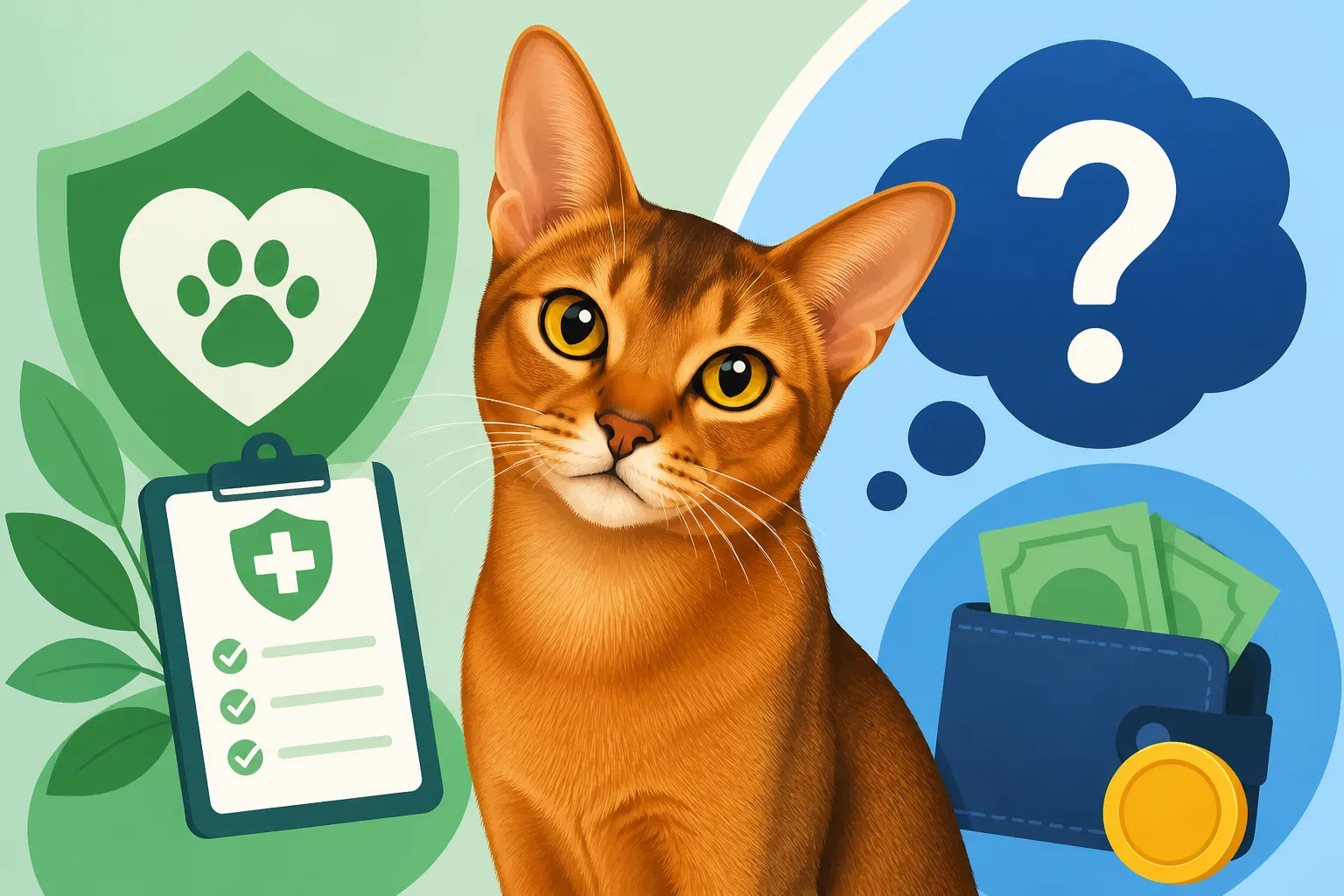
Deciding whether pet insurance is worth it for your Abyssinian isn't a simple yes or no. It’s a personal financial decision that weighs potential costs against peace of mind. Let’s break down the advantages and disadvantages.
The Advantages: Peace of Mind and Financial Buffer
The biggest draw of pet insurance, for many, isn't just about saving money – it's about the profound peace of mind it offers. When your beloved Abyssinian is suddenly ill or injured, your mind will be racing with worry about them, not about how you're going to pay for their life-saving treatment.
Think about it: an Abyssinian, with their boundless energy and love for exploring heights, might one day misjudge a jump and land awkwardly, potentially injuring themselves. Or, perhaps, despite all your diligent care, they develop an unexpected illness that requires urgent and intensive care. In these moments, you want to be able to tell your vet, "Do whatever it takes," without a gnawing dread about the bill. Pet insurance acts as a critical financial buffer, allowing you to focus on your cat's recovery and well-being, rather than being forced to make difficult, heartbreaking decisions based purely on cost.
For a breed with known predispositions like PK Deficiency, PRA-rdAc, or even the lurking threat of Renal Amyloidosis, having insurance means that if these conditions manifest (and were not pre-existing), you're better equipped to manage the often extensive and ongoing veterinary care. It means access to advanced diagnostics, specialist consultations, and the best available treatments without immediate financial strain. It truly allows you to uphold the promise you made to your Abyssinian to give them the best possible life, even when unexpected health challenges arise. This security is often invaluable.
The Disadvantages: Cost, Exclusions, and "What Ifs"
Of course, pet insurance isn't without its downsides, and it's important to approach this decision with open eyes. The most obvious disadvantage is the recurring monthly premium. This is an ongoing expense, and for some, it might feel like money "wasted" if their Abyssinian remains perfectly healthy for years. It's a calculation of risk, and for those who never make a large claim, the total premiums paid might exceed any reimbursement received for minor issues.
Another significant drawback lies in the exclusions. As we discussed, pre-existing conditions are almost universally excluded. This can be a huge disappointment if you get insurance only to find out that a chronic problem your Abyssinian already had, or showed signs of, won't be covered. Furthermore, some policies might exclude specific hereditary or congenital conditions, or have limitations on behavioral issues or prescription food costs. It's vital to read every single line of the policy document to understand what isn't covered. No two plans are exactly alike, and what one provider covers, another might not.
There's also the "what if" factor. What if you pay premiums for 10 or 15 years, and your Abyssinian only ever needs routine check-ups and a few minor treatments? In that scenario, you might have spent more on premiums than you ever got back in claims. This is where the self-insurance argument comes in: some people prefer to save that monthly premium money in a dedicated "pet emergency fund" to cover costs as they arise. However, the downside to self-insurance is that a major, sudden event can easily deplete a savings fund that hasn't had years to build up, leaving you in the exact same financial bind you hoped to avoid.
Considering Your Own Financial Situation and Risk Tolerance
Ultimately, the decision to get pet insurance for your Abyssinian comes down to a very personal assessment of your own financial situation and your tolerance for risk. There's no single right answer for everyone.
Think about your current financial safety net. Do you have a robust emergency fund specifically set aside for unexpected pet expenses? Could you comfortably cover a vet bill of $3,000, $5,000, or even $10,000 tomorrow, without it impacting your daily living expenses or other financial goals? If the answer is a resounding "yes," then self-insuring might be a viable option for you. You would put aside the equivalent of what you'd pay in monthly premiums into a high-yield savings account dedicated solely to your Abyssinian's health. The advantage here is that if your cat stays healthy, that money remains yours.
However, for most people, the idea of suddenly needing to produce thousands of dollars for an emergency vet visit is incredibly daunting. If a major unexpected expense would cause significant financial strain, or force you to make agonizing choices about your cat's care, then pet insurance becomes a much more attractive option. It smooths out the potential for huge, unpredictable costs into a more manageable monthly premium. It’s about transferring that financial risk to an insurance provider.
Your risk tolerance also plays a role. Are you someone who worries about "what ifs," or are you more laid back, trusting that things will generally work out? If you're the type to lose sleep over the possibility of a large vet bill, the peace of mind offered by insurance might be worth the monthly premium alone, regardless of whether you ever make a huge claim. On the other hand, if you're comfortable with the idea of shouldering the costs yourself if they arise, then you might opt out. The key is to be realistic about what you could afford and what level of financial stress you're willing to endure during a pet health crisis.
Making the Decision: Is it Right for Your Abyssinian?
So, after considering the health risks and the mechanics of insurance, how do you pull it all together to make an informed choice for your Abyssinian? It's about weighing specific factors related to your cat and diligently researching the market.
Factors to Consider for Your Abyssinian
When making this choice, it's not just about generalities; it's about your specific Abyssinian. Several factors about your individual cat and their circumstances will influence whether pet insurance is a sound investment.
First and foremost is the age of your Abyssinian. This is perhaps the most critical factor. As discussed, getting insurance when your Abyssinian is a kitten is ideal. Not only are premiums typically lower for younger cats, but, more importantly, they are less likely to have developed any pre-existing conditions that would be excluded from coverage. If you're adopting an adult Abyssinian, you'll need to be extremely diligent in reviewing their veterinary history. Any diagnosis, or even documented symptoms, of an illness before you enroll could lead to that condition being deemed pre-existing and therefore not covered. For older Abyssinians, say those over the age of seven (when they start to be considered senior, as discussed in When an Abyssinian Counts as Senior), premiums can be much higher, and they are far more likely to have existing conditions or new ones emerging that won't be covered by a new policy.
The pedigree and health history from your breeder also play a significant role. A responsible breeder will be transparent about the health of their lines. They should provide clear documentation of DNA tests for conditions like PK Deficiency and PRA-rdAc for the parents of your kitten. They should also be open about the incidence of conditions like amyloidosis in their lines, even though there isn't a genetic test for it. What an Abyssinian Breeder Should Have Tested Before You Buy outlines essential screenings. If your Abyssinian comes from a line with a strong history of specific health issues, the statistical likelihood of those issues arising might be higher, making insurance more appealing. Conversely, if the lineage is exceptionally clear, it might slightly lessen the perceived urgency, though accidents and novel illnesses can still strike any cat. Don't forget to ask What to Ask About an Abyssinian Line's Kidney History as this is a vital piece of information.
Finally, consider your lifestyle and your Abyssinian's activity level. Abyssinians are renowned for their athleticism and love of climbing. A cat that scales bookcases and explores every high shelf is, by nature, at a slightly higher risk for accidental falls or injuries than a sedentary lap cat. While we do our best to cat-proof, accidents happen. If your Abyssinian is particularly adventurous or lives in a multi-pet household where scuffles are possible, the risk of accidental injury might be elevated, making accident coverage particularly valuable.
Comparing Providers and Plans
Once you've decided that pet insurance might be a good fit, the next step is to shop around. Just like with any other insurance, rates and coverage can vary wildly between providers. Don't just pick the first company you see; take the time to compare.
Start by getting quotes from multiple reputable pet insurance companies. Brands like Healthy Paws are popular for their comprehensive coverage and often unlimited annual payouts, which can be reassuring for Abyssinian owners facing potentially expensive chronic conditions. Other companies like Trupanion, Embrace, and Figo also offer a range of options, each with their own pros and cons. When you're comparing, don't just look at the monthly premium. That's only part of the equation.
Focus intently on the deductible, reimbursement percentage, and annual limit for each plan. A cheaper monthly premium might come with a higher deductible or a lower reimbursement rate, meaning you'll pay more out of pocket when you make a claim. Conversely, a higher premium might offer 90% reimbursement and an unlimited annual payout, providing much greater financial security. Consider your comfort level with these numbers.
Also, pay close attention to the specific exclusions and waiting periods. Do they have extended waiting periods for orthopedic issues? What about breed-specific conditions like PK Deficiency or PRA-rdAc – are there any special clauses for these? Will it cover diagnostic testing, specialist referrals, or prescription medications for chronic conditions? If you plan to travel with your Abyssinian, is there coverage while you're away? Read through sample policies on their websites. Many online pet supply retailers, like Chewy, often have partnerships or comparison tools that can help you evaluate different providers and see what other owners are saying about their experiences. You might even find reviews or discussions about how specific brands handle claims for active cat breeds like Abyssinians.
Alternatives to Traditional Pet Insurance
While pet insurance is a powerful tool, it's not the only way to prepare for your Abyssinian's potential health costs. Depending on your financial philosophy and comfort level, other strategies might be a better fit for you.
One popular alternative is to create a dedicated emergency savings fund. This is the self-insurance model we touched on earlier. Instead of paying a monthly premium to an insurance company, you regularly deposit that amount (or more, if you can) into a separate savings account, explicitly for your Abyssinian's veterinary care. The advantage here is that the money remains yours, earning interest, and if your cat stays healthy, you can repurpose it later. The challenge, however, is discipline – ensuring you actually save consistently and that you have enough built up for a truly catastrophic event. A sudden, large bill, especially early in your cat's life before the fund has grown, could still leave you in a tough spot.
Another option to consider are veterinary wellness plans. These are not insurance. Instead, they are typically offered directly by your veterinarian and cover a package of routine, preventative care services for a monthly fee. This often includes annual exams, vaccinations, basic blood work, and sometimes discounts on dental cleanings. These plans can be great for budgeting routine costs and ensuring your Abyssinian receives regular check-ups, which are vital for early detection of issues, especially for a breed known to hide illness. However, they do not cover accidents, illnesses, or emergency care, which is where traditional pet insurance shines. You'd need both a wellness plan and insurance for comprehensive coverage, or rely on your emergency fund for the unexpected.
Finally, for those unexpected large bills, there are medical credit options like CareCredit. These are credit cards specifically designed for healthcare expenses, often offering deferred interest periods if the balance is paid within a certain timeframe. While they provide immediate access to funds, they are a form of debt. If you can't pay off the balance before interest accrues, the costs can become substantial. These are generally considered a last resort or a bridge solution, not a preventative measure like insurance or a savings fund. Ultimately, the best approach might even be a combination: a robust emergency fund for smaller, immediate needs, and pet insurance for those truly catastrophic, budget-busting health events.
Disclaimer
This article is for general informational purposes only and does not constitute professional advice. Laws, prices and regulations vary by location and change over time. Consult a qualified professional for guidance on your specific situation.