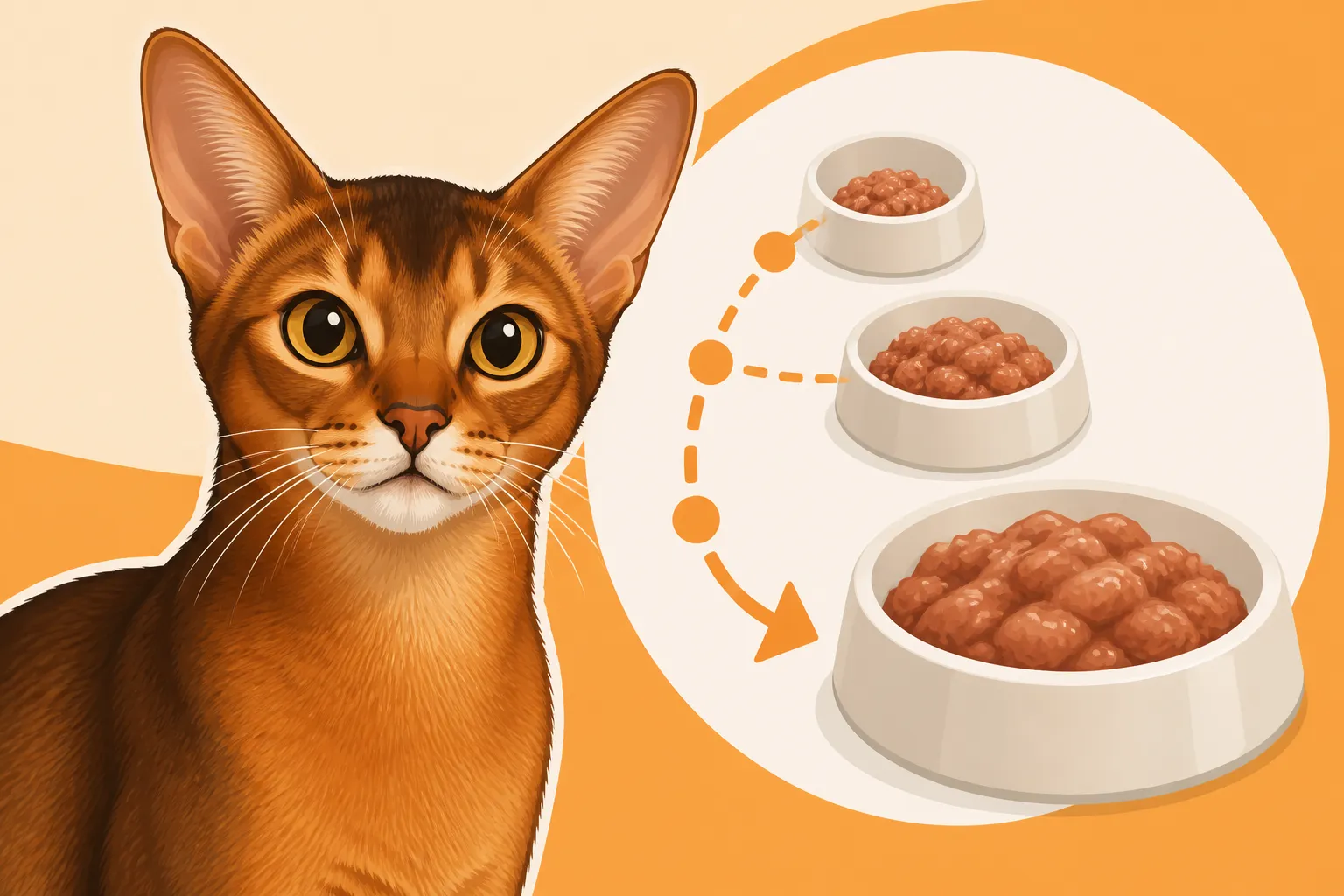
How Much Wet Food an Abyssinian Gets Through
One of the biggest surprises for new Abyssinian owners is just how much this sleek, athletic cat eats! You might look at their slender build and assume they're dainty eaters, but nothing could be further from the truth. If you’re constantly refilling the wet food bowl or wondering if your Abyssinian is getting enough to fuel their endless antics, you're not alone. This guide will walk you through understanding your Abyssinian's unique dietary needs and how much wet food it truly takes to keep them thriving.
Why Your Abyssinian is a Wet Food Enthusiast
Let’s be honest, an Abyssinian isn’t just a cat; they’re a tiny, furry dynamo, a perpetual motion machine that seems to burn calories just by existing. Their high metabolism and boundless energy mean they have different nutritional demands than many other, more sedate feline companions. It's not just about filling their belly; it's about providing the right fuel.
The Abyssinian's High Energy Demands
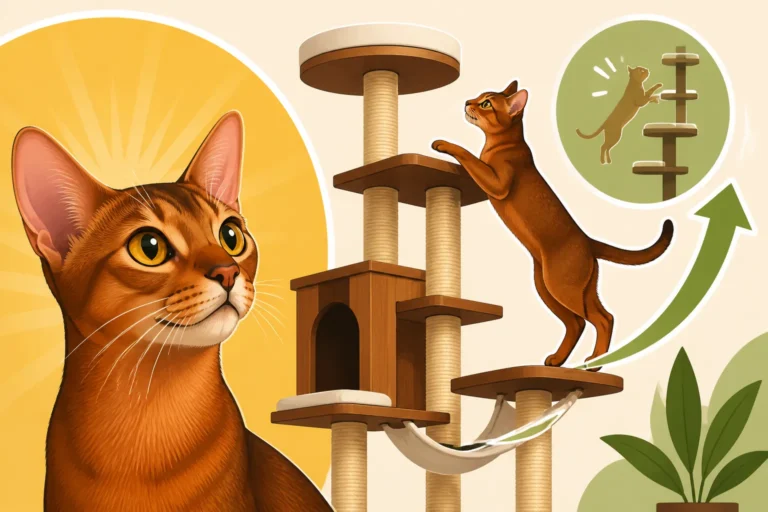
If you’ve ever watched your Abyssinian race through the house, scale the highest cat tree, or play fetch with the intensity of a small dog, you know firsthand their incredible energy levels. This isn't a cat content to nap all day on the sofa; they're constantly exploring, climbing, and engaging with their environment. All that activity requires a significant amount of fuel. They might be smaller than some breeds, but don't let their svelte physique fool you; they can put away an impressive amount of food. In fact, many Abyssinian owners find that their cat eats far more than expected for their body weight. How Many Calories an Adult Abyssinian Burns is a question many people ask, and the answer is usually "more than you'd think!"
This high energy means they're constantly burning through calories, and if those calories aren't replaced with nutrient-dense food, you'll start to see a lean cat become too lean, which is often a red flag for underlying issues. Why an Abyssinian's Weight Loss Is Never Minor is something every owner needs to understand, making consistent, appropriate feeding crucial.
The Crucial Role of Hydration
Cats, by nature, are not big drinkers. In the wild, they get most of their moisture from their prey. Domesticated cats, including our beloved Abyssinians, still retain this instinct. If your Abyssinian is primarily on a dry kibble diet, they simply aren't getting enough water naturally, and that can lead to some serious long-term health problems. This is where wet food becomes absolutely vital.
Wet food typically contains a high percentage of moisture, often around 70-80%, which dramatically boosts your cat's daily water intake. For a breed like the Abyssinian, which unfortunately has a genetic predisposition to kidney issues, adequate hydration is not just good, it’s essential. Conditions like renal amyloidosis are a concern for the breed, and while wet food won't prevent it entirely, supporting kidney health through proper hydration is a key preventative measure. Why Wet Food Protects an Abyssinian's Kidneys is a topic close to my heart, as I've seen firsthand the difference it can make. Many owners overlook the importance of water, thinking a bowl of fresh water is enough, but often it's not.
How to Calculate Your Abyssinian's Wet Food Needs
Figuring out the exact amount of wet food your Abyssinian needs isn't a "one-size-fits-all" equation. It depends on several factors, including their age, activity level, current weight, and any specific health considerations. The goal is to provide enough calories and nutrients without leading to unwanted weight gain or, more commonly for Abyssinians, unwanted weight loss.
Factors Influencing Caloric Needs
Every Abyssinian is an individual, and their caloric needs will shift throughout their life. A zooming kitten, for instance, will require far more calories per pound of body weight than a stately senior cat.
- Age: Kittens are growing rapidly and have incredibly high energy. An adult Abyssinian (typically 1-7 years old) will have a more stable, albeit still high, caloric need. Senior Abyssinians (over 10 years old) might slow down slightly, but often still retain a surprising amount of zest, and their metabolism can even speed up with conditions like hyperthyroidism, demanding more food.
- Activity Level: This is huge for Abyssinians. A cat with constant access to cat trees, wall shelves, and interactive play sessions will burn significantly more calories than one who has fewer outlets for their energy. The more they climb and play, the more they need to eat. What an Abyssinian Does When It Is Bored often involves vigorous activity, burning calories!
- Weight and Body Condition: This is your primary guide. You should be able to feel your Abyssinian's ribs easily under a thin layer of muscle and fat, and they should have a discernible waist when viewed from above. If ribs are too prominent, they need more food. If you can't feel them without pressing, they might be getting too much (though this is rare for a healthy Abyssinian). Regular weight checks at home and during vet visits are crucial. How to Read an Abyssinian's Body Condition Through That Coat is a skill worth learning.
- Reproductive Status: Intact (not spayed or neutered) cats typically have higher metabolic rates than those who are spayed or neutered. If your Abyssinian has been altered, their caloric needs might decrease slightly, but usually, their activity levels remain high, balancing it out.
- Health Status: Illness, even seemingly minor ones, can impact appetite and nutrient absorption. If your Abyssinian is recovering from surgery or has a chronic condition, their dietary needs might change, requiring adjustments in consultation with your vet.
General Guidelines for Wet Food Portions
Most quality wet cat foods will have feeding guidelines on their labels, usually based on your cat's weight. However, these are just starting points. Because Abyssinians often have higher energy levels than the "average" cat these labels are designed for, you might find yourself feeding slightly more than the recommended amount.
A common guideline for an active adult Abyssinian is often around 20-30 calories per pound of body weight per day. Since wet food varies widely in caloric density (some are soupy, some are pâté-like and very dense), you'll need to check the specific product's calorie count per can or pouch.
Example Scenario (Hypothetical):
Let's say your active 8-pound Abyssinian needs roughly 200-240 calories per day to maintain its ideal weight. If a particular brand of wet food contains 80 calories per 3oz can, your Abyssinian might need around 2.5 to 3 cans per day. This could mean morning, midday, and evening meals, or perhaps spreading it out into more frequent, smaller portions.
Here's a simplified table to help you visualize, remembering that exact amounts will always vary by brand and your individual cat:
| Abyssinian Age/Condition | Typical Weight Range | Daily Caloric Estimate | Equivalent Wet Food (Example: 80 kcal/can) | Key Considerations |
|---|---|---|---|---|
| Kitten (Up to 1 year) | 3-8 lbs | 60-100 kcal/lb | Up to 7-8 cans | Rapid growth, high energy, frequent meals |
| Adult (Active) | 7-10 lbs | 25-35 kcal/lb | 2.5 – 4 cans | High metabolism, constant movement |
| Adult (Less Active) | 7-10 lbs | 20-25 kcal/lb | 2 – 3 cans | Monitor body condition closely |
| Senior (Active) | 7-10 lbs | 25-30 kcal/lb | 2.5 – 3.5 cans | Maintain muscle, monitor for hyperthyroidism |
| Senior (Slowing) | 7-10 lbs | 20-25 kcal/lb | 2 – 3 cans | Focus on digestibility, joint support |
Always consult with your veterinarian for precise recommendations tailored to your Abyssinian's specific health needs.
When it comes to purchasing these quantities, online retailers like Chewy can be incredibly convenient for stocking up on your Abyssinian's favorite wet food, often offering bulk discounts or subscription services.
Choosing the Best Wet Food for Your Abyssinian
It's not just about the quantity; the quality of the wet food matters immensely. With so many options on the market, it can feel overwhelming to choose. For an Abyssinian, you want to focus on high-quality, species-appropriate nutrition that supports their active lifestyle and helps prevent common health issues.
What to Look for in Abyssinian Wet Food
When you're scanning those ingredient labels, keep these points in mind for your Abyssinian:
- High Protein Content: Cats are obligate carnivores, meaning they must eat meat. Look for wet foods where a named meat source (chicken, turkey, beef, salmon) is the first ingredient, and ideally, several meat ingredients are listed early on. This supports their strong muscle mass and high energy needs. Which Protein Level Keeps an Abyssinian's Muscle On is a critical consideration.
- Low Carbohydrates: Cats don't have a dietary need for carbohydrates. While some carbs are often included as fillers or binders, they should be minimal. Avoid foods with excessive grains, corn, or potato starch.
- Balanced Nutrients: Ensure the food is "complete and balanced" for your cat's life stage, as indicated by an AAFCO (Association of American Feed Control Officials) statement on the label. This means it contains all the necessary vitamins, minerals, and amino acids (like taurine, which is vital for feline heart and eye health).
- Moisture Content: As discussed, the higher, the better for kidney health. Aim for products that are primarily moisture-based rather than chunky stews with lots of gravy if the gravy isn't purely meat broth.
- Ingredient Transparency: Brands that focus on fresh, human-grade ingredients can be excellent options for owners who want full transparency about what goes into their cat's bowl.
Types of Wet Food to Consider
The world of wet cat food is vast, offering different textures and preparations. Your Abyssinian might have a strong preference!
- Pâté: This smooth, finely ground texture is often a favorite, as it's easy to eat and can be very calorie-dense. It's also easy to mix in supplements if needed.
- Shredded/Flaked: These foods feature recognizable pieces of meat in gravy or broth. Some cats love the texture; others might be pickier about the gravy.
- Chunky/Stews: Larger pieces of meat or fish, often in a thicker gravy. These can be appealing but ensure the pieces aren't too large for your Abyssinian to manage comfortably, especially if they have any dental sensitivities.
- Fresh/Lightly Cooked: Services that deliver fresh, gently cooked meals can be fantastic for palatability and nutrient retention. These often have very high moisture content.
- Broths/Toppers: While not a complete meal, pure meat or bone broths can be a great way to add extra hydration and appeal to wet food, especially if your Abyssinian is a bit finicky about drinking water from a bowl.
Ultimately, the best wet food is one that your Abyssinian enjoys eating consistently, maintains their ideal body condition, and supports their overall health. Don't be afraid to try a few different types and brands to see what your cat thrives on. Just remember to introduce new foods gradually to avoid upsetting their stomach. How to Move an Abyssinian Onto a New Food is an art form in itself!
Feeding Strategies and Common Pitfalls
So you've chosen a fantastic wet food and have a good idea of how much your Abyssinian needs. Now, how do you actually feed them to ensure they get the most benefit? Consistent routines and smart feeding strategies can make a big difference.
Establishing a Feeding Schedule
Abyssinians thrive on routine, and feeding times are no exception. Instead of leaving a full bowl down all day (which can lead to overeating and food spoilage), structured meal times are generally better.
- Multiple Small Meals: Given their high metabolism and active nature, Abyssinians often do best with multiple smaller meals throughout the day rather than one or two large ones. Aim for at least three meals: morning, midday (if you're home or can use an automatic feeder), and evening. Some owners even feed four times a day, especially for growing kittens or very active adults. Why Three Meals Suit an Abyssinian is largely due to their metabolism.
- Timed Feeders: If you're out during the day, a timed automatic wet food feeder can be a godsend. These can dispense a portion of food at a set time, ensuring your Abyssinian doesn't go too long between meals and helps manage their tendency to "ask" for food it may not need. Why an Abyssinian Asks for Food It Does Not Need is a common, and often amusing, habit!
- Freshness is Key: Wet food shouldn't sit out for more than a few hours, especially in warmer temperatures, to prevent bacterial growth. If your Abyssinian is a slow eater, consider offering smaller portions more frequently.
Mixing Wet and Dry Food
While wet food is highly recommended, some owners choose a mixed diet, offering both wet and dry food. If you go this route, be mindful of the total caloric intake to prevent overfeeding.
- Calculate Total Calories: If you're giving, say, half the recommended wet food, you'll need to compensate with a precise amount of high-quality dry kibble to meet their remaining caloric needs. Again, read the labels carefully.
- Separate Feeding: It's often best to offer wet and dry food in separate bowls and at different times. This allows you to monitor how much of each they're actually eating and ensures the wet food doesn't spoil.
- Dental Health Considerations: While some claim dry kibble cleans teeth, its effect is usually minimal. Don't rely on kibble for dental care. Regular brushing and professional dental cleanings are far more effective for preventing issues like juvenile gingivitis, which Abyssinians are prone to. How Often an Abyssinian Needs a Professional Clean is important, regardless of diet.
Common Feeding Pitfalls to Avoid
Even with the best intentions, it's easy to fall into certain traps when feeding your Abyssinian.
- Assuming Appetite Equals Weight Gain: A common misconception is that a cat eating a lot will automatically get fat. For an active Abyssinian, this isn't usually the case. Their high metabolism can handle a surprising amount of food. Don't restrict calories too much based on perceived "greediness," especially if they maintain a healthy weight.
- Ignoring Body Condition: Always, always use your hands to feel your Abyssinian's body. The visual assessment of an Abyssinian can be tricky due to their sleek, close-lying coat. What looks "fine" might actually be too thin if you're not regularly checking their ribs and waist.
- Sudden Food Changes: Abyssinians can be creatures of habit and have sensitive digestive systems. Abruptly changing their food can lead to stomach upset, vomiting, or diarrhea. Always transition to a new food gradually over 7-10 days, mixing increasing amounts of the new food with decreasing amounts of the old.
- Focusing Only on Cost: While budget is a factor, compromising too much on food quality can lead to higher vet bills down the line. Investing in good nutrition now can save you heartache and expense in the future. Pet insurance from providers like Healthy Paws can also help manage unexpected health costs, regardless of how well you feed your cat.
- Treat Overload: Treats are fun, but they are often calorie-dense and lack complete nutrition. Use them sparingly for training or enrichment, ensuring they don't account for more than 10% of your Abyssinian's daily caloric intake.
By understanding your Abyssinian's unique needs and making informed choices about their wet food diet, you'll be well on your way to fueling their adventurous spirit and supporting their long, healthy life.
Disclaimer
This article is for general informational purposes only and does not constitute professional advice. Laws, prices and regulations vary by location and change over time. Consult a qualified professional for guidance on your specific situation.