Which Registry an Abyssinian’s Papers Come From
It's incredibly exciting to bring an Abyssinian kitten into your home, but the sheer amount of information, especially regarding their "papers" and registration, can feel like navigating a maze. Understanding which registry your Abyssinian's lineage comes from is crucial, not just for bragging rights, but for verifying their health history, breed standards, and the ethical practices of their breeder. This guide will walk you through the world of Abyssinian cat registries, helping you understand what those important documents actually mean for you and your beloved feline friend.
Understanding Pedigree and Registration for Your Abyssinian
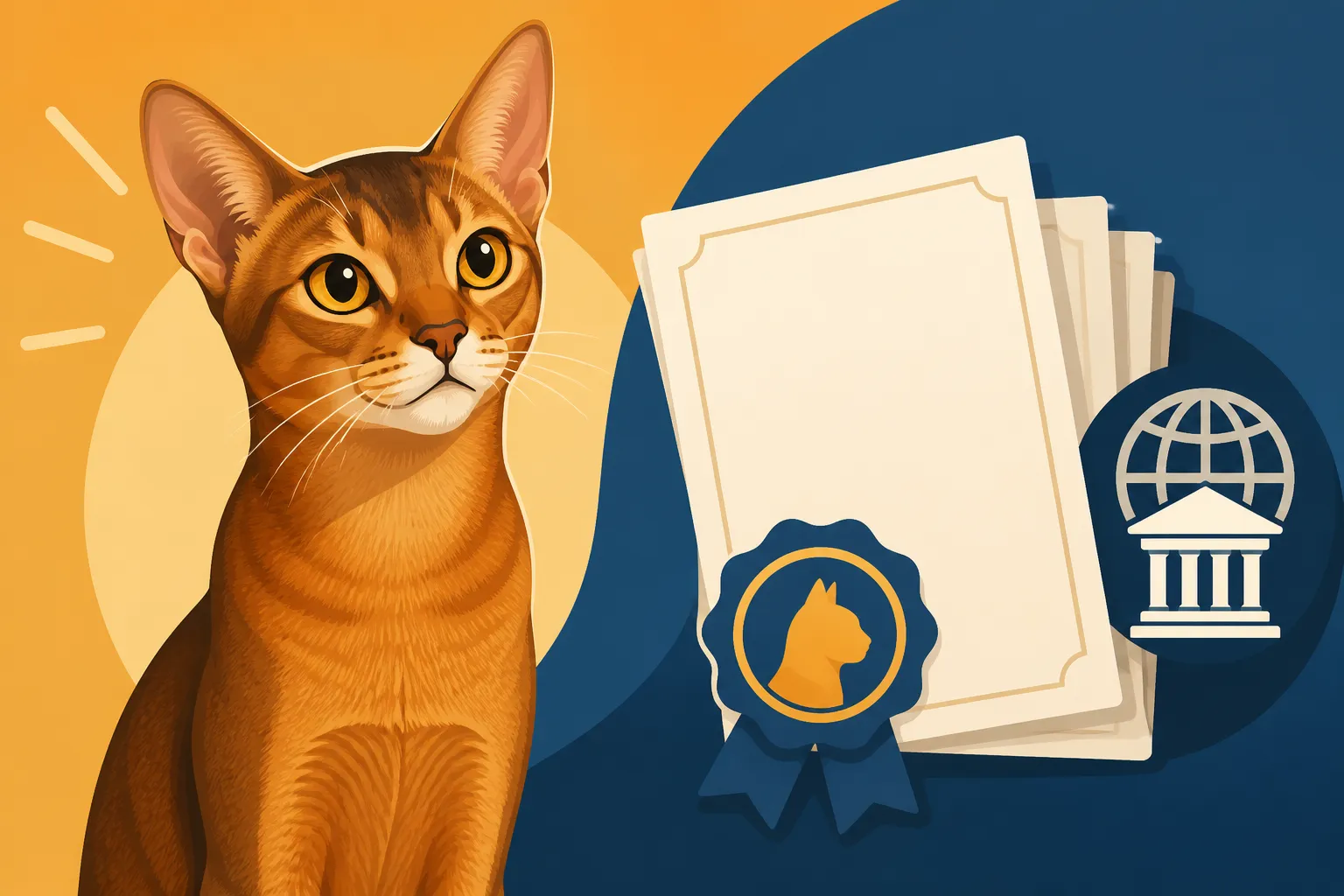
When people talk about an Abyssinian's "papers," they're generally referring to documents that prove the cat's lineage and registration with a recognized cat fancy association. These aren't just fancy certificates; they are the backbone of responsible breeding and provide a verifiable history of your cat's ancestors. Think of it like a family tree, but one that comes with official seals and is recognized globally by organizations dedicated to maintaining breed standards and health.
What "Papers" Actually Mean
At its core, "papers" refers to the pedigree certificate and the registration certificate issued by a cat registry. The pedigree is a detailed document listing several generations of your Abyssinian's ancestors, usually going back three to five generations. It includes their names, registration numbers, colors, and sometimes even their show titles. This allows you to trace your kitten's family back through time, seeing who their parents, grandparents, and great-grandparents were. The registration certificate, on the other hand, is the official document confirming that your specific Abyssinian has been registered with the organization. This means they are recognized as a purebred Abyssinian according to that registry's rules and standards.
Having these papers means a breeder is committed to the breed's integrity. They're not just selling a cat that looks like an Abyssinian; they're selling a cat that has a documented history of purebred Abyssinian ancestors. This commitment extends beyond appearance, often reflecting a dedication to health screening and adherence to the breed standard. Without these official documents, verifying any claims about your cat's breed or lineage becomes incredibly difficult, leaving you vulnerable to potentially unethical breeding practices.
Why Registry Matters for Health and Standards
The registry an Abyssinian is affiliated with is incredibly important because these organizations set the standards for what constitutes an Abyssinian. They define the accepted colors, body types, temperament traits, and often, critically, the health screening requirements for breeders. A reputable registry works to preserve the health and characteristics of the breed. This means they typically require breeders to adhere to certain ethical guidelines, including testing breeding cats for known genetic conditions.
For Abyssinians, this might include specific DNA tests for conditions like Pyruvate Kinase Deficiency (PKD) and Progressive Retinal Atrophy (PRA-rdAc). Knowing that a cat comes from a line registered with a respected organization gives you a much higher degree of confidence that the breeder has taken these health concerns seriously. It also means that there's a paper trail, often publicly accessible (at least to breeders), that allows for transparency and accountability within the breeding community. This is crucial when considering What an Abyssinian Breeder Should Have Tested Before You Buy.
The Major Registries: Where Abyssinian Papers Originate
When you're looking at Abyssinian kittens, you'll likely encounter a few key cat registries whose names pop up again and again. These are the big players in the cat fancy world, and each has a long history of promoting purebred cats and maintaining breed standards. Understanding who they are and what they represent is vital for any prospective Abyssinian owner.
Cat Fanciers' Association (CFA)
The Cat Fanciers' Association (CFA) is one of the largest and most well-known cat registries in the world, particularly in North America. When an Abyssinian's papers come from the CFA, it means the cat and its ancestors have been registered according to their comprehensive rules and regulations. CFA is recognized globally and is highly respected for its strict adherence to breed standards and ethical breeding practices. They host numerous cat shows across the country, where Abyssinians are judged against a detailed standard covering everything from coat ticking to ear set.
A CFA pedigree often carries significant weight, indicating a breeder's dedication to quality and health. Their website provides a wealth of information about various breeds, including the Abyssinian, and outlines the process for registering litters and individual cats. Breeders typically use CFA registration to prove the purity of their lines and participate in the wider cat fancy community. If your kitten's breeder mentions CFA, it's a good sign that they are engaged with a premier organization that values the integrity of the breed. You might also find information there about How Abyssinian Prices Compare to a Bengal's, offering context on the value of a well-bred cat.
The International Cat Association (TICA)
Another prominent global registry is The International Cat Association (TICA). TICA is known for being a bit more progressive and inclusive than some older registries, recognizing a wider array of breeds and sometimes different color variations within existing breeds. While CFA often has a more traditional focus, TICA embraces both established breeds and newer, developing ones. For Abyssinians, TICA's standards are also robust, and a TICA-registered cat is certainly a purebred with a documented lineage.
Many breeders will register their cats with both CFA and TICA, or exclusively with one over the other, depending on their personal preference and which shows they prefer to attend. TICA's focus on genetic diversity and a slightly more modern approach to breed development can be appealing to some. Regardless of whether it's CFA or TICA, the key is that your Abyssinian's papers come from a major, recognized organization with clear standards and a transparent registration process. These registries often have resources for owners, covering topics like How an Abyssinian's Energy Changes After Seven or general care tips.
Other Recognized Registries (e.g., GCCF, FIFE)
Beyond CFA and TICA, there are other respected registries, particularly in different parts of the world. For instance, in the United Kingdom, the Governing Council of the Cat Fancy (GCCF) is the primary registry. Across Europe, the Fédération Internationale Féline (FIFE) holds significant sway. Each of these organizations operates with similar goals: maintaining breed standards, tracking pedigrees, and promoting responsible breeding.
While their specific rules or accepted colors might have minor differences, the principle remains the same: these are established organizations that provide official documentation for purebred cats. A breeder who provides papers from any of these recognized bodies is demonstrating a commitment to their craft and the welfare of the breed. It's important to remember that a reputable breeder will always be transparent about the registry their cats are from and will be able to provide you with copies of the relevant documents. You should always be able to view How to Verify an Abyssinian's Test Certificate if the breeder claims they have done health testing through their registry.
| Registry Acronym | Full Name | Primary Region of Influence | Key Focus/Notes |
|---|---|---|---|
| CFA | Cat Fanciers' Association | North America, Global | Oldest & largest US registry, traditional standards |
| TICA | The International Cat Association | Global | Progressive, diverse, developing breeds |
| GCCF | Governing Council of the Cat Fancy | United Kingdom | Premier UK registry |
| FIFE | Fédération Internationale Féline | Europe, Asia, South America | Umbrella organization for European clubs |
Decoding Your Abyssinian's Registration Certificate
Receiving your Abyssinian's official papers is an exciting moment, but sometimes those documents can look a bit like a foreign language if you're not familiar with the terminology. Understanding what each section means empowers you to fully appreciate your cat's heritage and confirms the validity of your breeder's claims.
Key Information on a Pedigree Certificate
A pedigree certificate is essentially your Abyssinian's family tree, meticulously documented. You'll find a wealth of information here:
- Your Cat's Name and Registration Number: This is unique to your Abyssinian within that specific registry. It's how they are officially identified.
- Breed and Color: Confirms that your cat is indeed an Abyssinian and specifies their recognized color, such as Ruddy, Sorrel, Blue, or Fawn. This is important for Why Abyssinian Prices Vary by Color.
- Date of Birth: Essential for tracking age and developmental milestones.
- Sex: Straightforward, whether male or female.
- Parents, Grandparents, and Great-Grandparents: This is the core of the pedigree. For each ancestor, you'll see their registered name, registration number, and color. You might also see titles (e.g., Grand Champion, Quadruple Grand Champion) indicating success in the show ring, which speaks to their adherence to breed standards.
- Breeder Information: The name of the breeder who produced the litter.
- Owner Information (often left blank until you register your specific cat): This is where your details will eventually go once you complete the ownership transfer.
Looking at this information can be fascinating, revealing a long line of carefully selected and bred Abyssinians. It reinforces the idea that your cat is part of a deliberate breeding program focused on maintaining the breed's unique characteristics.
Understanding the Registration Certificate
While the pedigree details the family tree, the registration certificate is the official document for your specific cat. It typically contains less genealogical information than the pedigree but is crucial nonetheless.
- Your Cat's Official Registered Name: Often includes a cattery prefix (the breeder's cattery name) followed by a unique name chosen by the breeder or sometimes by you.
- Registration Number: Again, this is the unique identifier for your cat within the registry.
- Breed and Color: Confirms your Abyssinian's breed and accepted color.
- Date of Birth and Sex.
- Parents' Names and Registration Numbers: Links your cat directly to its sire (father) and dam (mother).
- Owner Information: Once you transfer ownership, your name will appear here as the official owner. This is an important step that many breeders include in their contracts, often with a clause about spaying or neutering. Why an Abyssinian Contract Includes a Spay Clause is a common requirement to ensure pet-quality kittens are not used for unintended breeding.
This certificate is your proof of official recognition. It validates that your Abyssinian is a purebred cat from a reputable source, rather than a cat merely resembling the breed. When you receive your kitten, you'll usually get application forms to transfer this registration into your name.
Why Reputable Registration Matters (and What to Avoid)
Choosing an Abyssinian is a significant commitment, and ensuring your kitten comes with proper registration from a reputable source is one of the best ways to protect yourself and ensure you're bringing home a healthy, well-bred cat. Cutting corners here can lead to heartbreak and unexpected expenses down the line.
The Assurance of Ethical Breeding Practices
When a breeder registers their cats and litters with a recognized body like CFA or TICA, they are often implicitly (and sometimes explicitly) agreeing to a code of ethics. These codes usually cover things like providing a clean and safe environment for the cats, proper nutrition, early socialization of kittens, and most importantly, health testing. For instance, knowing the health history of previous generations, sometimes seen on an extended pedigree, can give you insight into conditions like Renal Amyloidosis Is the Abyssinian Problem Nobody Can Test For, even if there's no direct genetic test.
Ethical breeders prioritize the health and temperament of their lines, and registration is a way to prove that they are following established best practices. They aren't just selling a pretty face; they are selling a piece of a carefully curated lineage. This commitment ensures that genetic health issues are minimized, and that the temperament traits characteristic of the Abyssinian are preserved, such as their famously active and playful nature.
The Dangers of Unregistered or "Paperless" Abyssinians
Be extremely wary of breeders offering "Abyssinians" without papers, or claiming that papers cost extra. This is a massive red flag. A reputable breeder includes the cost of registration in the overall price of the kitten because it's an integral part of responsible breeding. If a breeder isn't registering their cats, there's usually a reason, and it's rarely a good one.
Common issues with unregistered cats include:
- Questionable Lineage: Without papers, you have no proof that the cat is a purebred Abyssinian. It could be a mix, or simply a domestic short hair with a similar appearance.
- Undocumented Health: Unregistered cats often come from breeders who don't perform essential health screenings, leading to a higher risk of inheritable diseases. This could mean a future of expensive vet bills that could have been avoided with proper testing. When considering the Cost of an Abyssinian's First Year Actually Costs, unexpected health issues can quickly inflate your budget.
- Lack of Ethical Oversight: These breeders are not accountable to any governing body, which means they might be operating in inhumane conditions or engaging in backyard breeding practices that compromise the welfare of their animals.
- Inability to Participate in Shows: If you ever wanted to show your Abyssinian, you wouldn't be able to without proper registration.
The price difference for an unregistered cat might seem appealing upfront, but it almost always comes with significant hidden risks. Investing in a properly registered Abyssinian from a reputable breeder is an investment in a healthy, well-adjusted companion and peace of mind. While pet insurance companies like Healthy Paws might offer coverage regardless of pedigree, starting with a healthy, well-documented cat reduces your initial risk. Reputable breeders understand the long-term commitment and will often discuss things like food recommendations that prioritize quality nutrition for active cats.
Disclaimer
This article is for general informational purposes only and does not constitute professional advice. Laws, prices and regulations vary by location and change over time. Consult a qualified professional for guidance on your specific situation.