Why an Abyssinian’s Pedigree Should Go Back Four Generations
It's easy to look at a fancy piece of paper called a pedigree and think it's just for show cats or competitive breeders, a sort of historical footnote that doesn't really impact you and your lively Abyssinian. But for anyone welcoming one of these amazing, active cats into their home, understanding its lineage is far more than just knowing who its great-grandparents were; it’s a critical window into its potential health and temperament. This guide will walk you through why a four-generation pedigree is an essential document for any Abyssinian owner, offering crucial insights into your beloved feline's well-being.
The Pedigree: More Than Just a Family Tree
When you first hear "pedigree," you might picture images of show rings and ribbons. And yes, a pedigree absolutely confirms your Abyssinian's purebred status, showing the official registration of its ancestors with major cat associations. But beyond the titles and formal names, a comprehensive pedigree—one that goes back at least four generations—is a powerful tool for predicting and managing your cat's health. It’s not just about bragging rights; it's about responsible ownership and peace of mind.
Defining What a Pedigree Reveals
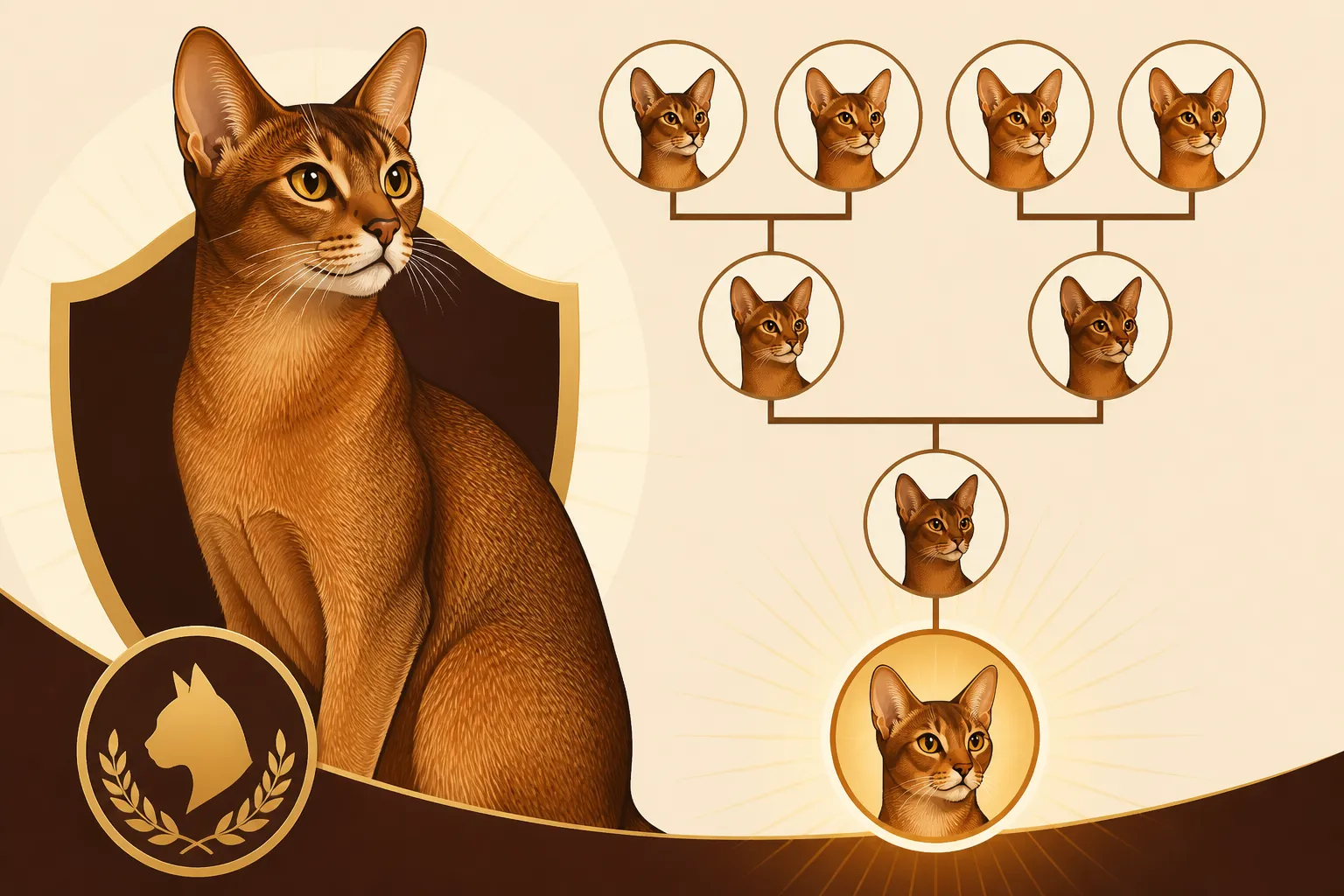
A true pedigree chart doesn't just list names; it details the cats' full registered names, their titles (like Grand Champion, or Regional Winner), their registration numbers, and often their birth dates and colors. For the discerning owner, this information begins to tell a story about the lines your Abyssinian comes from. You can trace not just the immediate parents but also the aunts, uncles, and cousins who might share genetic traits, both good and bad. This depth allows you to see patterns in health, longevity, and even temperament that a shorter, two-generation pedigree simply cannot provide. It’s about seeing the whole picture, not just a snapshot.
Why Four Generations Is the Magic Number
Think of it like this: if you only know your parents' health history, you're missing a huge chunk of your genetic inheritance. Your grandparents and great-grandparents contribute significantly to your genetic makeup. The same is true for cats. Many genetic conditions in Abyssinians, such as Pyruvate Kinase Deficiency (PKD) or Progressive Retinal Atrophy (PRA-rdAc), are recessive, meaning a cat can carry the gene without showing any symptoms themselves. If a breeder only screens two generations back, they might miss a carrier ancestor that could still impact your kitten. A four-generation pedigree helps identify these potential carriers and provides a much clearer understanding of the genetic landscape your kitten is inheriting. It’s the difference between a blurry outline and a high-definition image of your cat's genetic potential.
Unpacking the Health Information in a Four-Generation Pedigree
A detailed pedigree offers invaluable insights into the health background of your Abyssinian. It's a critical document for understanding potential inherited conditions and for choosing a responsible breeder committed to the long-term health of the breed.
Tracing Genetic Health Conditions
The Abyssinian breed, like many purebreds, is prone to certain inherited health issues. The most well-known are Pyruvate Kinase Deficiency (PKD) and Progressive Retinal Atrophy (PRA-rdAc). Both are autosomal recessive conditions, meaning a kitten needs to inherit a copy of the faulty gene from both parents to be affected. If a kitten inherits one copy from one parent, it will be a carrier but won't typically show symptoms. A four-generation pedigree, especially when accompanied by official DNA test results for each cat listed, allows you to meticulously track the presence of these genes. You want to see that all cats in the lineage have been tested and ideally are "clear" or, if "carriers," that they have only been bred to "clear" mates.
A responsible breeder will provide proof of these tests for the parents, but a four-generation pedigree lets you go further back. If you see multiple carriers in the extended lineage, even if your kitten’s immediate parents are clear, it gives you a sense of the genetic prevalence in that line. This level of detail helps prevent unknowingly propagating these conditions. It's truly eye-opening to see the commitment some breeders have to eradicate these issues through careful breeding practices. Which Four Diseases the Abyssinian Actually Carries and The Abyssinian Has Three DNA Tests and One Disease With None are excellent resources to understand these conditions better.
Tracking Un-testable Conditions Like Renal Amyloidosis
One of the most heartbreaking conditions for Abyssinians is Renal Amyloidosis. This disease, where an abnormal protein (amyloid) builds up in the kidneys, leading to kidney failure, doesn't yet have a definitive DNA test. This makes a deep pedigree even more crucial. While we can't test for the gene directly, we can look for patterns of early kidney failure or amyloidosis in the lineage. A breeder who truly understands their lines will openly discuss instances of this disease in the four-generation pedigree.
They might have notes or anecdotal evidence about which cats in the lineage developed kidney issues and at what age. While this isn't scientific proof, it's the best tool we currently have for a condition without a genetic marker. Seeing multiple instances of early kidney disease in an abbreviated pedigree should be a major red flag, whereas a four-generation pedigree showing longevity and no history of early kidney issues in a line offers significant reassurance. It's about collective memory and diligent record-keeping, a testament to a breeder's dedication. Renal Amyloidosis Is the Abyssinian Problem Nobody Can Test For goes into this in more detail.
Longevity and General Health Trends
Beyond specific genetic diseases, a four-generation pedigree can hint at overall health and longevity within a particular line. Do you see many cats living into their teens? Or are there several instances of cats passing away prematurely from unspecified causes? While not a guarantee, a pattern of long-lived, healthy ancestors is a strong indicator of a robust genetic background.
It also provides a basis for questions to your breeder. For instance, if you notice a particular cat appearing multiple times in the pedigree, which isn't uncommon in purebred lines, you can ask about that specific cat's health history in detail. Were they known for good teeth? Did they have any recurring health issues that might not be genetic but could hint at a general robustness? This deep dive helps you feel more informed and confident about the genetic pool your new family member comes from. Remember, an Abyssinian usually gets The Twelve to Fifteen Years an Abyssinian Usually Gets, so look for that long-term health potential.
The Genetic Risks Hidden in Shorter Pedigrees
Opting for a kitten with a shorter or incomplete pedigree might seem like a way to save money upfront, but it often carries significant, hidden risks that can cost you far more in heartache and veterinary bills down the line.
Missing Recessive Carrier Status
As mentioned, many genetic diseases like PK Deficiency and PRA-rdAc are recessive. A cat can be a carrier, perfectly healthy themselves, and pass on the faulty gene to their offspring. If you only have a two-generation pedigree, you might see that the parents are "clear" (non-carriers), but their parents (your kitten's grandparents) might have been carriers. If those grandparents were bred to other carriers, the risk increases for carriers to crop up in subsequent generations, potentially leading to affected kittens if poor breeding choices are made.
A breeder only showing you a short pedigree might be masking issues further back. Without that full four-generation view, you’re essentially buying a kitten with significant blind spots in its genetic history. Imagine investing years of love into a cat, only to find out at three years old it's developing a painful, debilitating genetic condition that could have been identified and bred out generations ago. This is where the initial cost savings of a less-vetted pedigree quickly evaporate. How a Carrier Abyssinian Differs From an Affected One explains the carrier status thoroughly.
Increased Risk of Inbreeding and Related Issues
Responsible breeding aims to maintain genetic diversity within a breed while solidifying desirable traits. A short pedigree can sometimes hide close inbreeding. While some line breeding (a controlled form of inbreeding) can be done responsibly to fix specific traits, excessive or unmanaged inbreeding can lead to a decrease in overall genetic diversity and an increased risk of expressing undesirable recessive genes. This can manifest as weakened immune systems, smaller litter sizes, or a higher incidence of general health problems.
A four-generation pedigree allows you to see common ancestors and understand the degree of relatedness. You can even calculate coefficients of inbreeding (COI) if you're so inclined, to ensure a healthy level of genetic diversity. A breeder who provides this depth of information is transparent and confident in their breeding program, a sign of ethical practices. Why Two Carrier Abyssinians Should Never Be Bred highlights the dangers of certain pairings.
The Impact on Your Wallet and Heart
Dealing with a pet who develops a severe genetic illness that could have been avoided is devastating, both emotionally and financially. Treatments for conditions like severe anemia from PK Deficiency or managing a cat going blind from PRA-rdAc can be incredibly expensive and emotionally taxing. We're talking about extensive veterinary visits, specialized diets, medications, and sometimes even surgical interventions. Companies like Healthy Paws offer pet insurance that can help, but preventing these issues through careful selection is always the best route.
| Pedigree Depth | Information Provided (General) | Insights into Health Risks | Cost & Risk Implications |
|---|---|---|---|
| Parents Only | Direct lineage, immediate parents' names | Very limited; only immediate clear status known. | High risk of hidden recessive conditions; significant unknowns. |
| 2 Generations | Parents and Grandparents' names | Some insight into grandparents' status, but still limited. | Moderate risk; potential for carrier status to be missed. |
| 4 Generations | Parents, Grandparents, Great-grandparents, Great-great-grandparents names | Comprehensive view of genetic history, carrier status trends, longevity. | Lowest risk for known genetic conditions; transparency. |
| 5+ Generations | Extended lineage, very deep history | Extremely detailed genetic insights, historical trends. | Very low risk; typically for experienced breeders. |
Choosing a kitten with a less detailed pedigree is essentially a gamble, and for something as important as a family member's health, it’s a gamble many owners regret. It's not just about the monetary cost; it's about the emotional toll of watching your beloved companion suffer.
Making Sense of Your Abyssinian's Pedigree
Navigating a pedigree, especially a deep one, might seem a bit daunting at first. However, with a little guidance and the right questions for your breeder, it becomes a powerful tool in your journey to finding a healthy, happy Abyssinian.
What to Look For and What to Ask
When reviewing an Abyssinian's four-generation pedigree, here's what to pay close attention to:
- DNA Test Results: This is paramount. Ask to see actual copies of DNA test results for PKD and PRA-rdAc for all cats in the four-generation pedigree, if available. At a minimum, ensure both parents are clear. If any ancestor is a carrier, verify they were only bred to clear cats. This is a non-negotiable for a truly responsible breeder. You can learn more about this process with How the Abyssinian's DNA Panel Is Ordered.
- Longevity & Cause of Death (if known): Inquire about the ages at which ancestors passed away, and if the cause of death is known. While not always possible to get for every cat, a pattern of early deaths, particularly from kidney issues, should prompt further questions about Renal Amyloidosis in that line.
- Repetitive Names: Note if the same cat appears multiple times in the pedigree. This isn't inherently bad if managed responsibly, but it's a cue to ask the breeder about their line breeding practices and the specific health of that frequently appearing ancestor.
- Titles and Achievements: While not directly health-related, multiple show titles (Champion, Grand Champion, etc.) often indicate a cat that meets breed standards, which usually includes good conformation and overall health. It also suggests the breeder is actively involved in the cat fancy and values breed integrity.
- Breeder's Transparency: The most important thing is the breeder's willingness to discuss the pedigree openly and answer all your questions. A good breeder knows their lines intimately and will be proud to share the health history, including any challenges they've worked to overcome. If a breeder is cagey or dismissive about pedigree details, that's a significant red flag. You should be able to verify an Abyssinian's test certificate, and a reputable breeder will facilitate this.
The Role of a Reputable Breeder
A reputable Abyssinian breeder views a pedigree as a living document, a blueprint for the future health of the breed. They invest significant time, effort, and resources into health testing their breeding cats, carefully planning pairings to minimize genetic risks, and maintaining meticulous records. They understand the importance of a four-generation pedigree and will gladly walk you through it, explaining their choices and the health history of their lines. They won't just hand you a piece of paper; they'll educate you.
Choosing a breeder who prioritizes this level of transparency and due diligence is your best defense against unexpected health issues. It's a foundational step in ensuring you bring home a healthy, well-adjusted kitten. While good supplies and specialized foods can support their health, no product can truly overcome fundamental genetic predispositions. Prevention through careful selection is key.
Ultimately, insisting on a four-generation pedigree isn't about being overly picky; it's about being a responsible, informed potential owner. It's about giving your future Abyssinian the best possible start in life and protecting yourself from potential heartbreak and expense down the road. It ensures that the lively, affectionate companion you envision will truly have the best chance at a long, healthy life by your side.
Disclaimer
This article is for general informational purposes only and does not constitute professional advice. Laws, prices and regulations vary by location and change over time. Consult a qualified professional for guidance on your specific situation.