The Abyssinian Has Three DNA Tests and One Disease With None
Bringing an Abyssinian into your home is an incredible joy, but it also comes with a unique set of responsibilities, especially when it comes to their health. Many prospective and current Abyssinian owners often feel overwhelmed by the sheer amount of information—and sometimes misinformation—about genetic conditions. It’s hard to know which tests truly matter and what problems lurk beyond the reach of modern science. This guide will walk you through the three crucial DNA tests available for Abyssinians and shed light on the one significant disease that, frustratingly, we still can't test for, giving you clarity and actionable knowledge to protect your beloved feline friend.
Understanding the Abyssinian's Genetic Blueprint
The Abyssinian is a magnificent breed, known for its striking ticked coat, athletic build, and vibrant personality. But beneath that beautiful exterior lies a genetic heritage that, like all purebred animals, carries certain predispositions. Understanding these genetic risks isn't about fear-mongering; it's about being a responsible, proactive owner and making informed decisions, especially if you're considering breeding or adopting.
Why Pedigree Cats Face Unique Genetic Challenges
When a breed is developed and refined over generations, breeders selectively choose individuals with desired traits. This process, while creating the distinct characteristics we adore in Abyssinians, also narrows the gene pool. A smaller gene pool means that any recessive genes carrying harmful conditions are more likely to be passed down and expressed. It’s not a flaw in the breed itself, but an inherent consequence of purebred development. This is why certain genetic diseases become more prevalent within specific breeds, and why responsible breeders are so diligent about genetic testing. They’re working to preserve the beauty and temperament of the breed while actively striving to eliminate these genetic weaknesses.
Think of it like this: if you have a small village where everyone marries within the village, any rare family traits, good or bad, are much more likely to show up in the children compared to a bustling city where people come from all over the world. Purebred cat populations are a bit like that village – genetics are concentrated. For Abyssinians, this means certain conditions, like those affecting red blood cells or vision, have been identified and, thankfully, tests developed to manage them.
The Importance of a Comprehensive DNA Panel
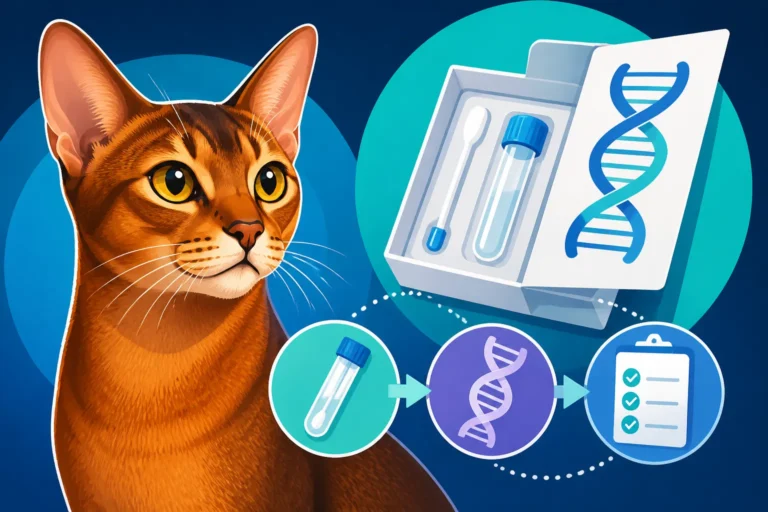
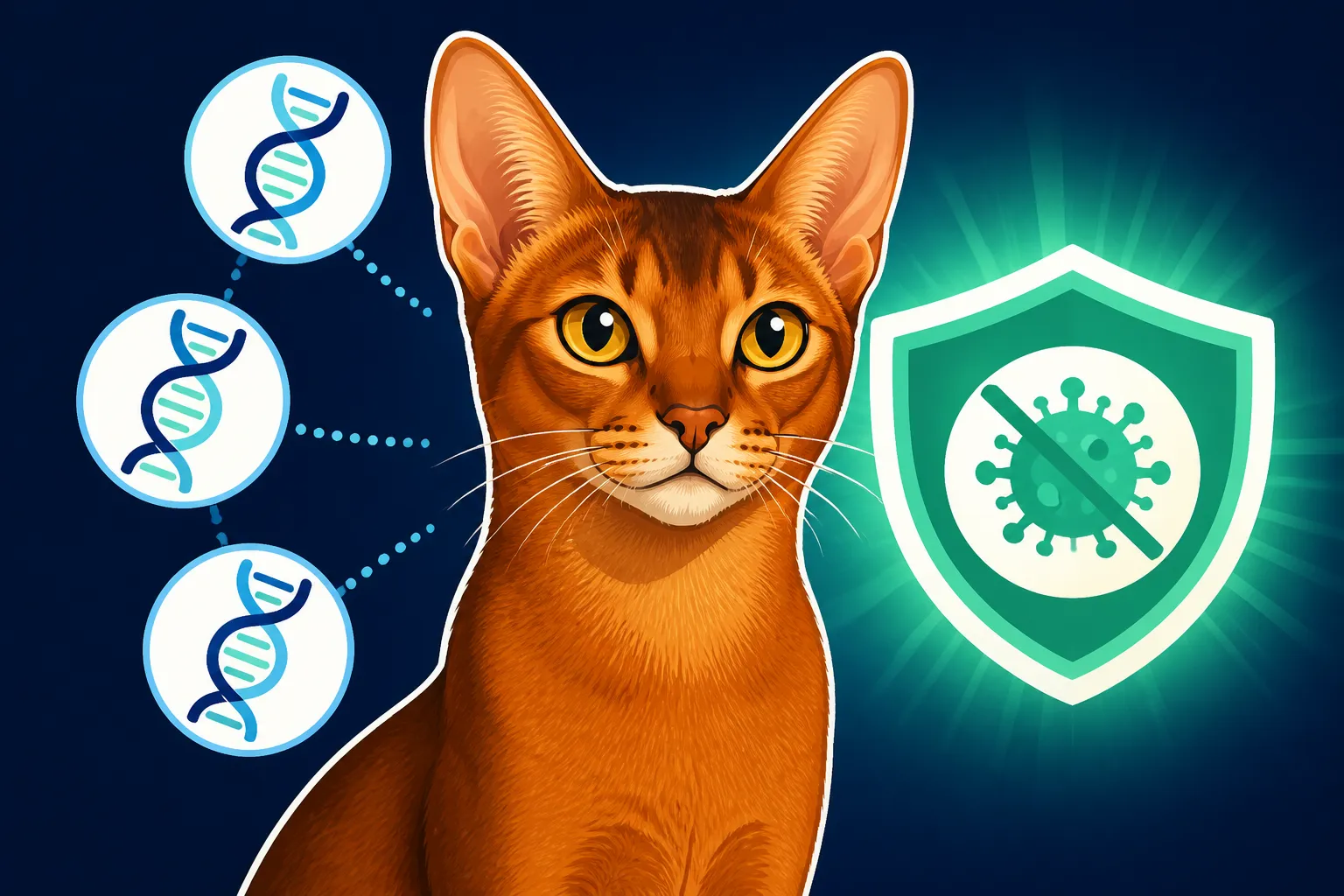
A DNA panel for an Abyssinian isn't just a piece of paper; it's a window into your cat's genetic future and a tool for informed breeding. These tests can identify if your cat is clear, a carrier, or affected by specific genetic conditions. Knowing this information allows breeders to make educated pairings that avoid producing affected kittens, gradually reducing the prevalence of these diseases in future generations. For pet owners, it provides invaluable insight into potential health issues your cat might face, allowing for early detection and proactive veterinary care.
For example, if you know your kitten is a carrier for a certain condition, you can discuss this with your vet to understand what to look for, even if your cat will never show symptoms. This proactive approach can make a significant difference in their long-term health and well-being. It’s about building a solid foundation of knowledge from the very beginning, ensuring your Abyssinian lives the healthiest, happiest life possible.
Pyruvate Kinase Deficiency (PKD): The Red Cell Riddle
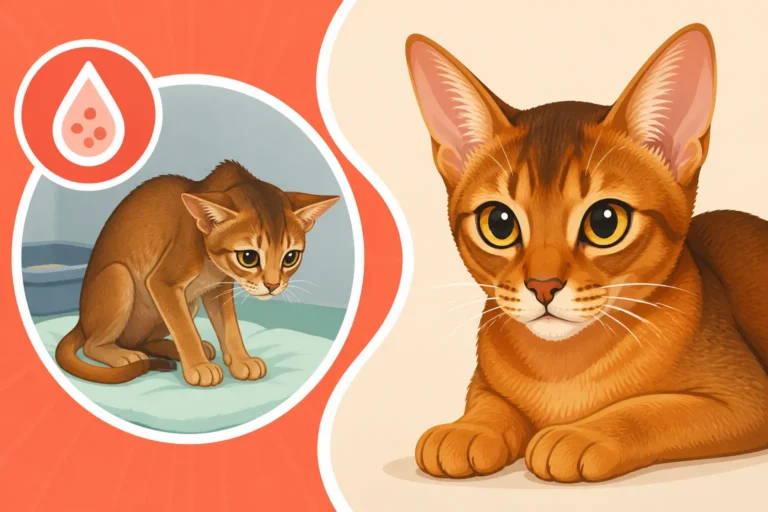
Among the genetic challenges Abyssinians face, Pyruvate Kinase Deficiency, often simply called PK Deficiency, is probably the most well-known and the most tested for. It's a condition that directly impacts a cat's red blood cells, leading to anemia that can range from mild to life-threatening. The good news is that we have a highly reliable DNA test for it, which has been instrumental in reducing its incidence in the breed.
What Happens Inside an Abyssinian with PK Deficiency
Pyruvate kinase is a crucial enzyme found in red blood cells. Its job is to help convert glucose (sugar) into energy, which the red blood cells need to function properly and have a normal lifespan. In an Abyssinian with PK Deficiency, this enzyme is either absent or doesn't work correctly due to a specific genetic mutation. Without enough functional pyruvate kinase, the red blood cells become fragile and break down prematurely, a process called hemolysis.
This premature destruction of red blood cells leads to hemolytic anemia. This isn't just any anemia; it's one where the body can't keep up with the loss of red blood cells, leading to a shortage of oxygen-carrying capacity. Imagine trying to run a marathon on half the amount of breath you need – that's what an anemic cat experiences internally. The severity of the anemia can vary greatly. Some cats may have mild, intermittent episodes of lethargy and weakness, while others can suffer from severe, acute crises requiring emergency veterinary intervention. The unpredictability of its onset and severity makes it particularly concerning for owners. To learn more about how this disease works, read about What PK Deficiency Does to an Abyssinian's Red Cells.
Identifying Symptoms and Managing a PK-Deficient Cat
The symptoms of PK Deficiency can be subtle at first, often appearing intermittently, which makes diagnosis tricky without a genetic test. Owners might notice their cat becoming unusually lethargic, sleeping more than usual, or showing a reduced interest in play. Their gums and mucous membranes might appear pale, a classic sign of anemia. You might also observe a yellowish tinge to their skin or eyes (jaundice) if the red blood cell destruction is severe, as the body struggles to process the byproducts. Some cats may have an enlarged spleen or liver as these organs work overtime.
Managing an affected Abyssinian often involves supportive care. During an anemic crisis, a cat might need fluid therapy, medications to stimulate red blood cell production, or even blood transfusions. In some cases, a splenectomy (surgical removal of the spleen) can prolong a cat's life by reducing the organ where most of the fragile red blood cells are destroyed. However, this isn't a cure, and it carries its own risks. The goal is always to maintain their quality of life. For more on treatments, explore How an Anemic Abyssinian Is Treated.
Genetic Testing and Breeding Responsibilities
The beauty of PK Deficiency is that we have an extremely reliable DNA test. This test can tell you if an Abyssinian is:
- Clear: Meaning they do not carry the gene and cannot pass it on.
- Carrier: Meaning they carry one copy of the faulty gene but will not develop the disease themselves. They can pass it on to their offspring.
- Affected: Meaning they have two copies of the faulty gene and will develop the disease.
For breeders, this test is paramount. Responsible breeders will test all their breeding cats to ensure they never breed two carriers together. Mating two carriers would result in 25% of the kittens being affected, 50% being carriers, and 25% being clear. By only breeding clear cats with carriers (or clear with clear), they can ensure no affected kittens are produced, while still retaining genetic diversity. This responsible approach is why the incidence of PK Deficiency has significantly decreased in well-bred Abyssinian lines. If you're looking for a kitten, always ask to see the parent's PK Deficiency test results. You can read more about this crucial test in Pyruvate Kinase Deficiency Is the Abyssinian's Best Known Test.
Progressive Retinal Atrophy (PRA-rdAc): Saving Their Sight
Another significant genetic health concern in Abyssinians, for which we have a DNA test, is Progressive Retinal Atrophy, specifically the rod-cone degeneration type known as PRA-rdAc. This cruel disease slowly robs a cat of its sight, often starting subtly and progressing relentlessly. While heartbreaking, genetic testing provides a pathway for breeders to eradicate it and for owners to prepare for and support their cat through vision loss.
How PRA-rdAc Progresses and Affects Vision
PRA-rdAc is a hereditary eye condition that causes the photoreceptor cells in the retina—the rods and cones responsible for detecting light—to degenerate over time. Rods, which handle low-light vision, are usually affected first, leading to difficulties seeing in dim conditions or at night. As the disease progresses, the cones, which are responsible for daytime and color vision, also begin to fail. This leads to complete blindness.
The onset of symptoms can vary, but typically signs begin to appear between one and five years of age. Often, the early changes are so subtle that owners don't notice them immediately. Your Abyssinian might become more hesitant to jump from high places in dim light, or they might bump into furniture in unfamiliar dark rooms. They might also become more reliant on sound and smell, navigating their familiar environment with surprising grace. However, the progression is irreversible. Unfortunately, there is no treatment currently available to stop or reverse the degeneration once it begins. PRA-rdAc Takes an Abyssinian's Sight by Five explains this in more detail.
Living with a Blind Abyssinian
While the thought of your energetic Abyssinian losing its sight can be daunting, these cats are remarkably resilient and adapt incredibly well to blindness, especially if the loss is gradual. They rely heavily on their other senses – hearing, smell, and whiskers – to navigate their world. Owners can do a lot to help. Maintaining a consistent home environment, avoiding moving furniture, and providing familiar pathways are crucial. They still love to climb and explore, so ensuring their climbing structures have consistent routes and soft landings is important.
Encouragement and patience are key. Many blind Abyssinians continue to live full, happy lives, playing, cuddling, and interacting with their families. They develop an internal "map" of their home, and if you keep things consistent, they can navigate with surprising confidence. For practical tips on supporting a vision-impaired cat, you might find valuable insights in What an Abyssinian Does First as Its Sight Goes and How a Blind Abyssinian Maps a House. They are still the same affectionate, playful cats, just with a different way of experiencing the world.
The Crucial Role of Genetic Screening
Like PK Deficiency, PRA-rdAc is an autosomal recessive condition, meaning a cat must inherit two copies of the defective gene (one from each parent) to be affected. Cats inheriting only one copy are carriers but will not develop the disease. The DNA test for PRA-rdAc is highly accurate and is another cornerstone of responsible Abyssinian breeding.
Breeders use this test to identify clear, carrier, and affected cats. By carefully selecting breeding pairs, they can prevent affected kittens from being born. Reputable breeders will not breed two carriers together. When seeking an Abyssinian kitten, always verify that both parents have been tested and are clear or, if one is a carrier, that the other parent is clear. This commitment to genetic screening by breeders is progressively reducing the incidence of PRA-rdAc, ensuring future generations of Abyssinians can enjoy their full eyesight throughout their lives. It's a testament to the power of genetic understanding in improving animal welfare.
The Elusive Threat: Renal Amyloidosis
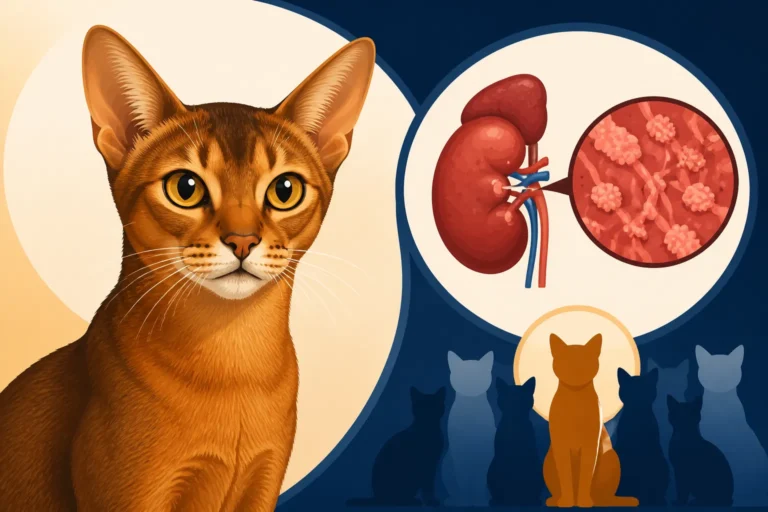
Now we come to the one major Abyssinian health problem for which, despite extensive research and heartfelt efforts by breeders and scientists, there is still no definitive DNA test: Renal Amyloidosis. This makes it particularly frustrating and challenging for owners and breeders alike, as it can strike seemingly healthy cats without warning, often leading to kidney failure.
What Amyloidosis Does to Abyssinian Kidneys
Amyloidosis is a disease characterized by the abnormal deposition of a specific protein, called amyloid, in various organs and tissues. In Abyssinians, the most common form is systemic amyloidosis, where the amyloid primarily accumulates in the kidneys, particularly in the medulla (the inner part of the kidney). As these insoluble protein fibrils build up, they disrupt the normal architecture and function of the kidney tissue.
Initially, the kidneys may appear normal, but as more amyloid is deposited, they become increasingly damaged. This interferes with the kidneys' ability to filter waste products from the blood, concentrate urine, and regulate blood pressure and electrolytes. Over time, this leads to chronic kidney disease (CKD) and eventually kidney failure. Unlike other forms of CKD, which often manifest in older cats, Abyssinian Amyloidosis can affect relatively young cats, sometimes as early as two or three years of age, making it especially devastating. This premature onset of kidney disease is a hallmark of the breed's struggle with this condition. For more insight, see How Young an Abyssinian Can Lose Its Kidneys.
Recognizing the Subtle Signs of Kidney Trouble
Because there's no genetic test, early detection of amyloidosis relies entirely on vigilance and routine veterinary check-ups. The early signs of kidney disease can be very subtle and easily missed, mimicking other less serious issues. You might notice your Abyssinian drinking more water than usual and urinating more frequently (polydipsia and polyuria). Their appetite might decrease, and they could experience weight loss, even if they're still eating a bit. Lethargy, a duller coat, and occasional vomiting are also common but non-specific symptoms.
As the disease progresses, signs become more pronounced: severe weight loss, dehydration, poor coat quality, bad breath (halitosis due to uremic toxins), and muscle wasting. Regular veterinary check-ups are crucial, especially as your Abyssinian approaches middle age. Annual blood work, including a specific kidney marker called SDMA (Symmetric Dimethylarginine), can detect kidney changes much earlier than traditional creatinine levels. Urine tests, particularly looking at urine specific gravity and protein-to-creatinine ratios, are also vital. Early intervention, though not a cure, can significantly slow the progression of kidney disease. If you want to dive deeper into this, check out Which Blood Values Catch an Abyssinian's Kidneys Early. This disease is why Renal Amyloidosis Is the Abyssinian Problem Nobody Can Test For.
Managing Life with an Abyssinian Facing Amyloidosis
Once diagnosed with kidney disease due to amyloidosis, the focus shifts to supportive care and managing symptoms to improve quality of life and slow progression. This often involves a specialized renal diet, which is typically lower in protein and phosphorus to reduce the workload on the kidneys. Increased water intake is also paramount, which can be encouraged through wet food, water fountains, and adding water to meals.
Medications might be prescribed to manage blood pressure, reduce protein loss in the urine, bind phosphorus, or alleviate nausea. Subcutaneous fluids given at home can help maintain hydration, particularly for cats with advanced disease. Regular monitoring of blood and urine values is essential to adjust treatment plans as needed. While there's no cure, many Abyssinians with amyloidosis can live for months or even a few years with dedicated care. The journey can be emotionally and financially challenging, but the bond with your Abyssinian makes every effort worthwhile. Your veterinarian will be your best partner in this journey, guiding you through each step. To understand the veterinary approach, refer to How a Vet Manages an Abyssinian in Kidney Failure.
The Breeder's Insight: Longhair Gene (L/l) Testing
When we talk about "three DNA tests" for Abyssinians, the third common one isn't typically another disease test like PK Deficiency or PRA-rdAc, but rather a genetic marker that's critically important for breeders: the longhair gene. This test helps breeders understand the genetic makeup of their cats concerning coat length and helps prevent unexpected long-haired kittens in their litters.
The Unexpected Somali Connection
You might be wondering why a test for long hair is so important for an Abyssinian, a quintessential shorthair breed. The answer lies in the close genetic relationship between Abyssinians and Somalis. The Somali cat is essentially a long-haired Abyssinian, sharing the same breed standard except for coat length. Historically, the longhair gene was present, and often hidden, within Abyssinian lines. Occasionally, a supposedly pure Abyssinian breeding would produce a long-haired kitten, much to the surprise of the breeder! These long-haired kittens were the foundation of the Somali breed.
The longhair gene (denoted 'l') is recessive. This means a cat must inherit two copies of the gene (l/l) to express long hair. A cat with one copy (L/l) will have a short coat but is a carrier of the longhair gene. A cat with two dominant copies (L/L) is clear and will only ever produce shorthair kittens. The presence of the longhair gene in some Abyssinian pedigrees meant that even two short-haired Abyssinians could produce a long-haired Somali kitten if both parents were carriers (L/l x L/l). This is a fascinating genetic quirk that highlights the shared ancestry of these two beautiful breeds. For more on this, check out How a Somali Turns Up in an Abyssinian Litter.
Why Breeders Test for the Longhair Gene
For breeders focused on producing Abyssinians true to their shorthair standard, testing for the longhair gene is an essential part of their genetic panel. Knowing a cat's status (L/L, L/l, or l/l) allows them to make informed decisions about breeding pairs.
- L/L (Homozygous Shorthair): This cat has two copies of the dominant shorthair gene and will only ever produce shorthair kittens, regardless of the mate's status.
- L/l (Longhair Carrier): This cat has a short coat but carries one copy of the longhair gene. If bred to another L/l cat, there's a 25% chance of producing l/l (longhair) kittens. If bred to an l/l (longhair) cat, there's a 50% chance of producing l/l kittens.
- l/l (Homozygous Longhair): This cat is a Somali. It will always have long hair and pass on a longhair gene to all its offspring.
Responsible Abyssinian breeders often test for the longhair gene to avoid producing Somalis in their Abyssinian litters, as Somalis are considered a fault in an Abyssinian breeding program. This test ensures that the Abyssinian standard of a sleek, short, ticked coat is maintained. While not a disease test, it's a vital genetic tool that underpins breed integrity and helps breeders manage coat length variations within their lines effectively. When you adopt a kitten, knowing their longhair gene status can also be interesting, though it's primarily a breeder's concern.
Navigating Abyssinian Health: Beyond Genetic Tests
While genetic tests are invaluable, they are just one piece of the puzzle when it comes to ensuring your Abyssinian lives a long, healthy life. Proactive care, open communication with breeders and vets, and a good understanding of general feline wellness are equally critical.
The Power of Health Guarantees and Ethical Breeding
When you embark on the journey of finding an Abyssinian kitten, the breeder you choose plays an enormous role in your cat's future health. Reputable, ethical breeders go far beyond simply producing cute kittens; they are custodians of the breed's health. They meticulously research pedigrees, perform all recommended genetic tests (like for PK Deficiency and PRA-rdAc), and are transparent about any known health issues in their lines, especially concerning conditions like amyloidosis that lack a direct test.
An ethical breeder will provide you with a comprehensive health guarantee, outlining what genetic conditions are covered and for how long. They will also typically include a clause requiring you to spay or neuter your pet-quality kitten. Beyond the paperwork, a good breeder will be a resource for life, happy to answer your questions and offer support for years to come. Always ask to see the test results for the parents, not just a verbal assurance. A responsible breeder understands that What an Abyssinian Breeder Should Have Tested Before You Buy is crucial for a kitten's future.
Lifelong Wellness: Proactive Care for Your Abyssinian
Even with the best genetics, an Abyssinian's health depends significantly on the care they receive throughout their lives. This means regular veterinary check-ups, even when they seem perfectly healthy. Your vet can catch subtle changes in weight, appetite, or behavior that might indicate an underlying problem. Vaccinations, parasite control, and dental care are non-negotiable aspects of routine health. Abyssinians are prone to certain dental issues, so diligent home dental care and professional cleanings are particularly important.
Beyond medical care, a high-quality diet tailored to their energetic metabolism, plenty of fresh water, and a stimulating environment rich with climbing opportunities and interactive play are essential for their physical and mental well-being. A bored Abyssinian is an unhappy Abyssinian, and stress can manifest in physical health issues. Providing consistent, loving care and being attentive to any changes in your cat's routine or demeanor will go a long way in ensuring they thrive for many years. Regular health check-ups and open communication with your vet become even more critical as your Abyssinian ages, allowing for early intervention for common age-related conditions.
Preparing for the Unexpected with Pet Insurance
Despite all the precautions and responsible care, unexpected illnesses or accidents can still happen. Veterinary care, especially emergency treatment or ongoing management of chronic conditions, can become incredibly expensive, often leading to difficult decisions for families. This is where pet insurance can provide immense peace of mind and financial support.
Policies vary, but most comprehensive pet insurance plans, like those offered by Healthy Paws, can cover a significant portion of unexpected veterinary bills, from accidents and illnesses to surgeries and medications. While genetic conditions like PK Deficiency and PRA-rdAc are often covered if symptoms arise after the policy is in effect (and aren't pre-existing conditions), it's important to read the fine print regarding hereditary conditions and waiting periods. For conditions like Renal Amyloidosis, which may be diagnosed later in life, having insurance in place before any signs appear can be a lifesaver. Investing in pet insurance when your Abyssinian is young and healthy is often the most strategic choice, ensuring you're prepared for whatever health challenges might come their way without having to compromise on the best possible care. Healthy Paws is one of many providers to consider when planning for your cat's future. It helps turn potential financial stress into focused care for your beloved companion.
Abyssinian Health Snapshot: DNA Tests vs. Untestable Conditions
To give you a clear overview of the key genetic considerations for the Abyssinian breed, here's a table summarizing the conditions discussed, their testability, typical onset, and general prognosis.
| Condition | DNA Test Available? | Type of Inheritance | Typical Onset | Key Symptoms | Prognosis (with management) |
|---|---|---|---|---|---|
| Pyruvate Kinase Deficiency (PKD) | Yes | Autosomal Recessive | Variable (months to years) | Lethargy, pale gums, jaundice, weakness, enlarged spleen/liver, exercise intolerance | Highly variable; some live normally, others need significant support; life-threatening crises possible. |
| Progressive Retinal Atrophy (PRA-rdAc) | Yes | Autosomal Recessive | 1-5 years old | Night blindness progressing to total blindness, dilated pupils, bumping into objects in dim light | Irreversible vision loss, but cats adapt well to blindness with supportive environment. |
| Longhair Gene (L/l) | Yes | Autosomal Recessive (for long hair) | At birth | Not a disease; affects coat length. Carriers (L/l) are shorthair, affected (l/l) are longhair (Somali). | No health impact; important for breeding programs to manage coat length. |
| Renal Amyloidosis | No | Complex/Polygenic | 2-7 years old (can be younger or older) | Increased thirst/urination, weight loss, decreased appetite, lethargy, vomiting, dull coat, bad breath, muscle wasting | Progressive kidney failure; management can prolong life, but ultimately fatal. |
This table clearly highlights the different aspects of Abyssinian health management, from proactive genetic screening to vigilant observation for symptoms of untestable conditions.
Disclaimer
The information provided in this article is for general informational purposes only and does not constitute veterinary medical advice. Always consult with a qualified veterinarian for any health concerns or before making any decisions related to your pet's health and treatment.